
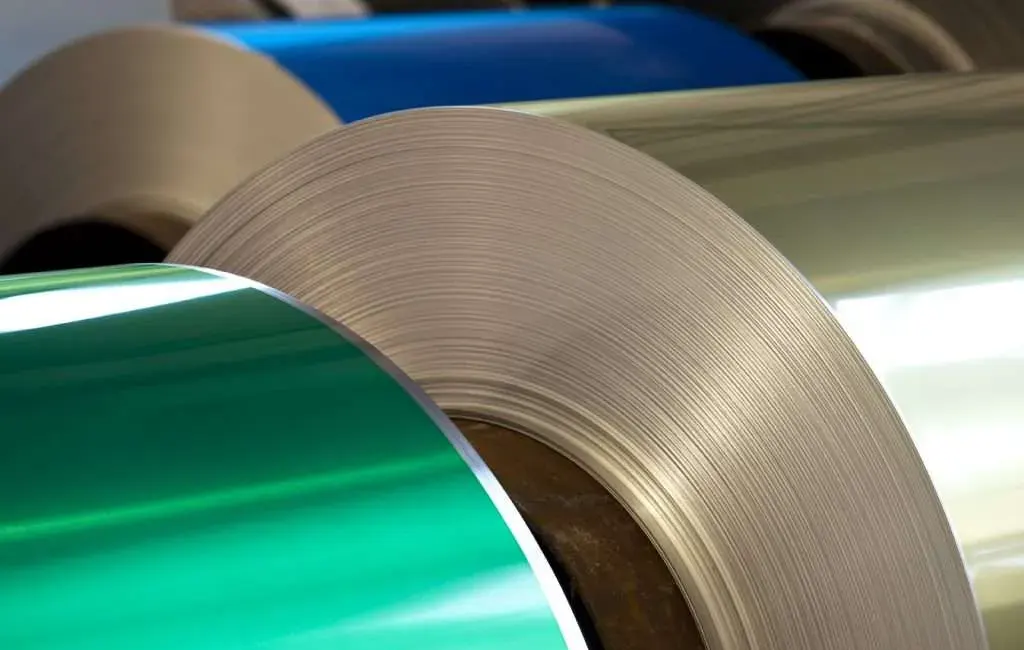

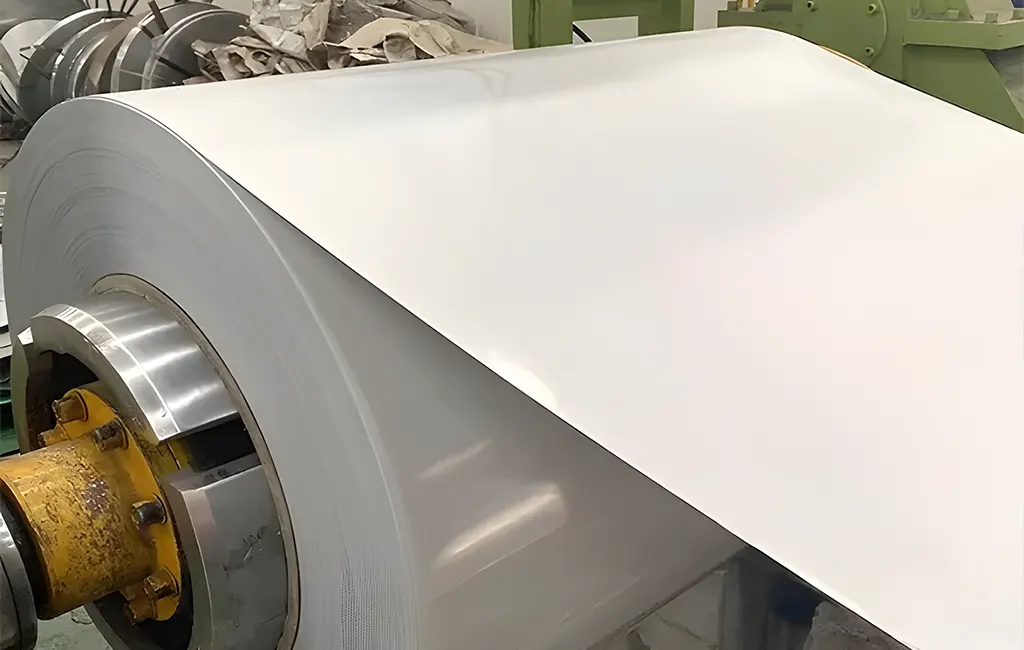
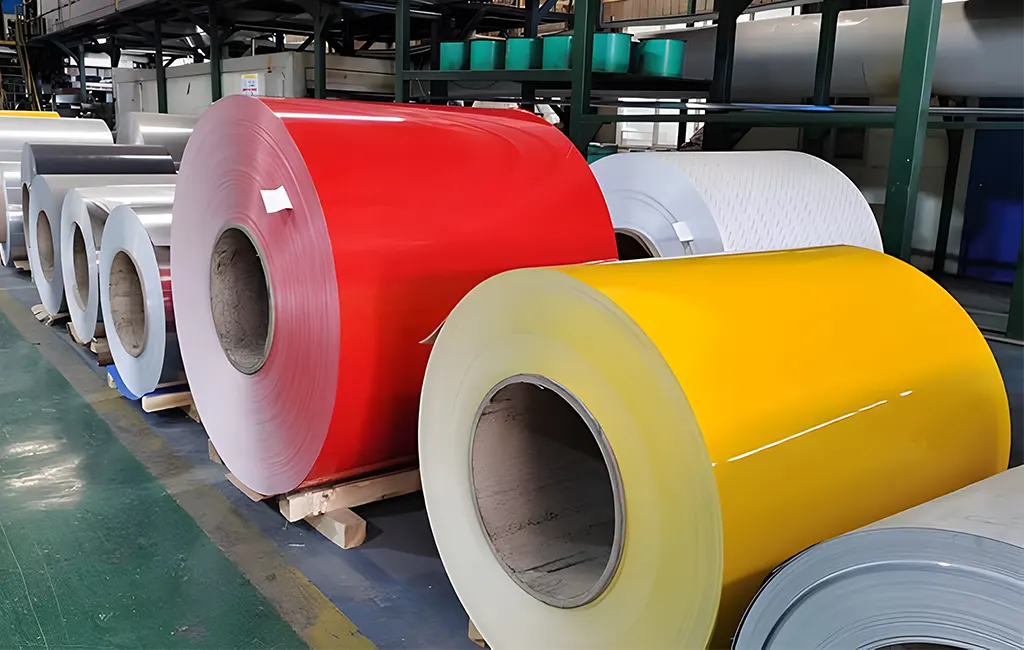
For color-coated aluminum to qualify for high-performance architectural, industrial, and exterior envelope applications, selected color finishes must comply with strict color retention, weatherability, and thermal performance parameters set by standards like AAMA 2605 and ISO 12206. Qualification is not determined by aesthetic preference, but by pigment chemistry (specifically inorganic metal oxide pigments) and thermal reflectivity. Qualifying colors must maintain a color change threshold of ΔE ≤ 5.0 units after 10 years of South Florida exposure \[1\], achieve a minimum Solar Reflectance Index (SRI) ≥ 78 for cool-roof compliance \[2\], and utilize a two-coat or three-coat Polyvinylidene Fluoride (PVDF) \[3\]system with a dry film thickness of 25μm to 35μm.
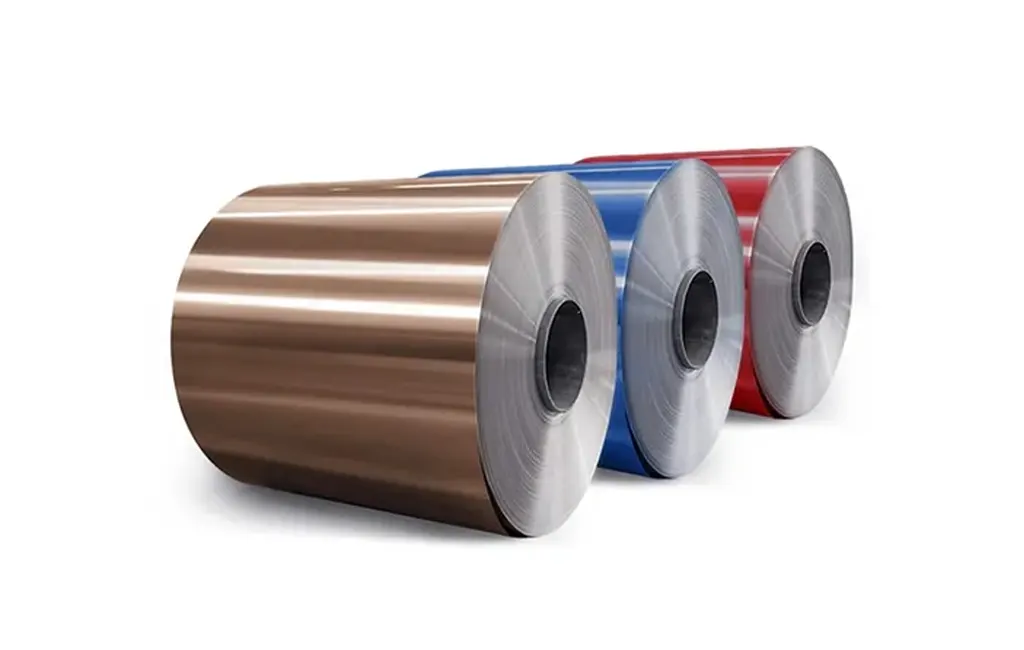
Technical Qualification Matrix: Architectural Coating Performance
The matrix below compares key qualification metrics for standardized color-coated aluminum finishes across technical parameters, pigment systems, and industry compliance testing:
| Finish Category / Color Code | Pigment Type | Coating System | Coating Thickness (μm) | 10-Yr Color Retention (ΔE) | Solar Reflectance Index (SRI) | Primary Standard Compliance | Typical Application |
|---|---|---|---|---|---|---|---|
| High-SRI Cool White | Inorganic Rutile TiO₂ | 2-Coat PVDF (70% resin) | 25 – 30 μm | ≤ 2.0 | ≥ 82 | AAMA 2605 / Energy Star | Commercial Roofing & Wall Cladding |
| Medium Earth Tones (Beige/Gray) | Mixed Metal Oxide (MMO) | 2-Coat PVDF | 25 – 30 μm | ≤ 3.0 | 55 – 75 | AAMA 2605 / ISO 12206 | Architectural Facades & Curtain Walls |
| Dark Metallic Bronze / Black | Complex Inorganic Color Pigments (CICP) | 3-Coat PVDF (w/ Clear Coat) | 35 – 45 μm | ≤ 5.0 | 29 – 45 | AAMA 2605 / Qualicoat Class 3 | High-Rise Exterior Frames & Louvers |
| Standard Polyester Colors | Organic / Standard Synthetic | 2-Coat PE / SMP | 18 – 22 μm | > 10.0 (Non-qualifying for AAMA 2605) | 20 – 50 | AAMA 2603 / GB/T 5237.5 | Indoor Ceilings & Temporary Signage |
Chemical Criteria: Pigment Selection and Resin Matrices
To achieve qualification under AAMA 2605-20 specifications, the pigment formulation of a color finish must resist UV-induced photodegradation, chalking, and chemical oxidation.
- Inorganic Pigment Systems: Qualifying colors rely on Complex Inorganic Color Pigments (CICPs) and Mixed Metal Oxides (MMO) such as cobalt aluminate blue or chrome iron nickel black, rather than organic dye alternatives. Organic pigments bond weakly when exposed to ultraviolet radiation, leading to rapid chalking (ASTM D4214 rating below 8) and significant color fading within 3 to 5 years.
- Resin Binder Integrity: The resin base must consist of at least 70% PVDF resin combined with 30% acrylic binder. This fluoropolymer structure provides strong carbon-fluorine (C-F) bonds \[3\], protecting the color pigments from chalking, chemical exposure, and atmospheric pollutant breakdown over extended service life.
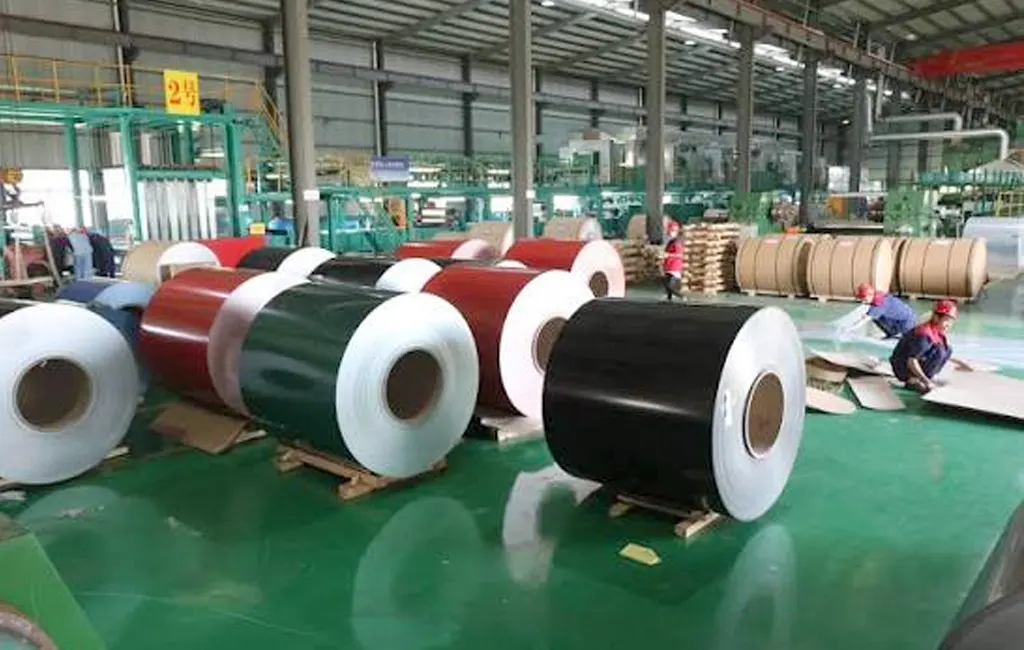
Thermal and Environmental Metrics for Color Qualification
Color qualification for green building directives (LEED v4) and urban heat island mitigation requires precise Solar Reflectance (SR) and Thermal Emittance (TE) performance, summarized by the Solar Reflectance Index (SRI) calculated per ASTM E1980 \[2\]
Cool Roof Qualification Metrics
- Light and Bright Colors: Shades like Off-White, Bone White, and Light Slate easily achieve an SRI ≥ 78, reflecting up to 80% of solar radiation. This performance lowers roof surface temperatures by up to 25°C compared to standard dark coatings, reducing HVAC cooling loads in industrial structures.
- IR-Reflective Dark Pigments: Darker shades (e.g., Charcoal Gray, Matte Black, Forest Green) can qualify as cool colors only when formulated with specialized Infrared (IR) reflective pigments. These pigments reflect invisible infrared light (700–2500 nm wavelength) while absorbing visible light, allowing dark-coated panels to achieve an SRI > 29 while preserving deep aesthetic tones.
References
[1] High Performance Coatings. Understanding AAMA 2605 Standards for High Performance Coatings[EB/OL]. 2025-08-27.
[2] ASTM International / ASTM E1980. Standard Practice for Calculating Solar Reflectance Index of Horizontal and Low-Sloped Opaque Surfaces[EB/OL]. 2019-01-01.
[3] Wikipedia. Polyvinylidene fluoride[EB/OL]. 2026-03-15.