
Classification of Color-Coated Aluminum Coils by Coating Chemistry
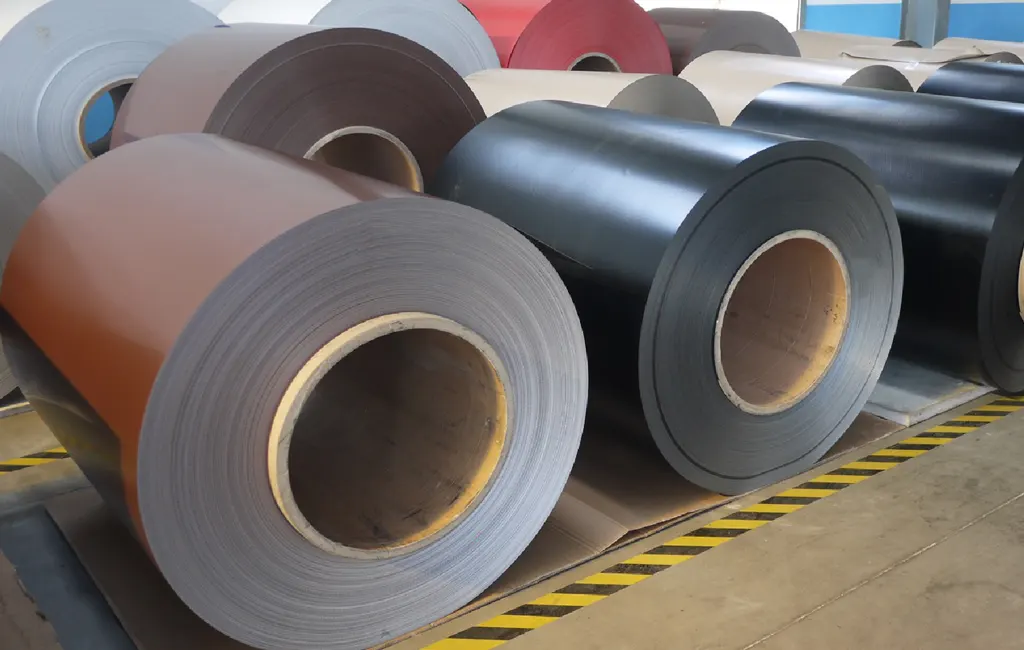
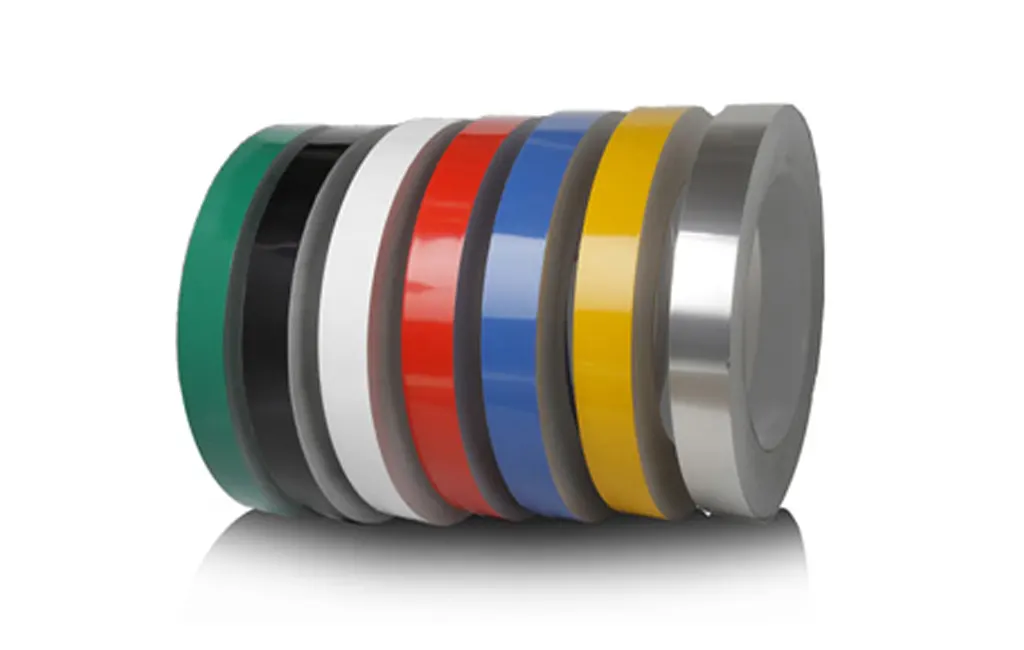
Color-coated aluminum coils are primarily categorized by the chemical formulation of their surface coatings. Each polymer matrix delivers distinct levels of ultraviolet (UV) resistance, chemical stability, and mechanical flexibility.
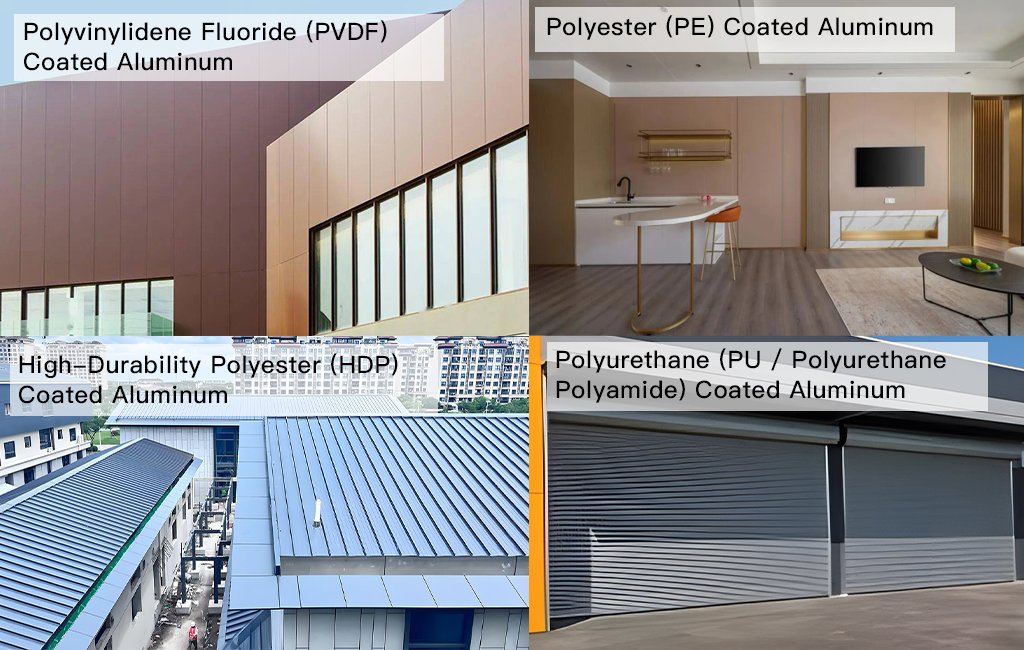
Polyvinylidene Fluoride (PVDF) Coated Aluminum
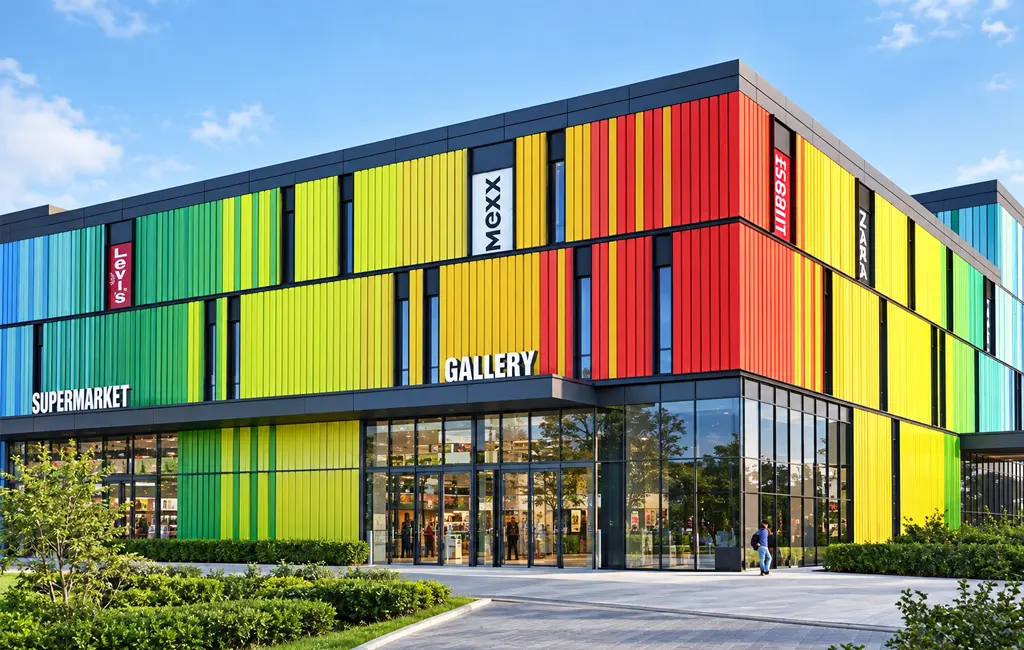
PVDF coatings consist of a fluoropolymer resin matrix (typically 70% PVDF combined with 30% acrylic). This chemical structure features highly stable carbon-fluorine bonds, providing exceptional resistance to UV degradation, chalking, and chemical attack. PVDF-coated coils strictly adhere to AAMA 2605 specifications, maintaining over 85% color retention after 10–20 years of severe outdoor exposure. They serve as the industry standard for high-end commercial curtain walls, architectural facades, and roofing systems in high-radiation or coastal environments.
Polyester (PE) Coated Aluminum
PE coatings utilize high-molecular-weight polyester resins. They offer excellent film hardness, superior high-gloss finishes, and high cost-efficiency, meeting AAMA 2603 or ISO 12206 standards depending on formulation. While highly formable and versatile, PE coatings offer lower UV resistance compared to PVDF, making them ideal for interior decorative panels, ceilings, signage, and exterior applications in moderate climates.
High-Durability Polyester (HDP) Coated Aluminum
HDP coatings use hydroxyl-functionalized polyester resins combined with highly durable co-polymers and inorganic ceramic pigments. This modification bridges the performance and cost gap between PE and PVDF. HDP provides enhanced weatherability and UV resistance (AAMA 2604 compliance), making it highly suitable for industrial roofing and exterior cladding in regions with high solar radiation.
Polyurethane (PU / Polyurethane Polyamide) Coated Aluminum
PU coatings often incorporate polyamide particles (PUR-PA) to create a textured, highly wear-resistant surface. These coatings exhibit exceptional scratch resistance, surface hardness, and flexibility, making them highly effective for roller shutter doors, interior partitions, and transport vehicle bodies where mechanical friction is common.
Technical Parameter Comparison Matrix
The following structural data matrix contrasts the performance metrics and structural specifications of the primary color-coated aluminum coil variants based on global standard testing:
| Parameter / Metric | PVDF Coating | HDP Coating | PE Coating | PUR-PA Coating |
| Base Aluminum Alloys | 3003, 3004, 5052 | 3003, 3004, 3105 | 1100, 3003, 3105 | 3003, 5052 |
| Standard Coating Thickness | 25 – 35 μm (2/3-coat) | 20 – 25 μm (2-coat) | 15 – 20 μm (1/2-coat) | 20 – 30 μm |
| AAMA Standard Compliance | AAMA 2605-20 | AAMA 2604 | AAMA 2603 | EN 1396 / ISO 12206 |
| Salt Spray Resistance | ≥ 3000 Hours (ASTM B117) | ≥ 1500 Hours | ≥ 1000 Hours | ≥ 2000 Hours |
| UV Resistance (QUV-A) | ≥ 3000 Hours (ΔE ≤ 5) | ≥ 2000 Hours (ΔE ≤ 5) | ≥ 1000 Hours | ≥ 1500 Hours |
| Gloss Range (60° Meter) | 20% – 40% (Matte/Satin) | 20% – 80% | 10% – 90% (High Gloss) | 10% – 40% (Textured) |
| T-Bend Flexibility | ≤ 2T (No cracking) | ≤ 2T | ≤ 1T | ≤ 1.5T |
| Max Service Temp | 120°C | 100°C | 80°C | 90°C |
Classification by Base Aluminum Alloy Series
The mechanical behavior, structural capacity, and corrosion profile of a pre-painted coil depend directly on the underlying aluminum alloy substrate.
1xxx Series Coils (Pure Aluminum)
Composed of ≥ 99.00% aluminum (e.g., Alloy 1100, 1050, 1060). These coils exhibit maximum electrical and thermal conductivity, excellent workability, and high corrosion resistance. However, their yield strength is relatively low. They are primarily coated for use in decorative light fixtures, chemical equipment components, and heat exchanger fins.
3xxx Series Coils (Aluminium-Manganese Alloys)
Alloyed primarily with manganese (e.g., Alloy 3003, 3004, 3105), this series provides roughly 20% higher mechanical strength than the 1xxx series while maintaining excellent deep-drawing workability and weldability. 3xxx series coils serve as the backbone of the global color-coated aluminum market, widely rolled into corrugated roofing sheets, composite panels (ACP), and rain gutter systems.
5xxx Series Coils (Aluminium-Magnesium Alloys)
Utilizing magnesium as the primary alloying element (e.g., Alloy 5052, 5754), these substrates deliver exceptionally high tensile strength, superior fatigue resistance, and outstanding corrosion resistance in marine and industrial alkaline environments. Coated 5xxx coils are widely specified for ship building, transportation tankers, high-load architectural components, and premium appliance casings.
Classification by Surface Finish and Texturing
Modern continuous coil coating lines can modify the physical topography and visual texture of the coated layer to fulfill specialized structural and aesthetic requirements.
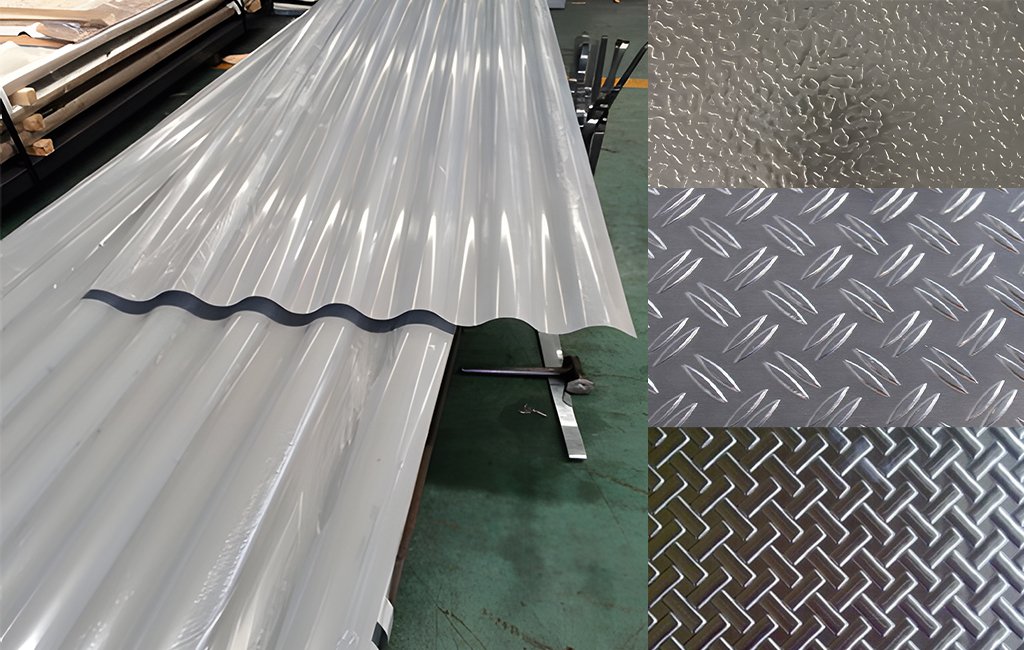
- Embossed Color Coated Coils: The aluminum substrate undergoes mechanical deformation via engraving rollers before or after coating, producing patterns such as stucco, diamond, or orange peel. This process increases structural rigidity, diffuses light reflection to eliminate glare on large facades, and masks minor scratches during installation.
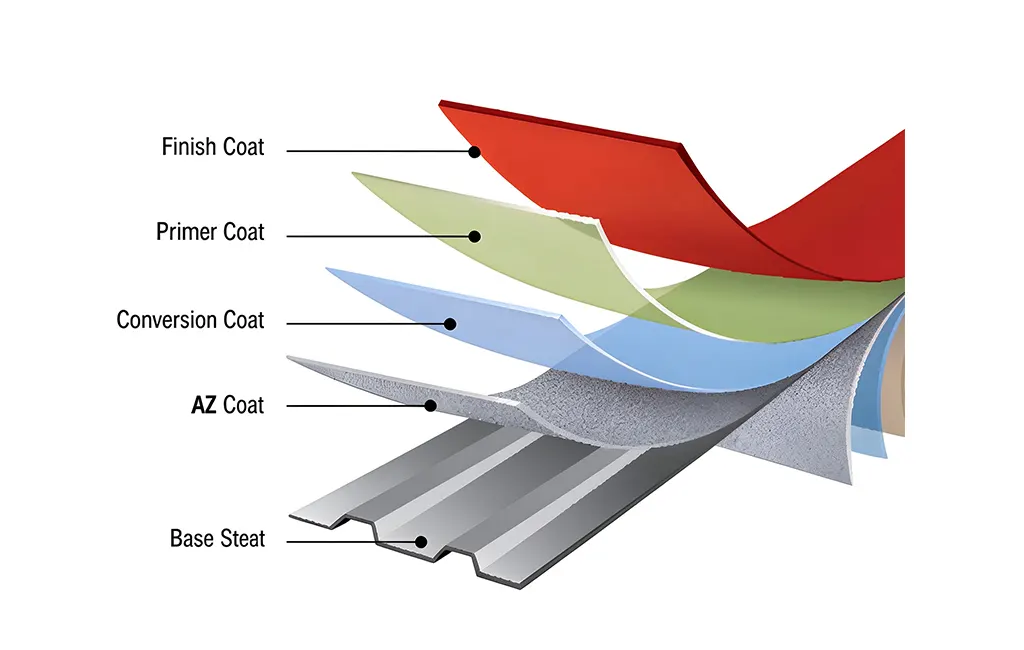
- Printed / Patterned Coils: Utilizing multi-stage gravure printing technology, continuous lines apply realistic wood grain, brick, marble, or camo patterns onto a base primer, sealed under a highly durable PVDF or HDP clear coat. This provides the aesthetic of natural materials with the lightweight, recyclable, and weather-resistant benefits of aluminum.
- Functional Smart Coatings:
- Cool Roof Coatings: Formulated with infrared-reflective (IR) ceramic pigments to lower surface temperatures and reduce building HVAC energy consumption.
- Anti-Static Coatings: Specially engineered for cleanrooms and electronics facilities to dissipate static charges and prevent dust accumulation.
- Self-Cleaning (Hydrophilic) Coatings: Formulated with a photocatalytic layer that uses rainwater to easily wash away surface pollution and carbon soot.