
Direct Technical Integration of Color-Coated Aluminum Coils in Sandwich Panel and ACP Manufacturing
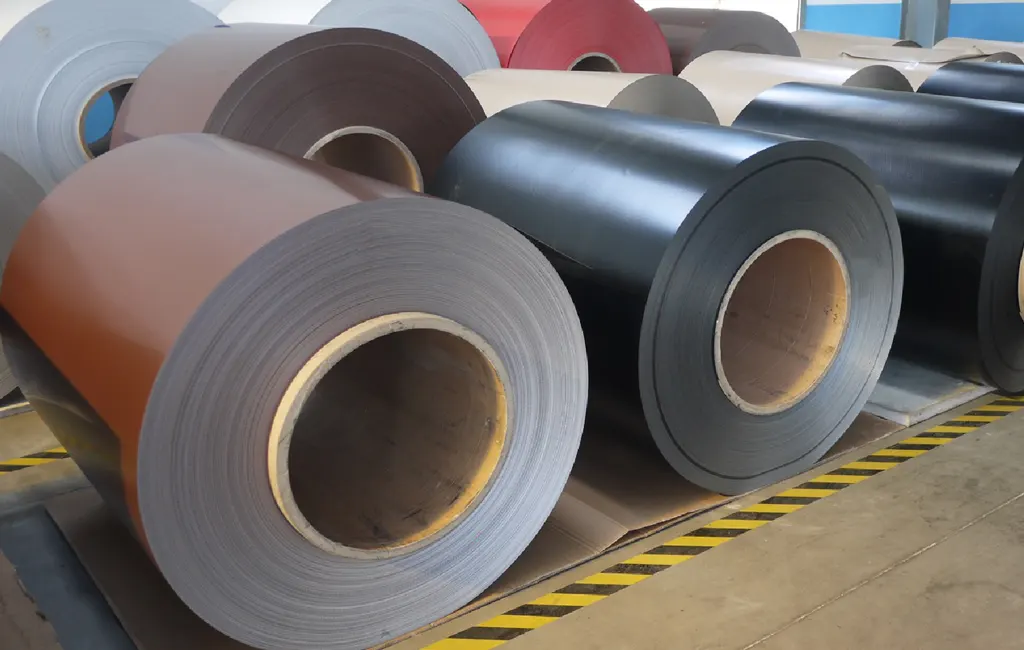
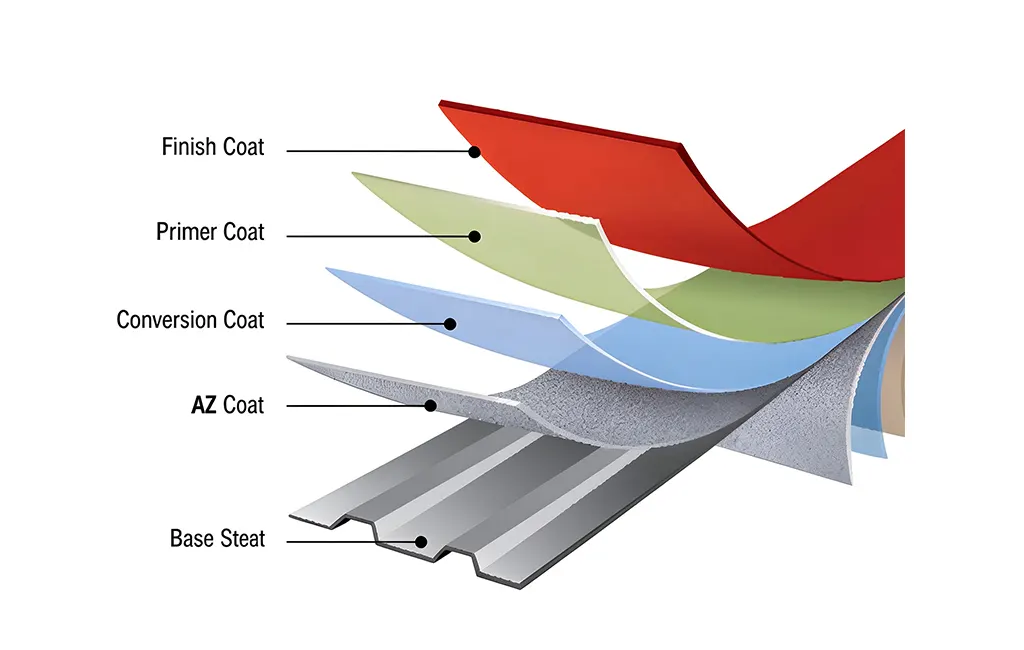
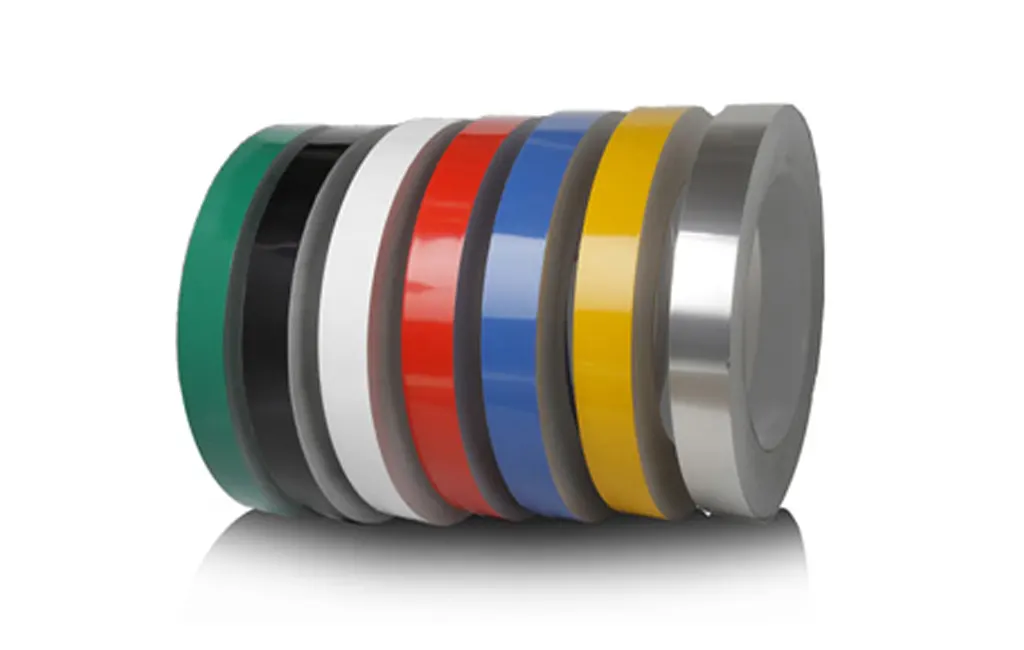
Yes, color-coated aluminum coils are the industry-standard skin material for high-end Sandwich Panels and Aluminum Composite Panels (ACP). In sandwich panel production (often featuring Polyurethane/PIR or Mineral Wool cores), continuous pre-coated aluminum coils provide the necessary tensile strength, corrosion resistance, and barrier properties. For ACP manufacturing, two layers of color-coated aluminum are chemically and thermally bonded to a polyethylene (PE) or fire-retardant (FR) mineral core. To withstand the continuous roll-forming and thermal bonding processes without coating delamination or micro-cracking, these coils must adhere to strict metallurgical and coating specifications, typically utilizing 3003 or 5052 aluminum alloys paired with PVDF or High-Durability Polyester (HDP) coatings.
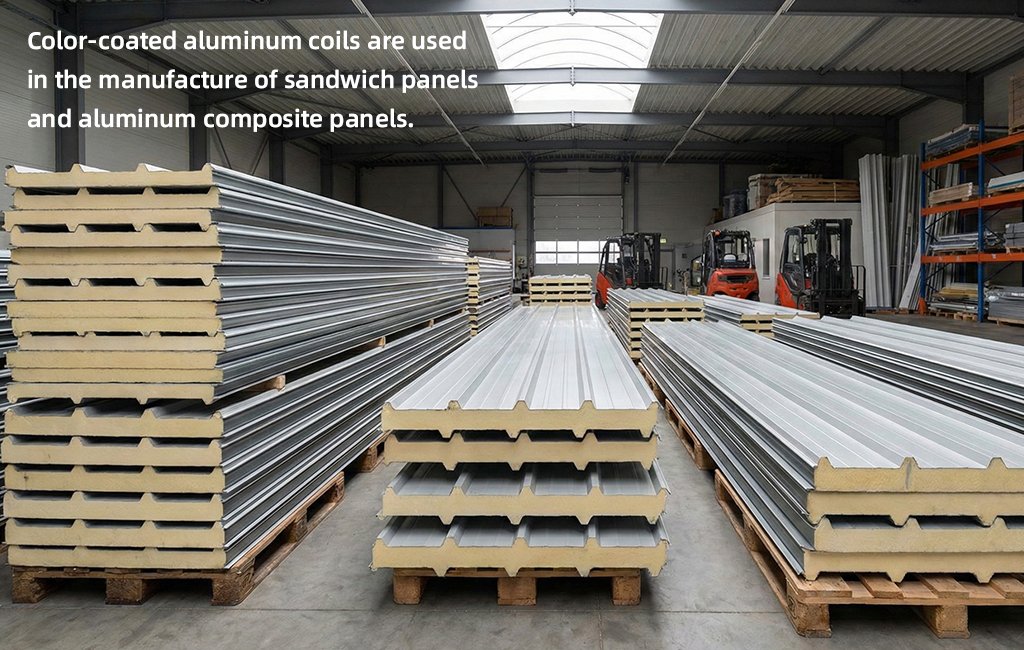
Technical Parameter Matrix for Composite Panel Applications
The table below outlines the material specifications required for color-coated aluminum coils when integrated into sandwich panel and ACP production lines:
| Application Type | Recommended Alloy Grade | Primary Coating Type | Top Coat Thickness (μm) | Salt Spray Resistance (ASTM B117) | UV Resistance (Delta E / ΔE) | Typical End-Use Scenario |
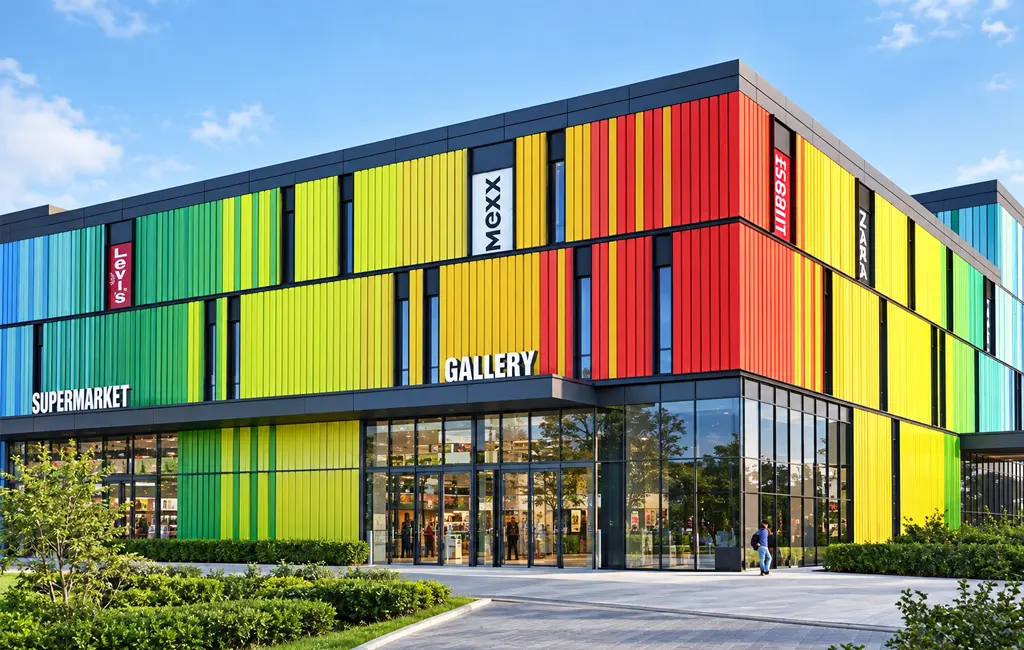
| Architectural ACP | AA3003-H24 / AA5052-H32 | PVDF (2-Coat / 3-Coat) | 25 – 35 | ≥3000 Hours | ≤5 after 10 years (AAMA 2605) | High-rise curtain walls, commercial facades |
| Signage & Interior ACP | AA1100-H14 / AA3003-H16 | Polyester (PE) | 15 – 18 | ≥1000 Hours | N/A (Interior optimized) | Corporate branding, interior partitioning |
| Cold Storage Sandwich Panels | AA3003-H14 | Food-Safe HDP / PVDF | 20 – 25 | ≥2000 Hours | ≤5 after 5 years | Food processing plants, cold chain logistics |
| Roofing Sandwich Panels | AA3003-H24 / AA5754-H22 | PVDF / Polyurethane (PU) | 25 – 30 | ≥4000 Hours (Industrial) | ≤5 after 10 years | Industrial warehouses, coastal infrastructure |
Performance Optimization of Color Aluminum in ACP Production
Thermal Laminating Mechanics
In Aluminum Composite Panel (ACP) manufacturing, the color-coated aluminum coil is uncoiled and continuously fed into a laminating press along with the extruded core layer. Because the core bonding temperature often ranges between 140℃ and 180℃, the coating system must possess high thermal stability.
Coating Integrity Under Thermal Stress
Standard Polyvinylidene Fluoride (PVDF) systems easily withstand these processing windows without experiencing color shifting, gloss degradation, or loss of adhesion. The formulation relies on a 70/30 resin ratio (70% PVDF fluorocarbon resin combined with 30% acrylic resin), meeting AAMA 2605 specifications. This molecular structure ensures that the topcoat maintains its color fastness and high gloss retention even after exposure to extreme mechanical stretching and thermal loads during co-extrusion.
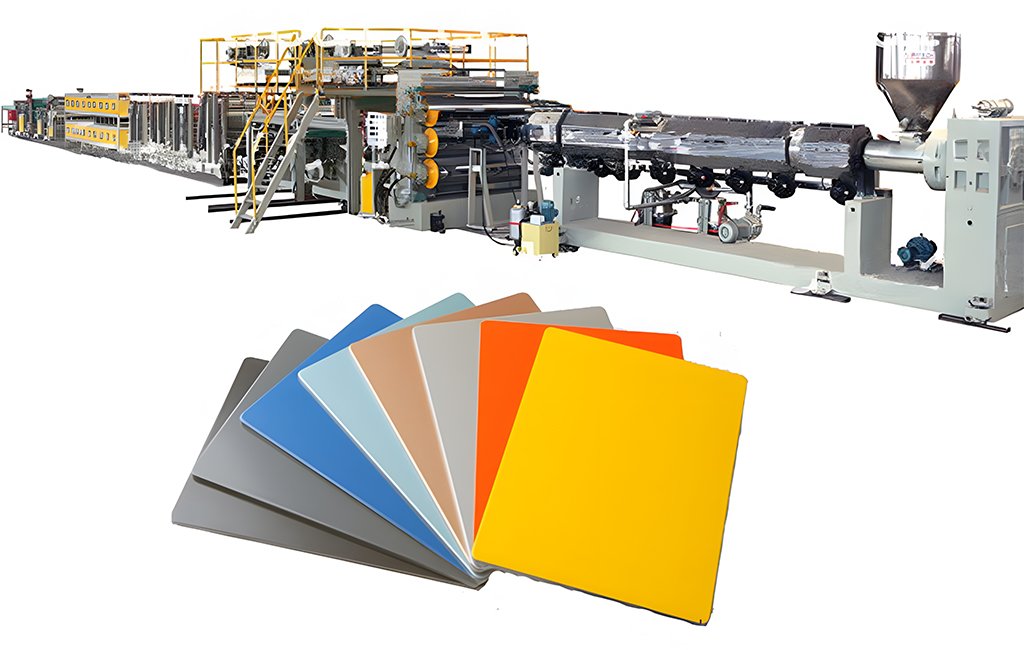
Technical Advantages of Color Aluminum in Sandwich Insulation Panels
Core Adhesion and Interfacial Integrity
Continuous sandwich panel lines (utilizing rigid polyurethane foam, polyisocyanurate, or mineral wool) present a different engineering challenge: achieving uniform interfacial adhesion.
The Back-Coat Solution: The back-coat applied to the color-coated aluminum coil acts as a chemical coupling agent. When the liquid PIR/PUR formulation is injected between the top and bottom aluminum skins, it undergoes an exothermic polymerization reaction.
Corrosion Prevention: A high-quality epoxy back-coat ensures that the expanding foam forms a permanent, gap-free bond with the metal. This eliminates internal moisture condensation, a primary catalyst for blistering and internal substrate corrosion.
Structural Longevity: Furthermore, using AA3003-H24 color aluminum instead of galvanized steel yields a finished panel that is significantly lighter, possesses superior corrosion resistance in industrial environments (complying with ISO 12206 Category C4/C5), and delivers an extended building envelope lifespan with virtually zero maintenance overhead.