
Yes, Color-Coated Aluminum Is an Industry Standard for Insulation Jacketing
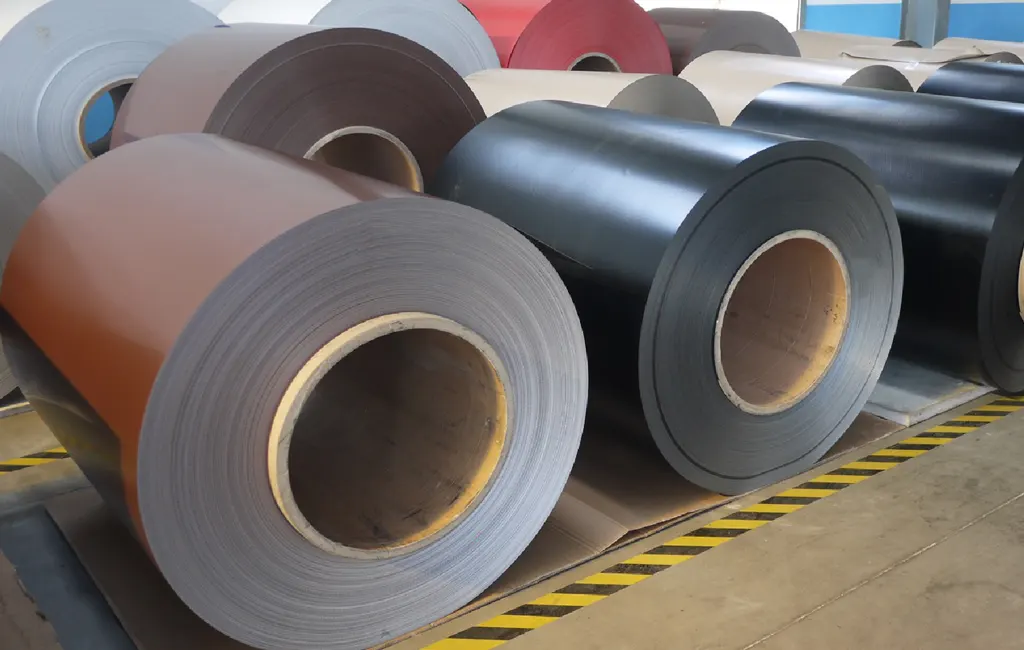
Color-coated aluminum coil and sheet are highly effective and widely used as insulation jacketing (also known as cladding) in industrial, commercial, and residential construction. Its primary role is to act as a protective outer shell over delicate core insulation materials—such as mineral wool, polyisocyanurate (PIR), fiberglass, or polyurethane foam—shielding them from mechanical damage, water ingress, UV degradation, and corrosive environments.
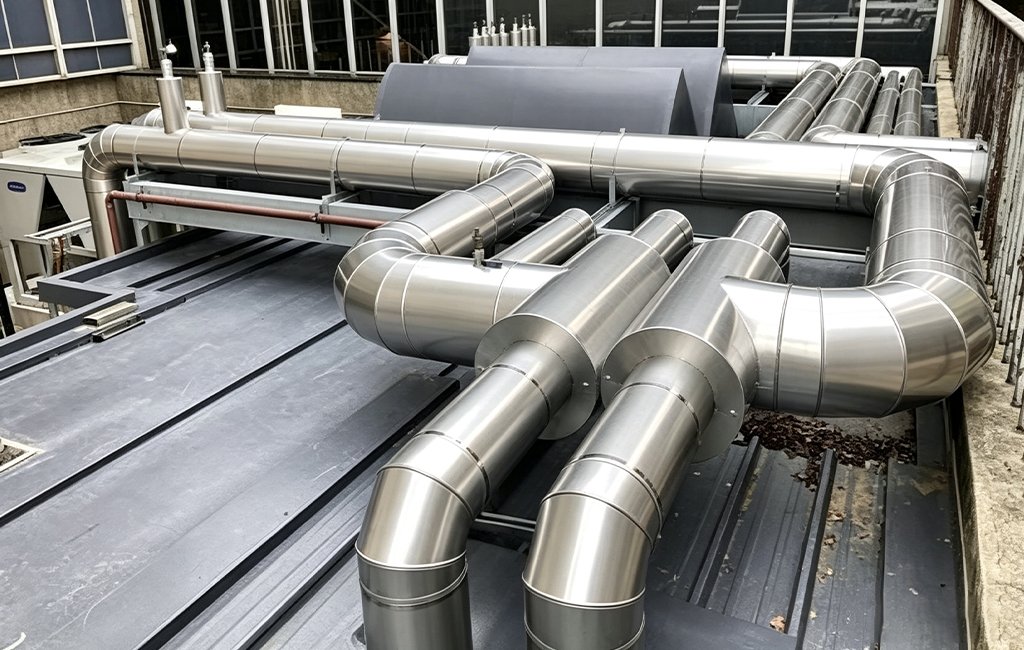
Technical Performance Requirements for Insulation Jacketing
When utilizing color-coated aluminum for insulation jacketing, the material must meet specific mechanical and thermal benchmarks to ensure the underlying insulation remains completely dry and functional.
| Performance Metric | Standard Requirement | Engineering Purpose |
| Alloy & Temper | AA3003, AA3105, or AA1060 (H14/H24) | Provides the optimal balance of structural rigidity and manual formability around curves. |
| Common Thickness (Gauge) | 0.4 mm to 1.0 mm (0.016″ to 0.040″) | Balances weight considerations with impact resistance against wind-driven debris or foot traffic. |
| Emittance Value (ε) | 0.80 to 0.90 (Painted/Color-Coated) | Highly efficient at radiating heat; vastly superior to bare aluminum (ε ≈ 0.05). |
| Moisture Barrier Type | Polysurlyn Moisture Barrier (PSMB) | A 3-layer co-extruded film laminated to the interior side to eliminate galvanic corrosion. |
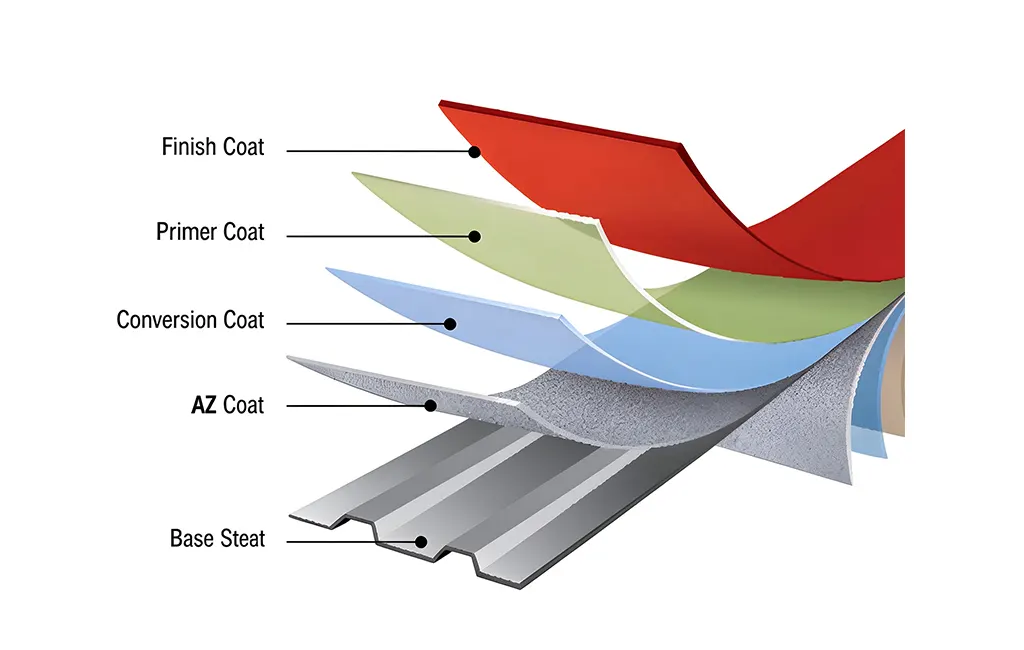
| Coating Systems | Polyurethane (PU) or High-Durability Polyester (HDP) | Offers scratch resistance, chemical protection, and UV stability. |
Engineering Advantages of Color-Coated Aluminum Jacketing
1. Superior Thermal Efficiency (High Emittance)
While bare, polished aluminum has very low emittance (meaning it holds onto heat and radiates it poorly), color-coated aluminum has a high emittance rating (ε ≈ 0.85). In outdoor pipe networks or commercial ductwork, high emittance allows the jacketed system to dissipate radiant heat effectively, lowering the outer surface temperature and reducing the risk of burn injuries to maintenance staff (“touch safety”).
2. Mitigation of Under-Insulation Corrosion (CUI)
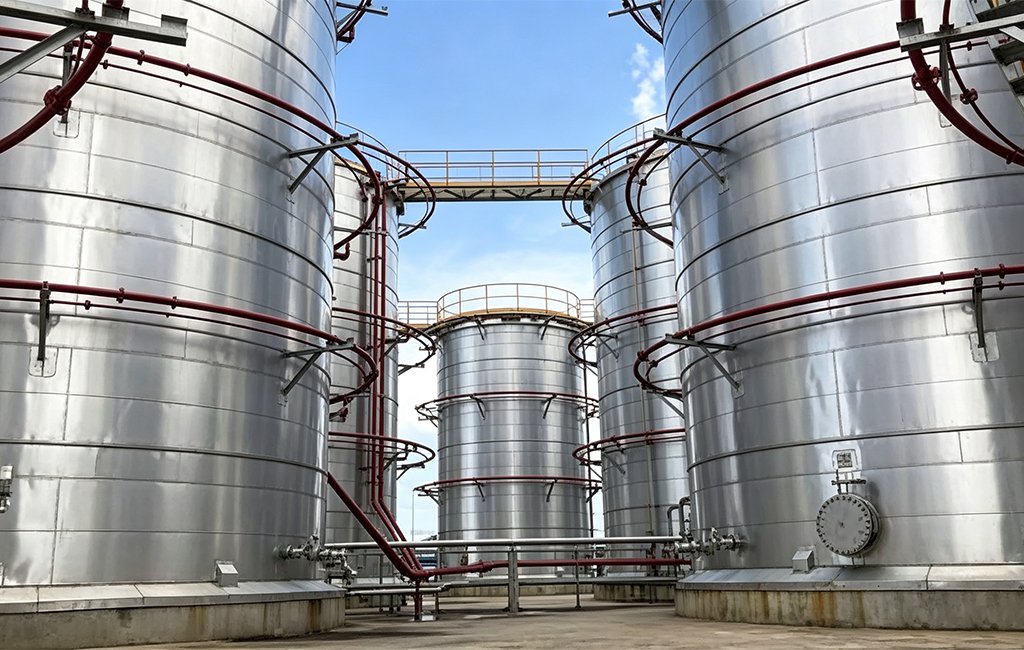
Corrosion Under Insulation (CUI) is a catastrophic failure mode caused by water trapping against the metal pipe or vessel. Color-coated jacketing provides a seamless, impermeable barrier against heavy rain, snow, and industrial washdowns.
Critical Addition: The Polysurlyn Moisture Barrier (PSMB)
For insulation jacketing, the interior side of the aluminum coil must be factory-laminated with a 3-mil thick Polysurlyn film. This prevents any moisture absorbed by the insulation from contacting the backside of the aluminum, totally eliminating galvanic or pitting corrosion.
3. Chemical and Environmental Resistance
In industrial zones, oil refineries, and marine environments, bare aluminum can oxidize or suffer from alkaline/acidic pitting. Coating the aluminum with a specialized primer and topcoat (such as HDP or PVDF) guarantees resistance against:
- Salt spray and high-salinity coastal air
- Chemical fumes (sulfur dioxide, ammonia)
- Acid rain and intense UV exposure
4. Aesthetic Integration and Color Coding
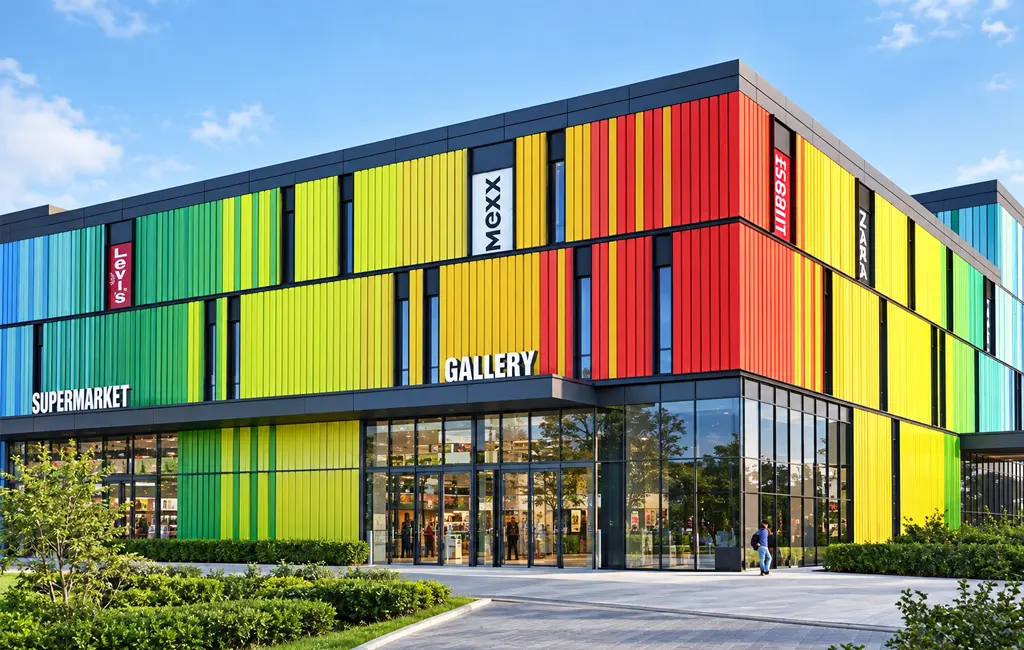
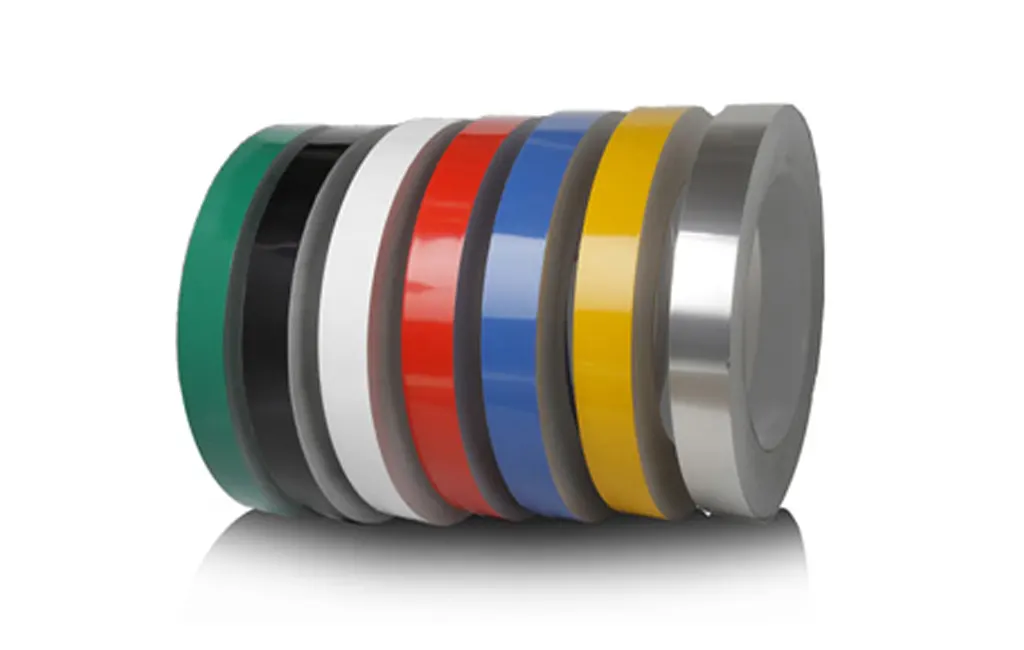
In commercial HVAC architecture and large-scale industrial plants, color coating serves a dual purpose. It allows architectural integration with the building’s exterior design and acts as a visual safety mechanism. For example, lines jacketed in specific colors can instantly denote hot water, chilled glycol, steam, or hazardous chemicals.