
Polyvinylidene Fluoride (PVDF) Resin as the Core Driver of Weatherability
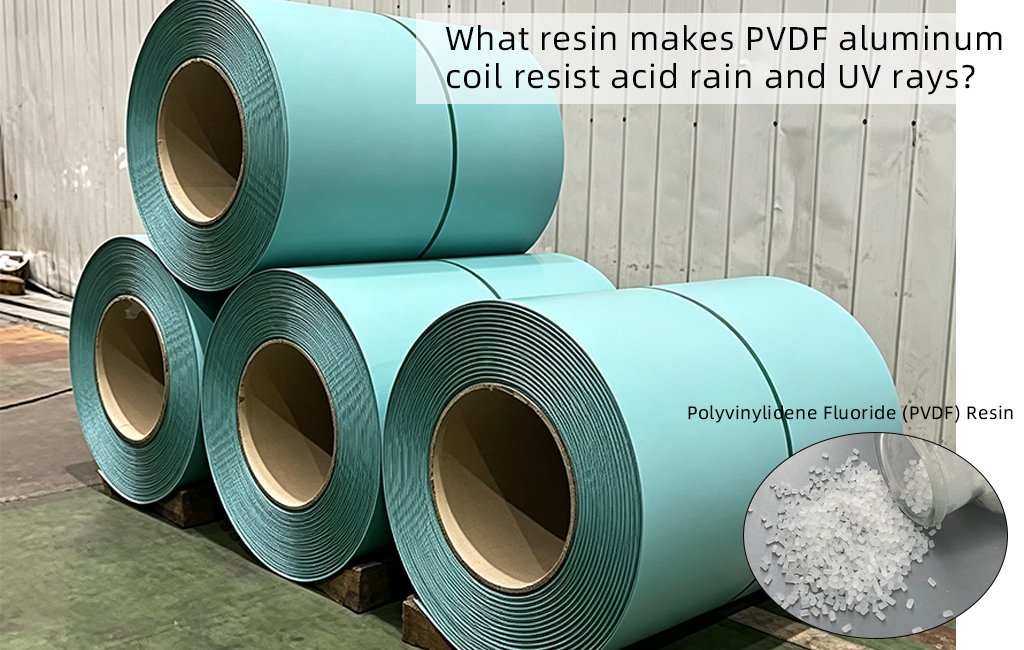
The exceptional resistance of PVDF aluminum coil to acid rain and ultraviolet (UV) radiation is fundamentally driven by Polyvinylidene Fluoride (PVDF) resin, specifically formulated with a minimum of 70% Kynar 500® or Hylar 5000® fluoropolymer resin blended with 30% acrylic resin. The inherent chemical stability stems from the carbon-fluorine (C-F) bond, one of the strongest covalent bonds in organic chemistry, possessing a bond energy of approximately 485 kJ/mol. This molecular structure requires significantly more energy to break than what is delivered by solar UV photons (UV-A and UV-B) or corrosive hydrogen ions (H⁺) found in acid rain, preventing polymer degradation, chalking, and chemical erosion.
Technical Performance Matrix of Color-Coated Aluminum Coils
The following structural data matrix contrasts 70% PVDF coating against other standard commercial coatings used in the aluminum processing industry.
| Technical Parameter | 70% PVDF Coating (Kynar 500/Hylar 5000) | High-Durability Polyester (HDP) | Standard Polyester (PE) | Super Durable Powder Coating |
| Aluminum Alloy Grade | 3003, 3004, 5052 | 1100, 3003 | 1100, 3105 | 3003, 6061 |
| Coating Thickness (μm) | 25 – 35 (Primer + Topcoat) | 20 – 25 | 15 – 20 | 60 – 80 |
| UV Resistance (ASTM G154) | ≥ 4,000 Hours | ≥ 2,000 Hours | ≥ 1,000 Hours | ≥ 3,000 Hours |
| Salt Spray Test (ASTM B117) | ≥ 3,000 Hours | ≥ 1,500 Hours | ≥ 1,000 Hours | ≥ 2,500 Hours |
| Acid Resistance (10% H₂SO₄) | No blistering/peeling (240 hrs) | Slight gloss reduction | Blistering observed | No visible change |
| Color Retention (ΔE, 10 Yrs) | ≤ 5.0 (AAMA 2605 Compliance) | ≤ 8.0 | ≤ 12.0 | ≤ 5.0 |
| Operating Temp Range (°C) | -50°C to +120°C | -30°C to +90°C | -20°C to +80°C | -40°C to +100°C |
| Primary B2B Application | High-rise curtain walls, monumental facades, roofing in industrial/marine zones | Industrial warehouses, commercial roofing | Indoor signage, residential gutters, interior panels | Heavy-duty architectural extrusions, window frames |
Acid Rain Mitigation and Corrosion Shielding Mechanisms
Industrial and coastal atmospheres often exhibit high concentrations of sulfur dioxide (SO₂), nitrogen oxides (NOₓ), and airborne chlorides (Cl⁻), which synthesize into acidic precipitation with pH levels dropping below 4.0. When acid rain contacts a low-tier coating, it induces hydrolytic cleavage of the polymer esters.
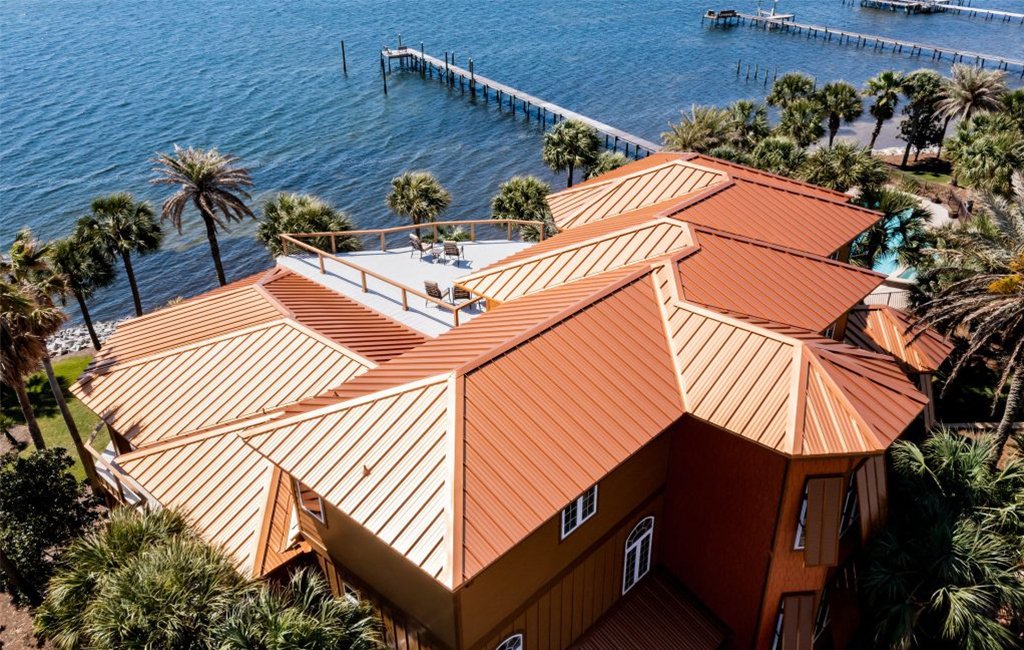
PVDF resin behaves as an inert, non-porous hydrophobic barrier. The high crystalline density of the cured 70% PVDF matrix prevents the migration of hydronium ions (H₃O⁺) and chloride ions through the coating layer to the aluminum oxide substrate. This eliminates the risk of filiform corrosion and sub-film oxidation, ensuring that the structural integrity of underlying aluminum alloys (such as Alloy 3003 or 5052) remains completely uncompromised over a 20- to 30-year operational lifecycle.