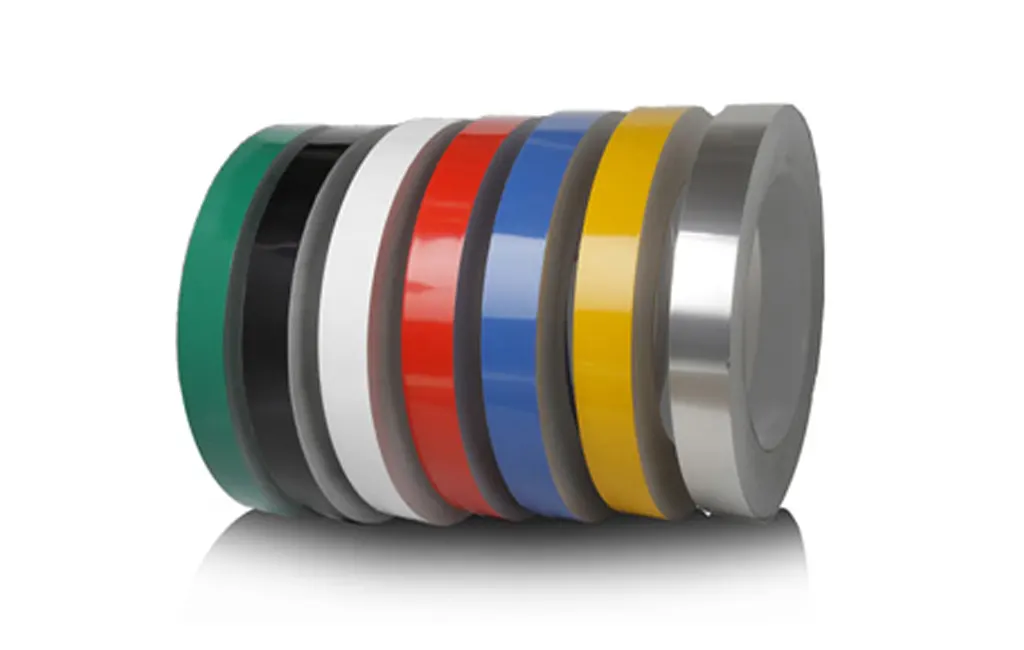
Application Differences: 1000 Series vs. 3000 Series Color-Coated Aluminum Coil
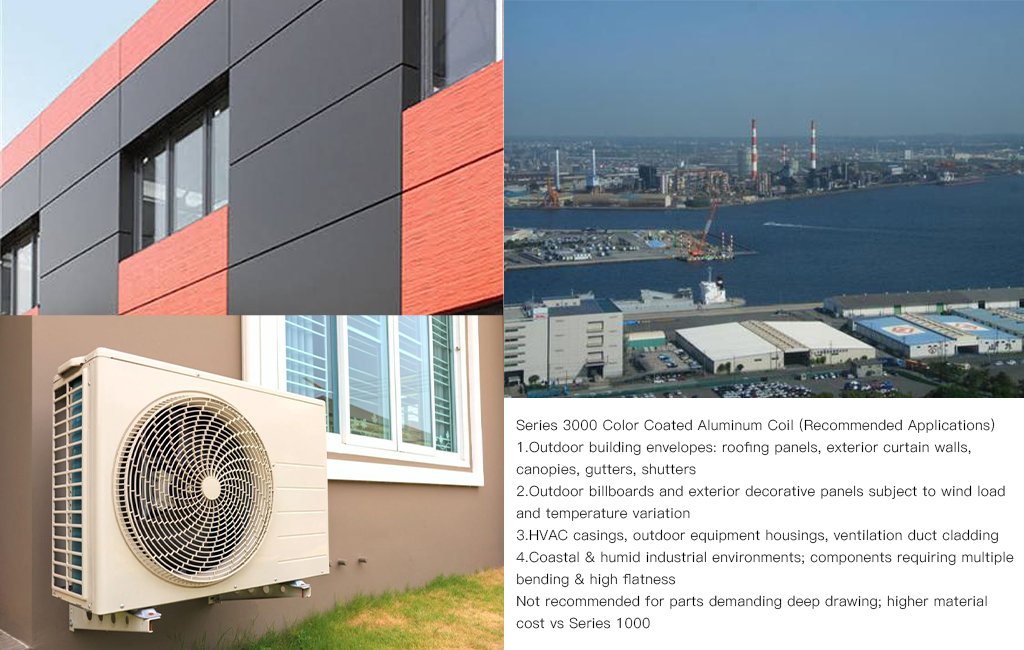
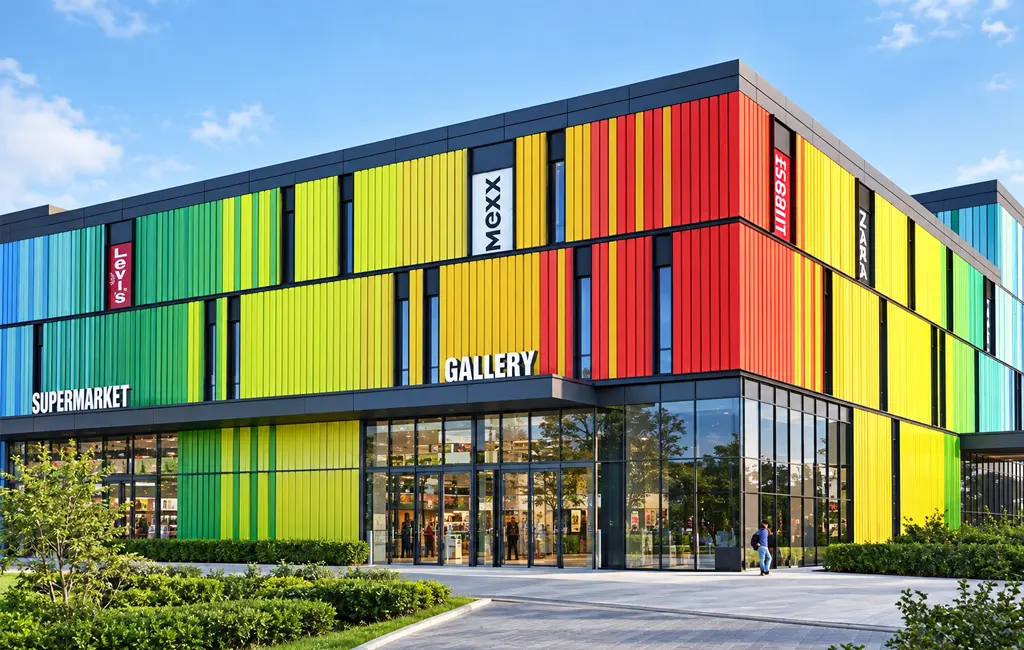
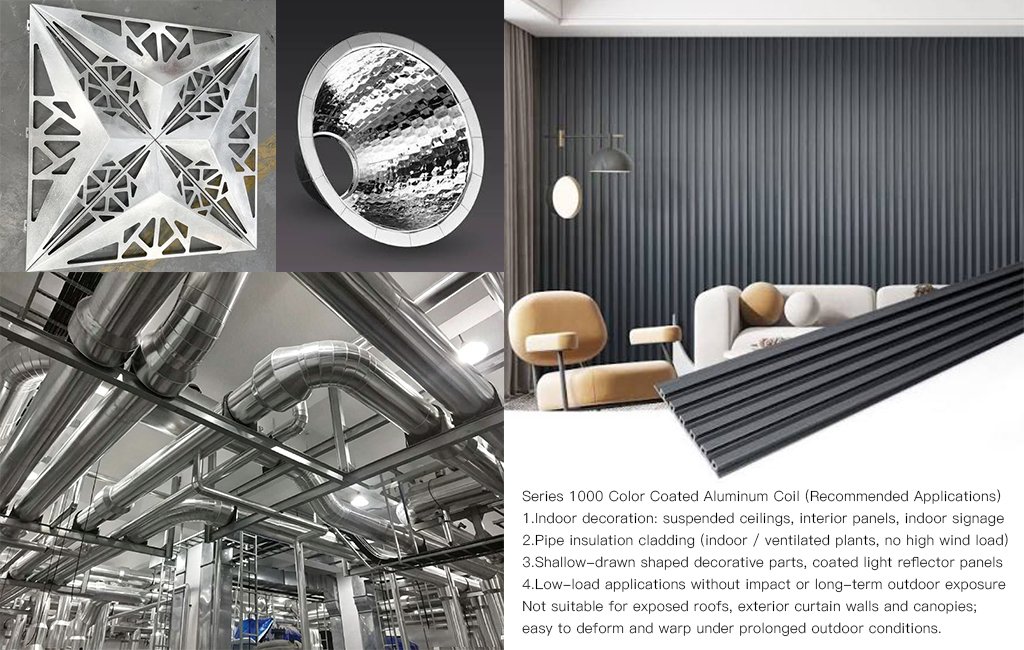
The primary application difference between 1000 series and 3000 series color-coated aluminum coils lies in their mechanical strength and structural integrity under load. 1000 series color aluminum (e.g., 1050, 1060, 1100) consists of greater than 99.0% pure aluminum, offering excellent electrical conductivity and extreme formability, but very low mechanical strength (σᵦ of 80–140 MPa); it is strictly applied in non-structural, highly flexible scenarios like interior ceilings, insulation jacketings, and light-gauge signage. Conversely, 3000 series color aluminum is alloyed with manganese (Al-Mn alloy system, e.g., 3003, 3004, 3105), which increases structural strength by 20% to 40% (σᵦ of 140–220 MPa) while maintaining excellent corrosion resistance; it serves as the industry standard for exterior architectural applications subjected to wind loads, such as roofing, sandwich panels, gutter systems, and exterior curtain wall cladding.
Technical Parameter Comparison Matrix
The following structural data matrix contrasts the technical specifications and performance limits of 1000 series and 3000 series color-coated aluminum coils.
| Technical Parameter | 1000 Series Color-Coated Aluminum Coil | 3000 Series Color-Coated Aluminum Coil |
| Common Alloy Grades | 1050, 1060, 1100, 1200 | 3003, 3004, 3105 |
| Chemical Composition | Pure Aluminum (≥ 99.0% Al) | Aluminum-Manganese (0.8% – 1.5% Mn) |
| Tensile Strength (σᵦ, MPa) | 80 – 140 (Depending on temper) | 140 – 220 (Depending on temper) |
| Yield Strength (σ₀.₂, MPa) | 35 – 100 | 60 – 180 |
| Elongation Rate (A₅₀ₘₘ, %) | ≥ 20% (Excellent formability) | ≥ 10% – 15% (Moderate-high formability) |
| Typical Coating Options | Polyester (PE), Modified Polyester | Polyvinylidene Fluoride (PVDF), Polyurethane (PU) |
| Coating Thickness (μm) | 15 – 20 (Single/Double coat) | 25 – 35 (2-coat / 3-coat systems) |
| Salt Spray Resistance (ASTM B117) | ≥ 1,000 Hours | ≥ 3,000 Hours (Chromated substrate) |
| Wind Load Resistance | Poor (Prone to oil-canning/deformation) | Excellent (Suited for structural exterior skins) |
| Primary B2B Applications | ACP backing sheets, thermal insulation wraps, indoor ceiling tiles, corporate signage | Architectural roofing, commercial facades, deep-drawn gutters, roller shutter doors |
Deep-Dive Analysis of Core Product Series
1000 Series Color Aluminum: Pure Aluminum with High Formability
The 1000 series color-coated aluminum coil represents unalloyed commercial pure aluminum. Because it lacks significant alloying elements, it cannot be hardened by heat treatment; it relies exclusively on strain hardening (work hardening, e.g., H14, H24 tempers) to achieve minor strength adjustments.
The defining structural benefit of 1000 series color aluminum is its high ductility and superior workability. When coated with a flexible Polyester (PE) finish, it allows for severe stamping, roll-forming, and bending without experiencing coating delamination or substrate splitting. However, because its yield strength is exceptionally low, it lacks the rigidity needed to resist deflection under external forces.
3000 Series Color Aluminum: The Manganese-Alloyed Architectural Workhorse
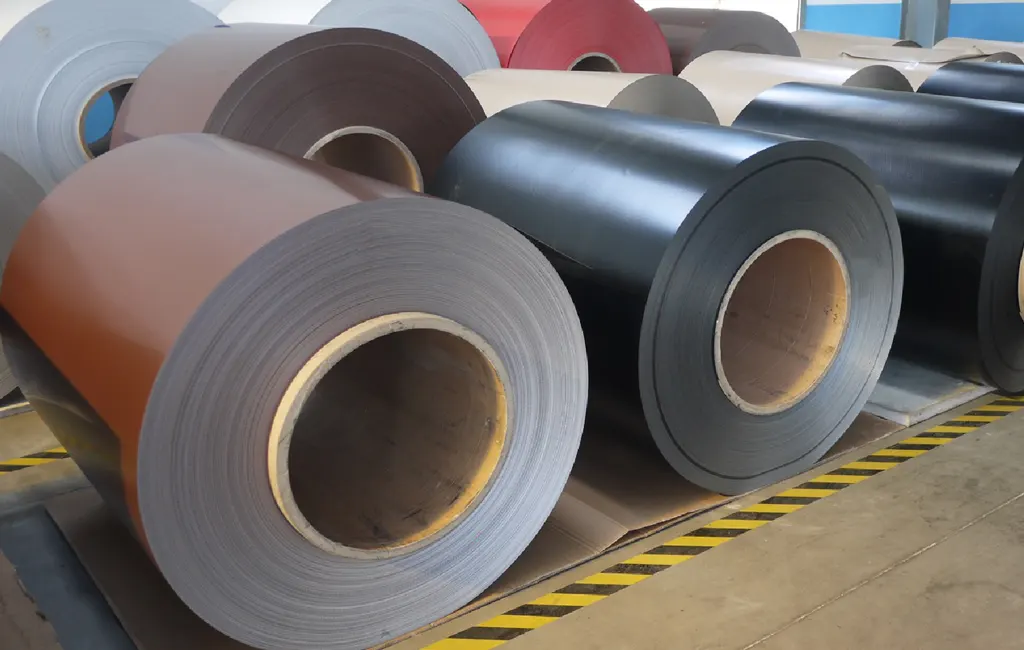
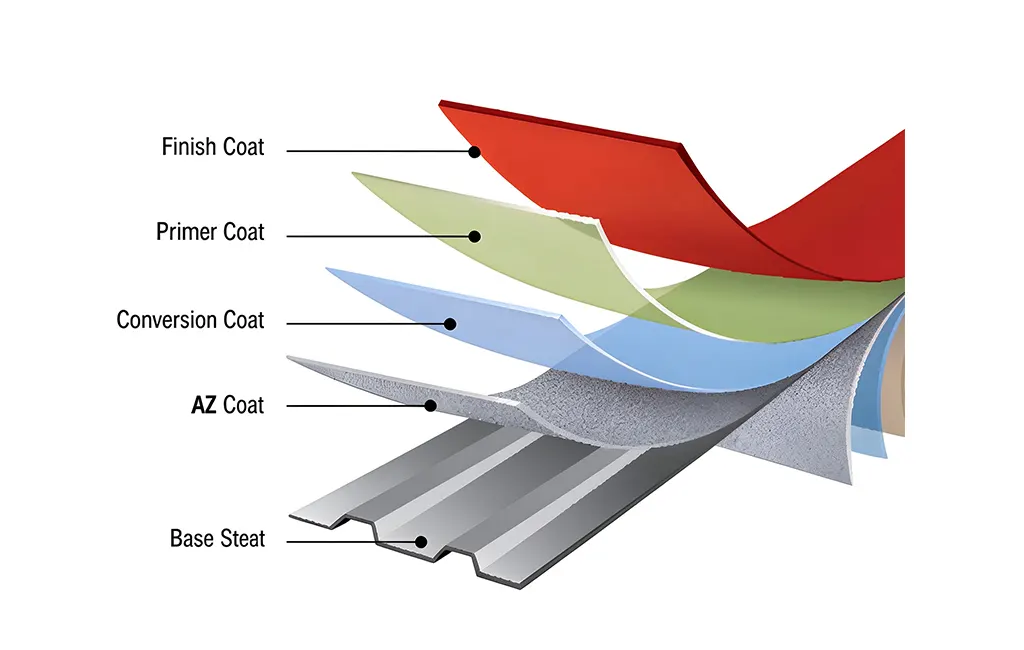
The 3000 series color-coated aluminum coil is a structural-grade material alloyed primarily with Manganese (Mn). The addition of manganese induces solid solution strengthening, effectively increasing the metal’s mechanical threshold without creating galvanic corrosion cells that could compromise the base metal’s lifespan.
This structural shift completely eliminates the phenomenon of “oil-canning” (visible wavy distortions on flat metal sheets) when the panel is subjected to thermal expansion and wind load pressures. When combined with premium Polyvinylidene Fluoride (PVDF) coatings or heavy-duty Thermoset Powder Coatings, 3000 series color aluminum exhibits elite color fastness (ΔE ≤ 5.0 over 10 years) and chemical inertness against industrial acid rain and sea-salt aerosols.