
Selecting HDP vs. PVDF Color Aluminum Coils for Outdoor Projects
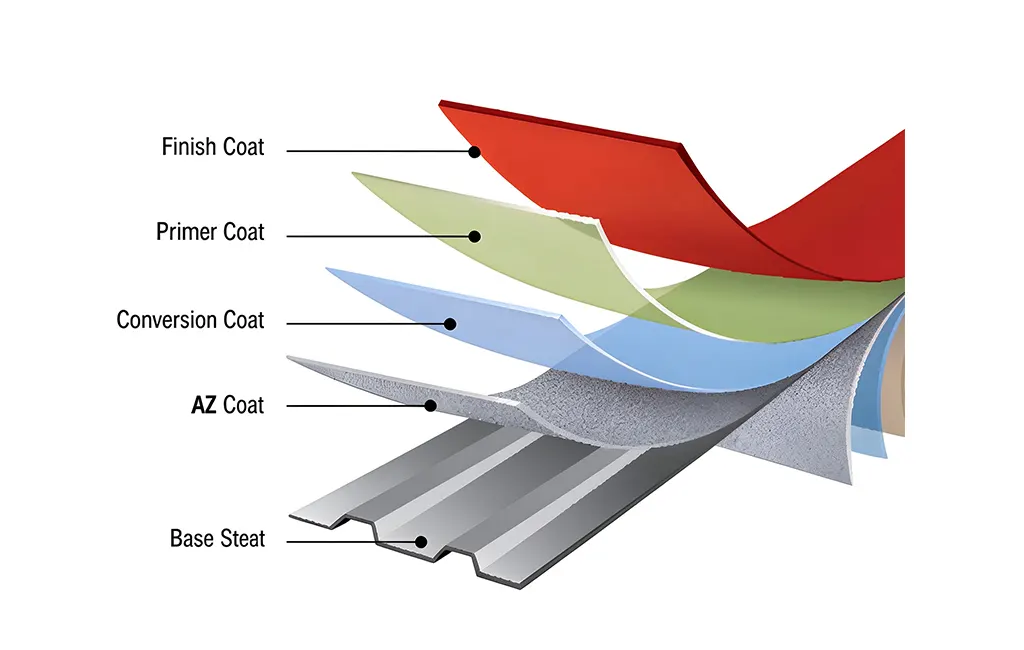
High-Durable Polyester (HDP) color aluminum coil should be selected over Polyvinylidene Fluoride (PVDF) when the project environment experiences moderate ultraviolet (UV) exposure (such as climate zones classified under ISO 9223 C1 to C3 categories) and where project budget constraints require cost optimization without sacrificing medium-term weatherability. HDP coatings utilize high-molecular-weight resin matrices modified with highly branched polyester chains to resist photo-oxidation. While PVDF remains the industry benchmark for extreme environments, HDP offers 10 to 15 years of color retention and chalking resistance at a 15% to 25% lower material cost, making it the optimal choice for industrial roofing, commercial cladding in sub-tropical regions, and low-rise building facades.
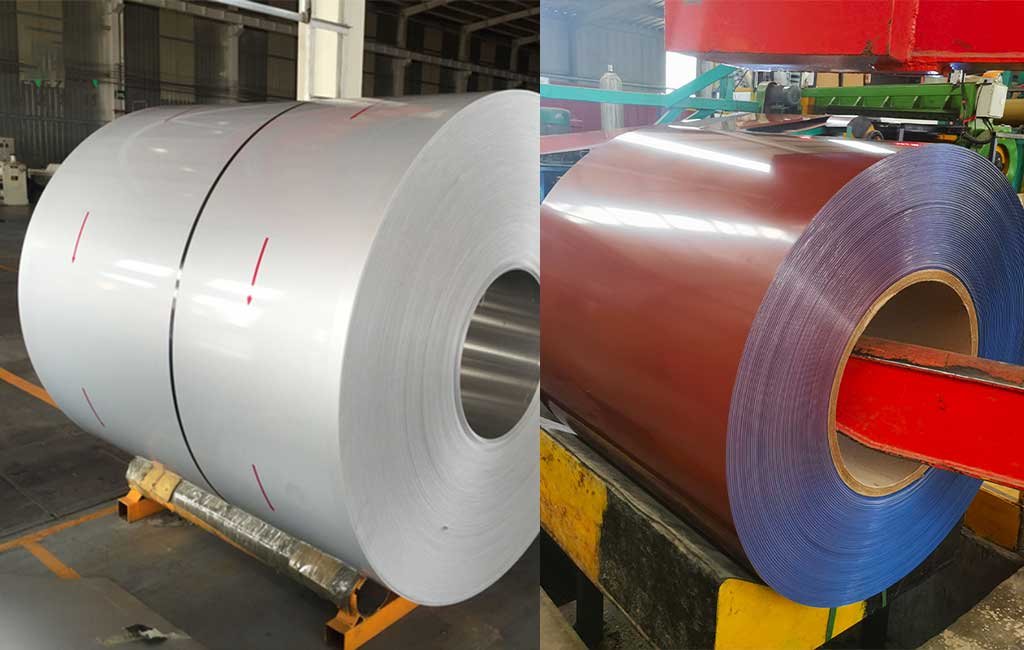
Technical Parameter Comparison: HDP vs. PVDF Color Aluminum Coils
| Parameter / Feature | High-Durable Polyester (HDP) | Polyvinylidene Fluoride (PVDF) | Standard Polyester (PE) (Reference) |
| Resin Matrix | Modified High-Molecular Weight Polyester | Kynar 500® / Hylar 5000® (70% PVDF Resin) | Standard Unsaturated Polyester |
| Typical Coating Thickness | Topcoat: 16–20 μm; Primer: 5 μm | Topcoat: 20–25 μm; Primer: 5–8 μm | Topcoat: 12–15 μm; Primer: 5 μm |
| UV Resistance (QUV-A Test) | 2,000 to 3,000 Hours | 4,000 to 5,000+ Hours | 800 to 1,000 Hours |
| Salt Spray Resistance (ASTM B117) | 1,000 Hours | 1,500–2,000 Hours | 500 Hours |
| Gloss Retention (10-Year Exposure) | ≥ 60% | ≥ 80% | < 30% |
| Pencil Hardness (ASTM D3363) | F to 2H | F to H | H to 2H |
| Flexibility (T-Bend Test, ASTM D4145) | 2T – 3T | 0T – 2T | 3T – 4T |
| Standard Compliance | AAMA 2604, ISO 12206 | AAMA 2605, EN 13523 | AAMA 2603 |
| Outdoor Warranty Period | 12–15 Years | 20–30 Years | 5–8 Years |
| Relative Material Cost Factor | 1.0x (Baseline) | 1.25x – 1.40x | 0.75x |
When to Choose HDP Over PVDF: Key Decision Drivers
1. Moderate Climate Zones & Low Chemical Stress
PVDF coatings are specifically engineered to resist extreme UV photon cleavage (due to the strong Carbon-Fluorine bond strength of 485 kJ/mol). However, in urban or inland environments with low acid rain concentration and moderate ambient temperatures, PVDF performance exceeds actual field requirements. HDP uses specialized acrylic/polyester resins that offer high resistance to UV hydrolysis while providing cost efficiency.
2. Projects with 10 to 15-Year Operational Lifespans
For industrial warehouses, commercial distribution centers, and modular buildings designed around a 10-to-15-year building maintenance cycle, specifying 30-year PVDF coatings results in capital over-allocation. HDP delivers compliant AAMA 2604 performance (< 5 E Units color change after 5 years of South Florida exposure testing) matching the exact design life of the facility.
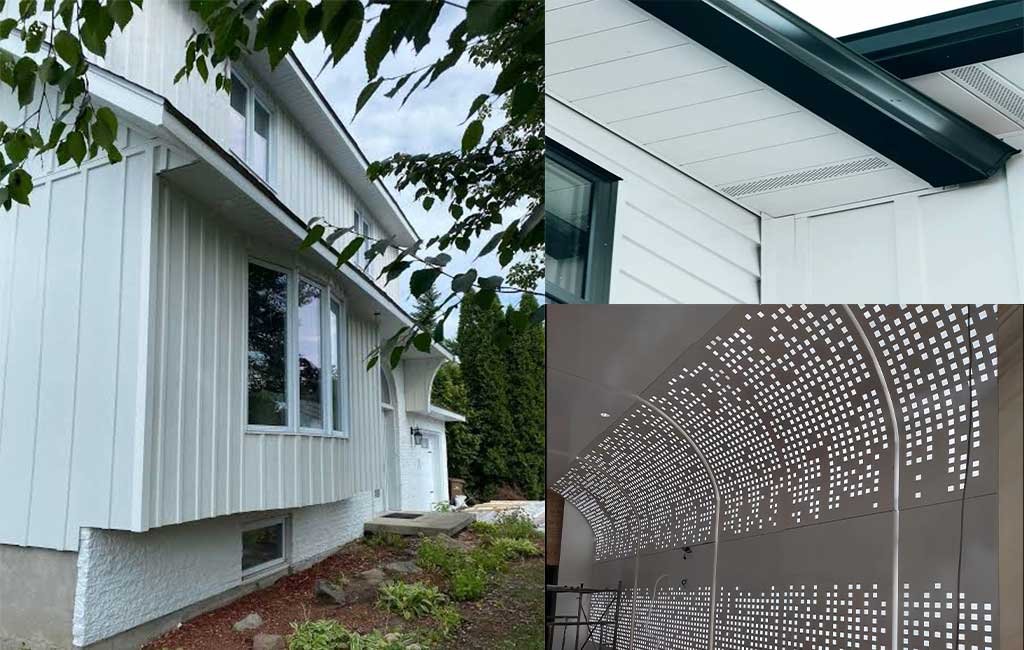
3. Superior Scratch Resistance During Roll Forming
HDP coatings exhibit higher surface hardness (F to 2H) compared to standard PVDF resin systems (F to H). During continuous roll-forming operations for corrugated roofing sheets or sandwich panels, HDP exhibits greater resistance to scuffing and abrasion during transport and installation.
4. Color Range and Metallic Sheen Versatility
While PVDF coatings are historically limited in high-gloss retention (typically maxing out at 20–30% gloss units without a clearcoat), HDP formulations can maintain gloss levels ranging from 20% to 80%. This flexibility allows architects to achieve high-gloss aesthetic finishes on accent panels and trim without requiring a costly three-coat PVDF system.