

Direct Technical Answer: Mill Finish vs Coated Aluminum Coil Cost Analysis
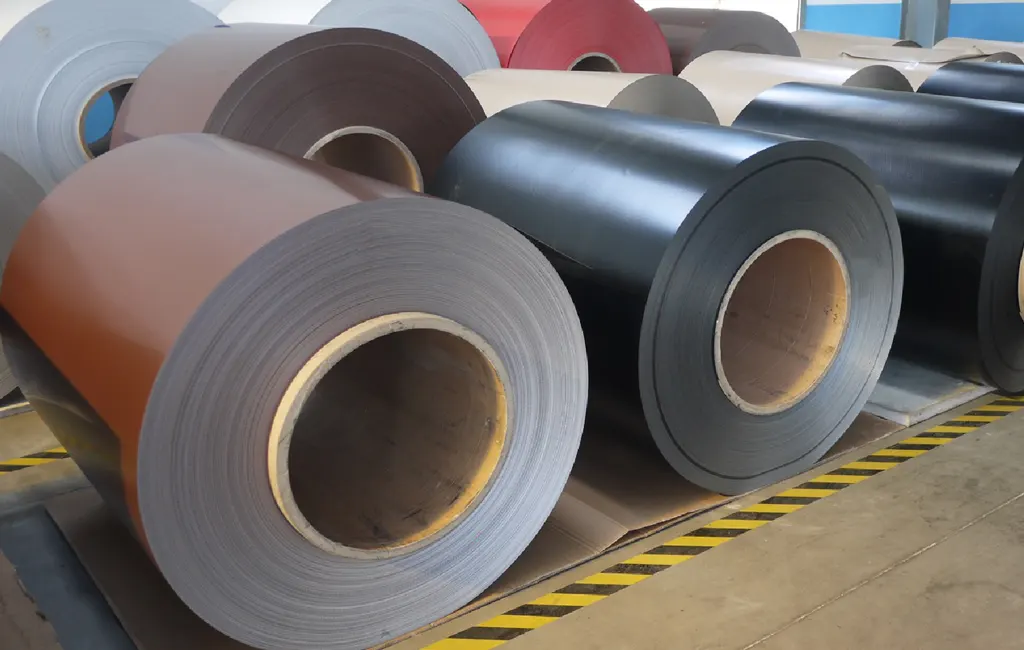
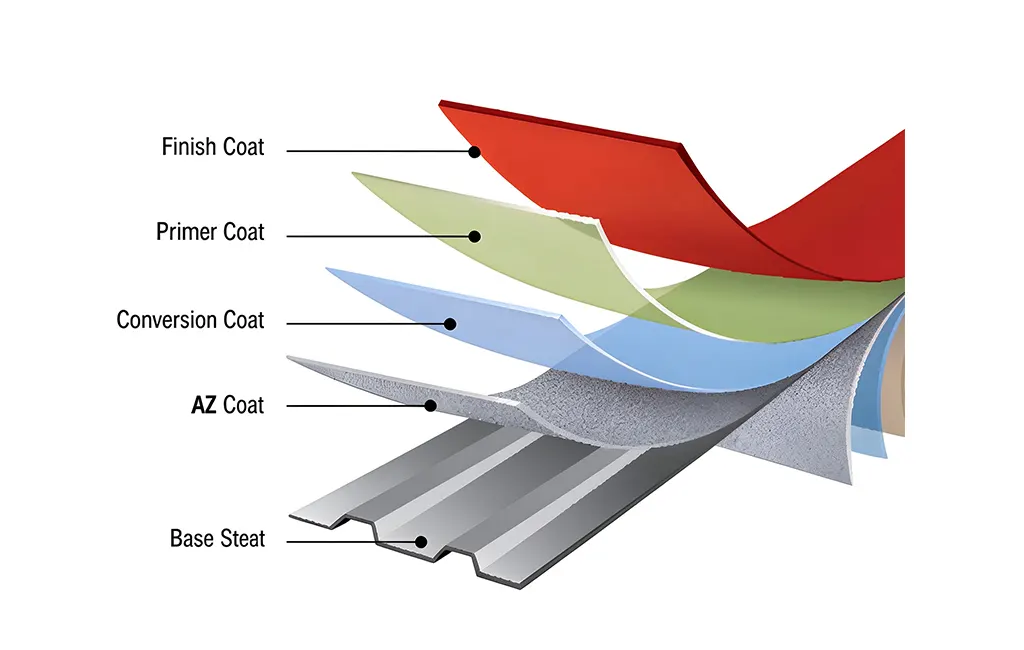
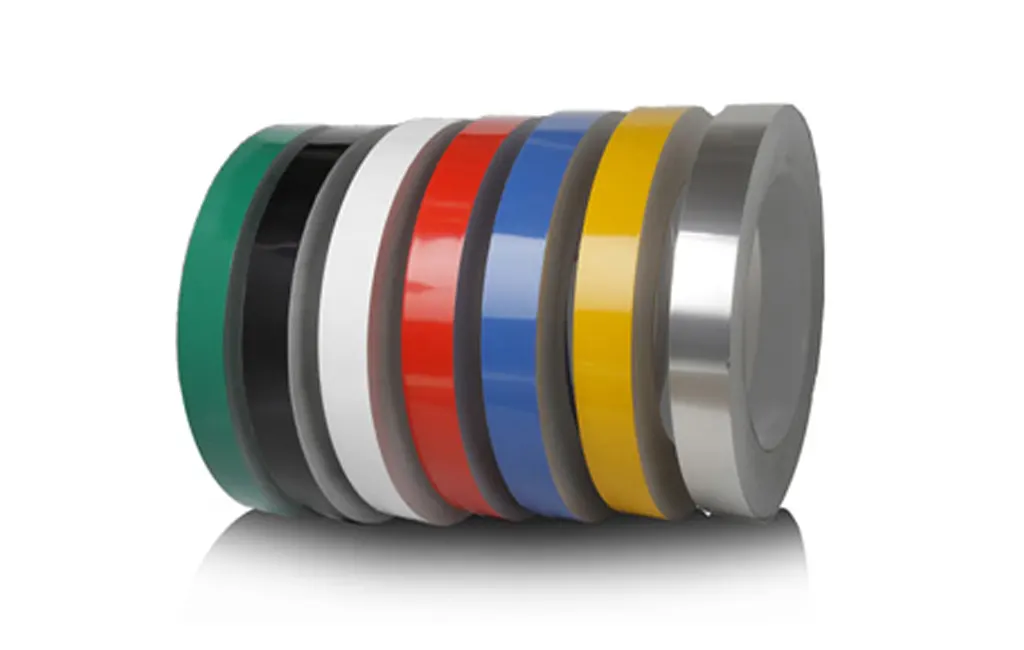
Selecting between Mill Finish Aluminum Coil and Pre-Coated Aluminum Coil (e.g., PVDF, PE, or Powder Coated) dictates both initial material expenditure and total life-cycle cost. While mill finish aluminum presents a 15% to 30% lower initial material purchase cost by omitting surface treatment at the mill, pre-painted aluminum coils lower overall project costs for exterior applications. Factory coil coating utilizes automated roll-coating lines that reduce paint waste, eliminate post-fabrication liquid spraying costs (30% to 50% labor saving), and meet stringent environmental VOC requirements. For structural applications requiring outdoor durability exceeding 10 years, pre-coated aluminum (e.g., 25–30 μm PVDF) prevents secondary degradation and avoids costly field-refinishing processes.
Technical Data Matrix: Mill Finish vs. Pre-Coated Aluminum Parameters
The following data matrix compares technical parameters, coating performance under AAMA 2605 / ISO 12206 standards, and cost metrics between mill finish and various color-coated aluminum coil options:
| Technical Parameter | Mill Finish Aluminum | PE (Polyester) Coated | PVDF (Polyvinylidene Fluoride) Coated | Powder Coated Aluminum |
| Common Alloy Grades | 1100, 3003, 5052, 6061 | 3003, 3004, 3105 | 3003, 3005, 5052 | 3003, 5052, 6063 |
| Coating Thickness (μm) | 0 μm (Bare Surface) | Topcoat: 16–20 μm; Primer: 5 μm | Topcoat: 20–25 μm; Primer: 5–8 μm | Single coat: 40–80 μm |
| Salt Spray Resistance (ASTM B117) | < 240 Hours (Oxidizes) | ≥ 1,000 Hours | ≥ 3,000–4,000 Hours | ≥ 1,500–2,000 Hours |
| UV Exposure / Color Retention | Uncoated (Gays/Darkens) | 5–8 Years (QUV Accelerated Test) | ≥ 85% Retention at 20 Years (AAMA 2605) | 8–12 Years |
| Operating Temp. Range (°C) | −100 °C to +200 °C | −40 °C to +80 °C | −50 °C to +120 °C | −40 °C to +100 °C |
| Upfront Coil Material Cost | Baseline (Lowest) | +15% to +25% vs Mill | +30% to +45% vs Mill | +25% to +40% vs Mill |
| Downstream Fabrication Coating Cost | High (If post-painted) | Zero (Pre-painted) | Zero (Pre-painted) | Zero (Pre-painted) |
| Primary B2B Application Scenarios | Heat exchangers, deep drawing, interior framing | Indoor signage, ceiling tiles, interior trim | Commercial curtain walls, roofing, ACP panels | Heavy architectural profiles, industrial cladding |
Structural Cost Dynamics: Mill Finish vs. Coated Aluminum
To determine which material configuration saves overall project costs, engineers must analyze both direct raw material acquisition and downstream secondary processing economics.
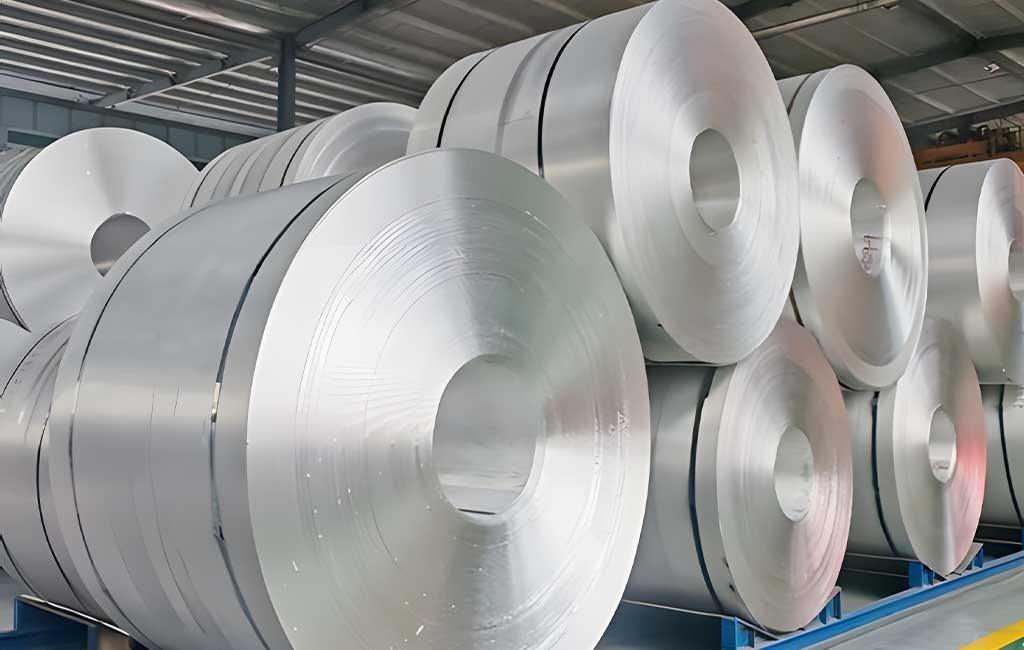
Mill Finish Aluminum Coil: Direct Material Considerations
- Upfront Material Savings: Mill finish aluminum enters the production pipeline directly from cold-rolling mills without surface treatments, eliminating chemical pretreatments, primers, and curing oven operations.
- Secondary Processing Overhead: Raw aluminum reacts with atmospheric oxygen to form a thin, non-uniform natural oxide film (Al₂O₃). For architectural or exterior applications, bare mill finish material requires anodizing or post-painting after stamping, bending, or welding. Post-fabrication batch coating incurs higher handling fees, manual labor costs, higher reject rates, and increased shipping stages.
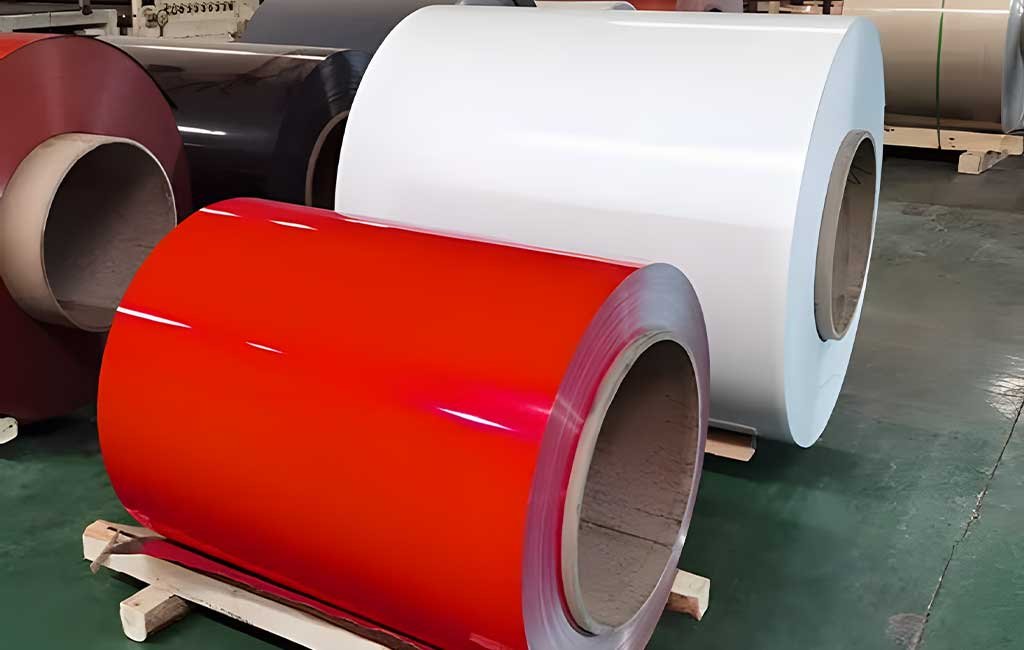
Pre-Coated Color Aluminum Coil: Roll-Coating Efficiency
Pre-coated aluminum utilizes continuously automated coil coating lines:
Economies of Scale: Continuous roll-coating applies liquid resin paints (PVDF, HDPE, PE) at high line speeds (60–150 m/min) with paint utilization rates approaching 99%, compared to 40%–60% transfer efficiency for post-fabrication manual spray painting.
Uniform Film Thickness: Coil lines maintain precise film thickness tolerance (± 1 μm), eliminating paint runs, sag, or localized thin spots that reduce service life.
Streamlined Manufacturing: Utilizing pre-painted coil allows manufacturers to bypass offline spray booths, reducing factory footprint, labor allocation, and toxic waste disposal compliance costs under volatile organic compound (VOC) regulations.