
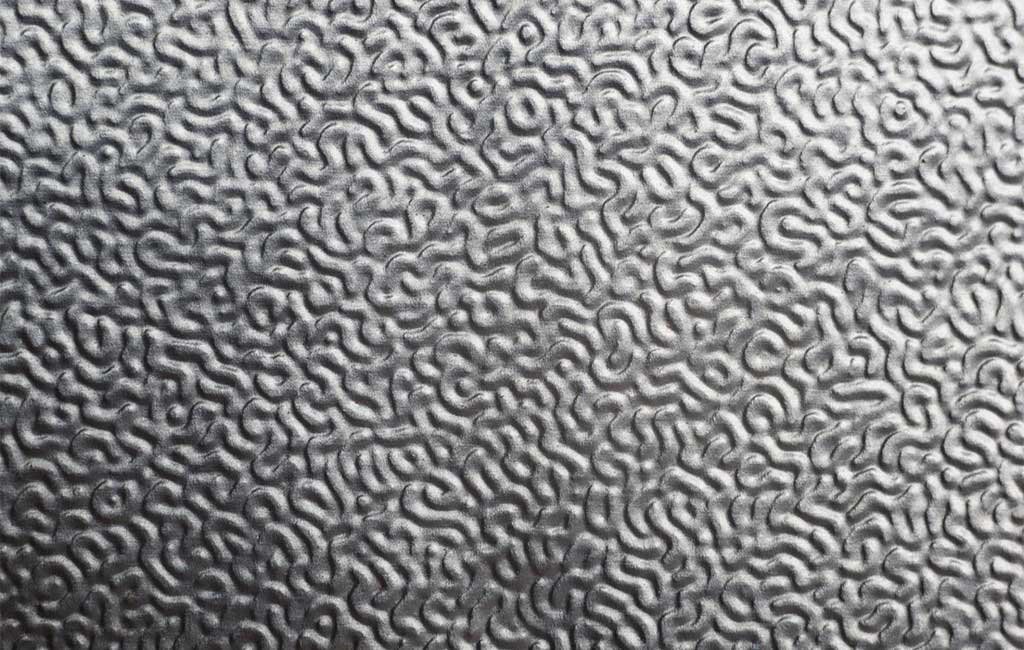
Yes, embossed aluminum sheet is significantly superior to flat aluminum for anti-slip applications due to its engineered surface texture, which increases mechanical friction and breaks hydroplaning film. While smooth, flat aluminum sheets exhibit a low Dynamic Coefficient of Friction (DCOF < 0.40) in wet environments, embossed profiles—such as 5-bar tread plate, diamond checker plate, and stucco embossed sheets—provide raised mechanical ridges (typically 0.5 mm to 1.5 mm high). This macro-texture increases physical grip, elevates slip resistance to DIN 51130 R10–R12 ratings, and allows liquids to drain through micro-channels, preventing hazardous slip-and-fall conditions under wet or oily conditions.
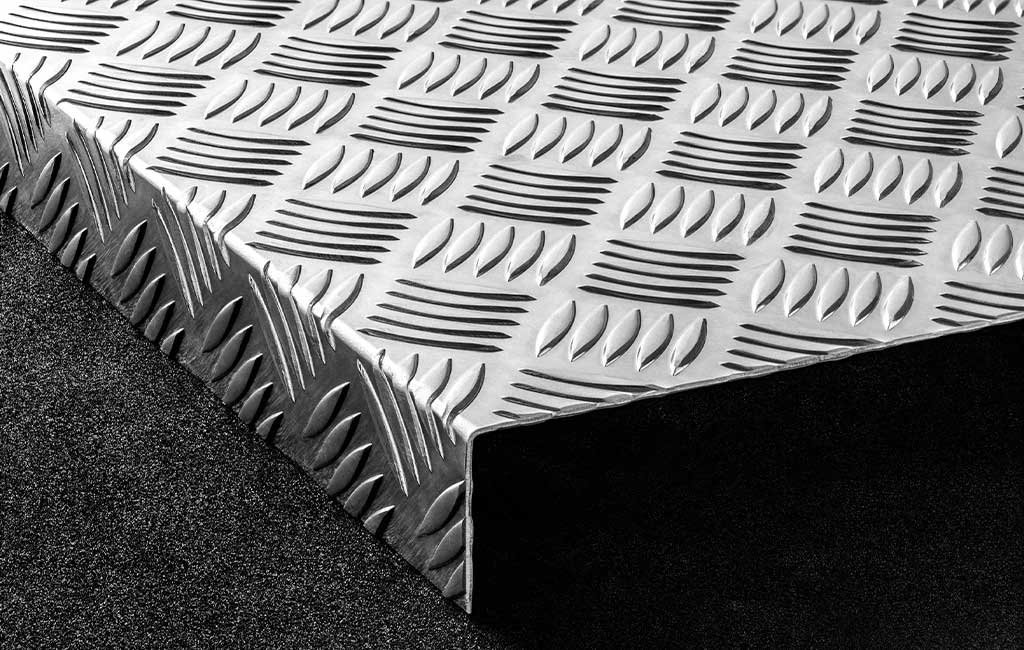
Technical Parameter Comparison: Flat vs. Embossed Aluminum Sheets
The structural geometry of embossed aluminum sheets directly alters surface contact mechanics, surface fluid dynamics, and load distribution compared to mill-finished or painted flat sheets.
| Technical Parameter | Flat Aluminum Sheet | Stucco Embossed Aluminum | 5-Bar / Diamond Tread Plate |
| Surface Profile / Raised Height | 0.0 mm (Smooth mill finish) | 0.1 mm – 0.3 mm | 0.8 mm – 1.5 mm |
| Dry Coefficient of Friction (ASTM C1028) | 0.50 – 0.60 | 0.65 – 0.75 | 0.80 – 0.95 |
| Wet Dynamic Friction (DCOF / BS 7976-2) | < 0.30 (High slip risk) | 0.45 – 0.55 (Moderate) | > 0.65 (Low slip risk) |
| DIN 51130 Slip Resistance Rating | R9 (Unsuited for wet ramps) | R10 | R11 – R12 |
| Common Alloy Grades | 1100, 3003-H14, 5052-H32 | 3003-H14, 3105-H24 | 3003-H22, 5052-H32, 6061-T6 |
| Coating Systems | PVDF, PE, Powder Coat | PVDF Coil Coating, Mill Finish | Mill Finish, Anodized |
| Fluid Dispersion Efficiency | Poor (Forms standing liquid films) | Moderate (Micro-drainage channels) | Superior (Deep drainage pathways) |
| Primary Industry Applications | Architectural cladding, signage | Cold room liners, trailer roofs | Industrial flooring, walkways, stairs |
Mechanics of Friction: How Embossed Patterns Prevent Slip Hazards
The primary failure of flat aluminum in flooring or transition zones stems from boundary lubrication. When water, oils, or industrial lubricants cover a flat metal sheet, shoe soles ride on a microscopic liquid boundary layer, reducing traction to near-zero.
- Mechanical Interlocking: Raised patterns (diamonds, 5-bar ribs, or orange-peel stucco textures) create direct mechanical contact points that bite into rubber outsoles, bypassing liquid film layers.
- Drainage Channels: The recesses surrounding embossed projections act as evacuation routes for fluids. When downward weight is applied, liquid escapes laterally into the grooves, maintaining metal-to-shoe contact.
- Scratch and Wear Concealment: In addition to slip resistance, textured embossing increases the localized yield strength through work hardening during the cold-rolling embossing process, while scattering specular reflection to hide operational abrasions.
Architectural and Industrial Application Matrix
1. Transportation & Vehicle Decking
Vehicle steps, fire truck running boards, cargo bed liners, and emergency vehicle interiors rely strictly on 5-bar 5052-H32 aluminum tread plates. Flat sheet in these applications poses severe liability due to oil and mud buildup.
2. Cold Storage & Food Processing Facilities
Wall protection panels and walk-in freezer floors utilize stucco embossed aluminum sheets coated with hygienic PVDF or polyester (PE) finishes. Stucco patterns provide sufficient slip resistance for personnel pushed trolley movement while allowing complete wash-down and sanitation.
3. Industrial Catwalks & Pedestrian Bridges
Uncoated mill-finish flat aluminum becomes dangerously slick in exterior precipitation. Specifying embossed tread plates or perforated embossed aluminum grates guarantees compliance with OSHA 1910.22 walking-working surface safety requirements.