
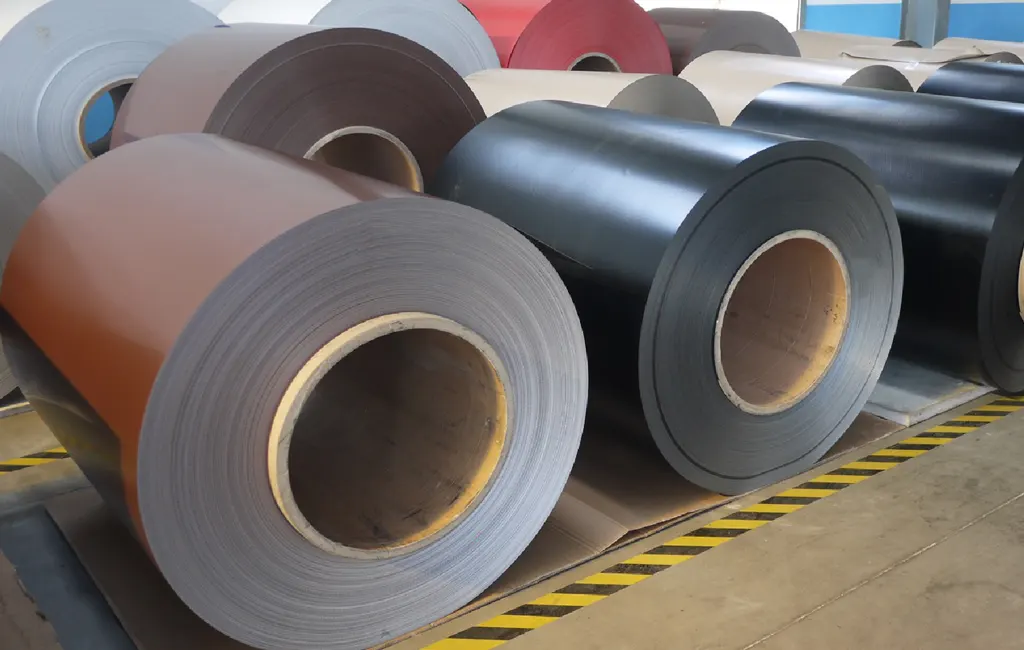

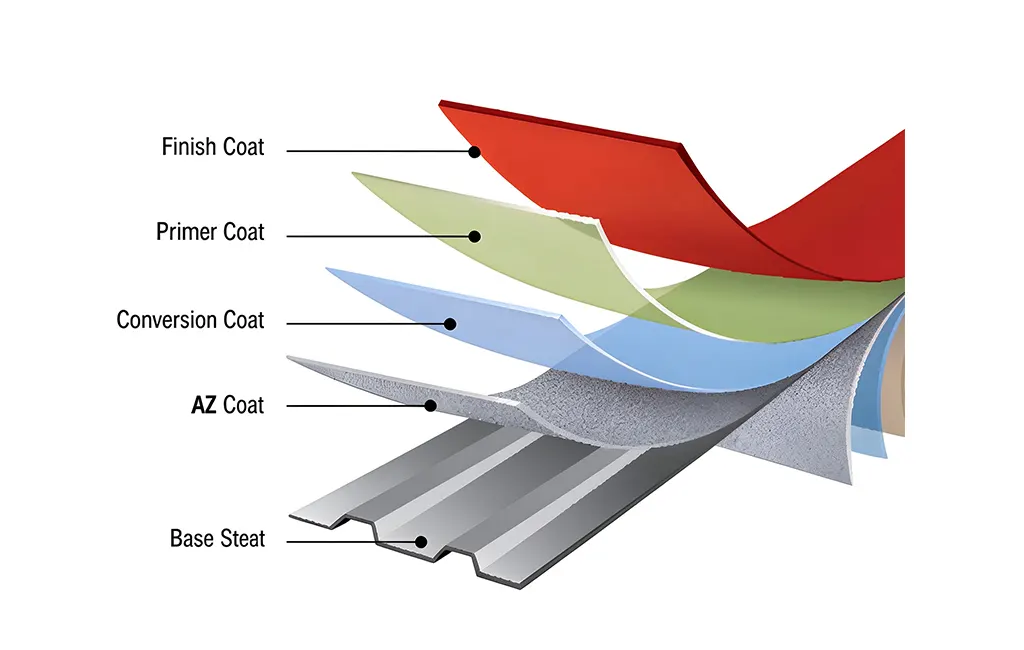
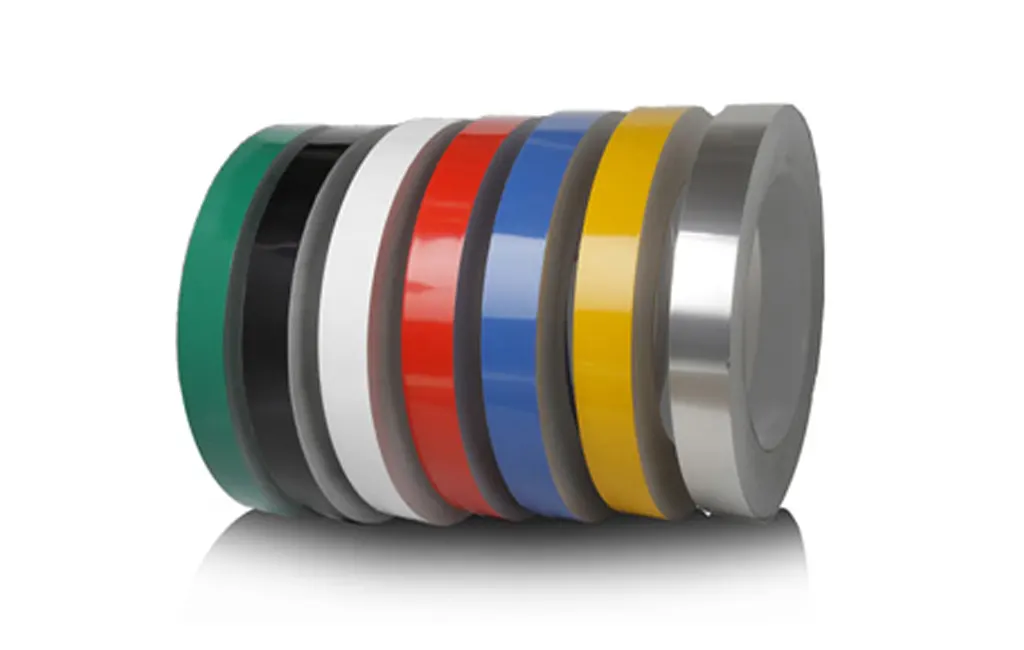
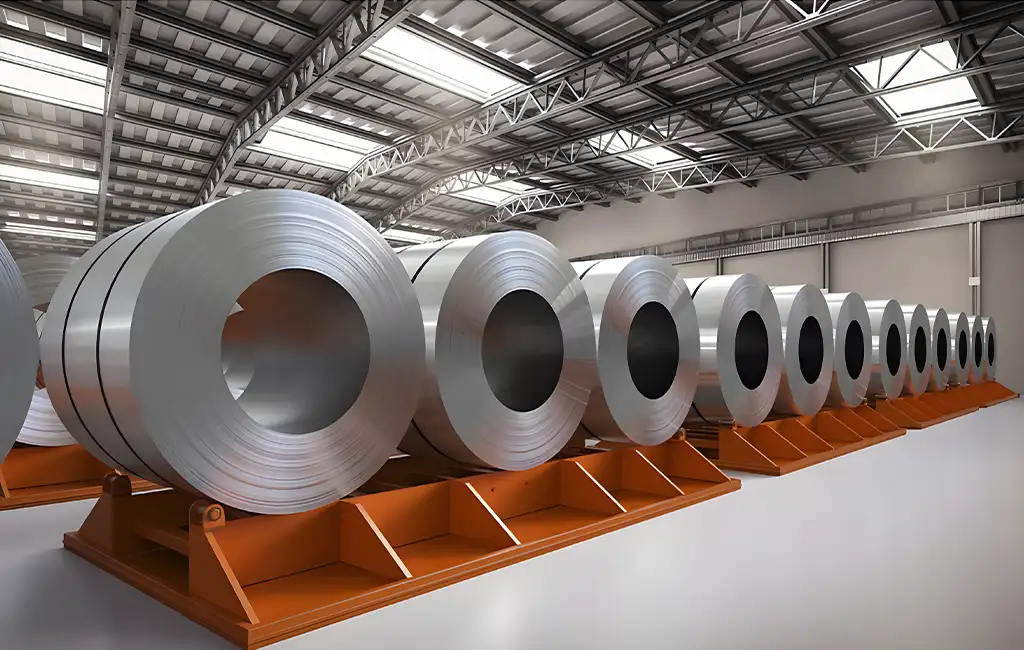
Mill finish aluminum alloys (such as 1050, 3003, and 5052) lack a protective organic coating or thick anodic oxide film, leaving their active native oxide layer vulnerable to atmospheric moisture, industrial pollutants, and chemical condensation. Exposure to liquid moisture between closely stacked sheets or coils triggers water staining (white rust) via differential aeration corrosion. To prevent surface degradation, severe pitting, and irreversible oxidation, storage environments must maintain a relative humidity (RH) below 60% with stable temperatures above the dew point. Transportation requires impermeable barrier packaging, vapor-phase corrosion inhibitors (VCI), and immediate thermal equilibration prior to unwrapping.
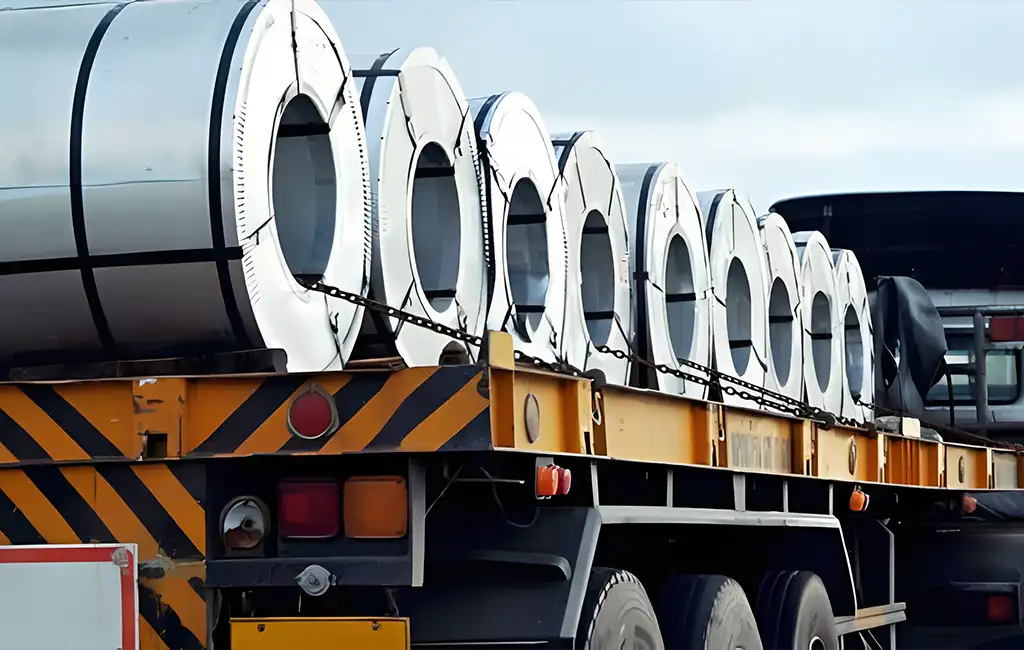
Technical Parameter & Environmental Controls for Mill Finish Aluminum Storage
| Logistics Parameter | Target Specification / Control Value | Standard Test / Compliance Benchmark | Corrosion / Defect Risk Mitigated |
| Storage Temperature | Maintain stable ambient (>15°C recommended) | ISO 8502-4 (Dew Point Estimation) | Thermal shock & atmospheric condensation |
| Relative Humidity (RH) | < 60% (Strict requirement) | Continuous Hygrometer Monitoring | Capillary water retention & rapid oxidation |
| Dew Point Margin | Minimum 3°C above dew point | ASTM E337 | Micro-droplet formation on bare aluminum |
| Desiccant Usage | 500g–1000g silica gel per m³ package | DIN 55473 / MIL-D-3464E | Interlayer moisture accumulation in coils |
| VCI Protection | Poly/paper film with vapor inhibitors | NACE TM0208 | Volatile atmospheric chemical attack |
| Pallet Ground Clearance | Minimum 100 mm – 150 mm elevated | Industrial Safety & Material Handling | Ground moisture migration & splash water |
Critical Factors Governing Surface Oxidation in Bare Aluminum Logistics
Condensation Dynamics and Capillary Action
When bare mill finish aluminum undergoes rapid temperature drops, moisture condenses out of the air onto the metal surface. In tightly wound coils or flat-stacked sheets, this liquid water is drawn into tight crevices via capillary action.
Because oxygen replenishment inside these micro-gaps is restricted, differential aeration cells form:
- The oxygen-depleted zones inside the stack become anodic, accelerating local dissolution of aluminum:
- White, hydrated aluminum oxide () precipitates along the surface, creating permanent white rust stains that ruin surface uniformity and ruin adhesion for downstream coil coating or anodizing processes.
Freight Handling & Chemical Contamination Mitigation
Logistics operations must isolate mill finish aluminum from atmospheric contaminants like airborne chlorines, sulfur oxides (), and industrial dust:
- Salt Spray & Marine Transit: Marine shipping exposes freight to sodium chloride (), which breaks down the natural passive film. Shipments transit under AAMA 800 packaging directives or ASTM B117 standards to ensure sea-spray integrity.
- Exhaust and Emissions Isolation: Avoid storing or shipping bare aluminum adjacent to diesel-powered transport equipment. Nitrous emissions and sulfurous exhaust mix with ambient moisture to form acidic micro-droplets, accelerating localized pitting corrosion on bare alloys like 1050 and 3003.