
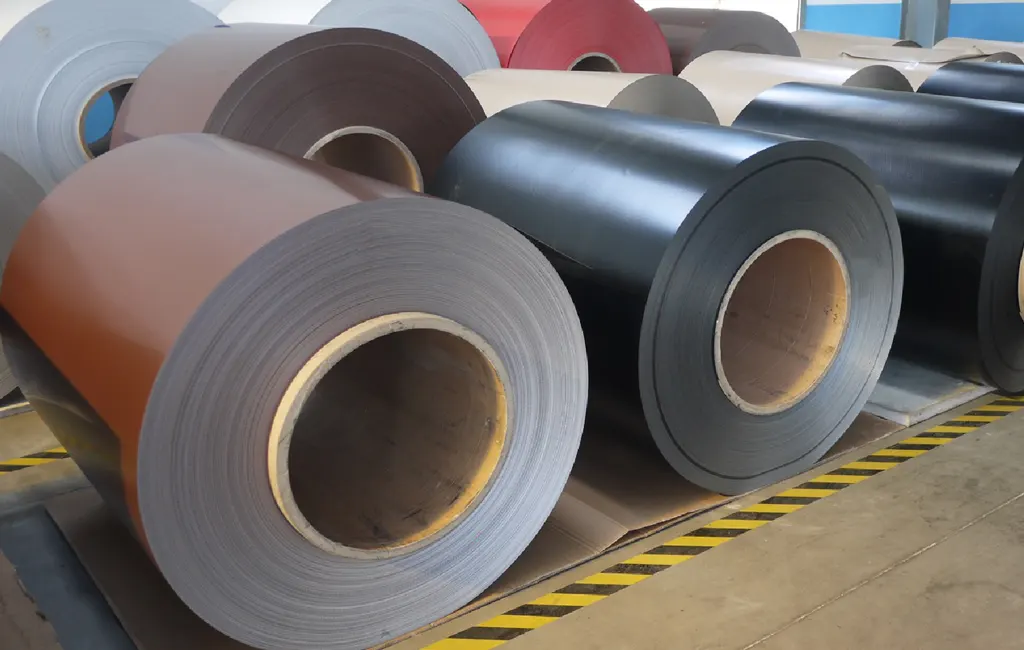

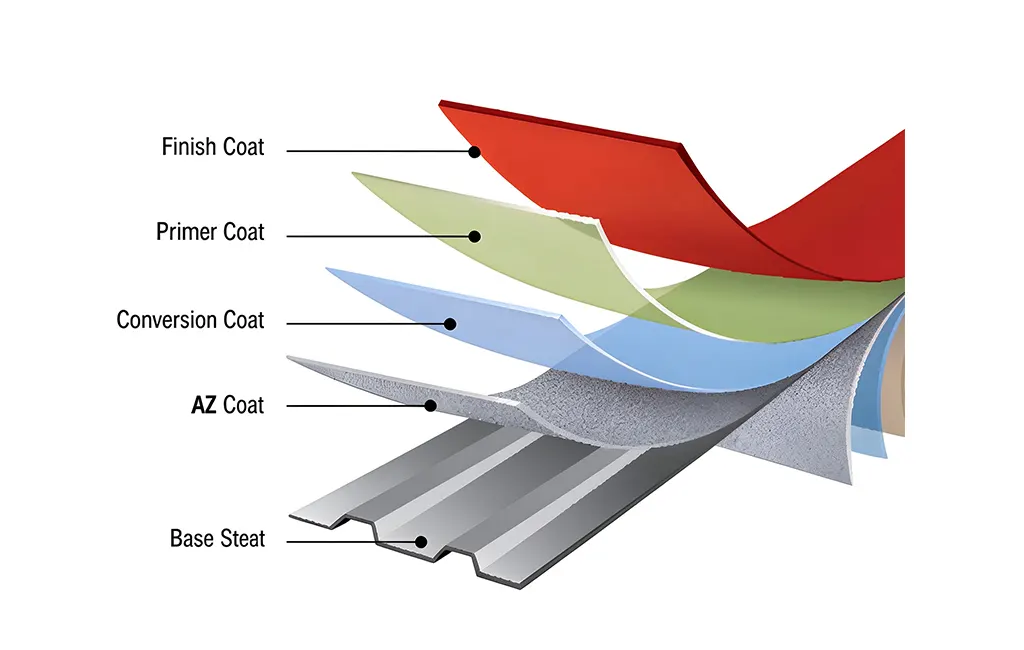
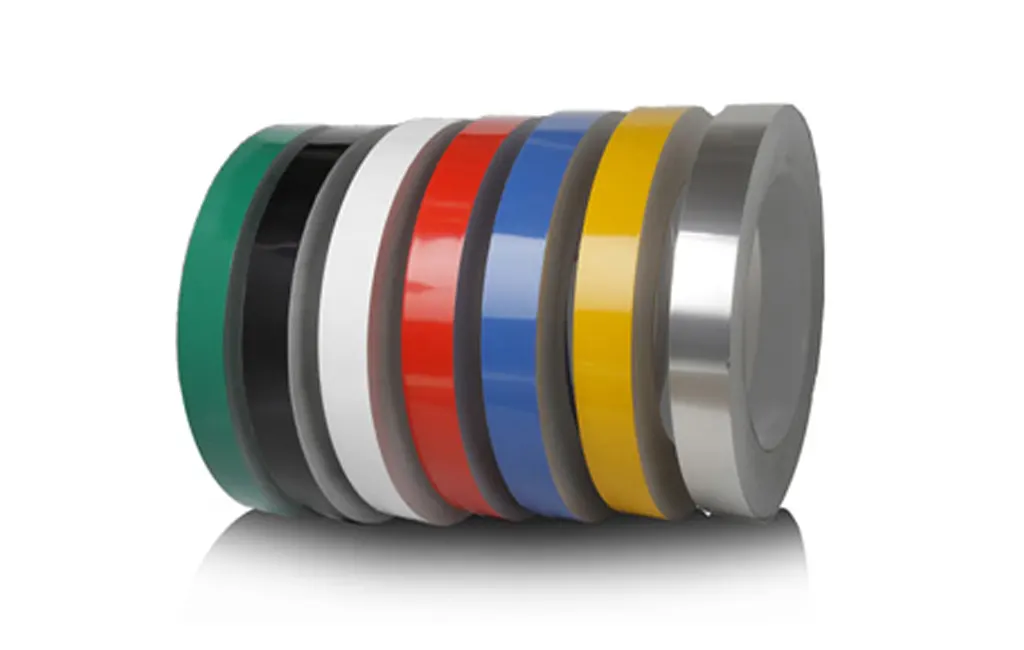
Mill finish aluminum refers to the raw, untreated aluminum sheet extruded or rolled directly from the mill, featuring a natural oxidized surface layer without mechanical or chemical modification. Embossed aluminum undergoes a mechanical cold-rolling process between engraved steel rollers, imprinting a raised relief pattern (such as stucco, diamond, or orange peel) onto the substrate. While mill finish aluminum yields a smooth surface suitable for secondary post-treatments or internal structural framing, embossed aluminum provides enhanced rigidity, increased surface area, reduced light reflectivity, and superior scratch concealment. Choosing between them depends on structural mechanical demands, surface wear exposure, and coating requirements.
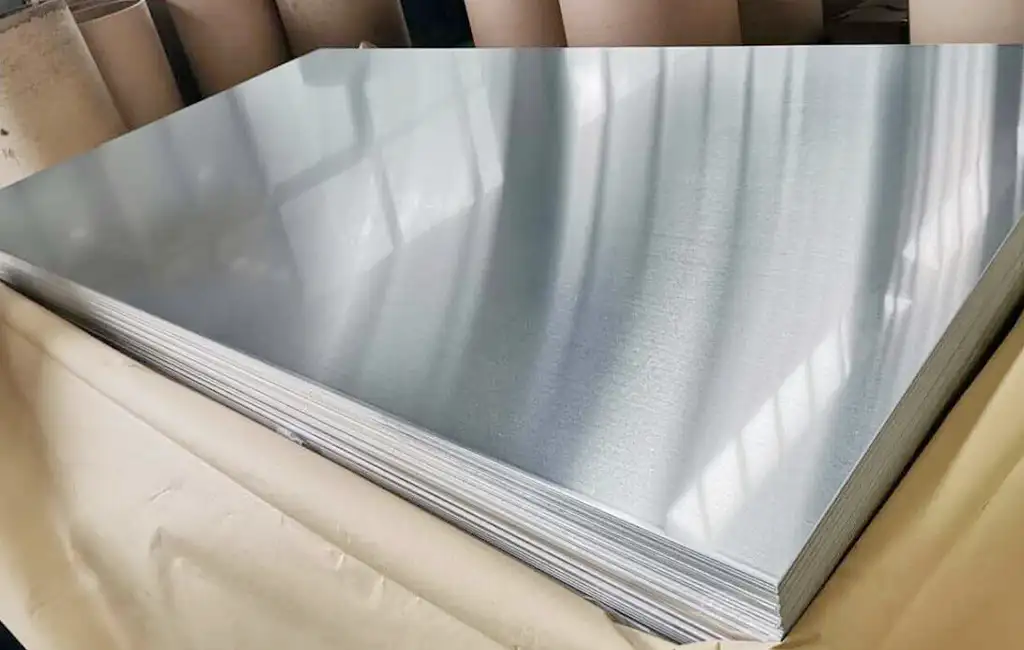
Technical Parameter Matrix: Mill Finish vs Embossed Aluminum
| Technical Parameter | Mill Finish Aluminum | Embossed Aluminum (Stucco / Patterned) | Standard / Test Method |
| Common Alloy Grades | 1050, 1100, 3003, 5052, 6061 | 1050, 3003, 5052 | ASTM B209 / EN 485 |
| Surface Finish Type | Smooth, untreated, natural oxide film | Patterned relief (Stucco, Diamond, Leather) | Visual / Profilometer |
| Coating Compatibility | Requires pre-treatment (Degreasing/Chromating) | Ideal for powder coating & pre-painted coil | AAMA 2605 / ISO 12206 |
| Surface Hardness & Rigidity | Baseline alloy hardness | 10%–15% higher rigidity via work hardening | Hardness Vickers (HV) |
| Scratch & Dent Visibility | High (imperfections easily visible) | Extremely Low (pattern hides surface wear) | Visual Inspection |
| Specular Gloss / Reflectivity | High reflectivity (diffuse to specular) | Low reflectivity (diffused light scattering) | ASTM D523 (60° Glossmeter) |
| Thermal Dissipation Area | Standard nominal area | 5%–12% higher effective surface area | Geometric Calculation |
| Primary B2B Applications | Structural framing, ductwork base, panels | Refrigeration liners, roofing, architectural trim | Industry Standard |
Technical Profile: Mill Finish Aluminum
Mill finish aluminum represents the foundational state of rolled aluminum alloys. Upon exposure to oxygen, it rapidly forms a thin, natural aluminum oxide layer (, approximately 2.5–5 nm thick) that offers baseline atmospheric corrosion resistance.
- Surface Characteristics: Smooth, non-uniform industrial sheen with potential rolling directional lines or minor handling marks.
- Processing Flexibility: Serves as the primary substrate for anodizing, chemical conversion coatings, and coil coating lines.
- Thermal & Electrical Conductivity: Maintains maximum uninhibited surface conductivity, making it ideal for busbars, heat sinks, and internal HVAC components.
- Key Limitation: Susceptible to optical degradation, water staining (white rust) if stored under moist conditions without protective oiling, and visible scratching during fabrication.
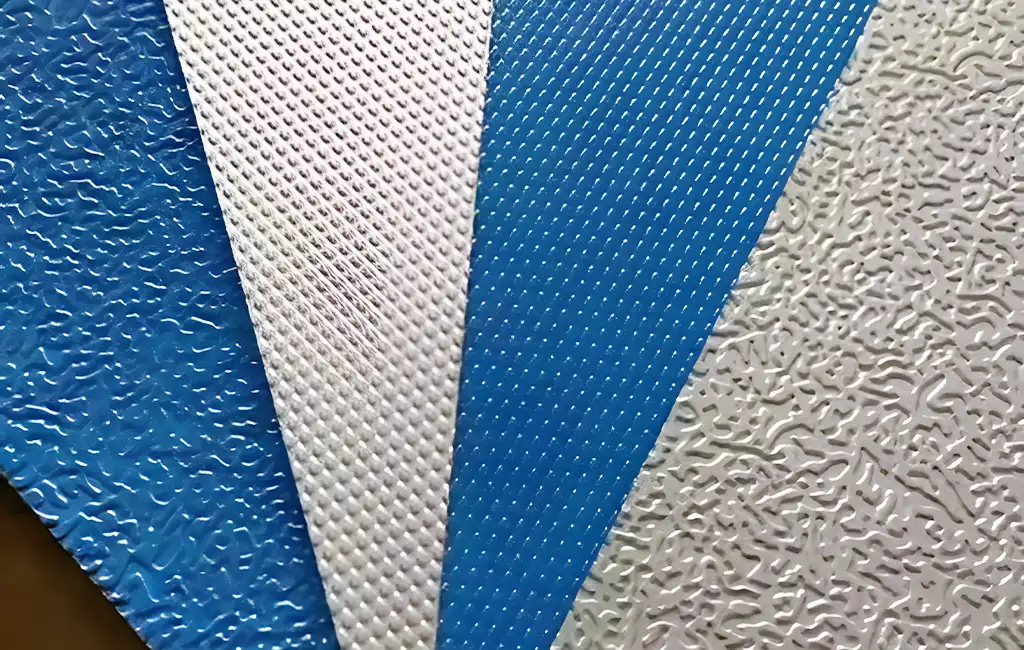
Technical Profile: Embossed Aluminum
Embossed aluminum is produced by passing mill finish coils through specialized embossing rolls under controlled pressure. This mechanical cold-forming alters the surface topography without changing the chemical composition of the base alloy.
- Structural Enhancement: The localized strain hardening (work hardening) increases the structural rigidity of thin-gauge sheets, enabling material down-gauging (e.g., replacing 1.2 mm mill finish with 1.0 mm embossed sheet) to reduce material costs.
- Optical & Aesthetic Properties: Diffuses direct sunlight to reduce specular reflection below 20 gloss units at a 60° angle, making it an optimal solution for architectural cladding and commercial roofing systems.
- Coating Adhesion: The increased surface area offers improved mechanical interlocking for applied thermoset powder coatings and PVDF coil coatings, enhancing long-term inter-coat adhesion and resistance to delamination under thermal cycling (tested from -40°C to +80°C).