
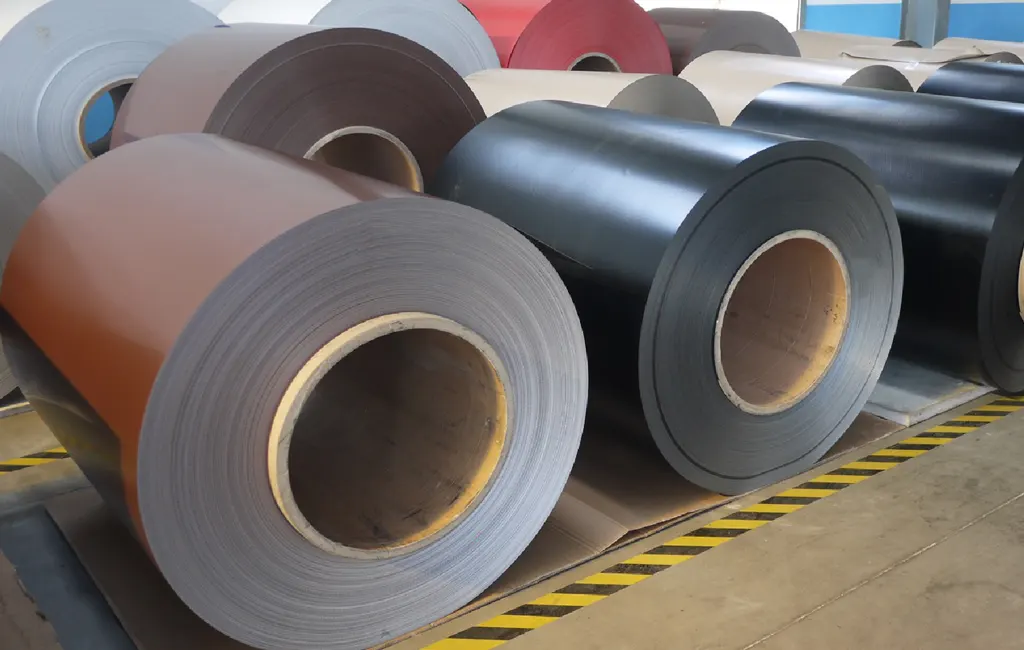

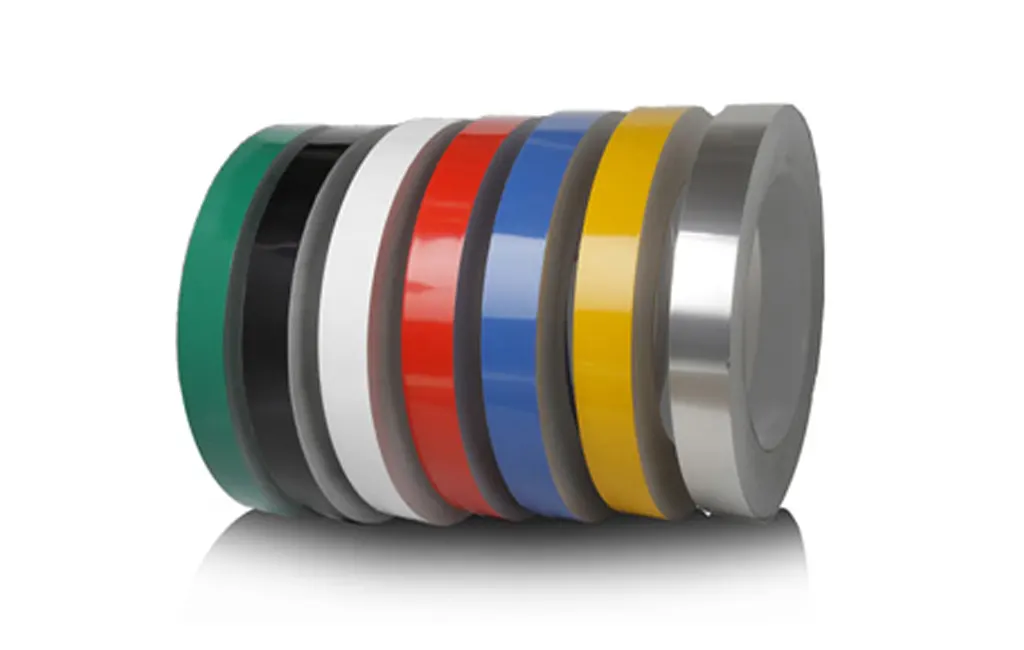
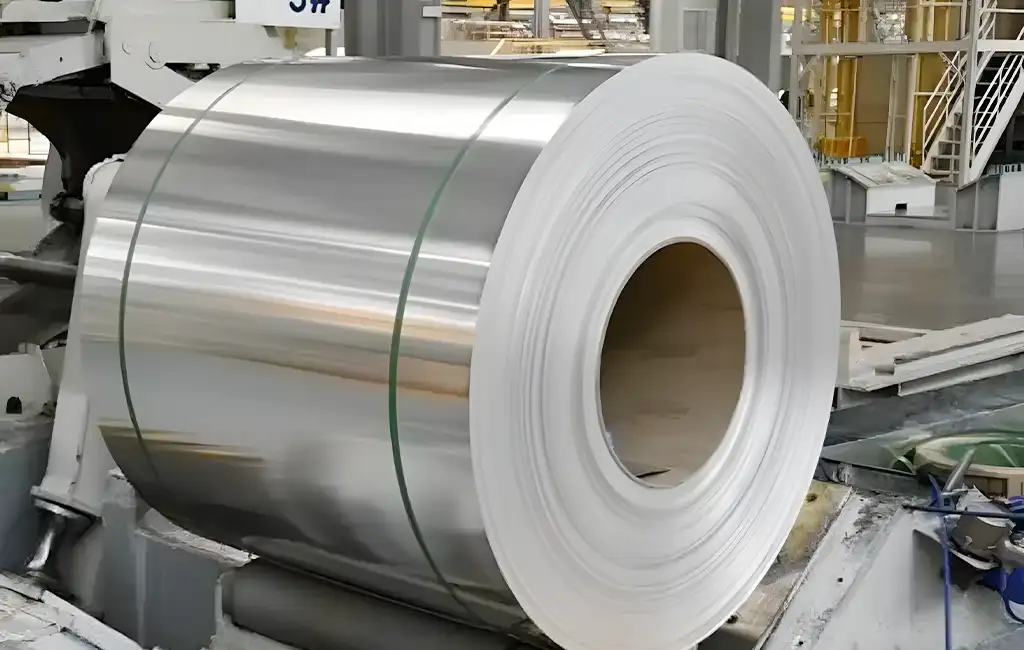
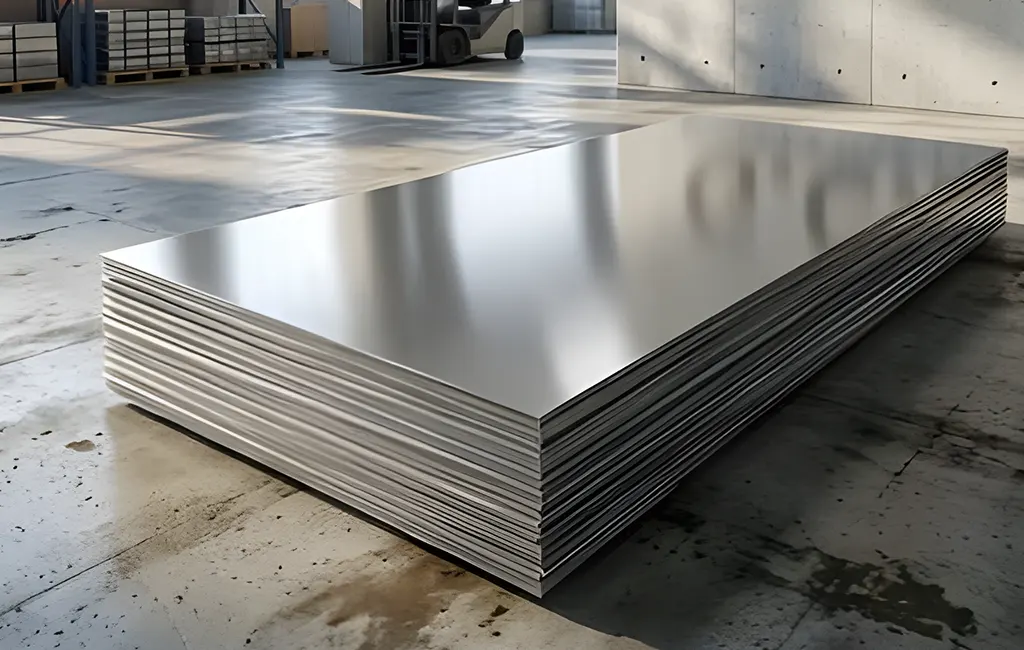
Mill finish aluminum coil and sheet refers to raw aluminum rolled products directly supplied after cold or hot rolling mills without secondary surface treatments such as coating, anodizing, or mechanical polishing. It exhibits a natural, unrefined metallic appearance with a light oxide film layer formed by atmospheric exposure. Key performance characteristics depend entirely on the underlying aluminum alloy grade, temper designation, and gauge tolerances. Governed by global standard specifications such as ASTM B209 and EN 485, mill finish aluminum provides optimal electrical and thermal conductivity, excellent workability, and high cost-efficiency, making it a critical base material for thermal insulation, continuous roll forming, transformer windings, and subsequent surface finishing workflows.
Frequently Asked Questions
What is the difference between mill finish aluminum and anodized or color-coated aluminum?
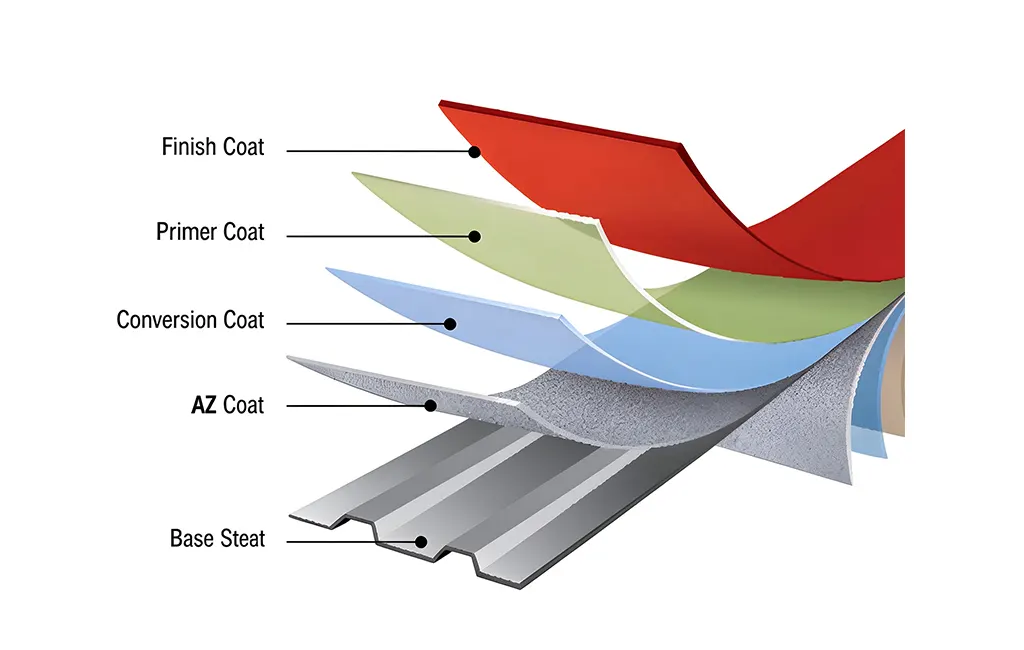
Mill finish aluminum is bare, unpainted metal direct from the rolling mill. It relies on a naturally formed, ultra-thin oxide layer (~2.5–5 nm) for basic corrosion resistance. In contrast, pre-painted color aluminum utilizes pre-treatment (degreasing and chromating or zirconium conversion) followed by organic resin application (PVDF, Polyester/PE, or Polyurethane/PU) achieving dry film thicknesses of 15–30 μm for long-term weatherability. Anodized aluminum undergoes an electrochemical process to build a thicker integral aluminum oxide layer (10–25 μm) directly from the base metal for enhanced wear resistance and metallic aesthetic consistency.
Can mill finish aluminum coils be directly pre-painted or powder coated?
No. Mill finish aluminum coils cannot be directly painted or powder coated without surface preparation. Residual rolling lubricants and organic contaminants inhibit adhesion. A continuous coil coating line must execute a strict multi-stage pre-treatment process:
- Alkaline Degreasing: Removes rolling oils and iron fine particles.
- Acid Rinsing/Etching: Cleans native oxides and surface impurities.
- Conversion Coating: Applies a non-chromate or chromate conversion film (coat weight 15–35 mg/m²) to establish chemical bonding between the metal substrate and the primer layer. Failure to pre-treat results in blistering and coating delamination under ASTM D3359 cross-hatch adhesion testing.
Why does mill finish aluminum develop water stain / white rust, and how can it be prevented?
Water stain (white rust) occurs when moisture becomes trapped between tightly wound coil layers or stacked sheets without adequate airflow. This creates an oxygen-starved galvanic cell that rapidly oxidizes the aluminum into hydrated aluminum oxide ().
To prevent moisture oxidation:
- Maintain storage facility temperatures above the dew point with relative humidity strictly below 60%.
- Specify interleaving paper (pH 6.0–8.0) or plastic film protection between sheet layers.
- Apply light, non-staining protective oil on mill finish coils intended for prolonged transit or tropical ocean freight.
How do 3003 and 5052 mill finish aluminum alloys differ in structural performance?
While both are non-heat-treatable alloys, their alloying elements dictate distinct performance profiles:
- 3003 Mill Finish (Al-Mn): Contains ~1.2% Manganese. Yields moderate strength (tensile strength 140–190 MPa in H14 temper) with excellent formability and low cost. Ideal for general sheet metal work, HVAC ducting, and coil coating substrates.
- 5052 Mill Finish (Al-Mg): Contains ~2.5% Magnesium. Provides significantly higher tensile strength (210–260 MPa in H32 temper), superior fatigue strength, and exceptional resistance to saltwater corrosion (ASTM B117 salt spray resistance > 3,000 hours). It is preferred for marine enclosures, fuel tanks, and heavy-duty transportation paneling.