
Performance of Pre-Painted Aluminum in High-Humidity Tropical and Monsoon Climates
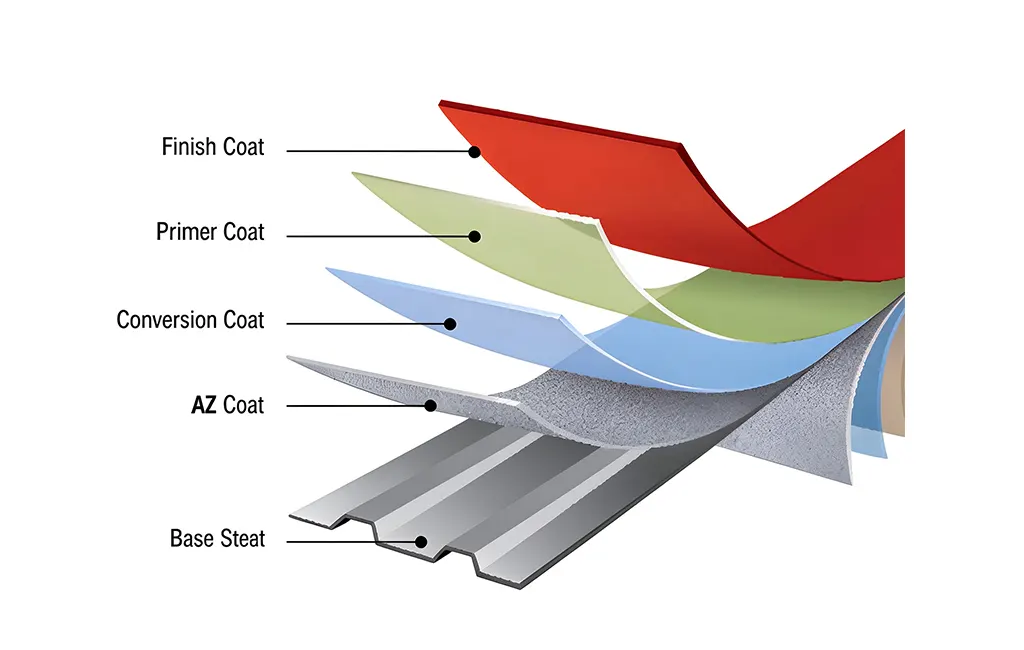
Pre-painted aluminum coil can be deployed in high-humidity tropical and monsoon climates, provided it utilizes marine-grade alloy substrates (AA3004, AA5052, or AA5083) coupled with a 70% Polyvinylidene Fluoride (PVDF) or Fluoropolymer (FEVE) coating system. High ambient humidity (), UV exposure (), and elevated airborne salinity cause standard polyester coatings to degrade via chalking, blistering, and film delamination. Specifying a 3-coat PVDF system ( dry film thickness) over a non-chromate chemical pretreatment ensures corrosion protection and color retention compliance under AAMA 2605 and ISO 12206 standards.
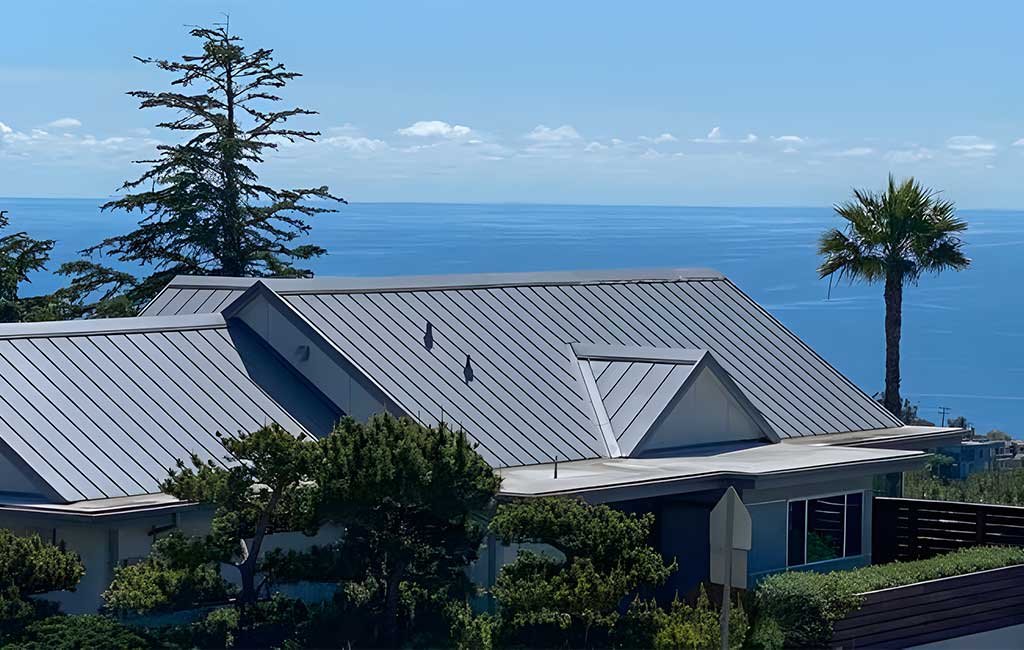
Technical Performance Matrix: Pre-Painted Aluminum Systems in Tropical Climates
The table below compares coating systems and alloy substrate specifications engineered for tropical and high-humidity monsoon environments.
| Technical Parameter | Standard Exterior System (PE) | High-Durability System (HDP) | Marine-Grade Architectural System (PVDF) | Ultra-Premium Coastal System (FEVE) |
| Resin Formulation | High-Durability Polyester | Modified Polyester Resin | 70% PVDF / 30% Acrylic | Fluoropolymer Elastomer (FEVE) |
| Target Substrate Alloys | AA1100, AA3003-H14 | AA3003, AA3105-H16 | AA3004, AA5052-H24 | AA5052, AA5083-H112 |
| Coating Structure | 2-Coat System | 2-Coat System | 3-Coat System (Primer + Top + Clear) | 3-Coat or 4-Coat System |
| Total Dry Film Thickness (DFT) | 20 – 25 | 25 – 30 | 35 – 45 | 40 – 50 |
| Neutral Salt Spray Test (ASTM B117) | ||||
| Humidity Resistance (ASTM D2247) | ||||
| QUV Accelerated Weathering (ASTM G154) | 1,000 Hours () | 2,000 Hours () | 4,000 Hours () | 6,000 Hours () |
| Operating Temperature Range | to | to | to | to |
| Primary Application Scenarios | Inland partitions, ceilings | Inland roofing, cladding | Coastal facades, monsoon curtain walls | Offshore structures, high-UV coastal roofs |
Environmental Degradation Mechanisms in Tropical Zones
High Humidity and Water Vapor Penetration
Continuous ambient relative humidity above forces moisture through micropores in standard paint films. When moisture reaches the metal-paint interface, it triggers osmotic blistering and filiform corrosion. Utilizing dense 3-coat PVDF or FEVE fluoropolymer chemistries reduces moisture vapor transmission rates (MVTR) to near-zero levels.
Combined Marine Salinity and Photolytic Oxidation
In tropical coastal belts, strong UV irradiation disrupts polymer chemical bonds (photo-oxidation) while airborne sodium chloride () acts as an electrolyte. This dual action accelerates chalking in low-grade paints. The carbon-fluorine () bond in PVDF resin possesses a bond energy of 485 kJ/mol, which exceeds the photon energy of solar UV radiation, preventing bond scission and gloss loss.
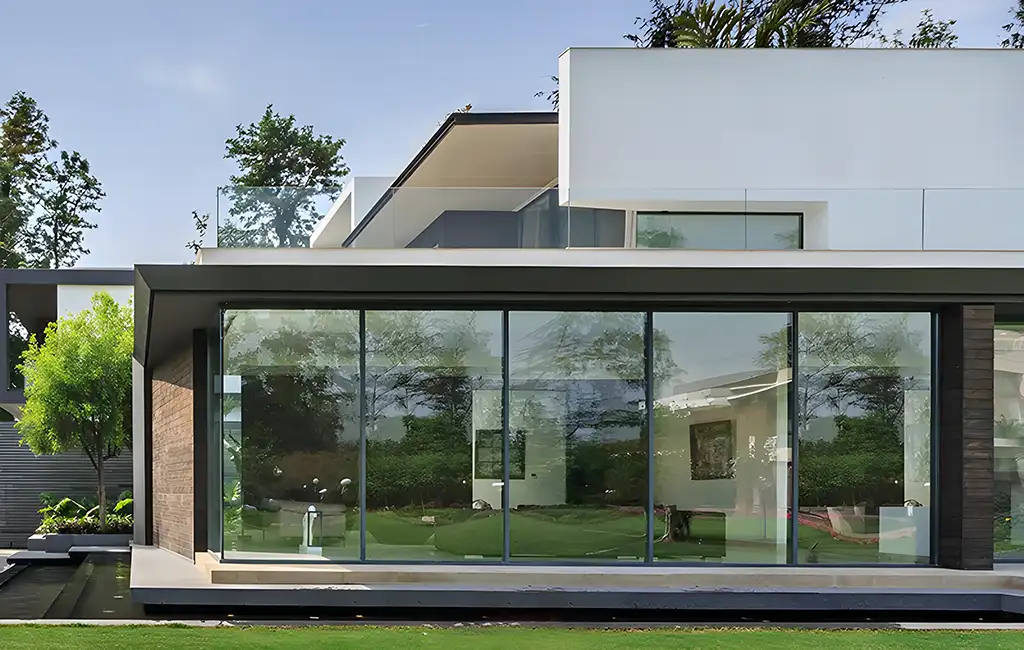
Architectural Applications in High-Humidity Regions
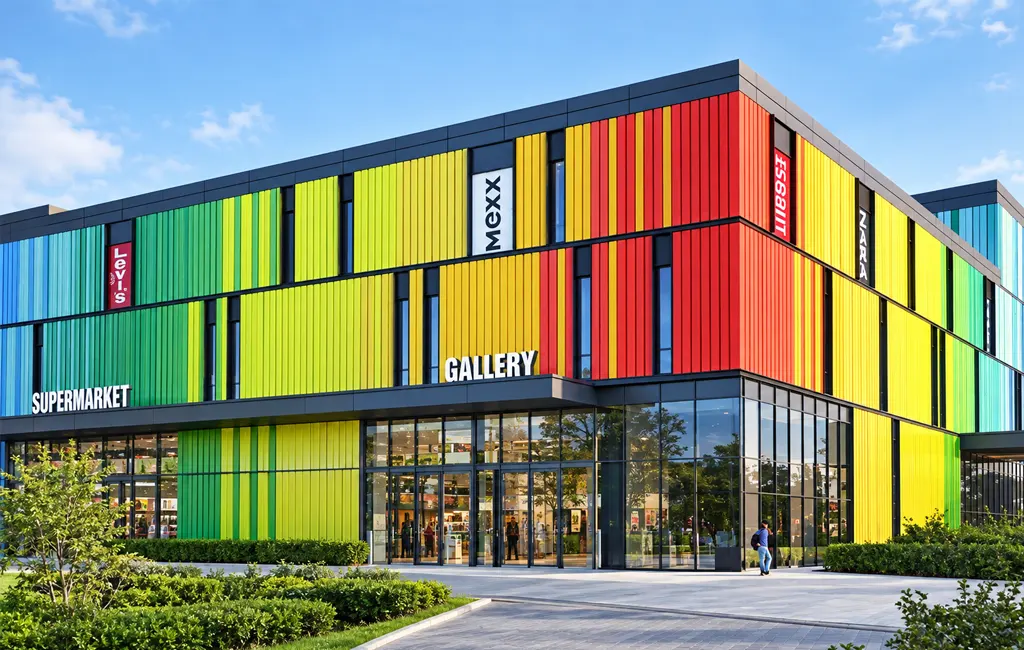
- Commercial Building Curtain Walls: Large-format exterior cassette panels fabricated from 3mm AA5052 PVDF-coated sheet for high-rise facades exposed to wind-driven rain.
- Tropical Metal Roofing Systems: Standing-seam roofing made from 0.8mm AA3004 PVDF-coated aluminum coil for airport terminals and resort complexes.
- Coastal Infrastructure Cladding: Exterior wall panels, soffits, and sunshades for transport hubs, ports, and industrial parks in maritime zones.