
Technical Comparison: SMP vs. PVDF Pre-Painted Aluminum for Exterior Applications
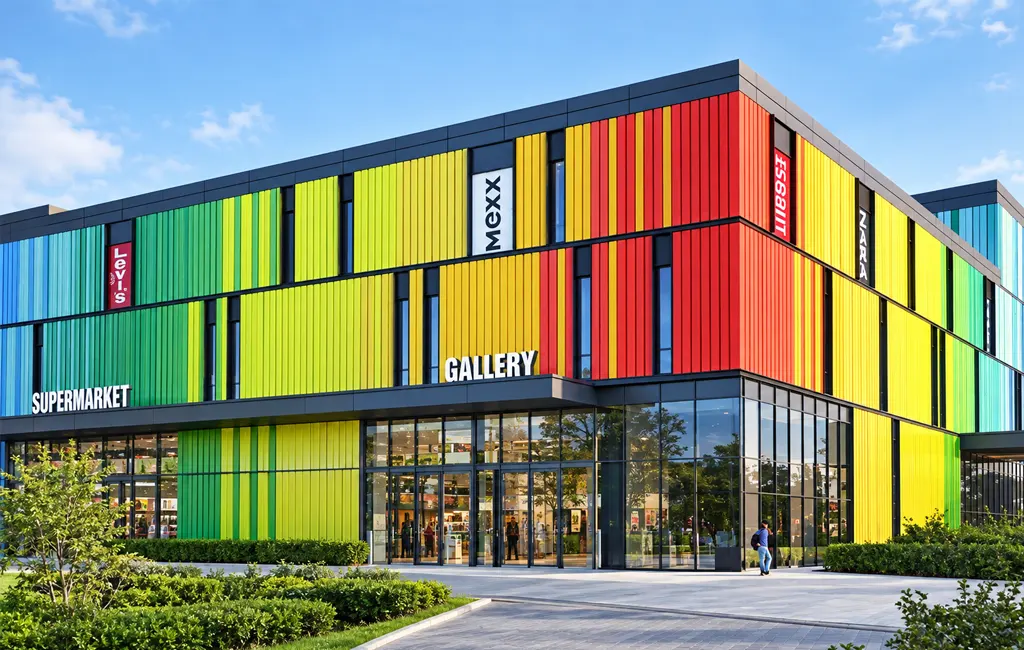
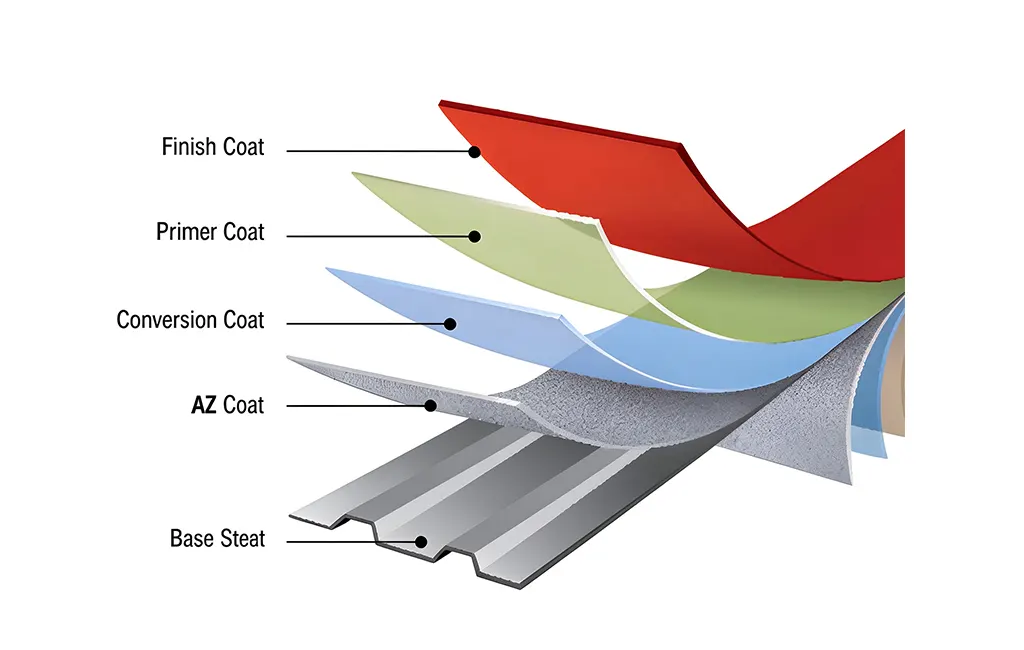
Silicone-Modified Polyester (SMP) and Polyvinylidene Fluoride (PVDF) represent two primary coil-coating resin systems specified for mid-tier exterior architectural projects like industrial roofing, commercial facades, and wall cladding. Selecting between them requires balancing upfront raw material expenditures against long-term maintenance cycles. While SMP provides higher surface hardness (2H–3H pencil hardness) and cost efficiency for low-to-moderate UV exposures, PVDF (typically a 70% Kynar 500 / Hylar 5000 resin blend) offers superior resistance to photodegradation, chalking, and chemical weathering under strict AAMA 2605 standards.
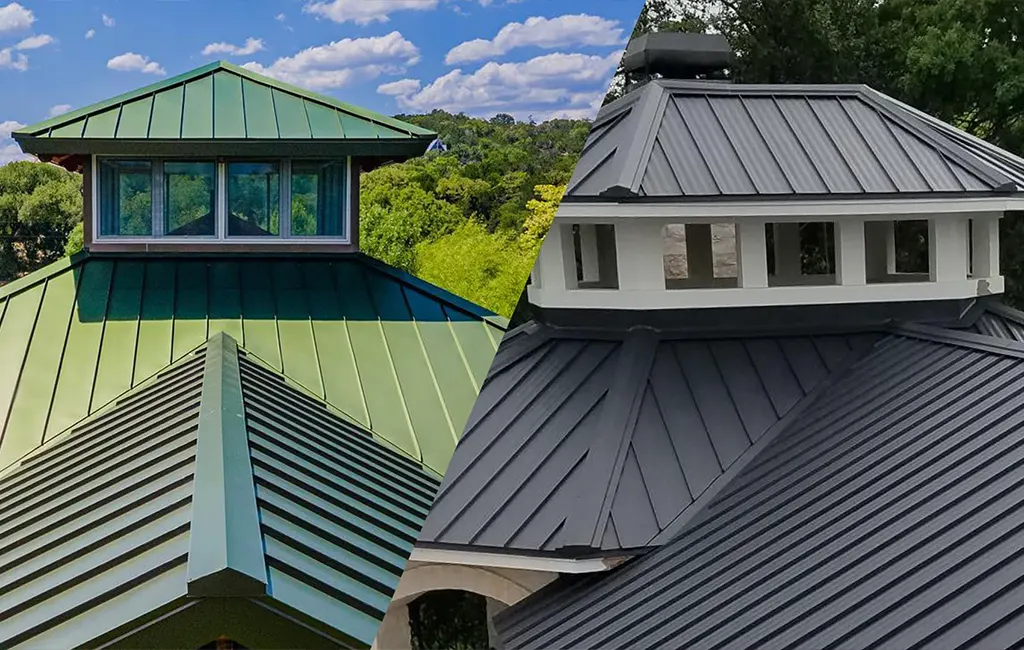
Technical Parameter Comparison: SMP vs. PVDF Coating Systems
The data matrix below evaluates the performance metrics, alloy compatibilities, and mechanical properties of SMP and PVDF coil-coated aluminum across standard testing protocols:
| Parameter / Specification | Silicone-Modified Polyester (SMP) | Polyvinylidene Fluoride (PVDF) | Testing Standard / Method |
| Resin Composition | Polyester backbone modified with 30%–50% silicone resin | 70% PVDF resin mixed with 30% acrylic binder | ASTM D2196 / FT-IR Spectroscopy |
| Standard Coating Thickness | 20–25 (Topcoat) + 5 (Primer) | 25–30 (Topcoat) + 5 (Primer) | ISO 2360 / ASTM D7091 |
| Pencil Hardness | 2H – 3H | F – H | ASTM D3363 |
| Accelerated UV Weathering (QUV) | 1,500 Hours () | 3,000+ Hours () | ASTM G154 / ISO 11507 |
| Salt Spray Corrosion Resistance | 1,500 Hours | 3,000–4,000+ Hours | ASTM B117 / ISO 9227 |
| Chalk Resistance | Rating 6–8 (after 10 years) | Rating 8–10 (after 20 years) | ASTM D4214 |
| Flexible Bending (T-Bend) | 2T – 3T (without cracking) | 0T – 1T (Superior flexibility) | ASTM D4145 |
| Compatible Aluminum Alloys | 1100-H14, 3003-H14, 3105-H16 | 3003-H14, 3004-H16, 5052-H32 | EN 573-3 / ASTM B209 |
| Service-Life Expectancy | 15 – 20 Years (Mid-tier exposure) | 25 – 35+ Years (Severe exposure) | Field exposure / ISO 12944-6 |
| Relative Material Cost Factor | Baseline () | premium | B2B Procurement Average |
Sectional Analysis: Resin Performance & Cost Engineering
Silicone-Modified Polyester (SMP) Performance Profile
SMP coatings are synthesized by chemically modifying standard polyester resins with 30% to 50% silicone intermediates. The addition of silicone cross-links improves overall hardness, thermal stability, and exterior gloss retention compared to standard polyester coatings.
- Scratch & Abrasion Resistance: Achieving a 2H–3H pencil hardness, SMP resists transit damage and mechanical abrasion during cold roll-forming operations better than softer resin matrices.
- Cost Efficiency: SMP offers a low initial capital expenditure, making it suited for mid-tier commercial warehouses, agricultural structures, and self-storage facilities where service-life requirements range from 15 to 20 years.
- Limitations: The chemical bonds within the polyester backbone remain susceptible to ultraviolet hydrolysis over extended periods, leading to gradual chalking (ASTM D4214 Rating < 6) and color drift in high-UV climates.
PVDF Fluoropolymer Performance Profile
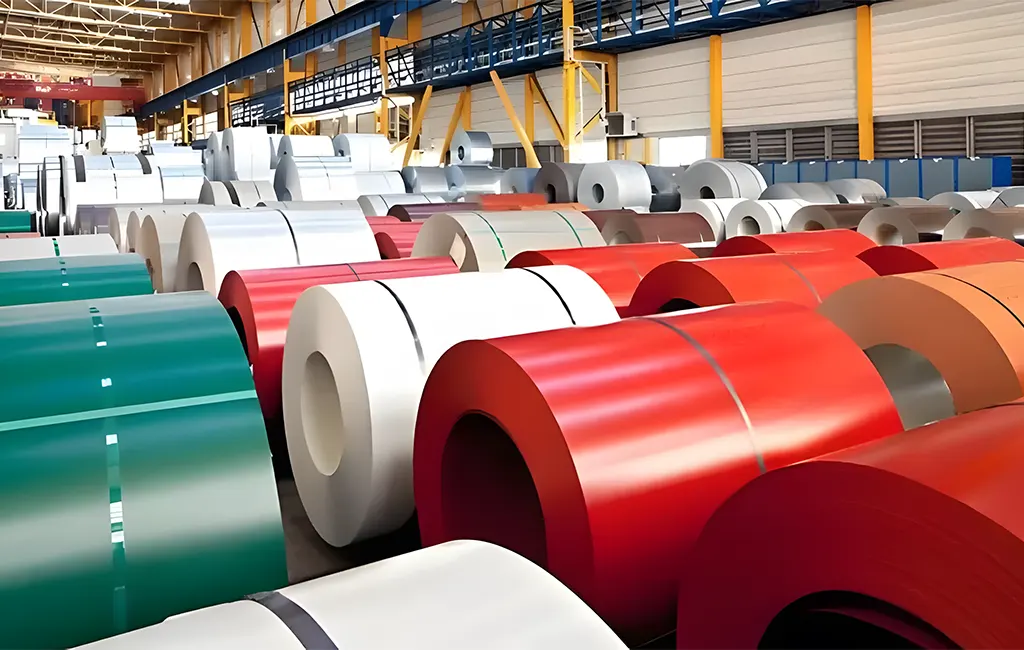
PVDF coil coatings consist of a thermoplastic fluoropolymer produced from the polymerization of vinylidene fluoride. The carbon-fluorine () bond strength () provides thermal and chemical inertia.
- Economic Trade-Off: PVDF carries a 25% to 40% initial material cost premium over SMP. However, over a 30-year lifecycle, PVDF eliminates repainting, panel replacement, and maintenance downtime, yielding a lower Total Cost of Ownership (TCO).
- Weathering & UV Resistance: Under AAMA 2605 specifications, 70% PVDF coatings maintain color fastness with minimal degradation ( CIELAB units) and low chalking over 20 to 30 years of continuous atmospheric exposure.
- Chemical & Corrosion Resistance: PVDF demonstrates high resistance to acid rain, salt spray, and atmospheric pollutants, making it the standard choice for high-rise curtain walls, airport terminals, and coastal installations using 5052-H32 aluminum.