
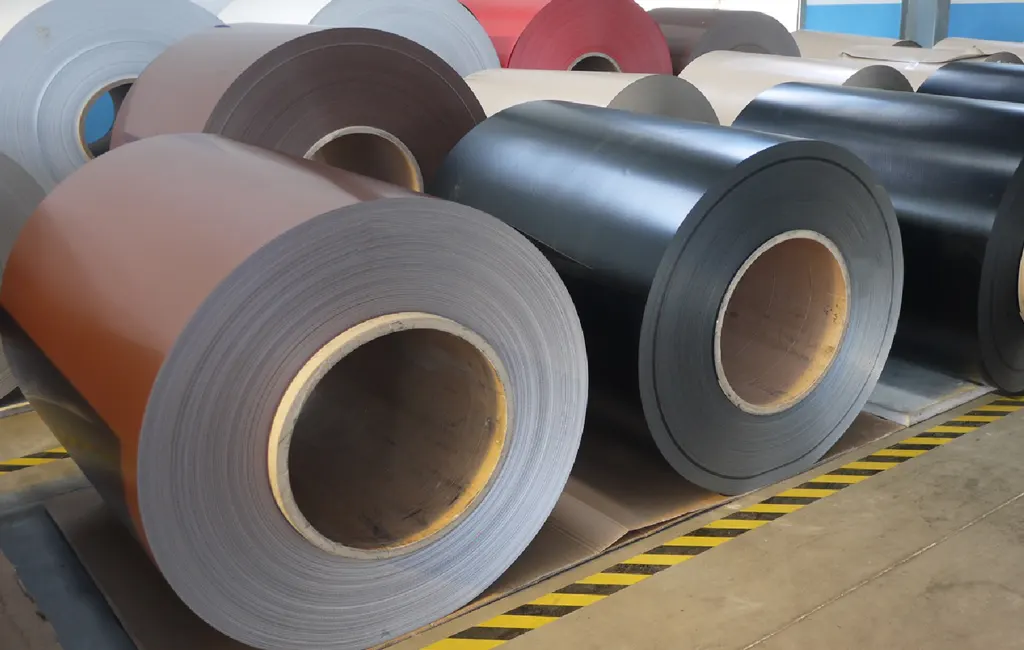
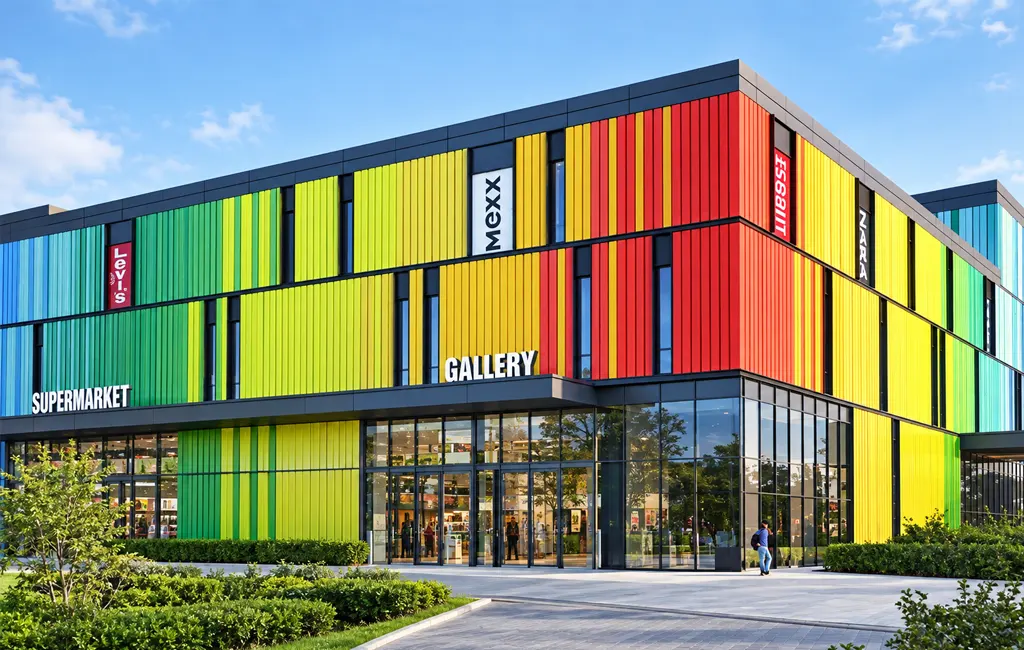
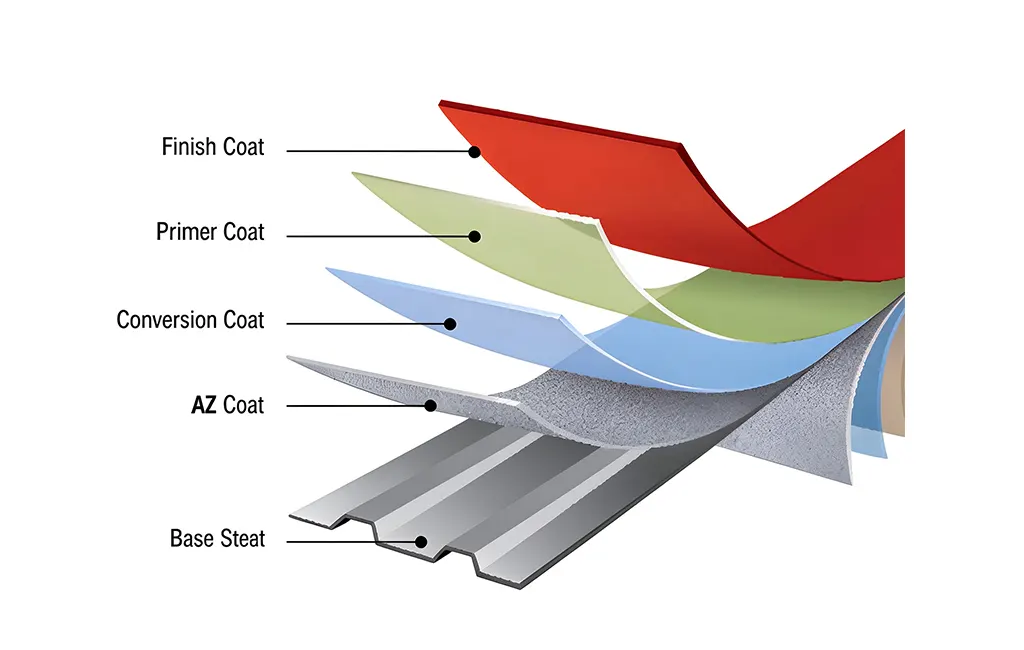
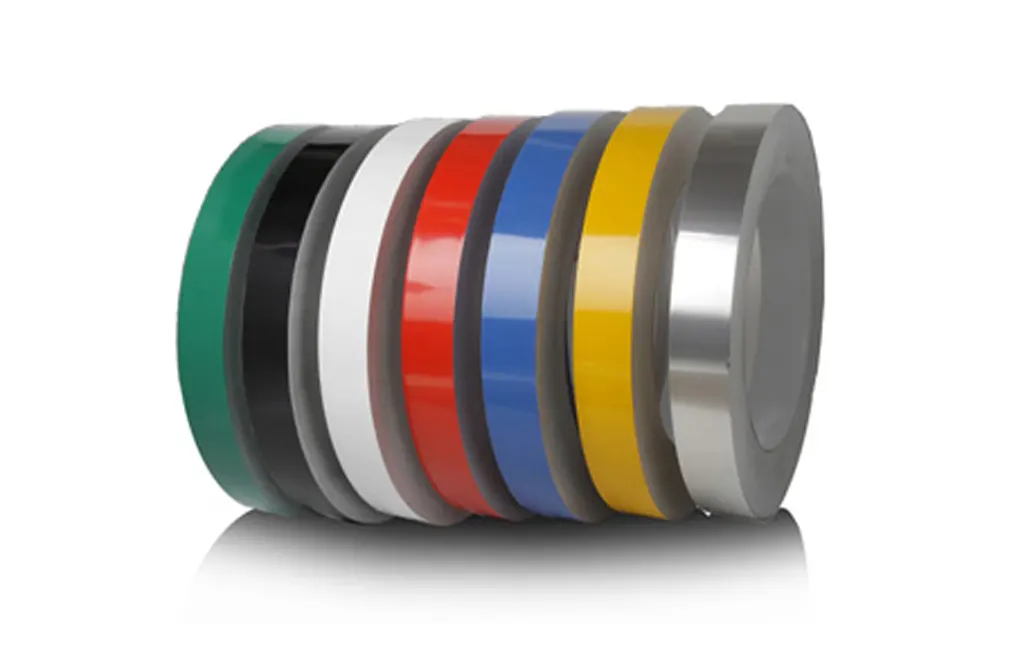
FEVE (Fluoroethylene Vinyl Ether) fluorocarbon coated aluminum is a high-performance color-coated aluminum substrate engineered with an alternating copolymer resin matrix. Unlike traditional thermoplastic coatings, FEVE utilizes a thermosetting or ambient-curing fluoroethylene-vinyl ether polymer structure that delivers exceptional ultra-violet (UV) degradation resistance, weatherability, and chemical inertness. It meets or exceeds AAMA 2605-20 and EN 1396 standards, providing gloss levels ranging from matte (10%) to high-gloss (90%+ at 60°), a dry film thickness (DFT) of 25–35 μm, and salt spray resistance exceeding 4,000 hours. It is primarily utilized in architectural curtain walls, corporate signage, and coastal facades requiring long-term color fastness and gloss retention without chalking or degradation.
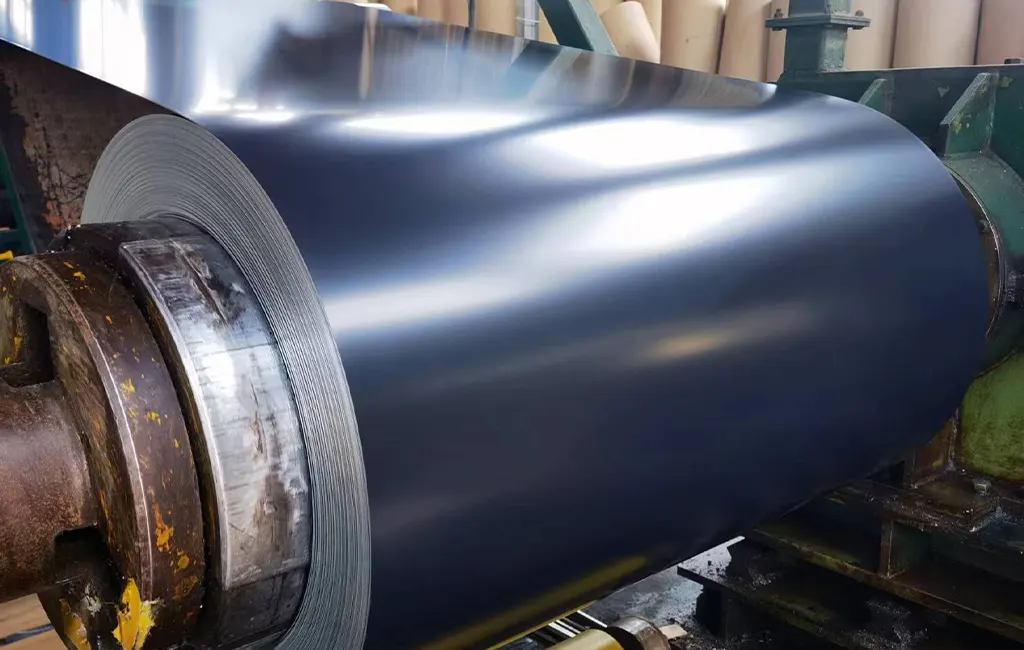
Technical Parameter Matrix: FEVE Coated Aluminum vs. Alternative Finishes
| Technical Parameter | FEVE Fluorocarbon Coating | PVDF Coating (70/30) | Thermoset Powder Coating | Anodized Finish (Class I) | Standard Testing Method |
| Base Polymer / Chemistry | Fluoroethylene Vinyl Ether | Polyvinylidene Fluoride | Polyester / FEVE Hybrid | Aluminum Oxide () | N/A |
| Compatible Alloy Grades | 3003-H14, 5052-H32, 6061-T6 | 3003-H14, 3105-H14, 5052-H32 | 3003-H14, 6063-T5 | 5052-H32, 6063-T6 | EN 485 / ASTM B209 |
| Coating Thickness Range | 25 – 35 μm | 25 – 30 μm | 60 – 80 μm | 18 – 25 μm (Anodic Layer) | ASTM D7091 / ISO 2360 |
| Gloss Rating Range (60°) | 10% – 90%+ | 20% – 35% | 30% – 85% | Matte to Bright Metallic | ASTM D523 |
| Salt Spray Resistance | > 4,000 Hours | > 4,000 Hours | 1,000 – 3,000 Hours | > 3,000 Hours | ASTM B117 / ISO 9227 |
| QUV UV Exposure Resistance | > 4,000 Hours () | > 4,000 Hours () | 1,000 – 2,000 Hours | N/A (Inorganic Layer) | ASTM G154 / AAMA 2605 |
| Pencil Hardness Grade | F – 2H | F – H | H – 2H | > 9 Mohs Scale | ASTM D3363 |
| Curing Temperature Range | Ambient to 200°C | 232°C – 250°C | 180°C – 200°C | N/A (Electrochemical) | Internal QA |
| Field Repairability | High (Air-Dry / Ambient) | Low (Requires Factory Re-Bake) | Medium (Touch-up Spray) | None (Replacement Required) | Field SOP |
Chemistry, Performance Properties, and Application Scenarios of FEVE Coatings
FEVE resins are synthesized through alternating units of fluoroethylene and vinyl ether:
- Fluoroethylene Blocks: Consist of ultra-stable Fluorine-Carbon () chemical bonds that absorb solar UV energy without undergoing molecular chain scission, preventing chalking and surface oxidation under high UV radiation ().
- Vinyl Ether Blocks: Grant organic solvent solubility, transparency, pigment compatibility, and functional hydroxyl group cross-linking. This enables high-gloss formulations and permits curing at ambient temperatures or standard coil-coating baking ranges.
Key Performance Characteristics
- High Gloss & Vivid Color Range: Unlike PVDF resin blends (which are limited to low-to-medium gloss due to PVDF phase separation), FEVE coatings cover a complete gloss spectrum (10% to 90%+) with vivid color saturation and clear-coat capabilities.
- On-Site Touch-up and Field Application: Because FEVE formulations can cure under ambient conditions using aliphatic polyisocyanate crosslinkers, field repairs or structural repainting can be executed on-site with performance identical to factory-applied coatings.
- Chemical and Abrasion Resistance: The dense cross-linked matrix resists acid rain, industrial pollutants (), alkaline environments, and airborne abrasive particulates, maintaining a pencil hardness of F to 2H.
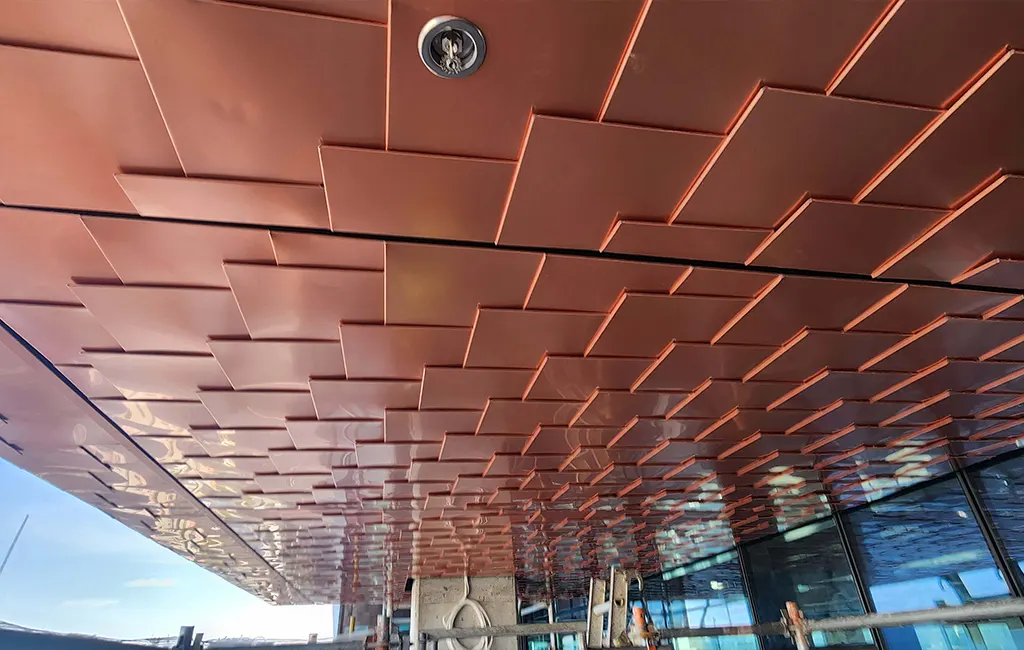
Primary B2B Application Scenarios
- Corporate Identity & Transportation Signage: Applied across brand canopy systems, gas stations, rail transit interiors, and highway signage where exact color matching () and high-visibility gloss are required over extended service periods (20+ years).
- Architectural Curtain Walls & High-Rise Facades: Used on aluminum composite panels (ACP) and solid aluminum plates (5052-H32) for corporate headquarters and modern skyscrapers requiring glossy, self-cleaning exterior skins.
- Coastal & Marine Infrastructure: Installed on airport terminals, marine ports, and offshore structures where atmospheric salt fog and chloride ions cause rapid corrosion on lower-tier paint systems.