

Technical Justification: Why 3004, 3005, and 3105 Dominate 3xxx Pre-Painted Coil Manufacturing
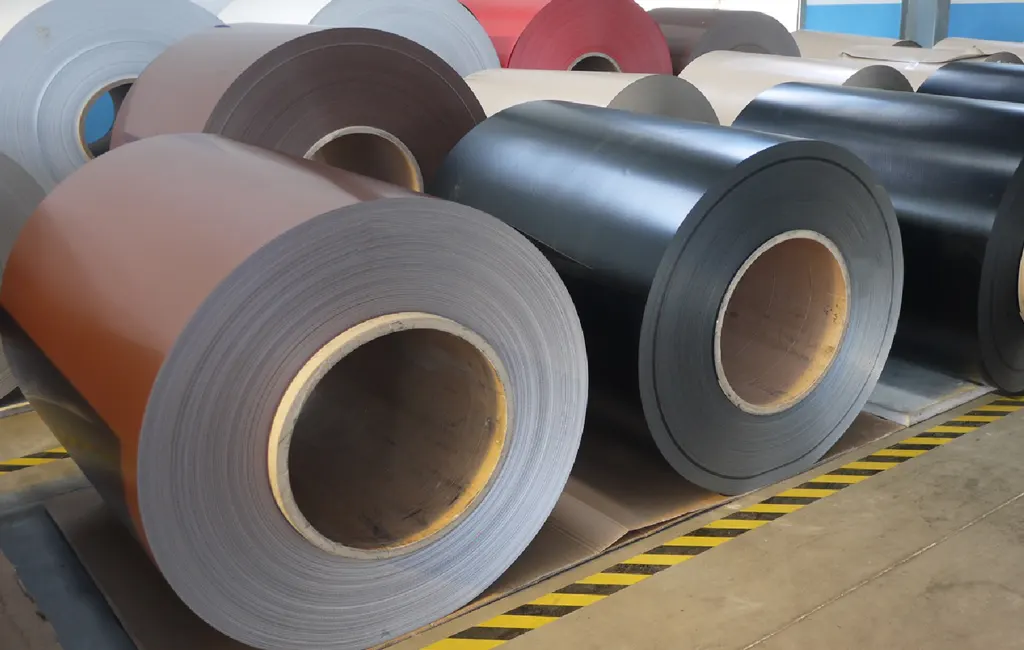
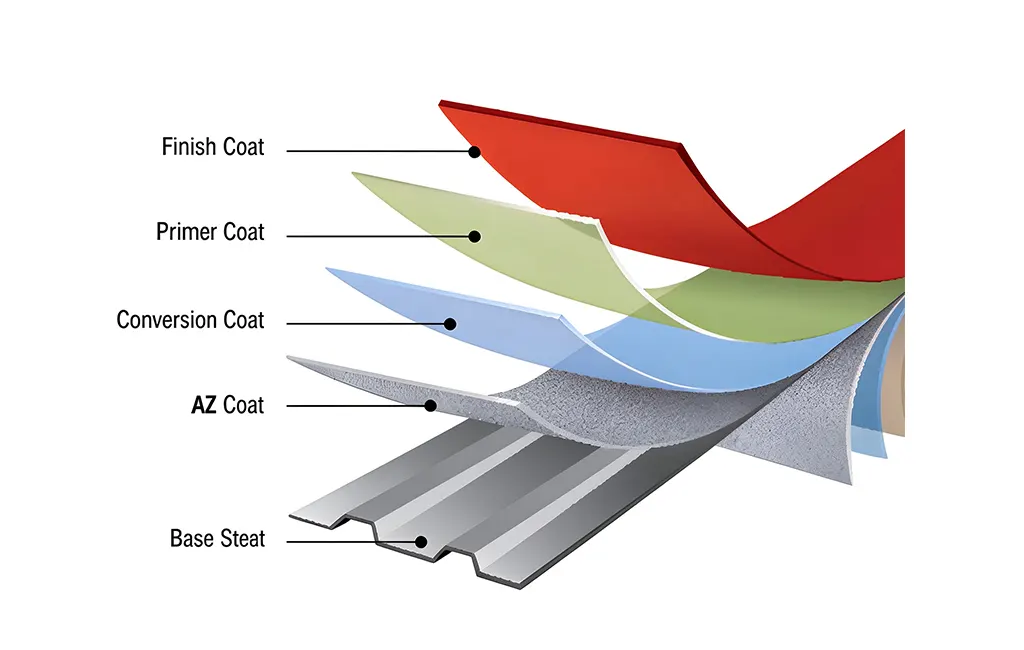
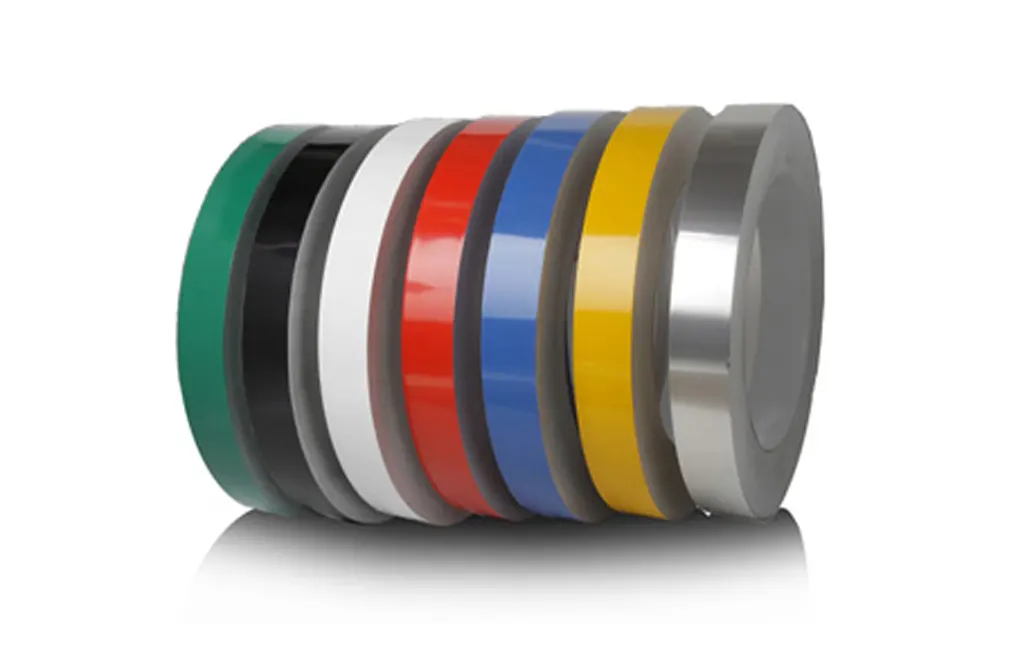
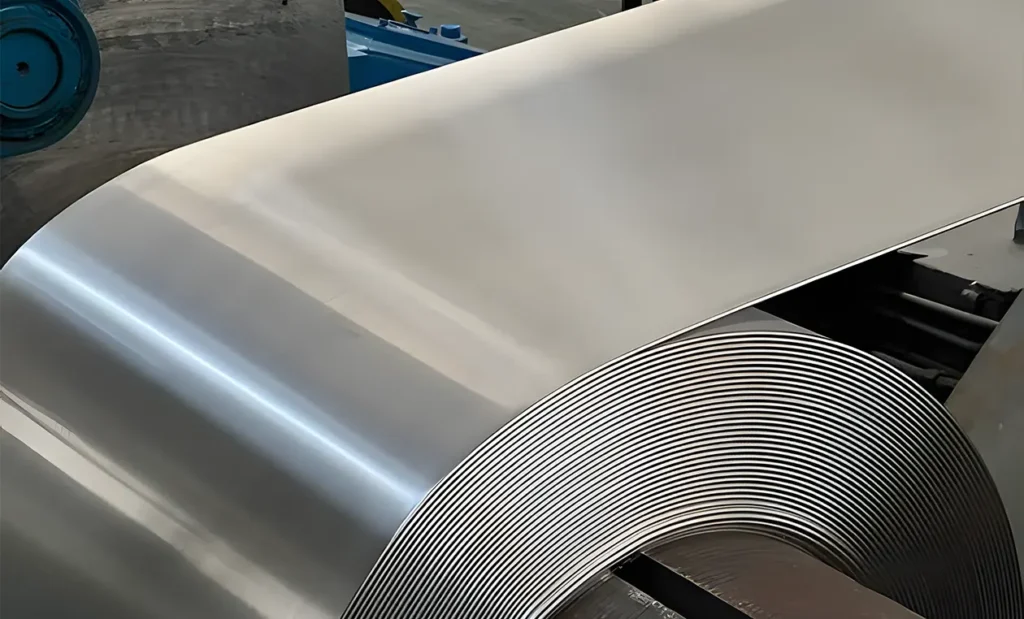
Alloys 3004, 3005, and 3105 dominate the pre-painted aluminum coil market due to their optimal balance of mechanical strength, deep-draw ductility, and microstructural compatibility with continuous coil-coating lines. These non-heat-treatable Al-Mn (3000-series) substrates leverage specific Manganese () and Magnesium () additions to achieve yield strengths from to while maintaining excellent T-bend flexibility (). When paired with 25–35 μm PVDF or FEVE coating systems compliant with AAMA 2605 [1]and EN 13523, these alloys prevent edge creep corrosion, resist oil-canning under wind loads, and withstand high-speed roll-forming without micro-cracking.
Technical Parameter & Metallurgical Performance Matrix
The comparative matrix below outlines the exact chemical composition, mechanical thresholds, coating metrics, and performance parameters that make 3004, 3005, and 3105 the primary substrates for color-coated coils:
| Technical Metric / Parameter | 3004-H24 Pre-Painted Substrate | 3005-H24 Pre-Painted Substrate | 3105-H16 / H24 Pre-Painted Substrate | Standard / Verification Protocol |
|---|---|---|---|---|
| Alloy Chemical Composition | Al-Mn1Mg1 (1.0–1.5% Mn, 0.8–1.3% Mg) | Al-Mn1Mg0.5 (1.0–1.5% Mn, 0.2–0.6% Mg) | Al-Mn0.5Mg0.5 (0.3–0.8% Mn, 0.2–0.8% Mg) | EN 573-3 / ASTM B209 |
| Tensile Strength (Rₘ) | 180–220 MPa | 150–190 MPa | 145–185 MPa | ASTM B557 / EN 10002-1 |
| Yield Strength (Rₚ₀.₂) | ≥ 150 MPa | ≥ 125 MPa | ≥ 115 MPa | ASTM B557 / EN 10002-1 |
| Elongation at Break (A₅₀ₘₘ) | ≥ 5% | ≥ 6% | ≥ 4% | ISO 6892-1 |
| Coating Thickness (DFT) | 25–35 μm (2-Coat/3-Coat PVDF) | 25–30 μm (PVDF / FEVE) | 20–25 μm (High-Durable Polyester) | AAMA 2605 / EN 13523-2 |
| Minimum T-Bend Rating | ≤ 2T (Zero paint pick-off) | ≤ 1.5T (Superior formability) | ≤ 2.5T | ASTM D4145 / EN 13523-7 |
| Salt Spray Resistance | ≥ 3,000 Hours | ≥ 3,000 Hours | ≥ 1,500 Hours | ASTM B117 / ISO 9227 |
| QUV Exposure (ΔE ≤ 5) | ≥ 4,000 Hours | ≥ 4,000 Hours | ≥ 2,000 Hours | ASTM G154 / ISO 11507 |
| Operating Temp. Range | -50℃ to +80℃ | -50℃ to +80℃ | -40℃ to +70℃ | AAMA Standard Specs |
| Core Industrial Application | Structural Standing Seam Roofing | Architectural Cassettes & Wall Panels | Rain Gutters, Siding, Shutter Slats | Industry Benchmark |
Technical Breakdown: Metallurgical Drivers Behind 3xxx Market Leadership
Solid-Solution Strengthening via Magnesium Additions
While standard 1100-series aluminum lacks structural yield strength and 5000-series alloys [2]can incur higher processing costs, the 3xxx Manganese family offers an optimal middle ground.
- The Role of Magnesium (): Adding Magnesium to the Al-Mn matrix induces solid-solution strengthening without forming unstable Mg-rich phases at grain boundaries. In 3004-H24, the content boosts yield strength above , preventing elastic deflection (“oil-canning”) in wide architectural standing seam panels.
- Balanced Formability in 3005: By capping Magnesium at , 3005-H24 lowers strain-hardening rates during cold forming. This lattice slip flexibility enables bends on high-speed profile mills without causing microscopic micro-cracks in the organic coating.
Thermal Baking Compatibility (PMT Stability)
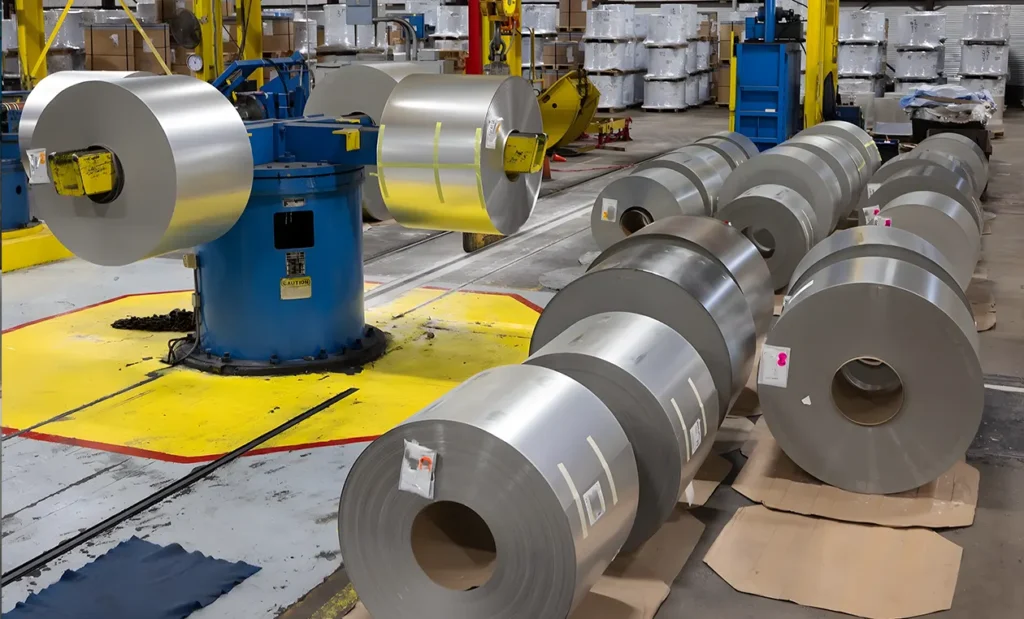
Coil coating lines pass wet-painted aluminum through catenary drying ovens reaching Peak Metal Temperatures (PMT) of .
- Resistance to Over-Aging: Heat-treatable alloys (e.g., 6061) [2] suffer uncontrollable strength loss under these baking cycles. 3xxx series Manganese alloys retain their strain-hardened H14, H24, or H16 tempers through high-temperature paint curing without partial annealing or strength degradation.
Economic Efficiency & Scrap Utilization
- Scrap-Tolerant Metallurgy: 3105 aluminum features wider chemical tolerance bands (, , and up to ). This allows manufacturers to utilize high ratios of recycled mill scrap during casting, significantly lowering substrate raw material costs for secondary building applications like gutters, downspouts, and siding.
References
[1] Wikipedia. American Architectural Manufacturers Association[EB/OL]. 2026-09-30.
[2] Wikipedia. Aluminium alloy[EB/OL]. 2026-09-30.
[3] Wikipedia. Salt spray test[EB/OL]. 2026-09-30.