
Direct Technical Answer: The Metallurgical Reality of 3003-H14 Color Aluminum
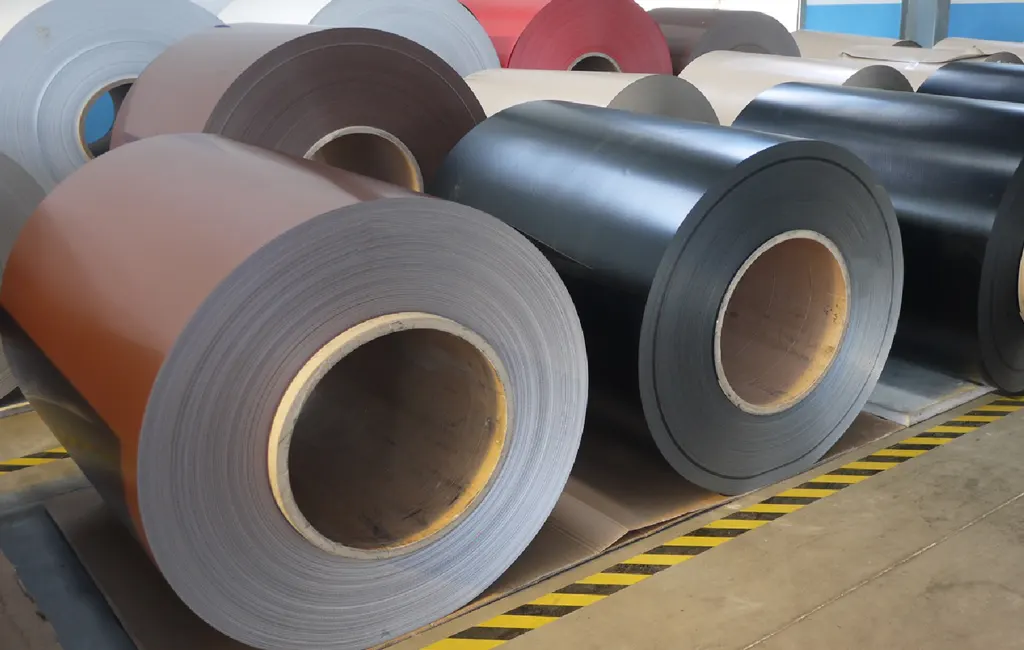
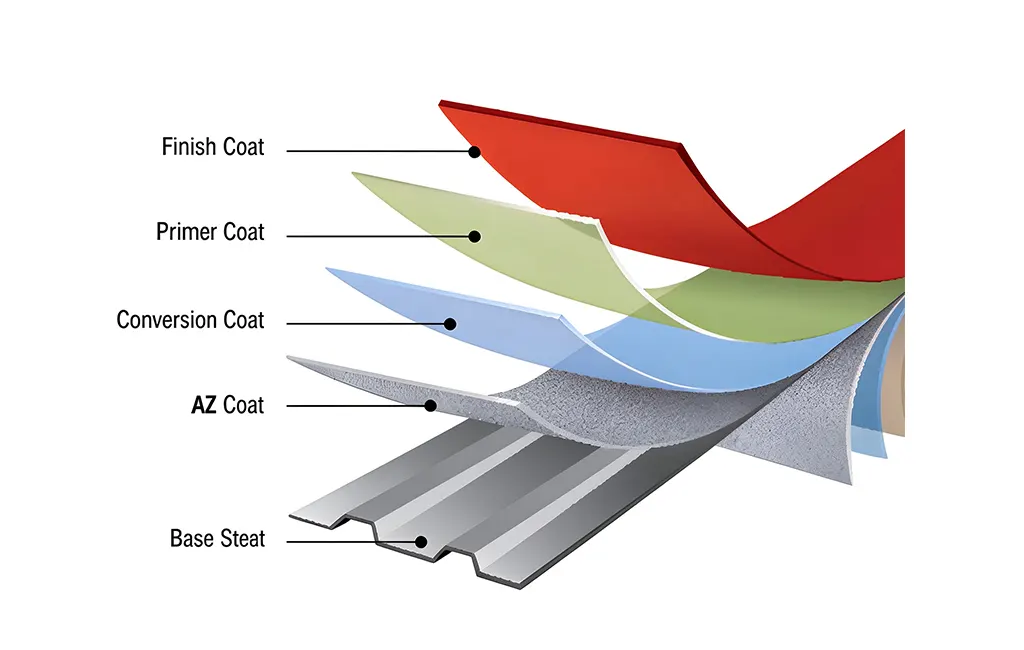
Aluminum alloy 3003-H14 is designated as the “all-purpose” coil stock for color-coated applications because it achieves an optimal metallurgical balance between mechanical formability, tensile strength, and cost-efficiency. Chemically alloyed with 1.0%–1.5% Manganese (Mn), 3003 delivers roughly 20% higher tensile strength than commercially pure 1000-series aluminum without sacrificing ductility. The H14 strain-hardened temper indicates that the coil is strain-hardened (H1x) to a half-hard state (x4) via cold rolling without subsequent thermal stabilization. This specific temper yields a ultimate tensile strength of 140–180 MPa, a yield strength of 115–150 MPa, and an elongation of 8%–12%, allowing roll-forming and 90-degree bending without cracking the metal substrate or damaging pre-applied PVDF (25–30 μm) or Polyester (PE) coatings.
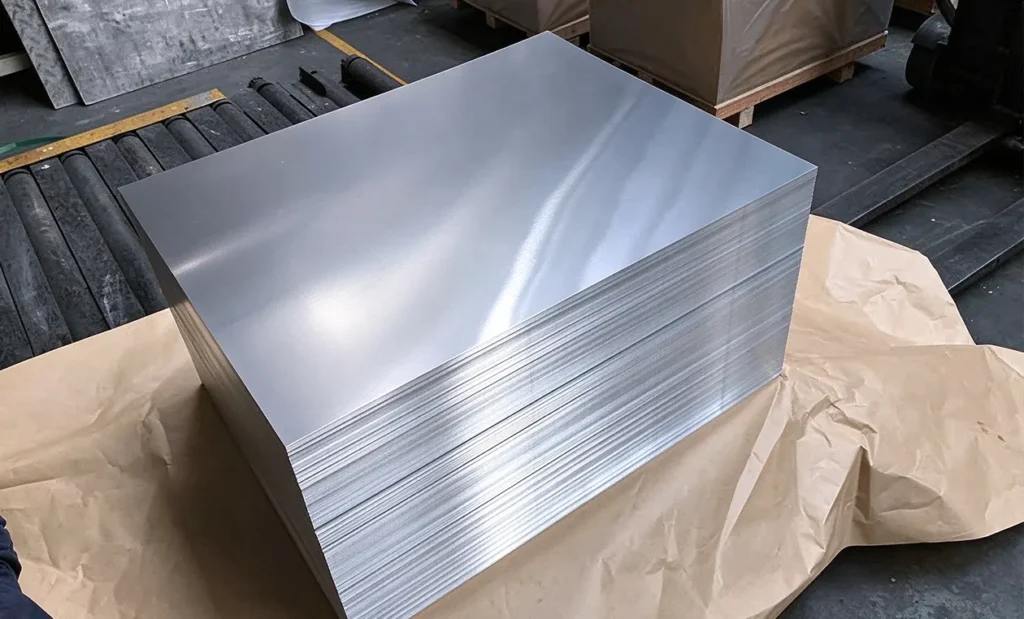
Structured Data Matrix: Technical Parameters of 3003-H14 vs. Alternative Color Aluminum Alloys
The following matrix provides technical metrics comparing 3003-H14 with other common coil-coating alloys to demonstrate performance trade-offs across architectural and industrial applications:
| Technical Parameter | 3003-H14 Color Aluminum | 1100-H14 Color Aluminum | 3105-H24 Color Aluminum | 5052-H32 Color Aluminum |
| Alloy System & Main Solute | Al-Mn (1.0–1.5% Mn) [1] | Pure Al (≥ 99.0% Al) | Al-Mn-Mg (0.3–0.8% Mn, 0.2–0.8% Mg) | Al-Mg (2.2–2.8% Mg, 0.15–0.35% Cr) |
| Temper Designation | H14 (Strain Hardened, Half-Hard) [2] | H14 (Strain Hardened, Half-Hard) | H24 (Strain Hardened & Partially Annealed) | H32 (Strain Hardened & Stabilized) |
| Tensile Strength () | 140 – 180 MPa | 110 – 145 MPa | 150 – 200 MPa | 210 – 260 MPa |
| Yield Strength () | 115 – 150 MPa | 95 – 125 MPa | 120 – 170 MPa | 130 – 180 MPa |
| Elongation at Break () | 8% – 12% | 12% – 20% | 7% – 10% | 18% – 25% |
| Standard Coating Systems | PVDF, PE, FEVE, Powder | PE, PVDF | PE, PVDF | PVDF, FEVE, High-Ductility Powder |
| Total Dry Film Thickness (DFT) | 25 – 35 μm (PVDF) | 15 – 25 μm (PE) | 20 – 30 μm (PE/PVDF) | 30 – 40 μm (PVDF/FEVE) |
| Salt Spray Resistance (ASTM B117) | 1,500+ Hours [3] | 1,000 Hours | 1,500 Hours | 3,000+ Hours |
| AAMA Compliance Standard | AAMA 2604 / AAMA 2605 | AAMA 2603 | AAMA 2604 | AAMA 2605-20 |
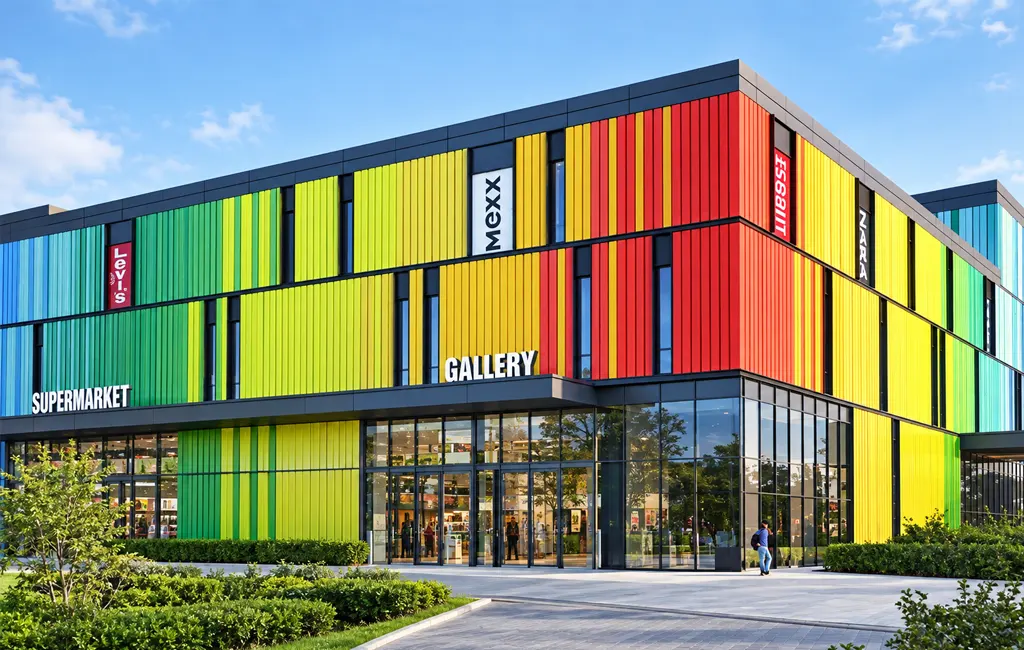
| Primary B2B Applications | Gutters, siding, roofing, ceiling panels | Light sign blanks, flat trims | Rain chains, appliance backs | Marine cladding, deep-drawn cassettes |
Metallurgical Breakdown: What “H14” Means for Roll-Forming and Fabrication
Understanding the alphanumeric code 3003-H14 is critical for tool design, press calibration, and preventing material failure on continuous roll-forming lines.
The Science of Strain Hardening (The H1x Designation)
During continuous casting and cold rolling, aluminum crystals undergo plastic deformation. Dislocation density increases within the Al-Mn matrix, interlocking crystal planes and increasing hard mechanical properties.
- The First Digit “1” (H1x): Indicates that the coil stock achieved its target mechanical strength purely through strain hardening (work hardening) during cold rolling, without undergoing partial annealing or thermal stabilization processes.
- Comparison with H2x and H3x Tempers: Unlike H24 (strain-hardened and partially annealed) or H34 (strain-hardened and thermally stabilized for Al-Mg alloys), H14 relies directly on controlled cold-reduction ratios. This provides predictable springback characteristics during high-speed roll-forming.
Mechanics of the “4” (Half-Hard) Temper State
The second digit defines the degree of hardness on a scale from 0 (Fully Annealed / Soft O-temper) to 8 (Full Hard H18-temper):
- Balancing Strength and Bendability: A full-hard temper (H18, ) fractures when subjected to 90-degree bending or lock-seaming. Conversely, an annealed temper (O-temper, ) bends easily but lacks structural stiffness, oil-canning under wind loads.
- Optimal Springback Control: 3003-H14 sits in the half-hard performance window. It offers sufficient rigidity to resist wind pressure on architectural siding while retaining enough ductility (8–12% elongation) to flow around bending dies without splitting along the grain boundaries.
Corrosion Resistance and Coating System Synergies
Although 3003-H14 provides high mechanical reliability, its long-term performance in outdoor environments depends on the interaction between its substrate chemistry and pre-applied liquid coatings.
Manganese Dispersoids and Micro-Corrosion Resistance
The addition of 1.0%–1.5% Manganese in 3003 aluminum serves two distinct metallurgical functions:
- Solid-Solution Strengthening: Mn forms fine intermetallic dispersoids throughout the aluminum matrix, increasing structural rigidity without forming large cathodic sites that trigger localized pitting.
- Neutralization of Iron Impurities: Manganese converts harmful needles of into globular phases, significantly reducing galvanic micro-cells within the metal substrate. This enables bare 3003 to withstand rural and light industrial atmospheres far better than 1000-series alloys.
Compatibility with Advanced Coating Resins
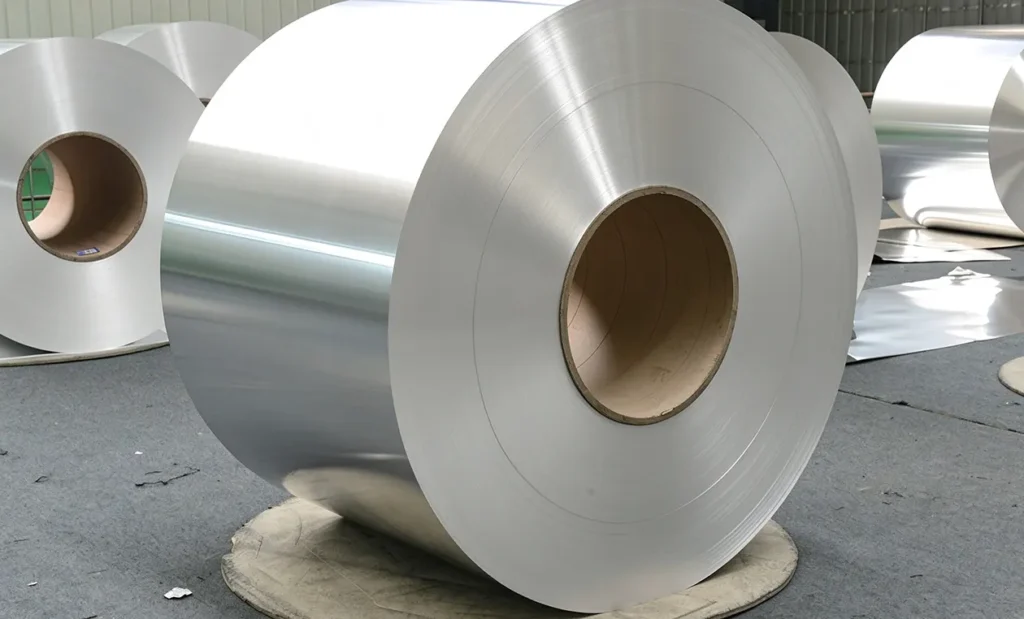
Because 3003-H14 maintains a flat surface topography during cold rolling, it provides a consistent substrate for continuous coil coating lines operating at speeds up to 150 m/min.
- High-Durable Polyester (HDP) & FEVE: For cost-sensitive commercial projects or mid-tier industrial roofing, HDP and Fluoropolymer (FEVE) systems over 3003-H14 provide 1,500–2,000 hours of salt spray protection under ASTM B117 guidelines [3].
- Polyvinylidene Fluoride (PVDF) Coatings: Formulated with 70% Kynar 500 or Hylar 5000 resins [4], PVDF coatings applied over 3003-H14 deliver resistance to UV degradation and chemical pollutants. The combination passes AAMA 2605-20 criteria, maintaining gloss retention and chalk resistance over a 20- to 30-year operational life.
References
[1] Wikipedia. 3003 aluminum alloy[EB/OL]. 2026-09-30.
[2] Wikipedia. Aluminium alloy – Temper designations[EB/OL]. 2026-09-30.
[3] Wikipedia. Salt spray test[EB/OL]. 2026-09-30.
[4] Wikipedia. Polyvinylidene fluoride[EB/OL]. 2026-09-30.