
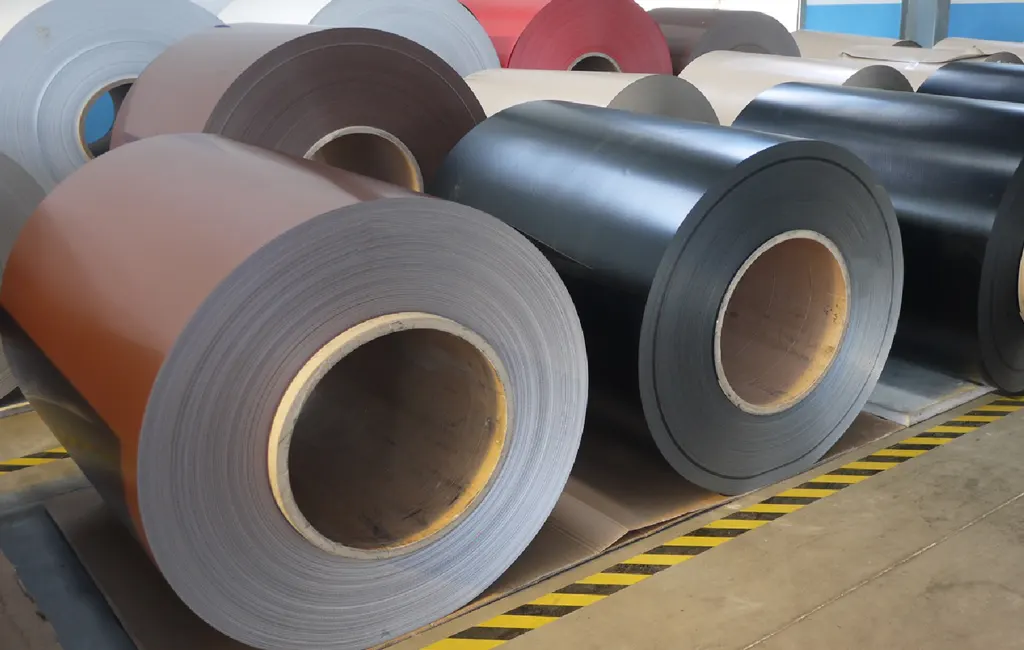
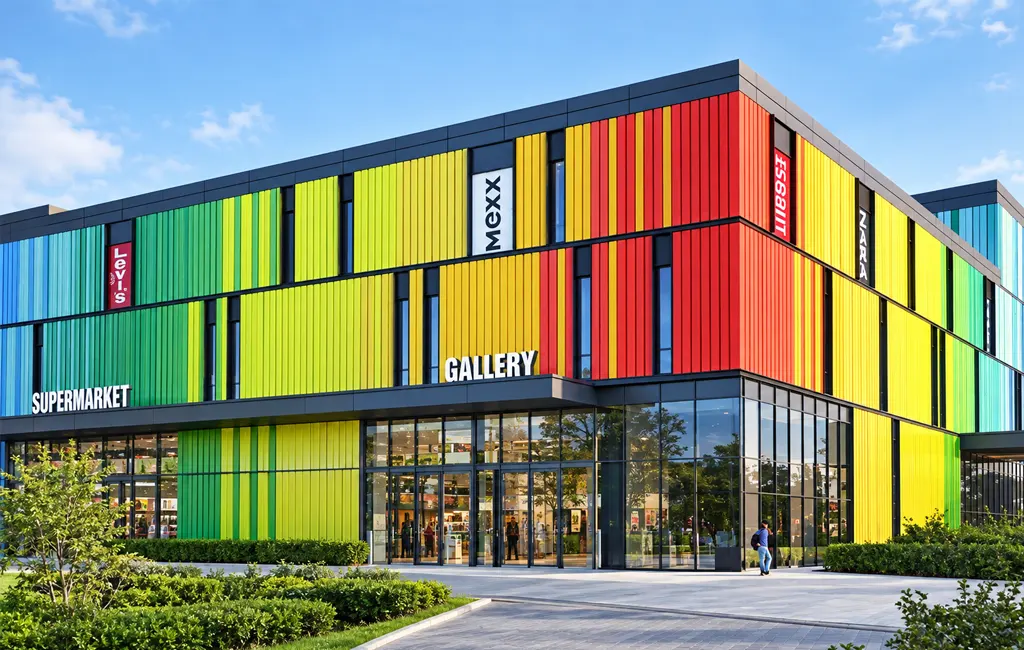
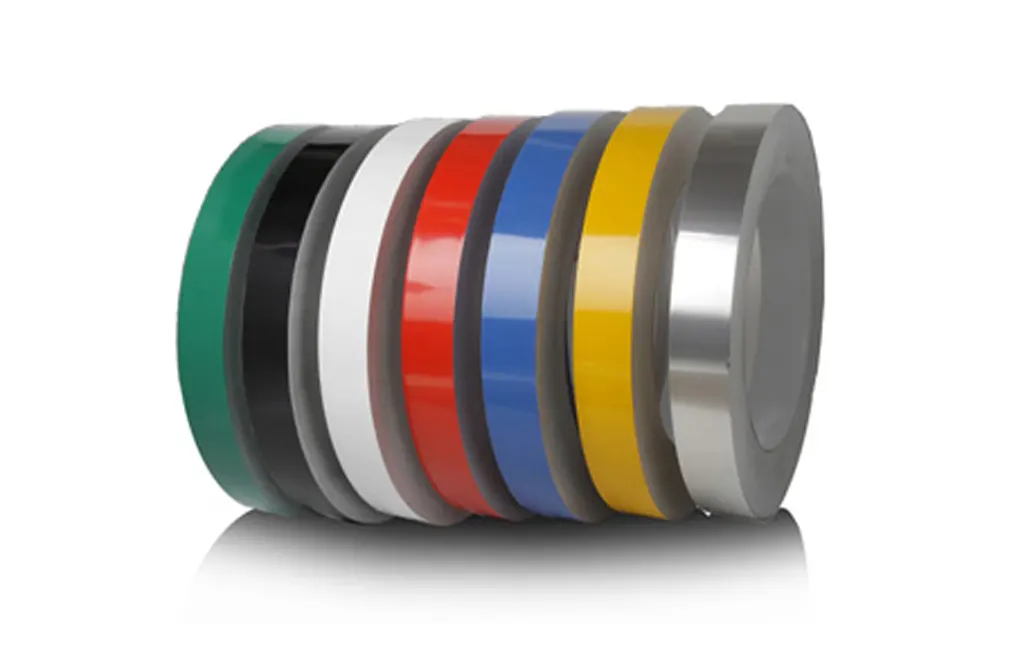
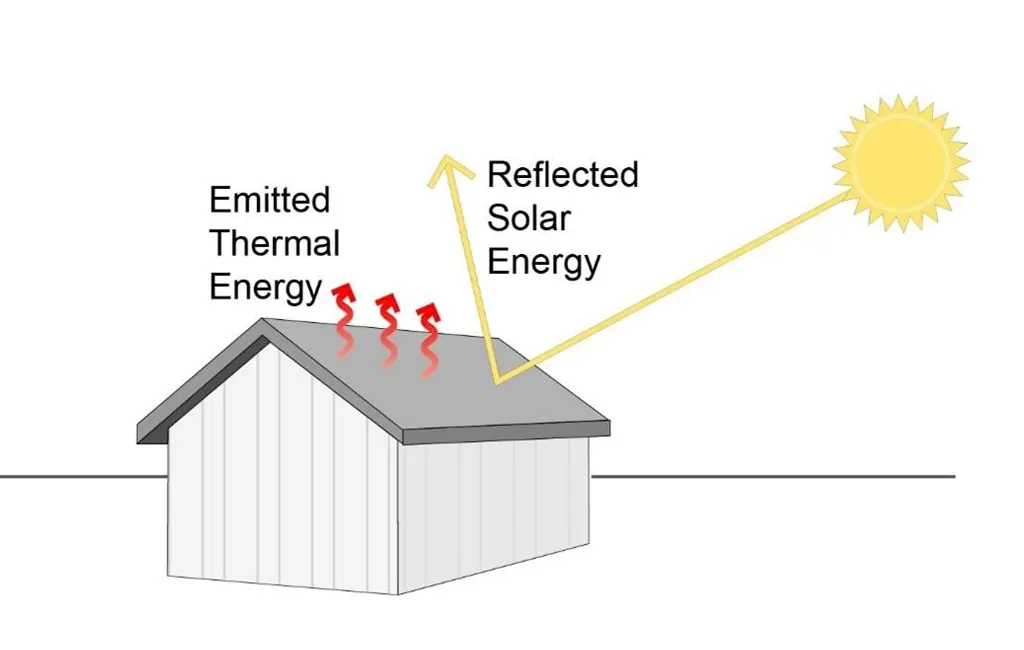
High-SRI (Solar Reflectance Index) white color-coated aluminum reduces building cooling loads by combining a high-purity aluminum alloy substrate (typically 3003 or 5052 series) with a specialized Polyvinylidene Fluoride (PVDF) [1] or advanced fluoropolymer coating embedded with infrared-reflective pigments. Operating under ASTM E1980 standards, an architectural white coil with an SRI value exceeding 108 reflects up to 80% of incoming shortwave solar radiation while maintaining a high thermal emittance (\ge 0.85). This dual mechanism prevents thermal energy absorption, significantly lowering roof and facade surface temperatures, minimizing interior heat gain, and reducing peak HVAC energy consumption in commercial and industrial structures.
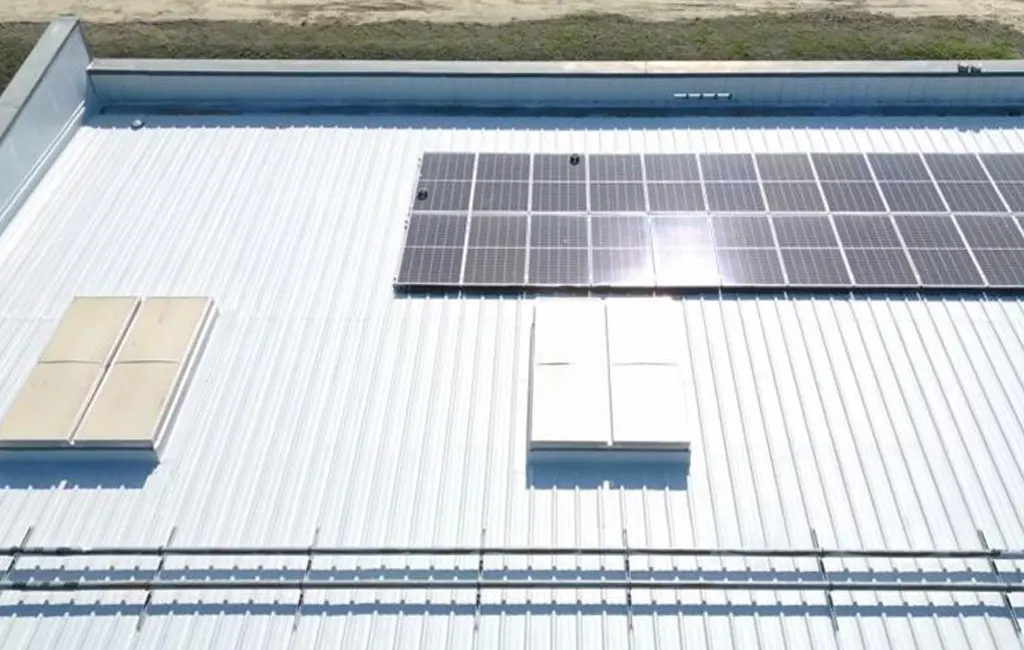
Technical Parameter Matrix: High-SRI Color-Coated Aluminum
| Technical Parameter | Standard Specification | Performance Metric | Industry Benchmark / Standard |
| Aluminum Alloy Grade | 3003-H16 / 5052-H34 | Tensile Strength: 145–230 MPa | ASTM B209 |
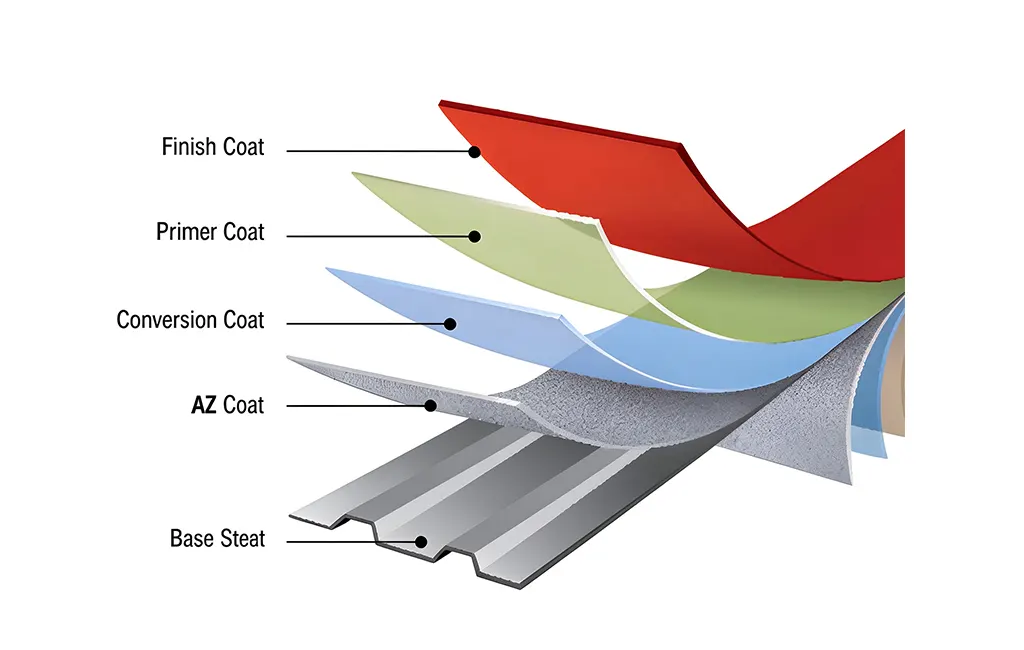
| Coating System | 70% PVDF (Kynar 500 / Hylar 5000) [1] | Two-coat or Three-coat system | AAMA 2605 |
| Coating Thickness | Primer: 5–10 \mu m / Topcoat: 20–25 \mu m | Total Dry Film Thickness: 25–35 \mu m | GB/T 5237.5 |
| Solar Reflectance (R) | White Pigmentation with IR Reflectors | \ge 75\% – 85\% | ASTM C1549 / ASTM E903 |
| Thermal Emittance (\epsilon) | High-Emissivity Fluoropolymer Matrix | \ge 0.85 | ASTM C1371 |
| Solar Reflectance Index (SRI) | Calculated via ASTM E1980 (Low Wind) | SRI \ge 108 [2] | CRRC-1 / LEED v4/v5 |
| Salt Spray Resistance | Neutral Salt Spray (NSS) Test | \ge 3,000 hours (No blistering) | ASTM B117 / ISO 9227 |
| Color Retention Rate | Delta E (\Delta E) after UV exposure | < 5\Delta E after 10 years | AAMA 2605 |
Material Composition and Optical Properties of High-SRI Coatings
Infrared-Reflective Pigments and Solar Reflectance
Traditional white organic coatings reflect visible light but often absorb near-infrared (NIR) radiation, which constitutes over 50% of solar energy. High-SRI color-coated aluminum utilizes complex inorganic color pigments (CICPs) embedded within the PVDF matrix. These pigments allow NIR radiation to pass through the clear top layer and reflect off the underlying reflective primer or pre-treated aluminum substrate, elevating total solar reflectance above 80% without compromising aesthetic whiteness.
Thermal Emittance and Surface Energy Dynamics
Solar reflectance alone is insufficient for peak thermal regulation; the material must also rapidly dissipate absorbed heat [3]. High-emissivity fluoropolymer topcoats achieve a thermal emittance of 0.85 to 0.90, ensuring that any heat absorbed by the architectural panel is immediately re-radiated back into the atmosphere as longwave infrared radiation. This prevents heat transfer from accumulating within the metal skin.
Thermal Performance Metrics and Energy Efficiency Impact
Reduction of Heat Flux Through the Building Envelope
When installed on commercial building envelopes, high-SRI white color-coated aluminum reduces peak roof and wall surface temperatures by 15°C to 25°C compared to standard dark or untreated metal surfaces under maximum solar irradiance. Lower surface temperatures directly decrease the temperature differential (\Delta T) across the building envelope, thereby lowering conductive heat flux into the interior space according to Fourier’s Law of Thermal Conduction.
HVAC Load Reduction and Peak Demand Mitigation
By mitigating conductive and radiant heat gains, high-SRI architectural aluminum panels lower building cooling loads by 10% to 15% annually in tropical and temperate commercial applications. This reduction decreases the sizing requirements for rooftop chillers and variable refrigerant flow (VRF) systems, cutting peak electrical demand and reducing operational carbon emissions over the facility’s lifecycle.
References
[1] Wikipedia. Polyvinylidene fluoride [EB/OL]. 2026.
[2] Wikipedia. Reflective surfaces (climate engineering) [EB/OL]. 2026.
[3] Wikipedia. Albedo [EB/OL]. 2026.