
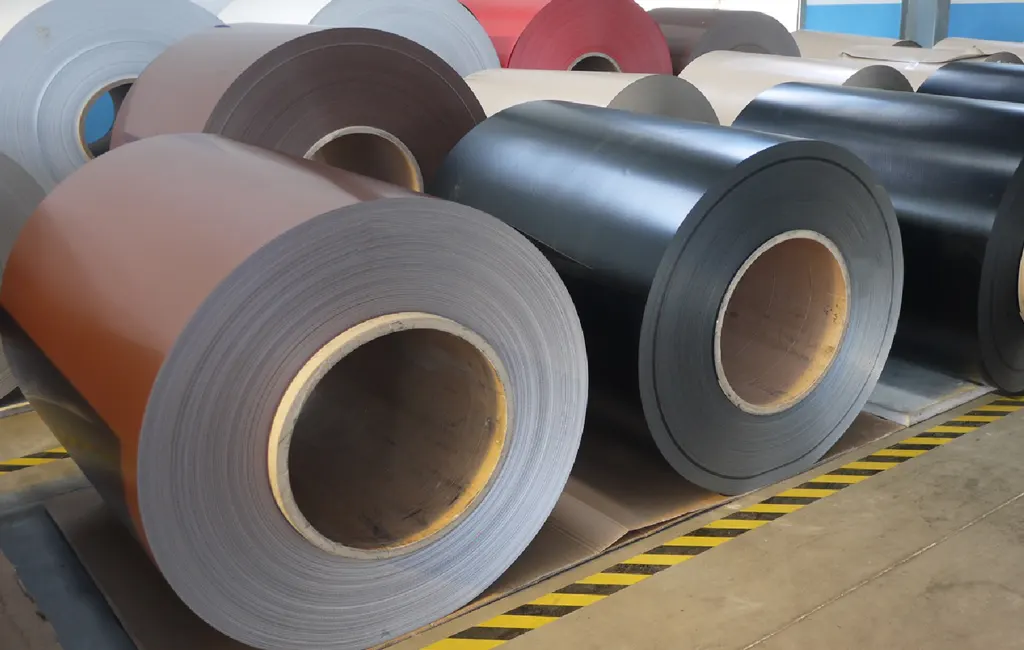
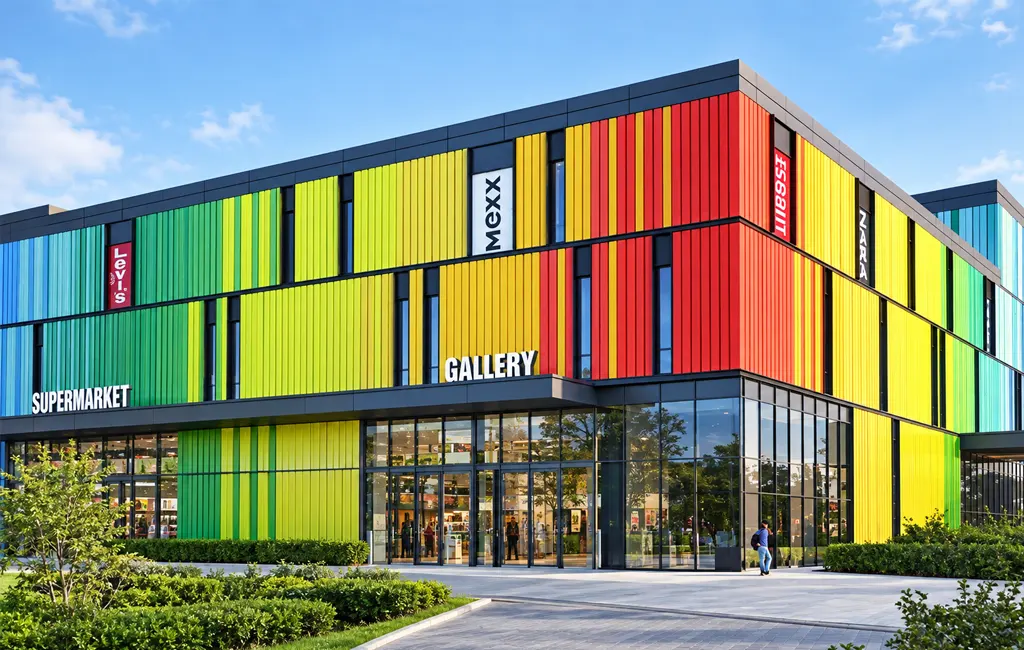
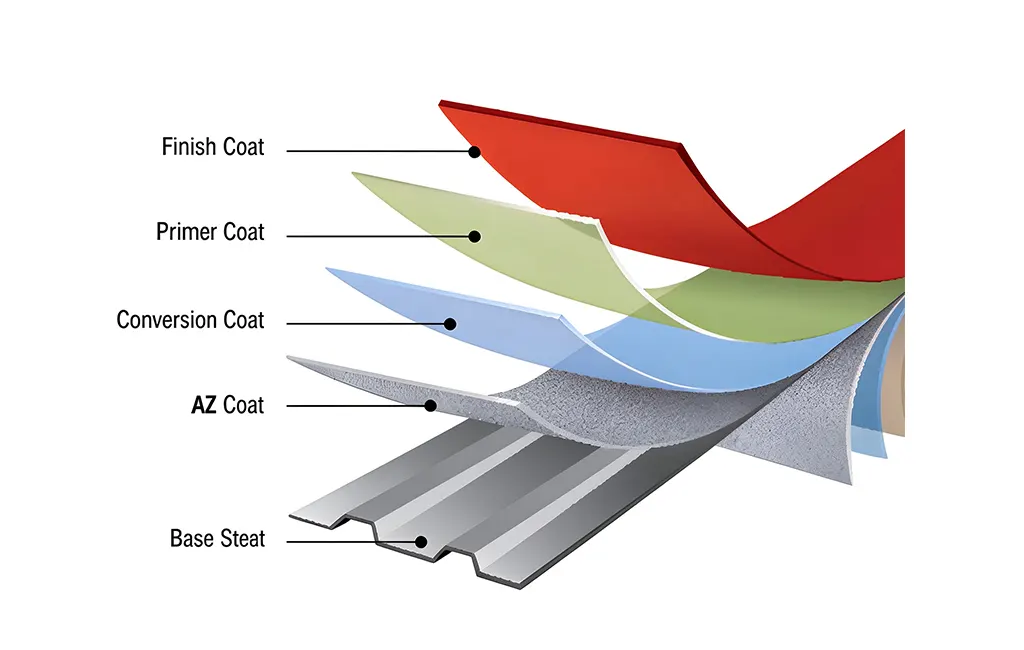
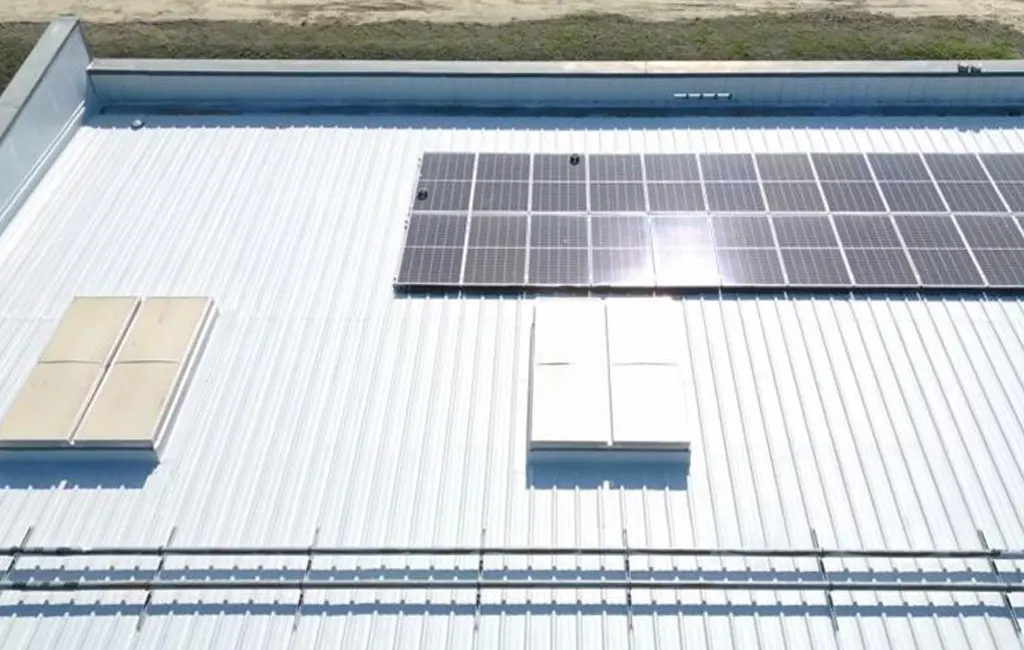
Color-coated aluminum is a high-performance architectural and industrial metal combining lightweight 3000-series or 5000-series aluminum alloy substrates with advanced factory-applied organic finishes such as PVDF (Polyvinylidene Fluoride) or Polyester (PE) coatings. Engineered for structural integrity, acoustic performance, and exceptional environmental weatherability, it serves as the primary skin and framing material for highway, railway, and industrial noise abatement systems. Its low density (2.70 g/cm³)[1], high strength-to-weight ratio, superior vibration damping, and resistance to atmospheric degradation (compliant with AAMA 2605 and ISO 12206 standards) make it a structurally stable, corrosion-resistant, and aesthetically versatile choice that eliminates the heavy dead loads and high maintenance overhead associated with concrete or galvanized steel acoustic barriers.
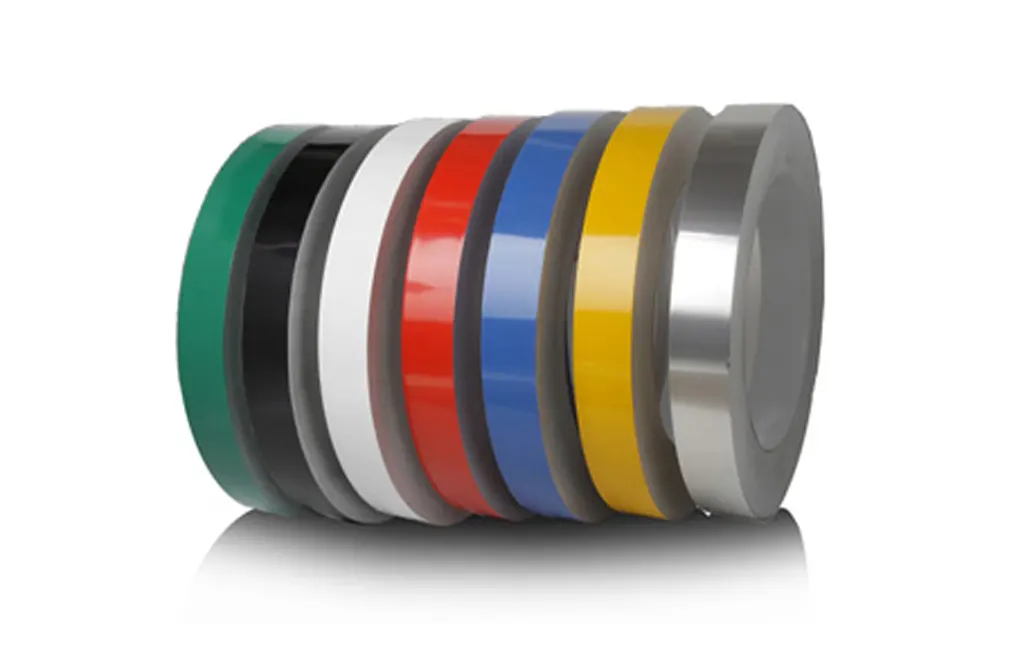
Technical Parameter Matrix: Color-Coated Aluminum vs. Alternative Acoustic Panel Materials
| Technical Parameter | PVDF Coated Color Aluminum (3003 / 5052) | Powder Coated Galvanized Steel | Pre-Cast Concrete Panels |
|---|---|---|---|
| Aluminum Alloy Grade / Substrate | AA3003-H24 / AA5052-H32[3] | Q235 / SGCC Galvanized Steel | Structural Concrete |
| Density / Weight | 2.70 g/cm³ (Lightweight) | 7.85 g/cm³ (Heavy) | 2.40 g/cm³ (Extremely Heavy) |
| Surface Coating Type | Multi-layer PVDF (70% Kynar 500)[2] | Thermoset Polyester / Epoxy Powder | None (Raw or Painted Surface) |
| Coating Thickness (μm) | 25 – 35 μm (Topcoat + Primer) | 60 – 120 μm | N/A (Bulk Material) |
| Salt Spray Resistance (ASTM B117) | ≥ 3,000 Hours (No blistering/corrosion) | 1,000 – 1,500 Hours | Varies (Susceptible to carbonation) |
| UV Weather Resistance (QUV-B) | ≥ 4,000 Hours (ΔE ≤ 2) | 1,000 – 2,000 Hours (Fading occurs) | N/A |
| Surface Chalking over time | Color Retention Rate (10-Year Est.): ≥ 90% – 95% | 60% – 75% (Requires repainting) | N/A |
| Acoustic Performance Support | Perforated designs with sound-absorbing infill | Perforated designs available | Solid mass barrier (High STC) |
| Corrosion Maintenance Requirements | Minimal (Washdown with water) | Moderate (Spot priming/rust removal) | High (Crack injection, anti-graffiti) |
| Typical Application Scenarios | Highway/railway acoustic barriers, tunnel linings | Industrial plant sound walls | Elevated highway heavy noise walls |
PVDF Coating Performance and Durability in Exterior Acoustic Enclosures
Polyvinylidene Fluoride (PVDF) coating—specifically formulations containing a minimum of 70% Kynar 500 or Hylar 5000 resin—provides the highest level of surface protection for exterior color-coated aluminum acoustic panels[2]. Applied via continuous coil coating lines and cured at peak metal temperatures between 232°C and 245°C, the PVDF topcoat exhibits exceptional resistance to ultraviolet (UV) radiation, atmospheric pollutants, acid rain, and airborne road salts.
Key performance metrics governed by AAMA 2605-20 specifications include:
- Chalk Resistance: Minimal degradation after 10 years of Florida south-facing exposure.
- Color Fastness: Maximum color shift of ≤ 5 Hunter units over extended weathering cycles.
- Chemical Inertness: Resistance to automotive exhaust hydrocarbons, de-icing salts, and particulate matter common in transportation corridors.
This chemical stability prevents premature coating peeling or substrate oxidation, ensuring that municipal and commercial acoustic enclosures retain their uniform aesthetic and protective barrier properties across multi-decade service lifecycles without requiring field repainting.
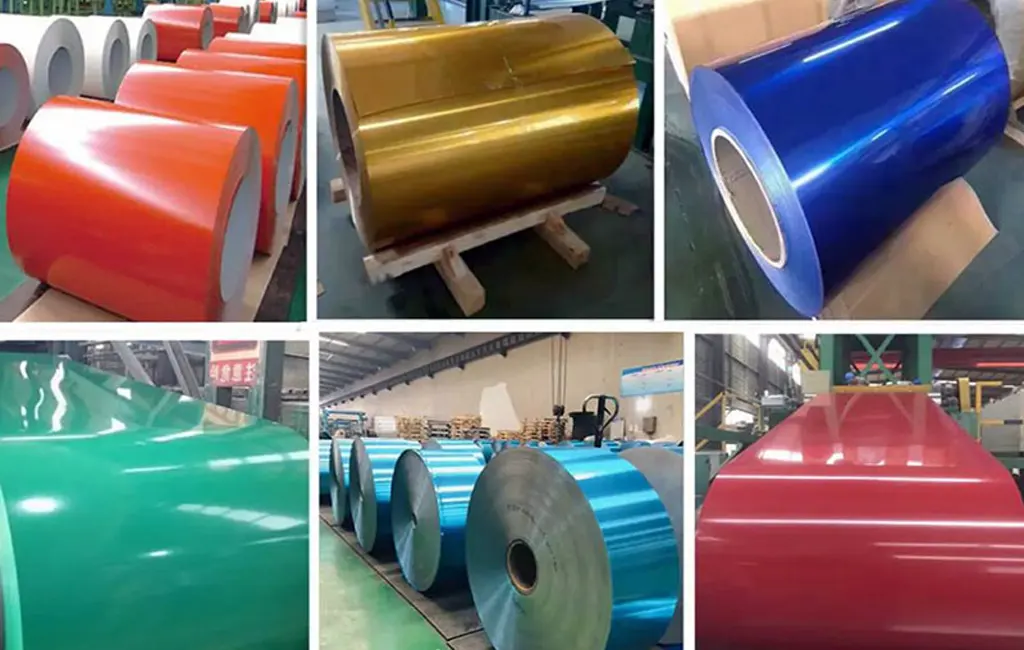
Structural Integrity and Alloy Selection (AA3003 vs. AA5052) for Wind Load Resistance
Acoustic barrier panels are subjected to continuous dynamic wind loads, particularly when installed along elevated expressways, high-speed rail lines, and bridge decks. Choosing the correct aluminum alloy substrate is critical to preventing structural deflection, vibration fatigue, and panel failure:
- AA3003 Aluminum Alloy: A manganese-modified 3000-series alloy offering moderate tensile strength (≈ 145 – 185 MPa in H24 temper) and excellent formability[3]. It is widely specified for standard modular sound barrier cassettes, perforated acoustic louvers, and interior backing sheets where cost-efficiency and corrosion resistance are prioritized.
- AA5052 Aluminum Alloy: A magnesium-alloyed 5000-series metal delivering superior mechanical strength (≈ 210 – 260 MPa in H32 temper)[3], exceptional fatigue resistance, and high impact toughness against airborne debris or gravel impact. AA5052 is the preferred material for high-wind-zone structural frames, heavy-duty highway sound walls, and railway acoustic screens where structural rigidity under cyclic loading is paramount.
References
[1] Wikipedia. Aluminium [EB/OL]. 2026-10-20.
[2] Wikipedia. Polyvinylidene fluoride [EB/OL]. 2026-10-20.
[3] Wikipedia. Aluminium alloy [EB/OL]. 2026-10-20.