
Essential Inspection Protocol for Pre-Painted Aluminum Samples
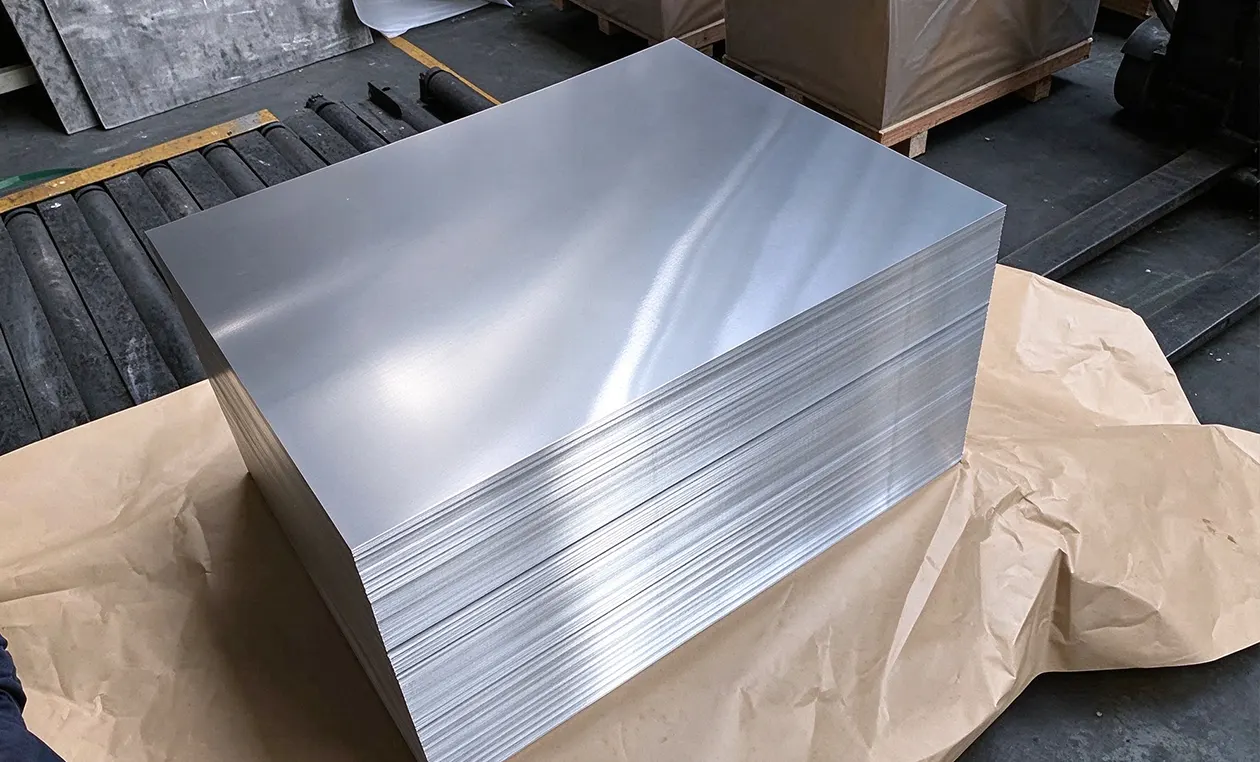
Pre-painted aluminum (color-coated aluminum) samples must be evaluated under rigorous mechanical, chemical, and dimensional protocols to ensure compliance with architectural and industrial standards such as AAMA 2605, EN 13523, and ISO 12206. Receiving incoming samples requires verifying coating thickness, paint adhesion, and film flexibility to prevent premature field failures like micro-cracking, delamination, or chalking. Standard factory quality control mandates testing the Polyvinylidene Fluoride (PVDF) or Polyester (PE) topcoat over a pre-treated substrate—typically 3003-H24 or 5052-H32 aluminum alloy—to ensure a target dry film thickness (DFT) of 25–35 µm and an adhesion rating of Class 5B. [1]
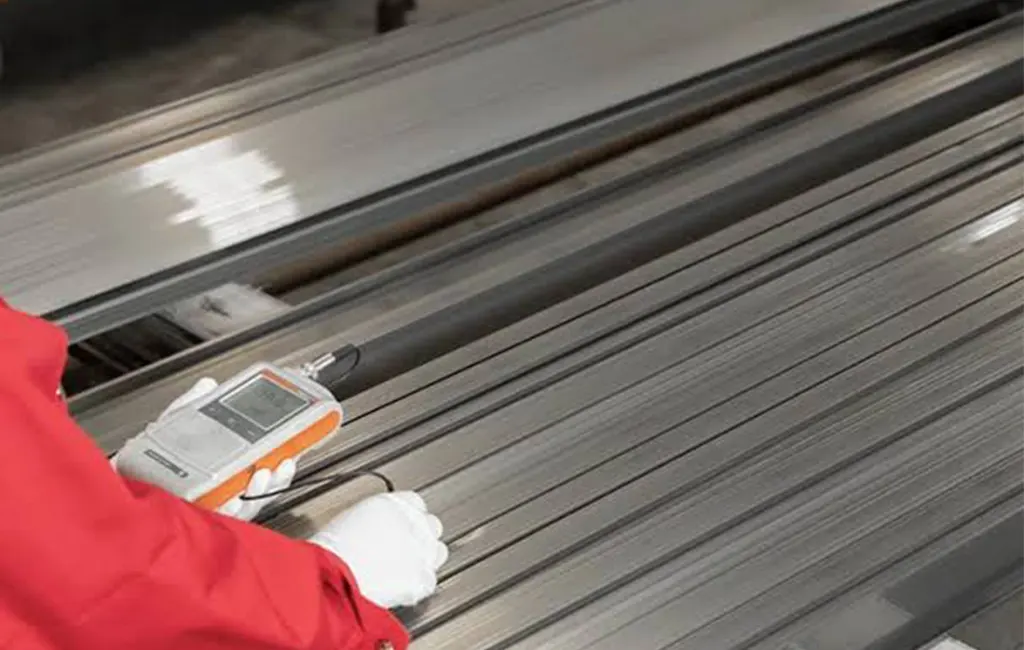
Technical Specifications & Performance Matrix
The table below outlines the critical quality assurance parameters, standard test methods, and performance thresholds required for premium pre-painted aluminum coil and sheet samples across different coating chemistries.
| Parameter / Feature | PVDF (Polyvinylidene Fluoride) | FEVE (Fluoroethylene Vinyl Ether) | High-Durable Polyester (HDP) | Standard PE (Polyester) |
| Applicable Standard | AAMA 2605 / EN 13523 | AAMA 2605 / ISO 12206 | AAMA 2604 | AAMA 2603 |
| Substrate Alloy Grade | 3003-H24, 5052-H32 | 3003-H24, 5052-H32 | 1100-H14, 3003-H14 | 1100-H14, 3003-H14 |
| Total Dry Film Thickness (DFT) | Primer + Topcoat: 25–35 µm | Primer + Topcoat: 28–38 µm | Primer + Topcoat: 20–25 µm | Primer + Topcoat: 15–20 µm |
| Cross-Hatch Adhesion | 5B (0% area removed) | 5B (0% area removed) | 5B (0% area removed) | 4B–5B (<5% area removed) |
| T-Bend Flexibility Rating | 0T–1T (No cracking/flaking) | 1T–2T (No cracking/flaking) | 1T–2T (No cracking) | 2T–3T (Minimal cracking) |
| MEK Solvent Rub Resistance | double rubs | double rubs | double rubs | double rubs |
| Pencil Hardness (ASTM D3363) | F – 2H | 2H – 3H | F – HB | B – F |
| Salt Spray Corrosion Resistance | hours (ASTM B117) | hours (ASTM B117) | hours (ASTM B117) | hours (ASTM B117) [2] |
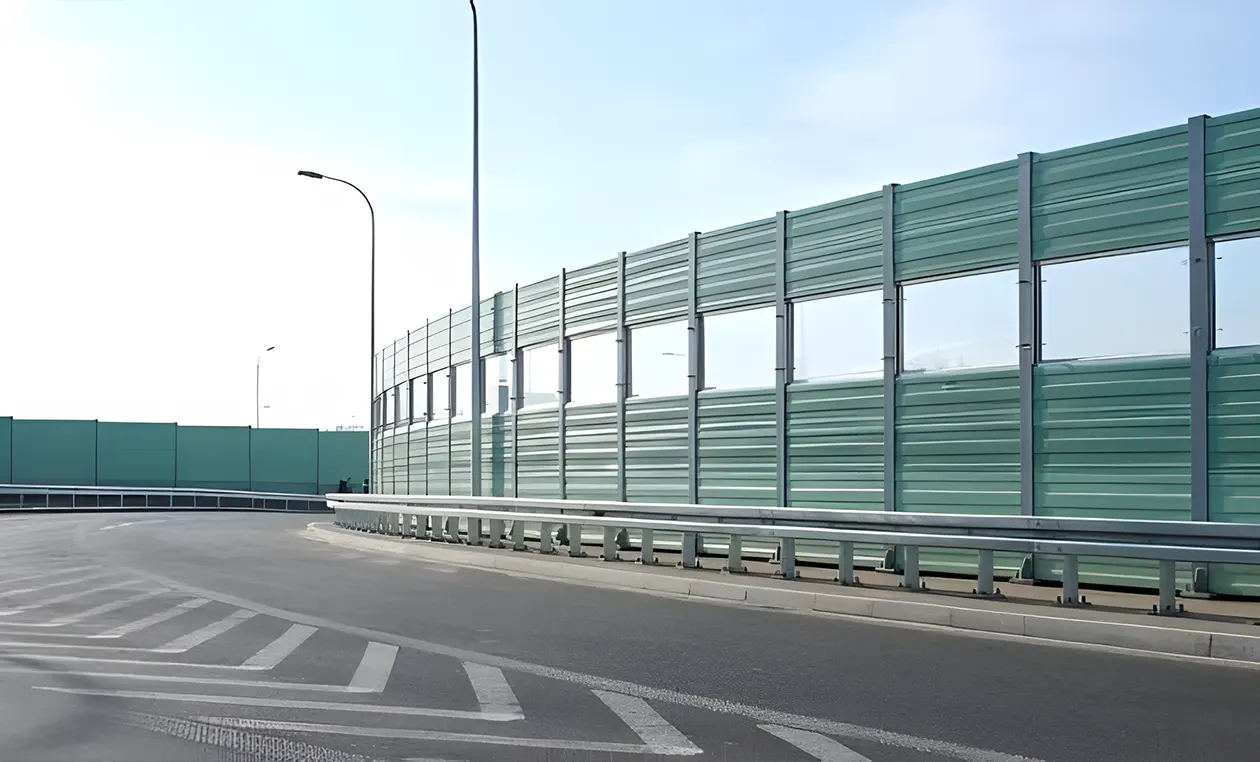
| Primary Application Scenarios | High-rise curtain walls, harsh marine environments | Premium architectural facades, high-gloss applications | Industrial roofing, exterior wall cladding | Indoor wall panels, ceiling tiles, signage |
3 Key Checks for Pre-Painted Aluminum Samples
1. Coating Thickness and Uniformity Verification
Dry Film Thickness (DFT) directly dictates the UV protection, corrosion resistance, and lifespan of pre-painted aluminum. Sub-standard coating thickness leads to accelerated pigment degradation and chalking under outdoor UV exposure.
Measurement Protocol: Utilize an Eddy Current Thickness Gauge calibrated per ASTM B244 or ISO 2360. Take a minimum of 5 spot measurements across the sample surface (corners and center).
Target Parameters:
- PVDF 2-Coat System: Primer (5–8 µm) + Color Topcoat (18–22 µm) = Total DFT of 23–30 µm.
- PVDF 3-Coat System (Metallic Finishes): Primer (5–8 µm) + Basecoat (18–22 µm) + Clear Coat (10–15 µm) = Total DFT of 35–45 µm.
Acceptance Criteria: Thickness variance must not exceed of the nominal specification across the entire sample area.
2. Adhesion and Curing Integrity Tests
Improperly cured thermosetting resins or inadequate chromate/phosphate pre-treatment lead to film delamination during roll forming or stamping operations. Curing integrity must be confirmed via chemical and mechanical stress testing.
Cross-Hatch Tape Adhesion Test (ASTM D3359 / ISO 2409):
- Cut a grid of 6 or 11 parallel lines through the coating down to the aluminum alloy substrate using a cross-hatch cutter with 1 mm spacing for coatings . [3]
- Apply pressure-sensitive tape (e.g., 3M 610) firmly over the cross-hatched area.
- Pull the tape back rapidly at an angle close to 180°.
- Acceptance: Class 5B rating (edges of the cuts are completely smooth; none of the squares of the lattice are detached).
MEK Solvent Rub Test (ASTM D5402):
- Wrap a 100% cotton cheesecloth around a 1.5 lb ball-peen hammer head and saturate it with Methyl Ethyl Ketone (MEK). [4]
- Rub back and forth across the coating under consistent pressure at a rate of 1 stroke/second.
- Acceptance: double rubs with no exposed bare substrate or significant color transfer to the cloth, verifying complete polymer cross-linking.
3. Mechanical Flexibility and Formability Evaluation
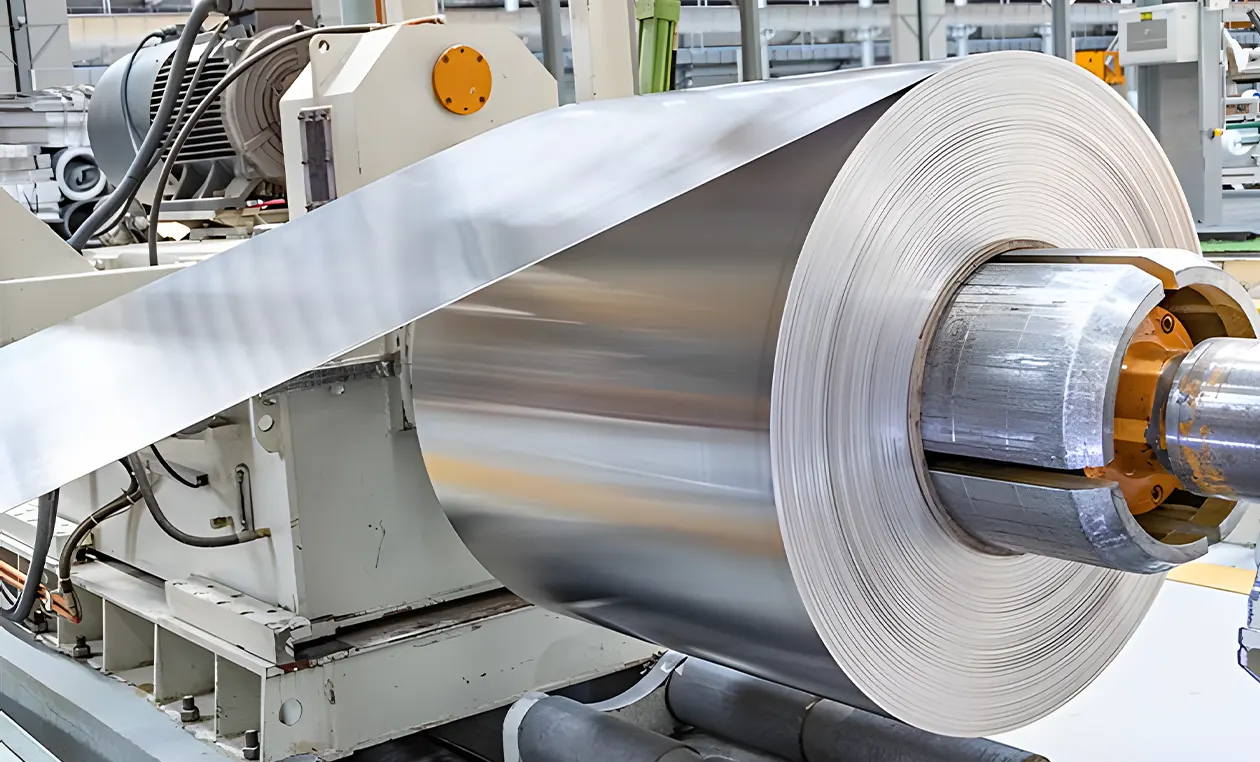
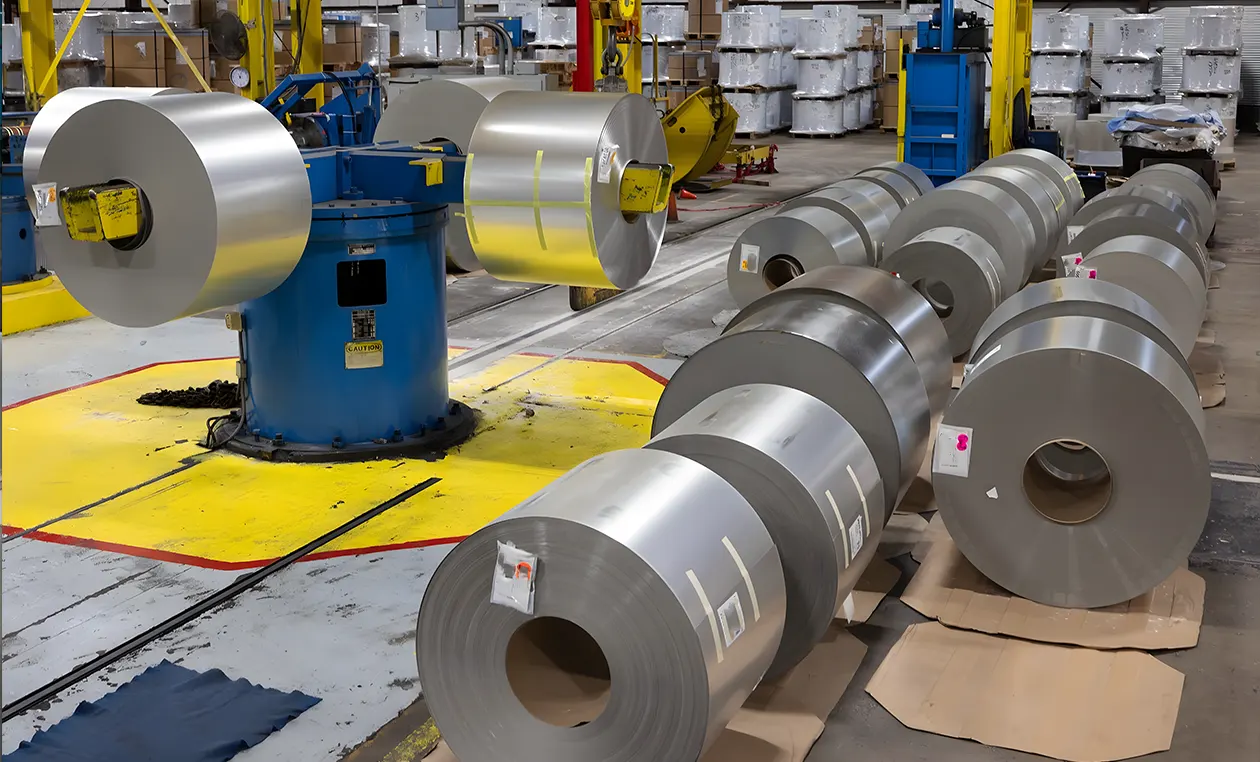
Pre-painted aluminum coils undergo post-painted bending, stamping, or roll forming into standing seam roofing or ACP (Aluminum Composite Panel) skins. The coating must flex along with the ductile aluminum substrate without micro-cracking or losing adhesion.
T-Bend Flexibility Test (ASTM D4145 / EN 13523-7):
- Bend the sample back on itself using a bench press or vice.
- Insert additional metal strips of the same substrate thickness () into the bend radius to evaluate $0T$, , , and bends.
- Apply high-tack tape over the outer radius of the bend and pull it off rapidly to test for coating flaking.
- Inspect the outer bend radius under a optical magnifier for micro-fractures.
- Acceptance Criteria: Architectural grade 3003-H24 or 5052-H32 PVDF color-coated aluminum must achieve a bend with zero tape removal and no micro-cracking visible under magnification.

References
[1] Wikipedia. Polyvinylidene fluoride [EB/OL]. 2026-09-23.
[2] Wikipedia. Salt spray test [EB/OL]. 2026-09-23.
[3] Wikipedia. Paint adhesion testing [EB/OL]. 2026-09-23.
[4] Wikipedia. Butanone [EB/OL]. 2026-09-23.