
Direct Technical Answer: ACP vs. Solid Aluminum Sheet for Curtain Walls
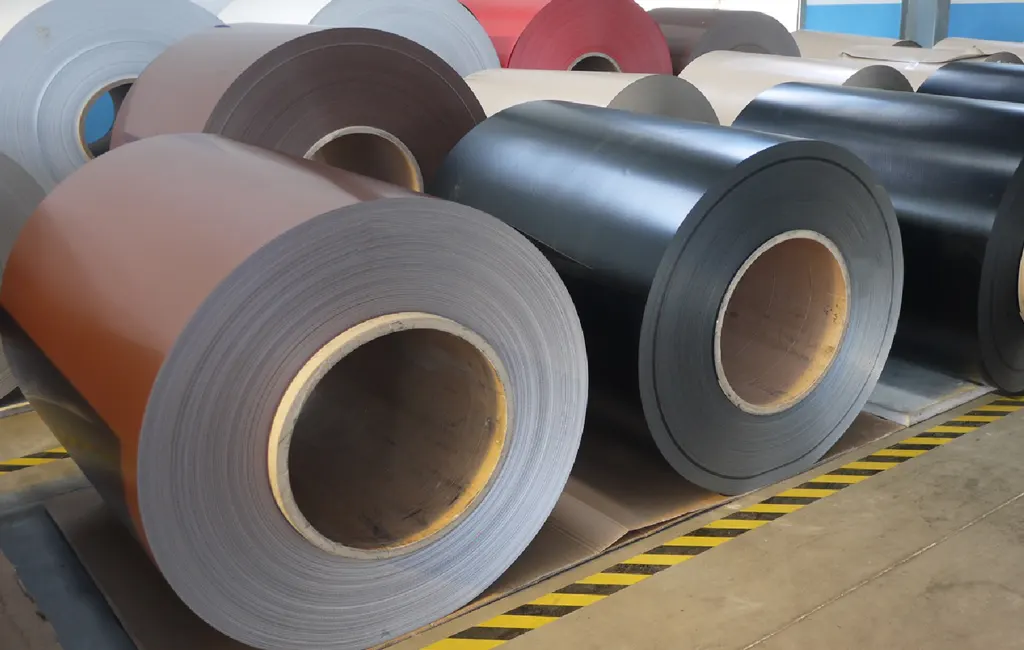
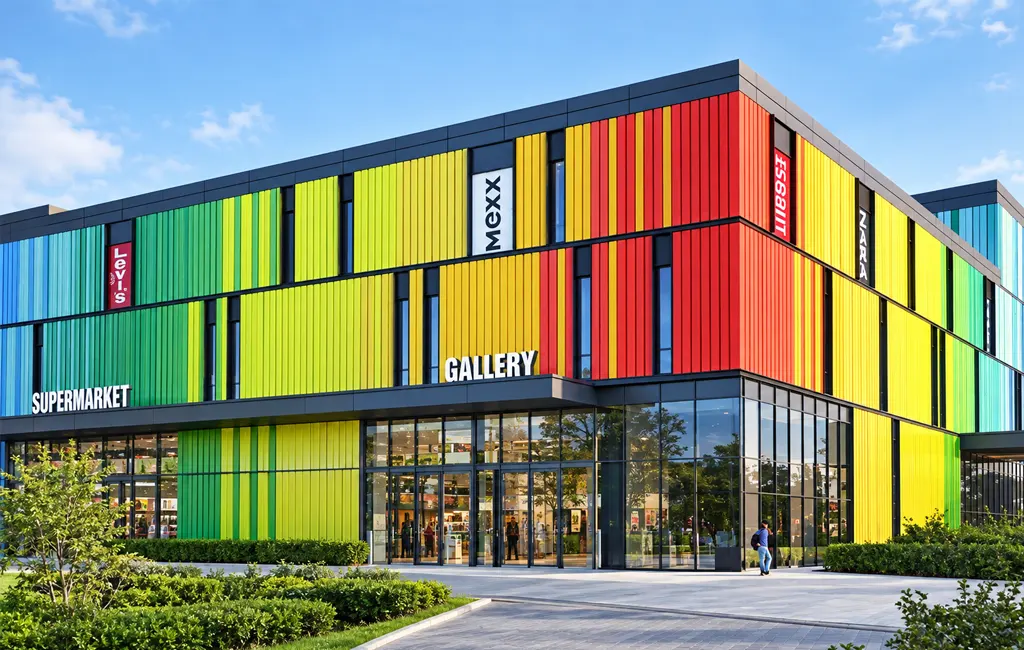
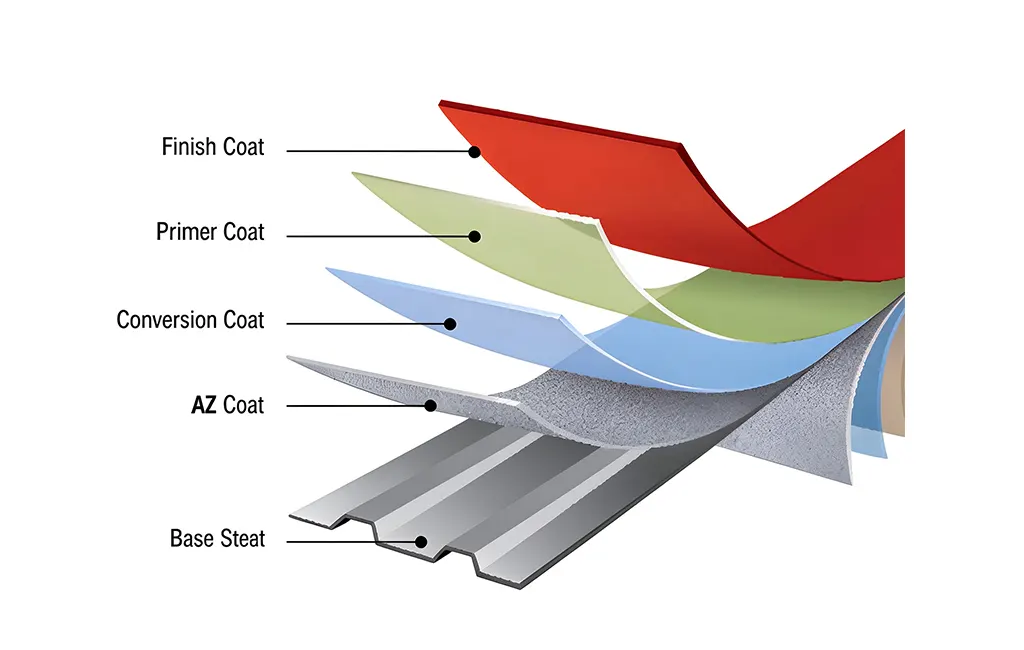
Aluminum Composite Panels (ACP) and Solid Aluminum Sheets are the primary architectural metals specified for modern unitized and stick curtain wall facades. ACP features a multi-layer composite structure consisting of two thin aluminum skin sheets (typically 0.5 mm AA 3003-H14 or AA 5052-H32) bonded to a non-combustible mineral-filled core, delivering exceptional flexural rigidity at lower structural dead weight. Solid Aluminum Sheet consists of a single monolithic plate (typically 2.5 mm to 4.0 mm AA 3003-H14 or AA 5052-H32) [1], providing structural yield strength, non-combustibility, and post-fabrication formability. While ACP lowers raw material cost and eliminates surface oil-canning, Solid Aluminum Sheet offers uncompromised A1/Class A fire performance, zero reliance on core adhesives, and high impact resistance under wind-load deflection, with both options utilizing 70% PVDF coatings compliant with AAMA 2605 [2] for long-term weatherability.
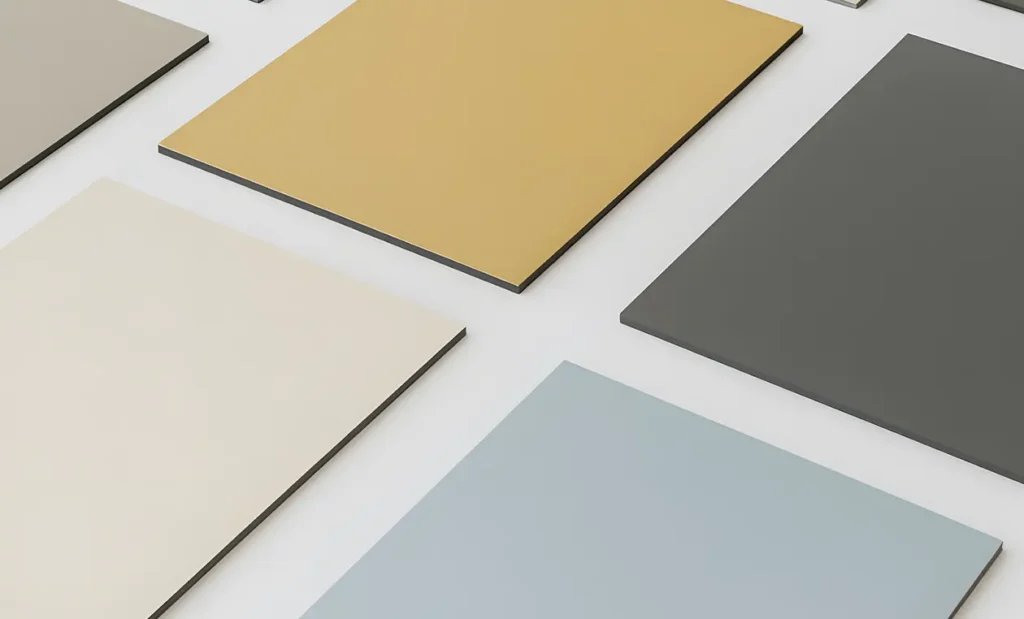
Technical Parameter Comparison Matrix
| Engineering & Material Parameter | Architectural ACP (Mineral Core / FR) | Monolithic Solid Aluminum Sheet |
| Common Substrate Alloy & Temper | AA 3003-H14 / AA 5052-H32 [1] | AA 3003-H14 / AA 5052-H32 / AA 6063-T6 [1] |
| Standard Nominal Thickness | 4.0 mm (0.5 mm skin + 3.0 mm core + 0.5 mm skin) | 2.5 mm – 4.0 mm (Monolithic) |
| Unit Weight (kg/m²) | ~5.5 – 7.5 kg/m² (Low structural load) | ~6.8 – 10.8 kg/m² (Moderate structural load) |
| Fire Reaction Class (EN 13501-1) | B-s1, d0 (FR Core) or A2-s1, d0 (Inorganic Core) | Class A1 (100% Non-Combustible Material) |
| Fire Safety Rating (NFPA 285 / BS 8414) | Pass (Core composition dependent) | Inherently Passes (Zero Organic Fuel Content) |
| Flexural Rigidity () | High rigidity per unit weight () | Equal rigidity requires higher sheet thickness |
| Tensile / Yield Strength | Core dependent; Skin | Yield Strength |
| Coating Type & Thickness (DFT) | 25 – 35 μm 70% PVDF (Coil Coated) [3] | 25 – 35 μm 70% PVDF (Spray / Coil Coated) [3] |
| Weathering Standards Compliance | AAMA 2605 [2] / ISO 12206 / GB/T 17748 | AAMA 2605 [2] / ISO 12206 / GB/T 23443 |
| Oil-Canning Deflection Resistance | Superior (Composite core dampens thermal warping) | Moderate (Requires welded back-stiffeners) |
| Recyclability & Circular Economy | Requires mechanical skin-core separation | 100% Direct Smelter Recyclable |
Atomic & Modular Technical Breakdown
Structural Strength, Flexural Rigidity, and Wind-Load Resistance
In curtain wall engineering, panel selection is governed by the structural flexural rigidity (), which determines a facade’s ability to resist negative wind suction pressures without permanent deformation or visual waviness (oil-canning).
- ACP Flexural Mechanics: ACP operates on the structural sandwich beam principle. Two thin 0.5 mm aluminum skins positioned far from the neutral axis handle the primary tensile and compressive stresses, while the low-density mineral core withstands shear forces. This achieves high moment of inertia () and section modulus with low structural mass.
- Solid Aluminum Mechanics: A monolithic aluminum plate relies entirely on its cross-sectional thickness () to resist bending moments (). A 3.0 mm solid sheet provides high tensile yield strength (), but larger panel sizes () require back-welded aluminum stiffener profiles (AA 6063-T6) [1] glued or stud-welded to the rear face to prevent wind-induced panel deflection.
Fire Performance, Combustibility, and Code Compliance
Building safety codes globally (including NFPA 285 [4], BS 8414, and EN 13501-1) restrict organic content on high-rise building envelopes to prevent external flame spread during a perimeter fire event.
- Monolithic Solid Aluminum Sheet (Class A1): Solid aluminum contains 0% organic polymeric materials within its substrate. With a melting point around 660°C, it does not contribute fuel load, smoke, or flaming droplets to a facade fire, making it inherently compliant with non-combustible exterior wall requirements on high-rise structures.
- Aluminum Composite Panel Core Variations:
- PE Core (Polyethylene): Standard low-density polyethylene (LDPE) core. Classified as EN 13501-1 Class F or E. Highly combustible; prohibited on high-rise facade applications globally.
- FR Core (Fire-Retardant): Contains 70%–80% mineral filling (Aluminum Trihydroxide or Magnesium Hydroxide ) blended with polymers. Rated Class B-s1, d0. Endothermic decomposition releases water vapor to suppress flame spread.
- A2 Core (Inorganic Core): Contains non-combustible mineral content (glass-fiber, silicate matrix). Rated Class A2-s1, d0. Engineered for high-rise curtain walls requiring compliance with NFPA 285 [4] assembly tests.

Value Propositions and Total Cost of Ownership (TCO)
Life-Cycle Cost and Fabrication Economics
While initial material costs favor ACP for standard rectangular cassette panels, long-term procurement decisions account for fabrication labor, structural sub-framing requirements, and life-cycle maintenance.
- Initial Material & Sub-Framing Cost: 4 mm ACP (FR Grade) reduces initial raw material expenditures by 20% to 35% compared to 3.0 mm Solid Aluminum Sheet. Its lighter weight allows structural engineers to specify lighter extruded aluminum mullions and transoms, lowering overall structural curtain wall package costs.
- Fabrication & Formability Constraints: Solid aluminum allows complex metalworking operations including V-grooving, deep drawing, welding, grinding, and stud welding without risk of skin delamination. ACP fabrication is limited to cold-routing and folding; it cannot be welded or subjected to high-temperature thermal processing.
- End-of-Life Recyclability & Circularity: Solid aluminum panels retain up to 90%–95% of primary ingot value at end-of-life and can be remelted directly in closed-loop recycling systems with minimal energy usage (5% of primary production energy). ACP requires specialized mechanical shredding and thermal separation processes to isolate the aluminum skins from the mineral core, increasing recycling processing costs.
References
[1] Wikipedia. Aluminium alloy [EB/OL]. 2026-09-29.
[2] Wikipedia. American Architectural Manufacturers Association [EB/OL]. 2026-09-29.
[3] Wikipedia. Polyvinylidene fluoride [EB/OL]. 2026-09-29.
[4] Wikipedia. National Fire Protection Association [EB/OL]. 2026-09-29.