
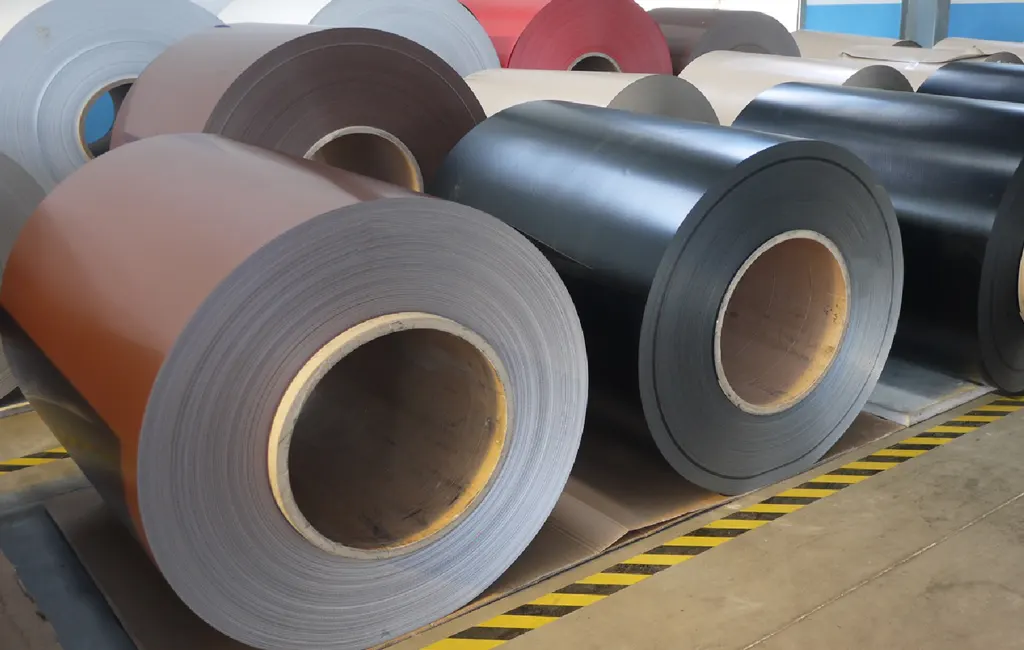
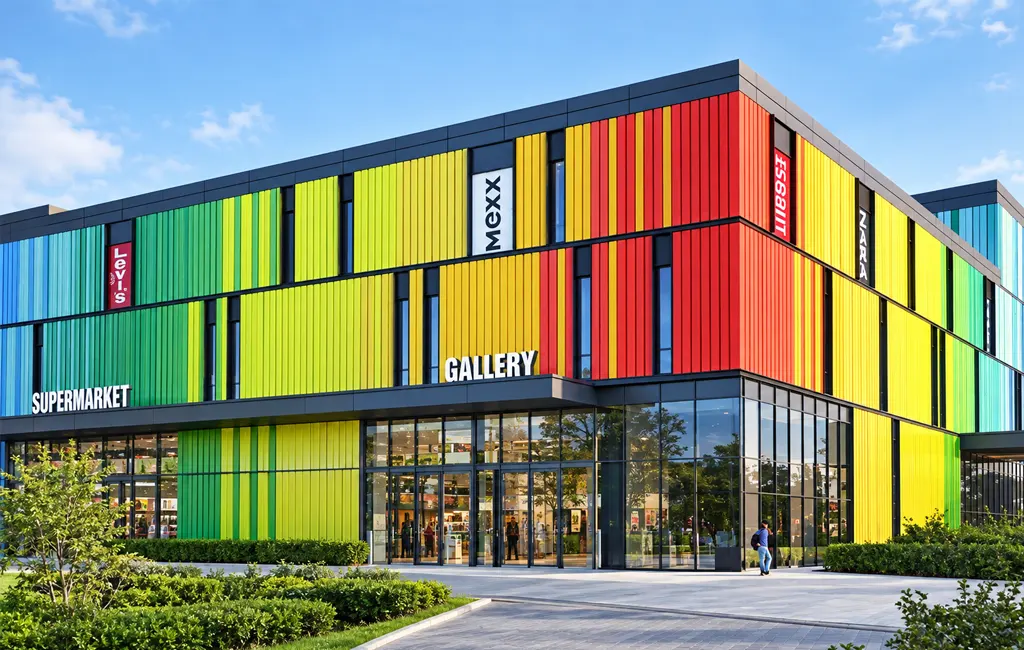
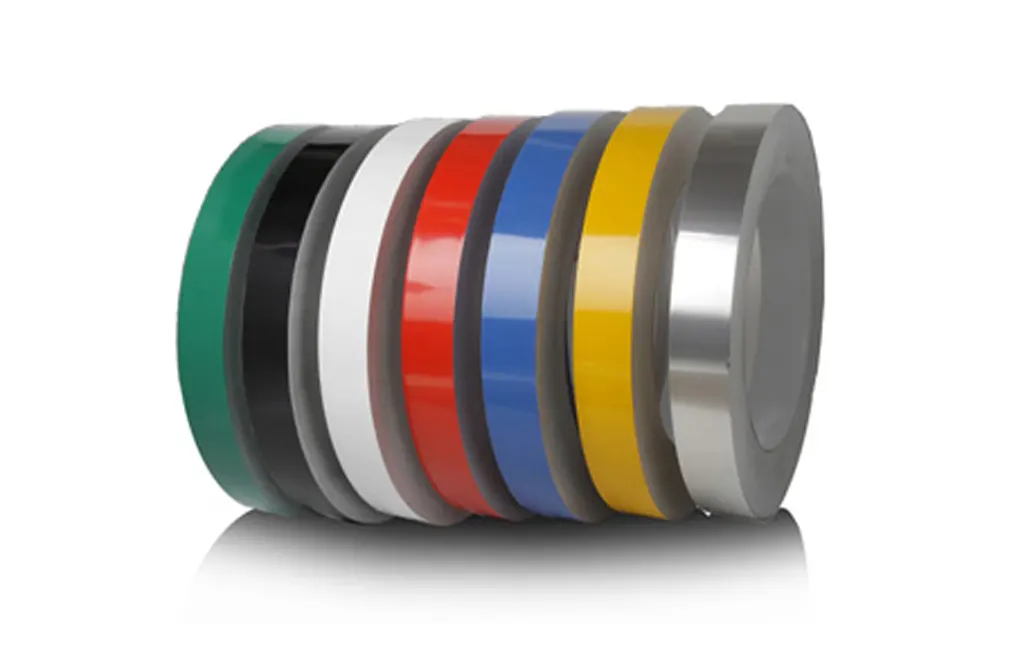
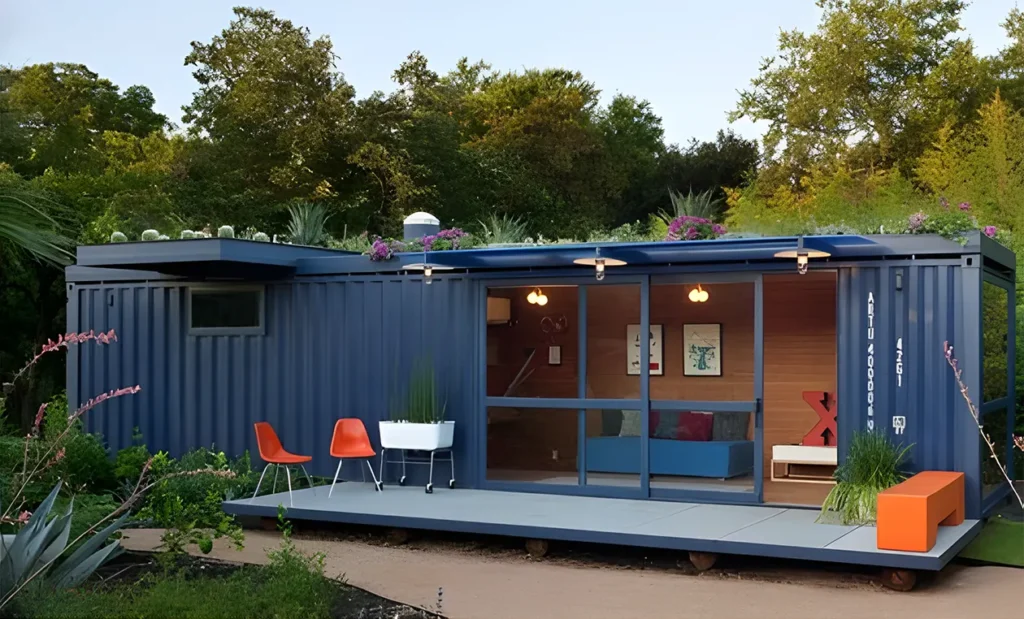
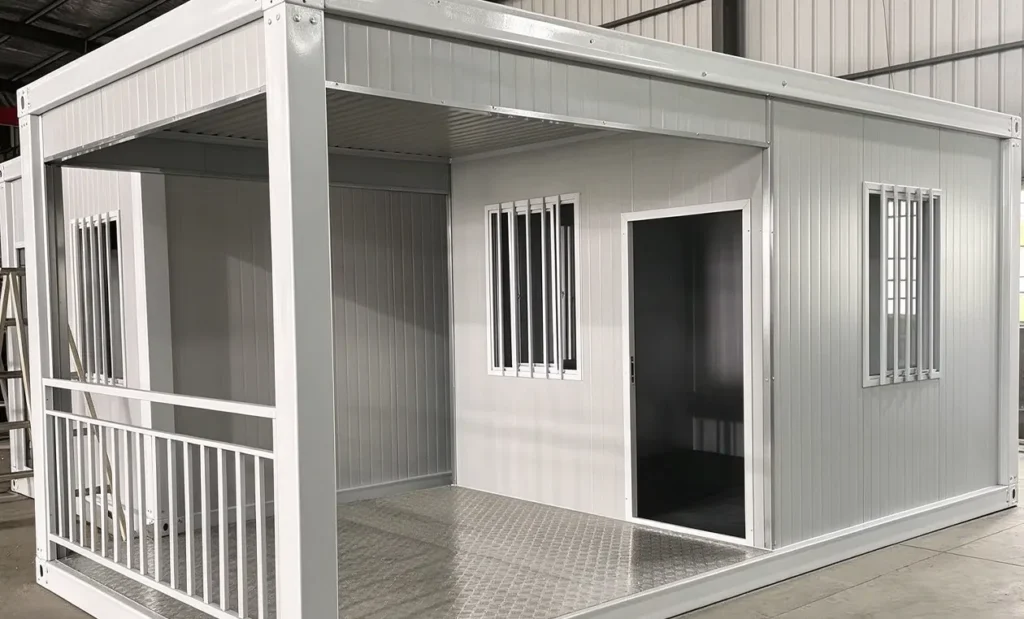
Color-coated aluminum serves as a lightweight, high-durability exterior cladding for modular and container houses, providing structural weight reduction, corrosion resistance, and thermal efficiency. Designed for mobile building envelopes, pre-painted aluminum panels utilize 3000-series (Al-Mn) or 5000-series (Al-Mg) alloys [1] with PVDF (Polyvinylidene Fluoride) [2] or FEVE (Fluoroethylene Vinyl Ether) coating systems applied via continuous coil coating. Standard exterior panel thicknesses range from 0.5 mm to 1.2 mm, featuring a nominal topcoat film thickness of 25–35 μm. The material achieves high resistance to UV radiation (AAMA 2605 [3] compliant), cyclic thermal stress, dynamic wind uplift, and vibration-induced fatigue during transport.
Technical Parameter & Performance Specification Matrix
The matrix below compares key technical parameters across primary coil-coated aluminum alloys and coating chemistries utilized in modular housing envelopes and container facades:
| Technical Parameter | 3003-H14 PVDF Coated Coil | 3004-H24 PVDF Sandwich Facing | 5052-H32 FEVE Marine Grade | 3105-H16 PE/HDP Economy Grade |
| Alloy Composition | Al-Mn (1.0–1.5% Mn) | Al-Mn-Mg (1.0–1.5% Mn, 0.8–1.3% Mg) | Al-Mg (2.2–2.8% Mg, 0.15–0.35% Cr) | Al-Mn-Mg (0.3–0.8% Mn, 0.2–0.8% Mg) |
| Yield Strength () | ||||
| Tensile Strength () | ||||
| Substrate Thickness | ||||
| Coating System | 2-Coat / 3-Coat PVDF () | 2-Coat PVDF () | 2-Coat / 3-Coat FEVE | High-Durable Polyester (HDP) |
| Total Dry Film Thickness (DFT) | ||||
| Salt Spray Resistance (ASTM B117) | [4] | |||
| QUV Accelerated Weathering (ASTM G154) | () | () | () | () |
| Coating Flexibility (T-Bend) | (No cracking/peeling) | (No cracking/peeling) | (High flexibility) | |
| Operating Temperature | to | to | to | to |
| Primary Application | Commercial Modular Facades, Rainscreens | Structural Sandwich Panels (PU/PIR/Rockwool) | Coastal/Offshore Modular Units, Harsh Environments | Interior Linings, Temporary Prefab Storage |
Technical Breakdown: Aluminum Cladding Dynamics for Mobile Envelopes
Structural Weight Reduction and Dynamic Load Efficiency
Replacing traditional corrugated steel cladding ( steel ) with 0.7 mm color-coated 3003 aluminum alloy () reduces total facade dead weight by over 50%.
For multi-stack container structures and mobile trailer units, this weight reduction lowers the center of gravity, improves crane lifting safety margins, and minimizes structural loads during transit. The low modulus of elasticity of aluminum () offers higher strain energy absorption during over-the-road transport, reducing fatigue failure around fastener penetrations compared to rigid steel panels.
Advanced Coating Chemistries for Mobile Applications
- PVDF (Polyvinylidene Fluoride) Coatings: Based on fluoropolymer resin matrix, PVDF offers carbon-fluorine () bonds that resist breaking down under high UV radiation exposure. This yields a gloss retention rate exceeding 80% after 10 years of outdoor exposure and color change criteria of according to AAMA 2605 [3].
- FEVE (Fluoroethylene Vinyl Ether) Coatings: Recommended when higher initial gloss levels () or field-touchup capabilities are required. FEVE coatings provide superior ambient-temperature curing properties, high chemical resistance against industrial pollutants, and salt spray resistance exceeding 4,000 hours under ASTM B117 [4].
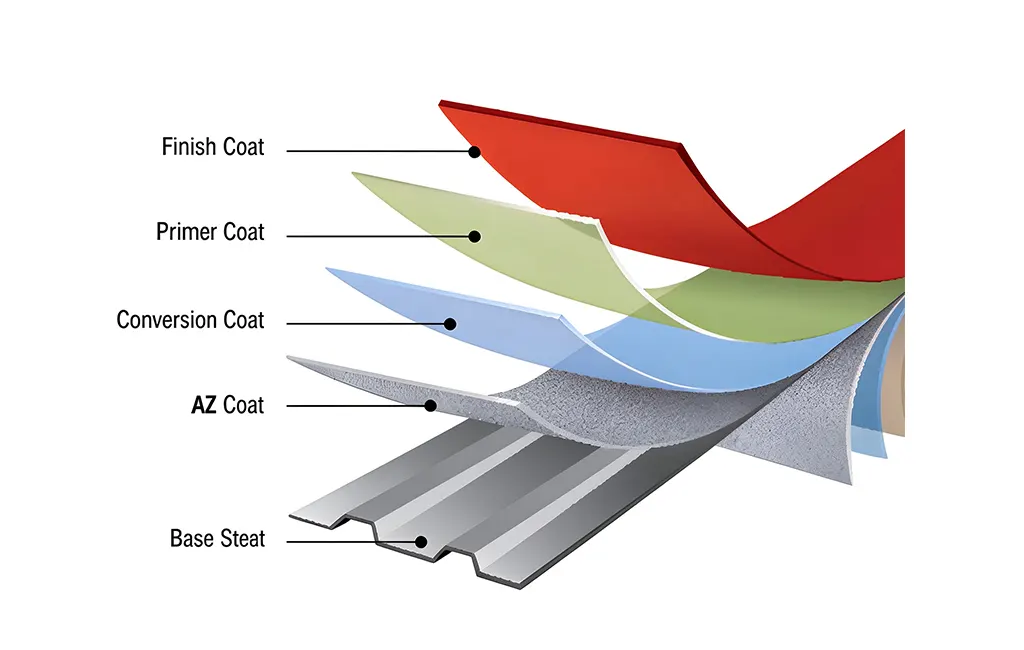
- Pre-treatment Standards: Continuous coil lines utilize multi-stage chemical pre-treatment—including alkaline degreasing, acid etching, and conversion coating—to ensure the aluminum oxide layer remains stable, preventing filiform corrosion beneath the paint film in humid environments.
References
[1] Wikipedia. Aluminium alloy [EB/OL]. 2026-09-30.
[2] Wikipedia. Polyvinylidene fluoride [EB/OL]. 2026-09-30.
[3] Wikipedia. American Architectural Manufacturers Association [EB/OL]. 2026-09-30.
[4] Wikipedia. Salt spray test [EB/OL]. 2026-09-30.