
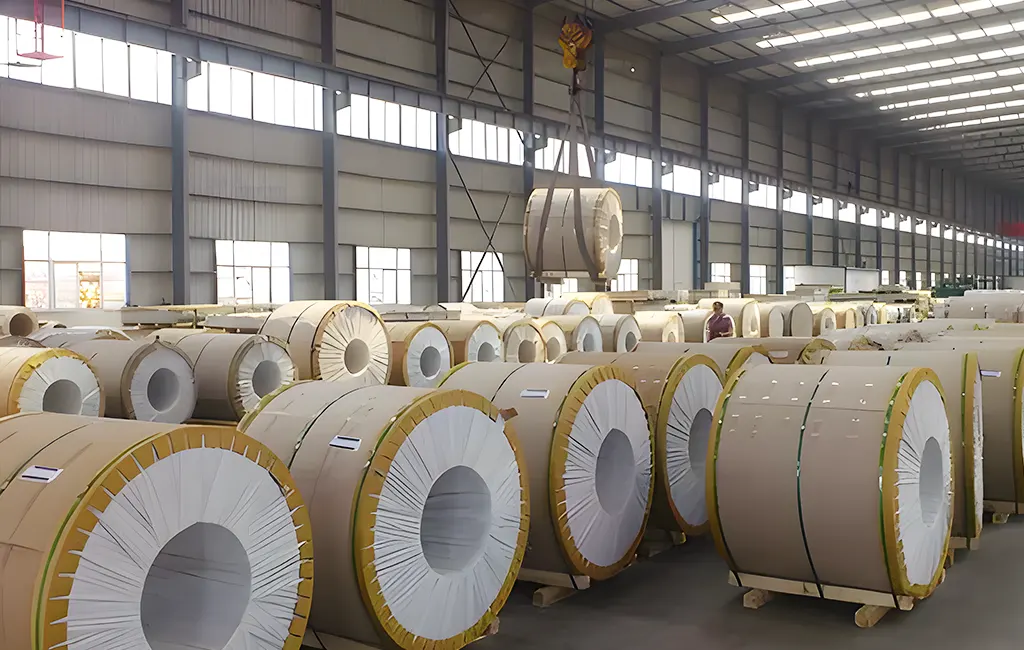


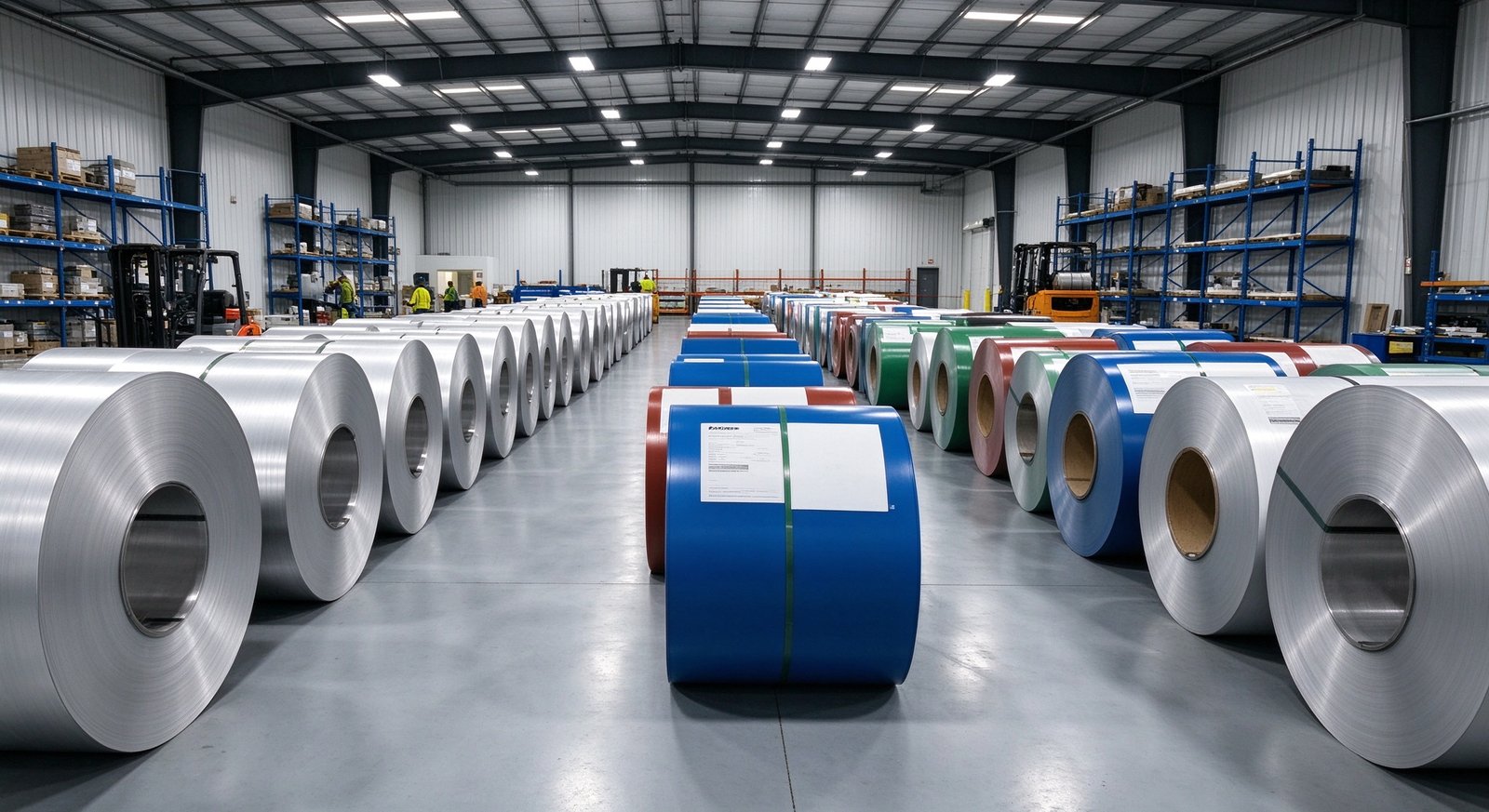
Color coated aluminum coil uses different aluminum alloys as the substrate, and the alloy choice directly affects formability, strength, corrosion resistance and final cost. Common options include 1000-series (pure aluminum), 3000-series (manganese) and 5000-series (magnesium) grades. From HPHT production experience, matching the alloy to the downstream forming process and service environment prevents later issues such as cracking during roll forming or insufficient corrosion resistance in coastal use, while over-specifying a higher-strength alloy often adds unnecessary cost without measurable benefit.
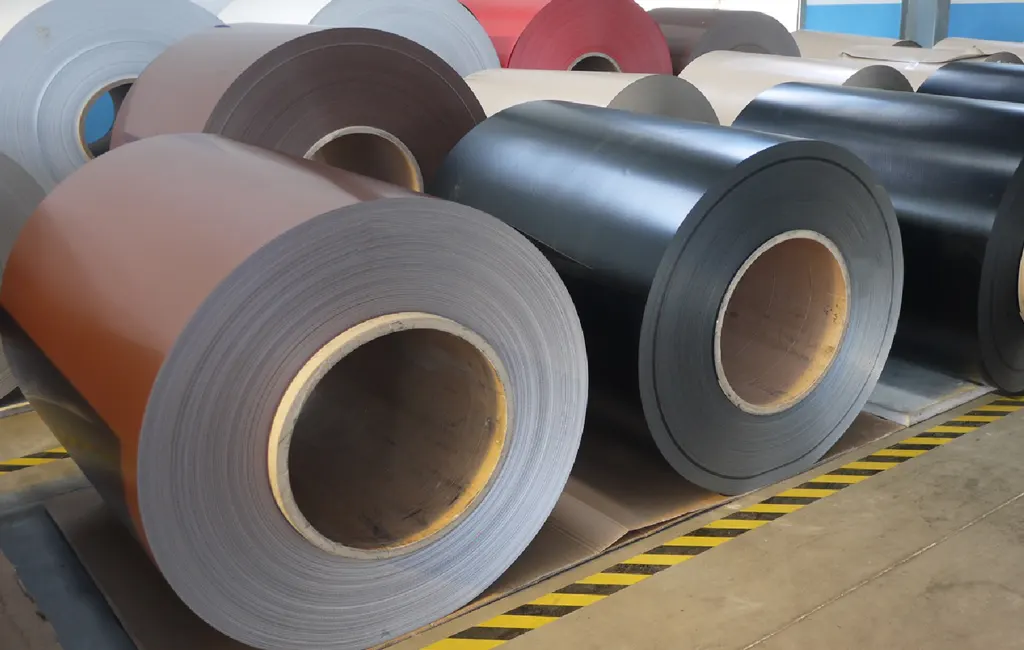
Common Alloys and Their Characteristics
1000-series alloys such as 1050, 1060 and 1100 offer high purity, excellent formability and good corrosion resistance at relatively low cost. They are suitable for applications that require deep drawing or complex bending with minimal spring-back.
3000-series alloys, especially 3003 and 3105, add manganese for moderate strength improvement while retaining good workability. These grades are widely used for roofing, wall cladding and general architectural panels.
5000-series alloys such as 5005 and 5052 contain magnesium and provide higher strength plus better resistance to marine and industrial atmospheres. They are preferred when the finished product must withstand greater mechanical loads or harsher outdoor exposure.
In HPHT coating lines, 3003 remains the most frequently requested substrate for standard exterior color coated coils because it balances cost, formability and adequate corrosion performance for most building applications.
Alloy Comparison Table
| Alloy series | Typical grades | Relative strength | Formability | Corrosion resistance | Typical applications |
|---|---|---|---|---|---|
| 1000 | 1050, 1060, 1100 | Low | Excellent | Good | Deep drawing, decorative interiors |
| 3000 | 3003, 3105 | Medium | Very good | Good | Roofing, cladding, ACP skins |
| 5000 | 5005, 5052 | Higher | Good | Excellent | Coastal facades, higher-load panels |
Values reflect common industrial practice for color coated aluminum coil produced by HPHT and similar manufacturers.
Key Selection Criteria
Consider the forming method first. Complex roll forming or tight-radius bending favors 1000- or 3000-series alloys. Higher mechanical loads or structural requirements push toward 5052.
Next evaluate the service environment. Mild indoor or dry outdoor conditions allow lower-cost 3003. Salt-laden air, industrial pollution or long design life favor 5052.
Finally balance cost. Moving from 3003 to 5052 increases substrate price and may require adjusted coating flexibility to avoid cracking during fabrication.
HPHT project records show that clear communication of the intended forming process and installation climate at the quotation stage allows the correct alloy to be recommended before production begins, reducing the risk of later performance shortfalls.
Practical Recommendations
For most standard architectural color coated aluminum coil used in roofing and wall systems, 3003 or 3105 in appropriate temper provides the best overall value. Reserve 5052 for coastal or higher-strength needs. Always confirm the temper (commonly H14, H24 or similar) matches the required formability and strength balance. Request mill certificates that list the actual alloy and temper supplied.
Sources
[1] HPHT color coated aluminum coil product specifications listing available alloys (alhpht.com)
[2] Industry guidance on aluminum alloy selection for coil-coated architectural applications