
Technical Comparison: Pre-Painted Aluminum Specifications for ACP Cores vs. Curtain Wall Cladding
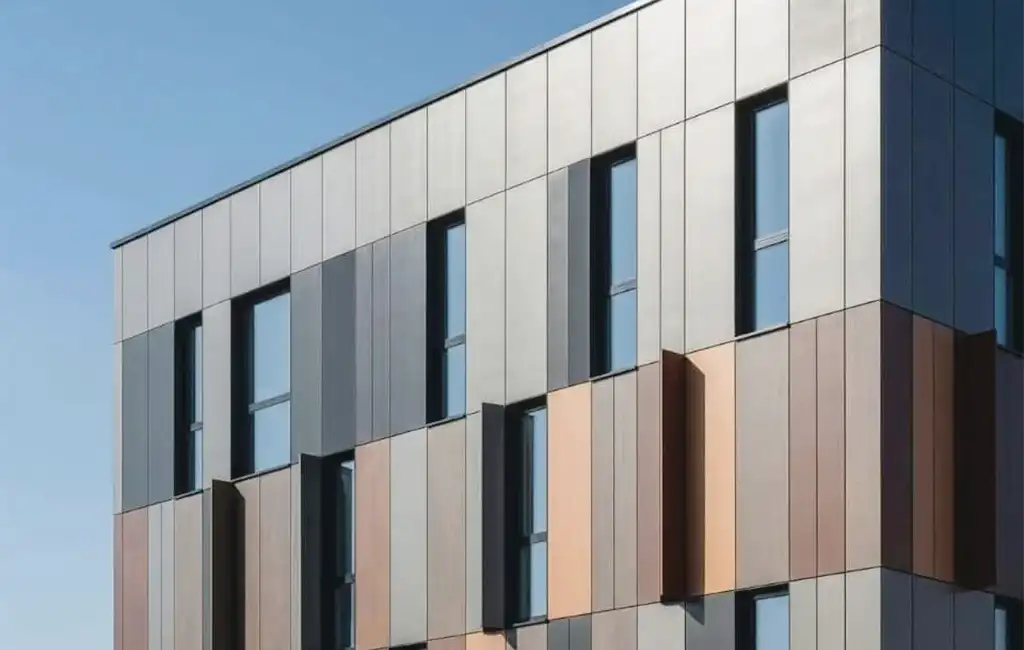
Pre-painted aluminum coils used for Aluminum Composite Panel (ACP) skin/core substrates and direct structural curtain wall cladding serve distinct engineering functions, requiring different alloy selections, mechanical properties, and coating parameters. Curtain wall cladding acts as a direct exterior building envelope subject to structural wind loads, high thermal movement, and direct UV exposure. It mandates heavy-gauge aluminum (typically 2.5mm–4.0mm thickness) using high-strength alloys like 3003-H24 or 5052-H32, paired with a 25–35μm two-coat or three-coat PVDF system complying with AAMA 2605 standards. Conversely, pre-painted aluminum skin for ACP core substrates acts as a thin protective and decorative shell (typically 0.15mm–0.50mm) bonded to a polyethylene or mineral core under heat and pressure. ACP skins prioritize strict coil flatness, specialized rear-side primer adhesion, and high yield strength at thin gauges (3003-H16/H18 or 3105-H16/H18) with coatings tailored to interior (PE) or exterior (PVDF/FEVE) applications.
Technical Parameter Comparison Matrix
The table below highlights the performance metrics, metallurgical properties, and coating standards required for pre-painted aluminum utilized in ACP core substrate skins versus solid curtain wall cladding.
| Technical Parameter | Pre-Painted ACP Skin Substrate | Pre-Painted Solid Curtain Wall Cladding | Standard / Testing Method |
| Typical Substrate Thickness | 0.15 mm – 0.50 mm | 2.50 mm – 4.00 mm | ISO 2360 / ASTM B209 |
| Aluminum Alloy Grade | 3003-H16 / H18, 3105-H16 / H18 | 3003-H24, 5052-H32 | EN 485 / ASTM B209 |
| Tensile Strength () | 140 – 200 MPa (High-yield thin gauge) | 170 – 240 MPa (High structural load capacity) | ASTM E8 / EN 10002 |
| Coating Type (Exterior) | PVDF (70% Kynar 500) or FEVE | PVDF (70% Kynar 500) / FEVE / Powder Coating | AAMA 2605 / AAMA 2604 |
| Topcoat Thickness (m) | 20 – 28 m (2-coat system) | 28 – 40 m (2-coat or 3-coat system) | ISO 2178 / ASTM D1400 |
| Rear-Side Primer / Finish | 4 – 8 m Adhesive Primer (Chroma-free) | 4 – 8 m Service Coat / Wash Primer | ASTM D3359 |
| Pencil Hardness | 2H | 2H | ASTM D3363 |
| T-Bend Flexibility | 1.5T – 2T (without cracking) | 2T – 3T (post-coated / post-formed) | EN 13523-7 / ASTM D4145 |
| Salt Spray Resistance | 1,000 hours (Neutral Salt Spray) | 4,000 hours (AAMA 2605 requirement) | ASTM B117 / ISO 9227 |
| Accelerated Weathering | 3,000 hours QUV () | 4,000 hours Xenon Arc () | ASTM G154 / AAMA 2605 |
Technical Specifications: Pre-Painted Aluminum for ACP Core Substrates
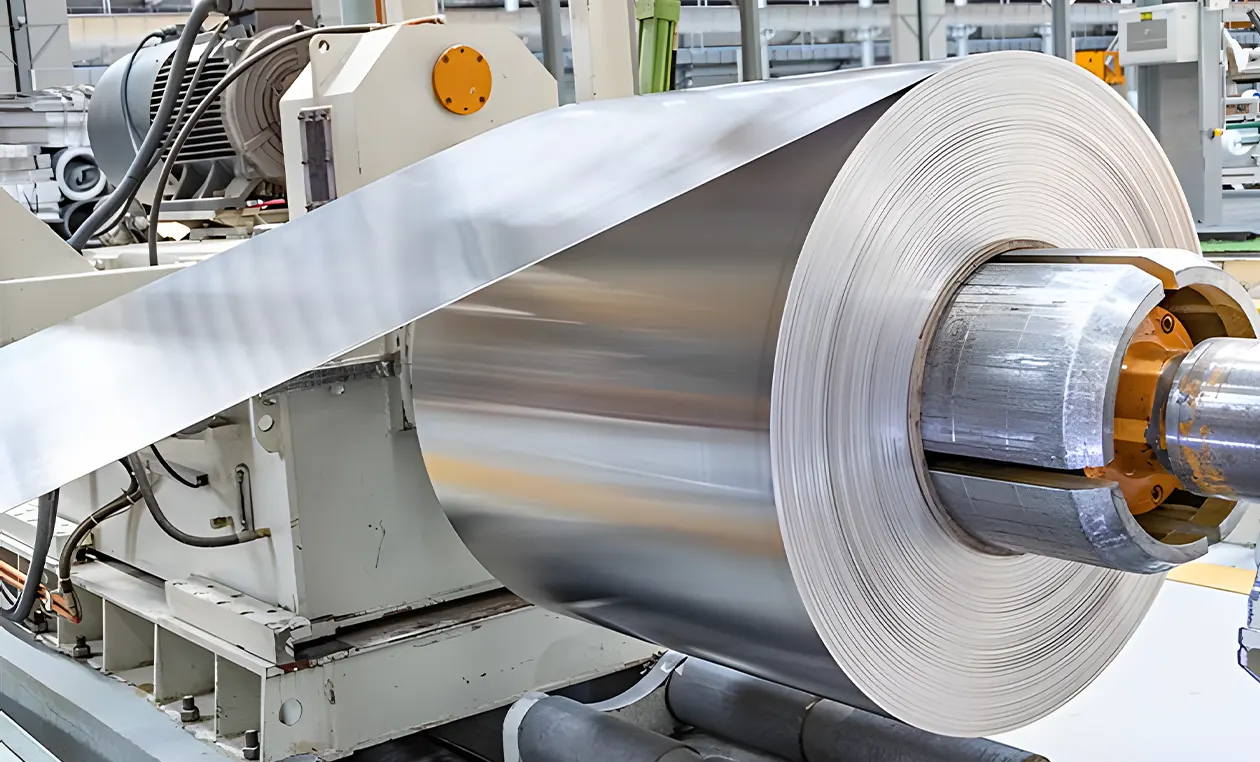
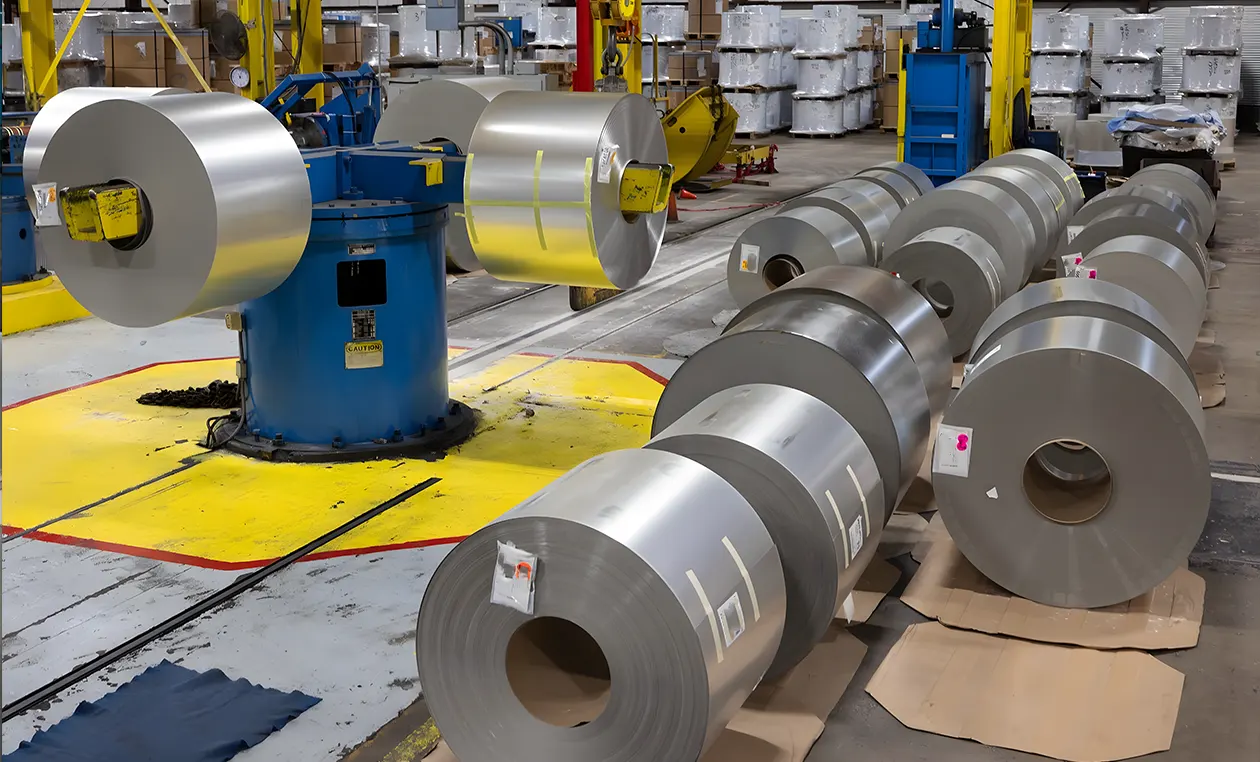
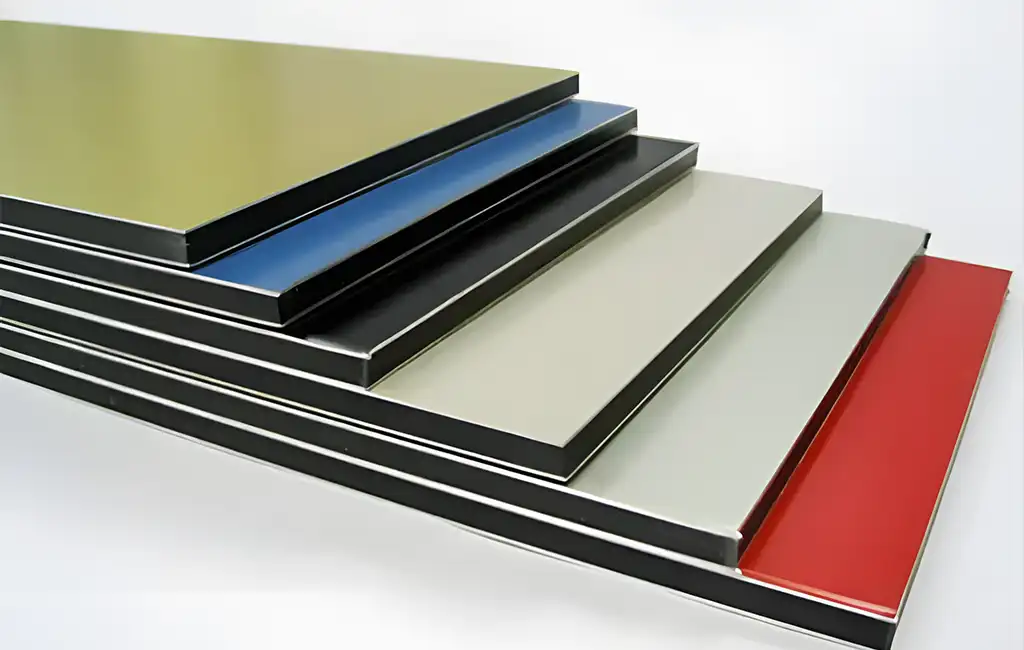
Pre-painted aluminum coils engineered for ACP production are designed to be continuously laminated to LDPE (Low-Density Polyethylene) or mineral-filled fire-retardant (FR) core materials.
- Substrate Gauge & Alloy Selection: ACP skins require thin-gauge aluminum, ranging from 0.15mm to 0.50mm. Because the material is thin, manufacturers utilize 3003-H16, 3003-H18, 3105-H16, or 3105-H18 alloys to achieve high tensile strength (150–200 MPa) to prevent tearing or stretching during high-speed thermal continuous roll lamination.
- Rear-Side Chromate-Free Primer Coating: The back side of the pre-painted aluminum skin does not receive standard aesthetic paint. Instead, it is treated with a specialized adhesive primer (4–8μm thickness). This primer chemical structure is engineered to react thermally with the adhesive film (e.g., Maleic Anhydride Modified Polyethylene) during the composite panel hot-press process, achieving a composite peel strength of 9.0 N/mm (according to ASTM D903).
- T-Bend Flexibility and Formability: Thin ACP skins undergo grooving, folding, and routing operations during field fabrication. The front-side coating system must maintain an elasticity rating of 1T to 1.5T without micro-cracking, flaking, or losing adhesion along sharp 90-degree bend radii.
Technical Specifications: Pre-Painted Aluminum for Curtain Wall Cladding
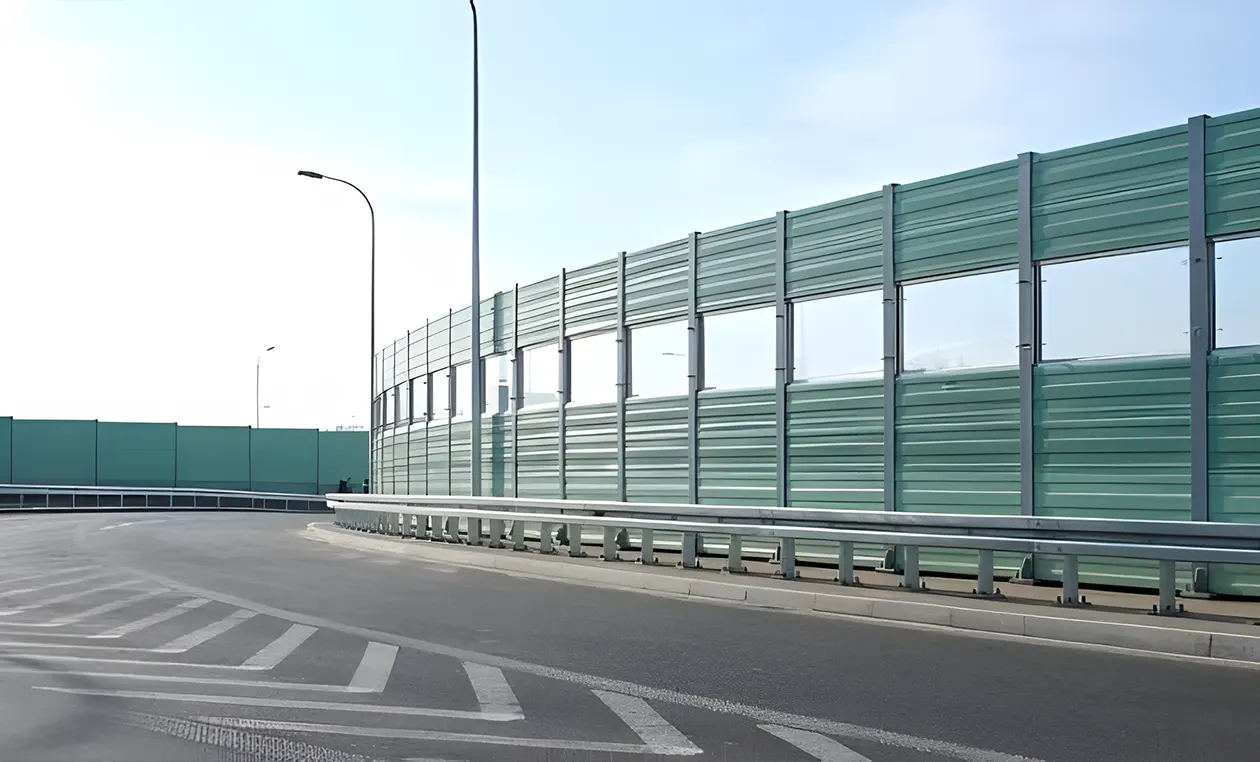
Pre-painted solid aluminum sheets or coils intended for direct structural exterior cladding operate as primary rainscreens and facade barriers, demanding substantially higher mechanical and durability thresholds.
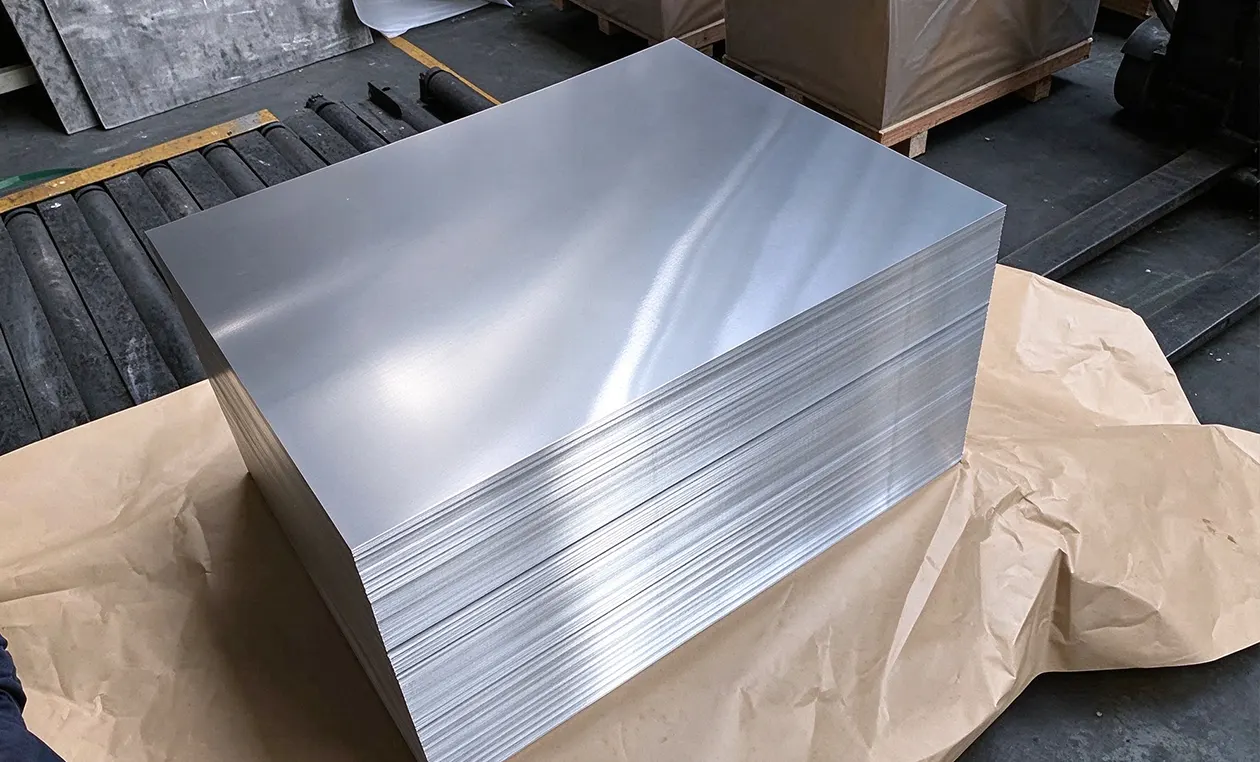
- Heavy-Gauge Substrate & Structural Resilience: Solid aluminum curtain walls require nominal panel thicknesses between 2.5mm and 4.0mm to resist wind pressure load demands without excess deflection or oil-canning. Common alloys include 3003-H24 for standard decorative panels and 5052-H32 for high-rise or coastal installations due to its magnesium content (2.2%–2.8% Mg), which enhances yield strength and marine corrosion resistance.
- High-Performance PVDF/FEVE Coating Systems: Exterior curtain wall cladding must comply with AAMA 2605-20 specifications. Panels are coated with a 70% PVDF resin system applied in 2-coat or 3-coat configurations:
- Primer Coat: 5–8m epoxy or polyurethane primer.
- Topcoat (Color): 20–25m PVDF color coat with inorganic ceramic pigments.
- Clear Coat (Optional for Metallic Finishes): 10–15m PVDF clear coat for UV and chemical degradation resistance.
- Durability and Environmental Performance: Solid aluminum curtain wall coatings undergo continuous outdoor exposure testing. Under AAMA 2605 compliance, the surface must retain its color fastness with units (CIELAB) and maintain chalking resistance rated 8 after 10 years of South Florida outdoor exposure.