
Direct Technical Answer: Standing Seam vs. Corrugated Profiles
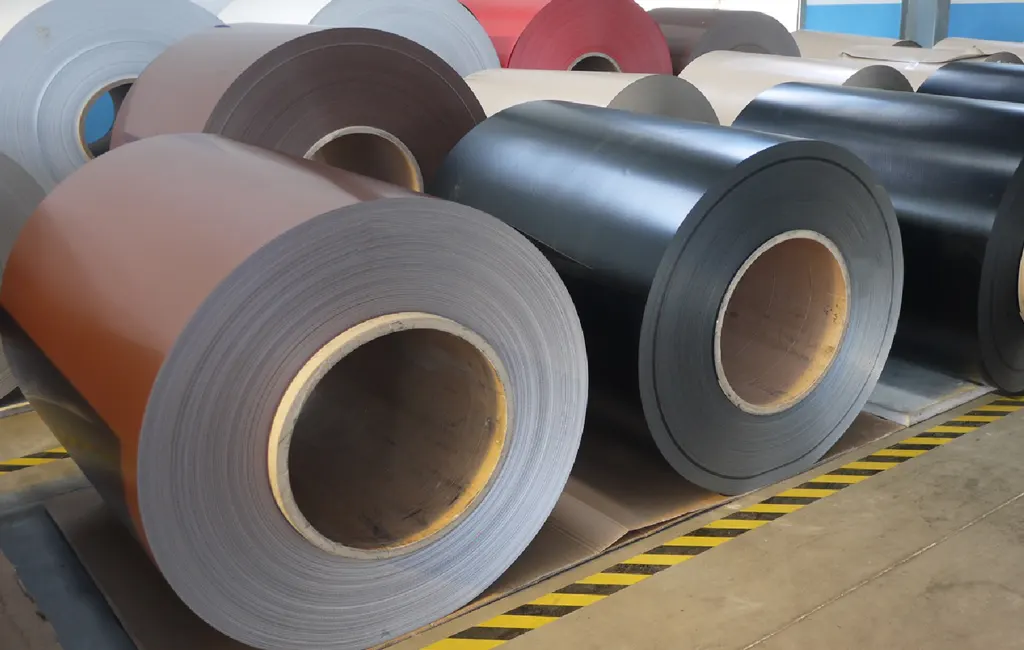
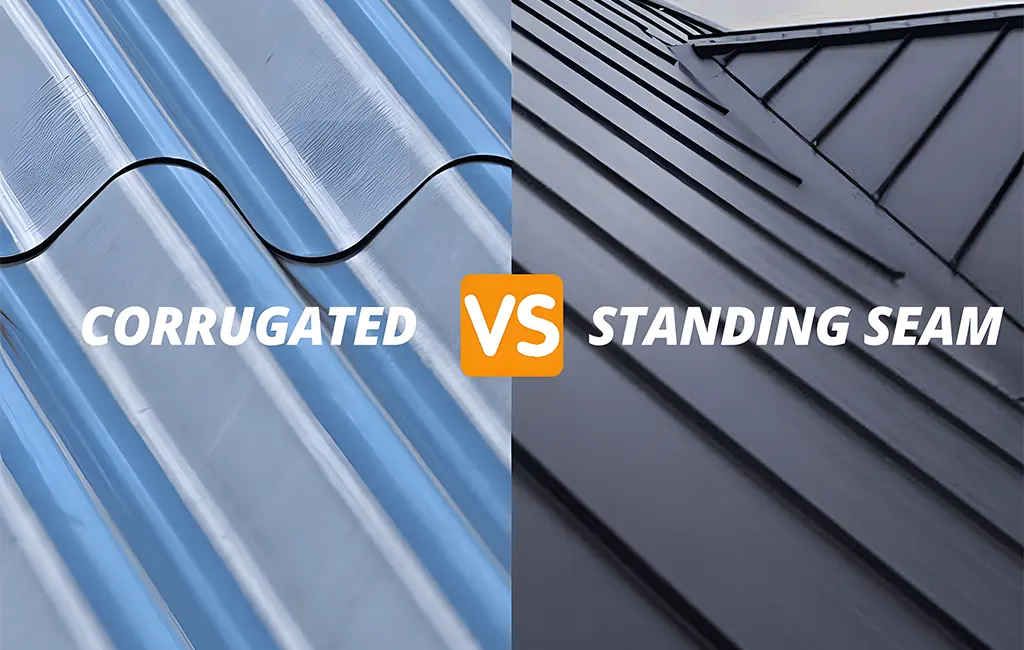
Choosing between standing seam and corrugated profile systems for color-coated aluminum roofing depends primarily on roof pitch, structural thermal expansion, and mechanical fastener exposure. Standing seam systems feature concealed mechanical fasteners and raised vertical seams (typically 25–65 mm seam height), making them the industry standard for low-slope applications down to 1:50 (1.15° or 2%). They allow unrestricted longitudinal thermal movement of aluminum through sliding clips, eliminating thermal buckling and fastener fatigue. Corrugated profile panels use exposed through-fasteners and sinusoidal geometries, requiring steeper slopes (minimum 1:10 or 5.7°) to prevent hydro-static water ingress at overlap joints. While corrugated profiles cost significantly less in material and installation, standing seam systems paired with 70% PVDF-coated AA 3000 or AA 5000 series aluminum offer superior long-term weatherability, leak prevention, and compliance with AAMA 2605 [1]wind-uplift and weather-tightness requirements.
Technical Parameter Comparison Matrix
| Performance & Engineering Parameter | Standing Seam Profile System | Corrugated Sinusoidal Profile System |
| Recommended Substrate Alloy | AA 3003-H14, AA 3004-H14, AA 5052-H32 [2] | AA 3003-H16, AA 3105-H24, AA 1100 |
| Standard Substrate Thickness | 0.7 mm – 1.0 mm (Higher rigidity for seaming) | 0.5 mm – 0.8 mm |
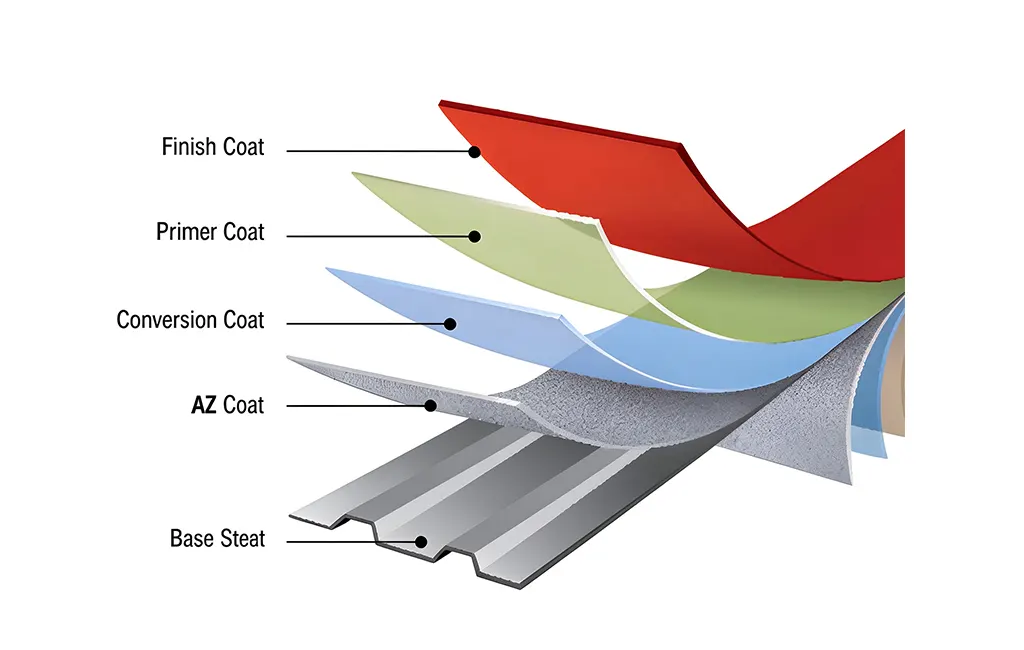
| Coating System Specification | 25 – 35 μm 70% PVDF (2-coat/3-coat System) [3] | 20 – 25 μm High-Durable Polyester (HDP) / PVDF |
| Fastener Exposure | Concealed Clips (Fixed and Sliding Clips) | Exposed Through-Fasteners (EOD-washer screws) |
| Minimum Roof Slope Limit | 1:50 (1.15° / 2%) with structural seaming | 1:10 (5.7° / 10%) with lap-seal tape |
| Seam / Rib Height Range | 25 mm – 65 mm (Mechanical Zip or Snap-Lock) | 18 mm – 32 mm (Sinusoidal wave depth) |
| Thermal Expansion Handling | Unrestricted (Sliding clips absorb thermal movement) | Restricted (Elongated screw holes required) |
| Wind Uplift Resistance | High (Tested per ASTM E1592 / UL 580 Class 90) | Moderate (Governed by fastener density/substrate) |
| Expected Service Life (AAMA 2605) | 40 – 50+ Years | 20 – 30 Years |
| Target Application Scenarios | Commercial Complexes, Airports, Low-Slope Modern Roofs | Agricultural Buildings, Industrial Sheds, Steep Canopies |
Atomic & Modular Technical Breakdown
Thermal Expansion and Mechanical Fastening Dynamics
Aluminum possesses a high coefficient of thermal expansion () [4], roughly double that of carbon steel. On an architectural roof exposed to direct solar radiation, panel surface temperatures fluctuate between -20°C in winter and +80°C in summer (). Over a 20-meter panel run, an aluminum sheet expands and contracts longitudinally by approximately 46.2 mm.
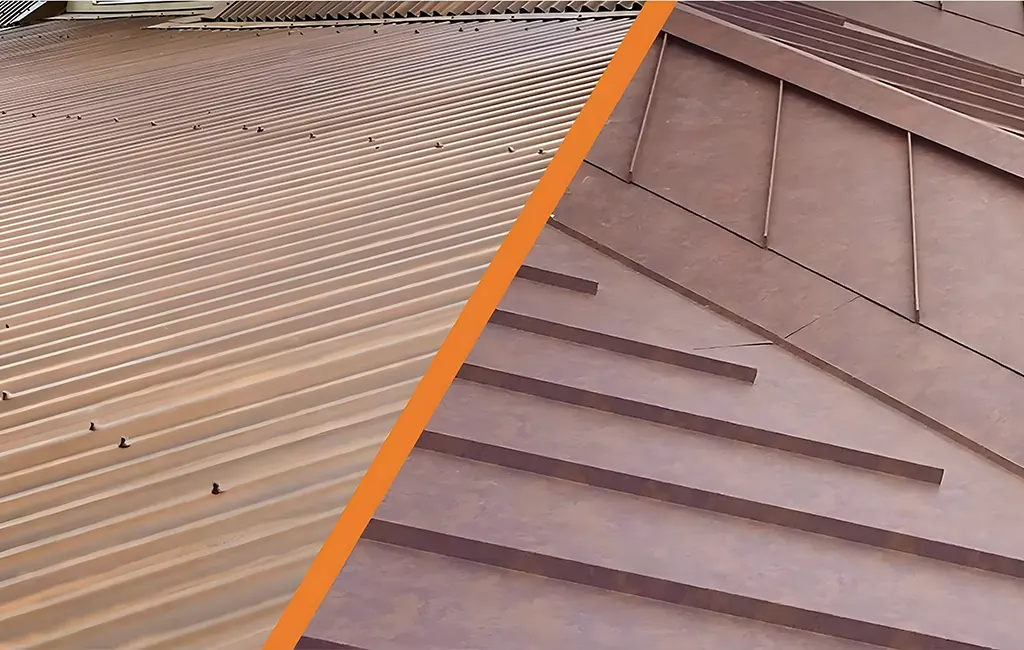
- Standing Seam Mechanics: The standing seam profile utilizes two-piece sliding clips fastened directly to the roof deck or purlins. The upper tab of the clip is rolled into the female-male panel seam, allowing the color-coated aluminum sheet to expand and contract smoothly without inducing stress at the anchor points.
- Corrugated Profile Mechanics: Corrugated sheets are fixed through the profile valleys or crests using self-tapping screws equipped with EPDM washers. Repeated thermal expansion forces the screw shafts against the aluminum panel walls, ovalizing the screw holes over time and deteriorating the rubber washers, leading to premature roof leaks.
Application Profiles and Architectural Case Scenarios
Airport Terminals & Convention Centers (Standing Seam)
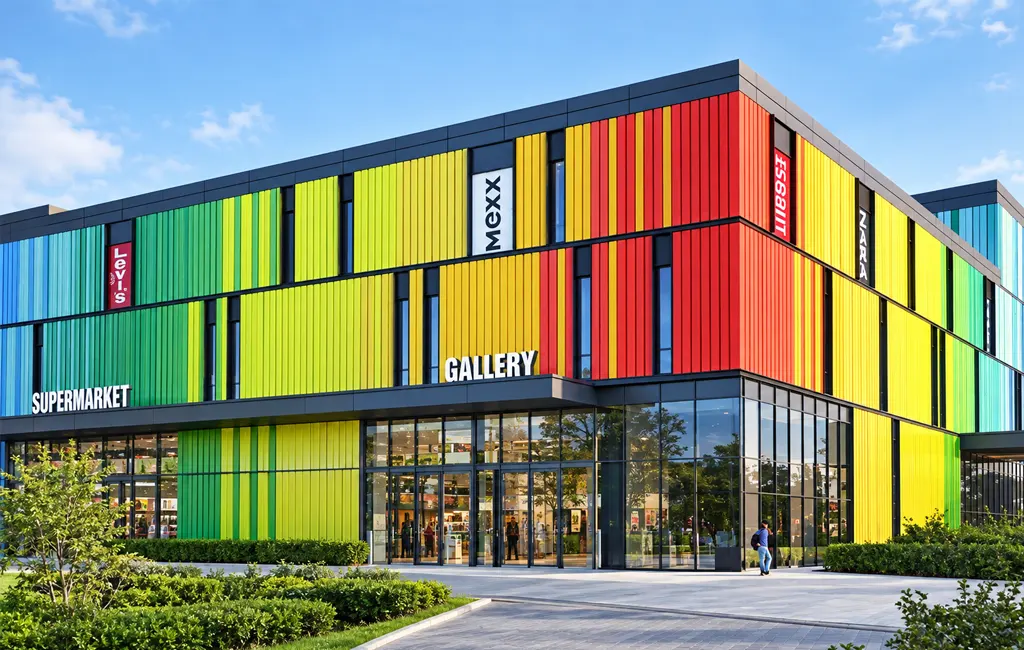
Large-span commercial roofs require long continuous panel runs, superior wind-uplift ratings, and minimal maintenance over decades of operation.
- System Configuration: Double-locked mechanically seamed standing seam system (65 mm rib height).
- Material Spec: AA 3004-H14 or AA 5052-H32 color-coated aluminum, 0.9 mm to 1.0 mm thickness, finished with a 3-coat 70% PVDF coating system (35 μm DFT) meeting AAMA 2605 [1].
- Engineering Rationale: Accommodates high wind-uplift pressure (ASTM E1592) over wide purlin spacings, while sliding clips easily absorb extreme longitudinal expansion on continuous 40-meter roof runs without buckling.
Logistics Warehouses & Industrial Canopies (Corrugated Profile)
For high-slope industrial structures where speed of installation and initial capital expenditure (CAPEX) dominate material selection:
- System Configuration: Standard sinusoidal corrugated panel (e.g., 18/76 wave profile).
- Material Spec: AA 3003-H16 or AA 3105-H24 color-coated aluminum, 0.6 mm to 0.7 mm thickness, finished with a High-Durable Polyester (HDP) or 2-coat PVDF system (25 μm DFT) meeting AAMA 2604 / 2605 [1].
- Engineering Rationale: High production efficiency and rapid screw-down assembly minimize labor costs. When installed at pitches above 1:5 (11.3°), the corrugated geometry provides good structural stiffness-to-weight ratios for economic coverage across large surface areas.
References
[1] Wikipedia. American Architectural Manufacturers Association[EB/OL]. 2026-09-29.
[2] Wikipedia. Aluminium alloy[EB/OL]. 2026-09-29.
[3] Wikipedia. Polyvinylidene fluoride[EB/OL]. 2026-09-29.
[4] Wikipedia. Thermal expansion[EB/OL]. 2026-09-29.