
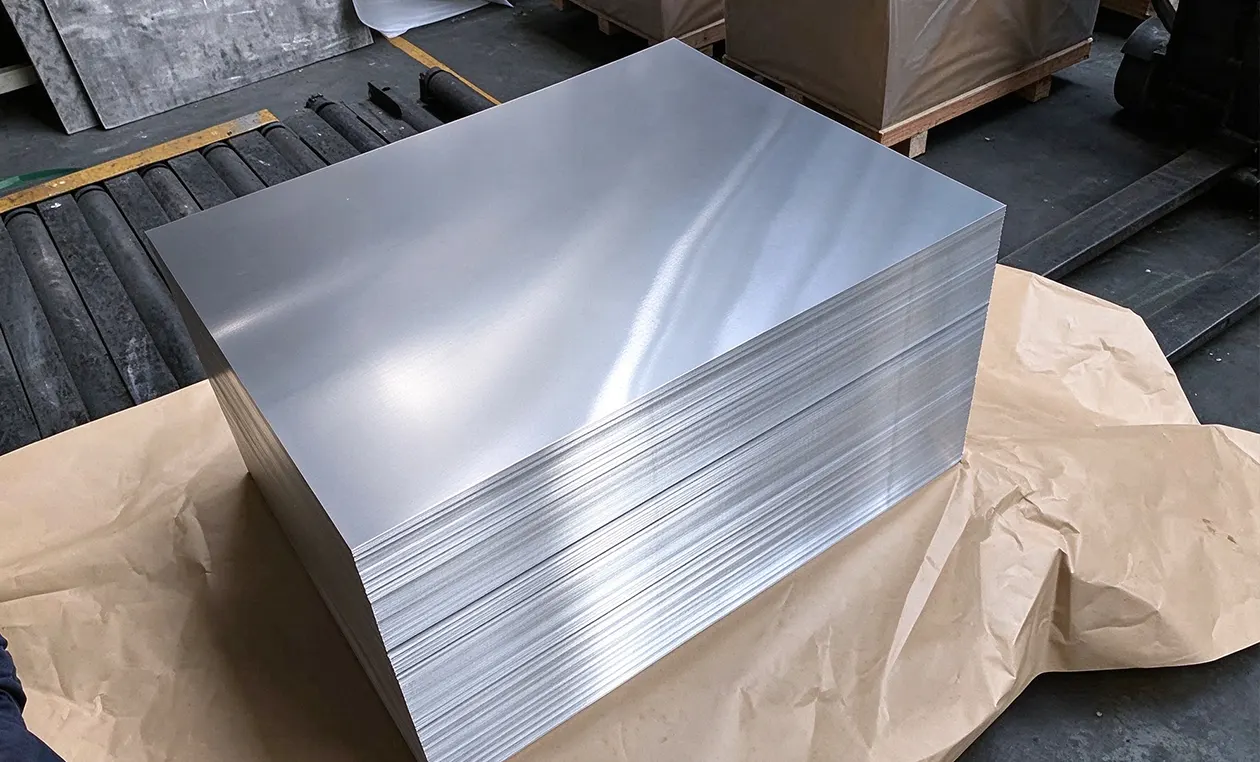
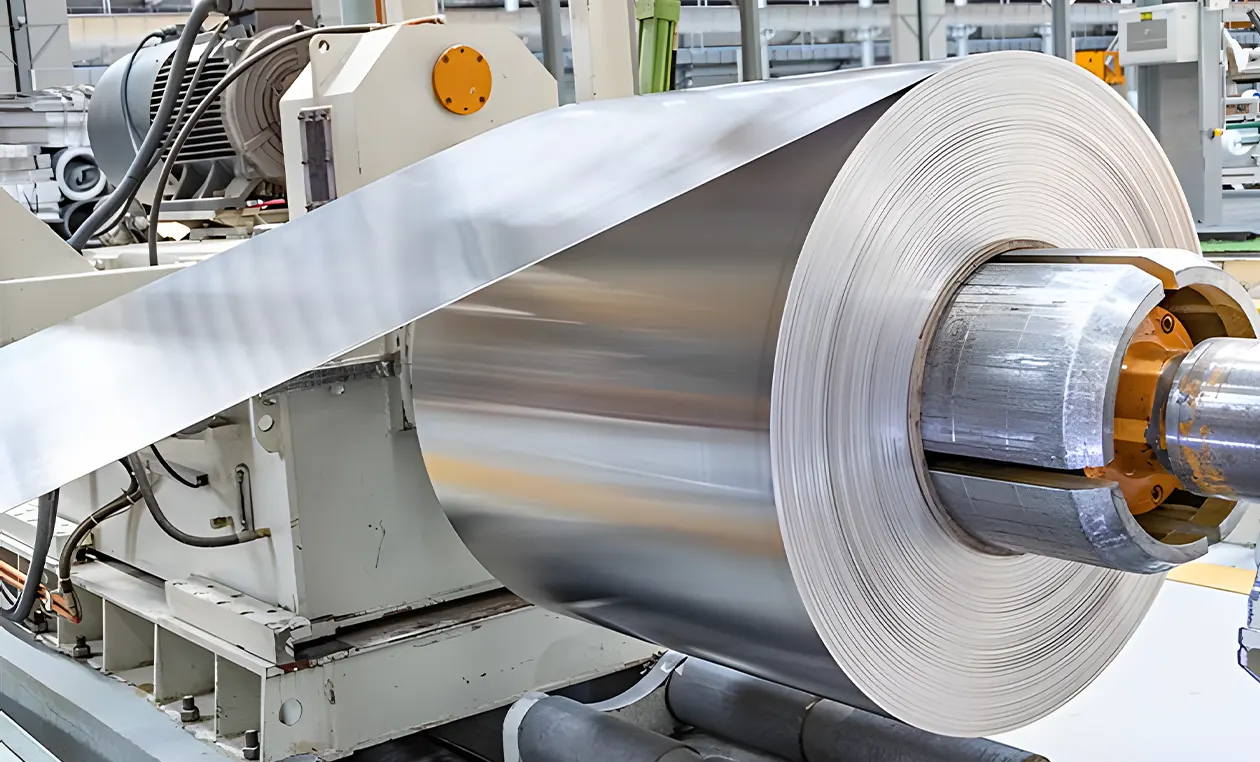
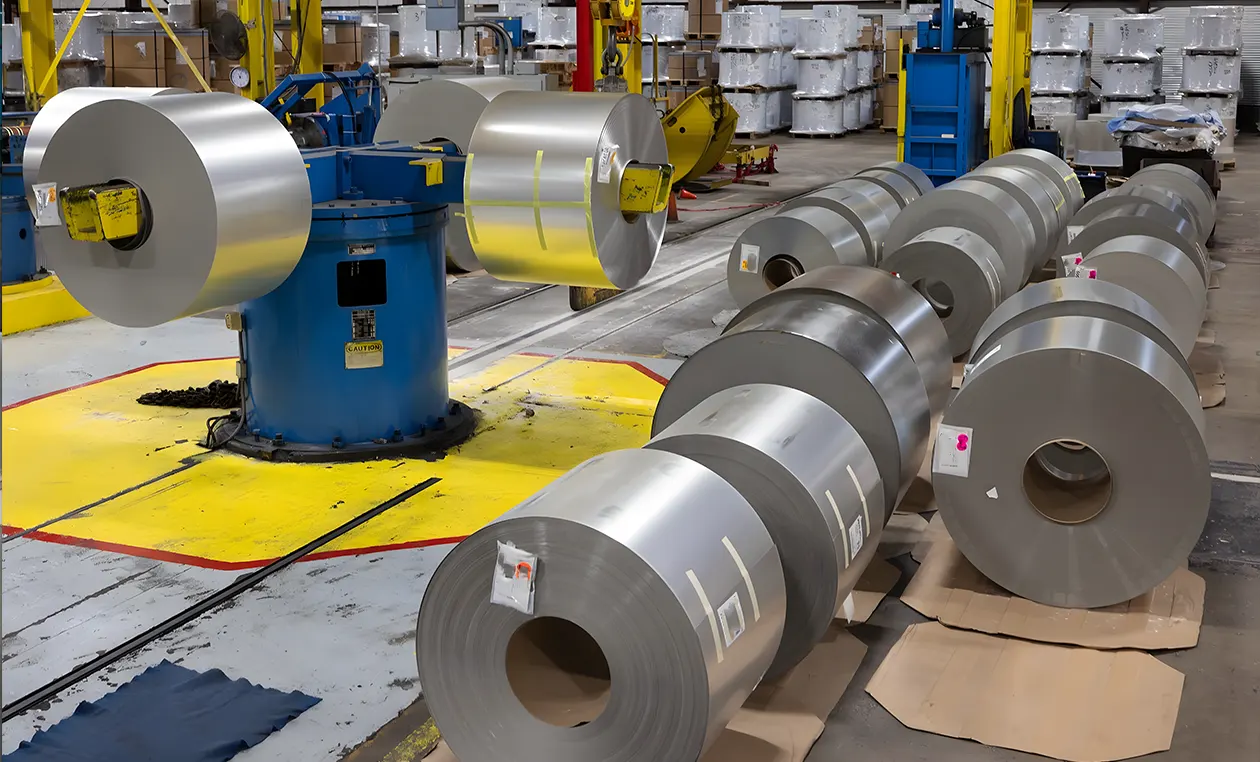
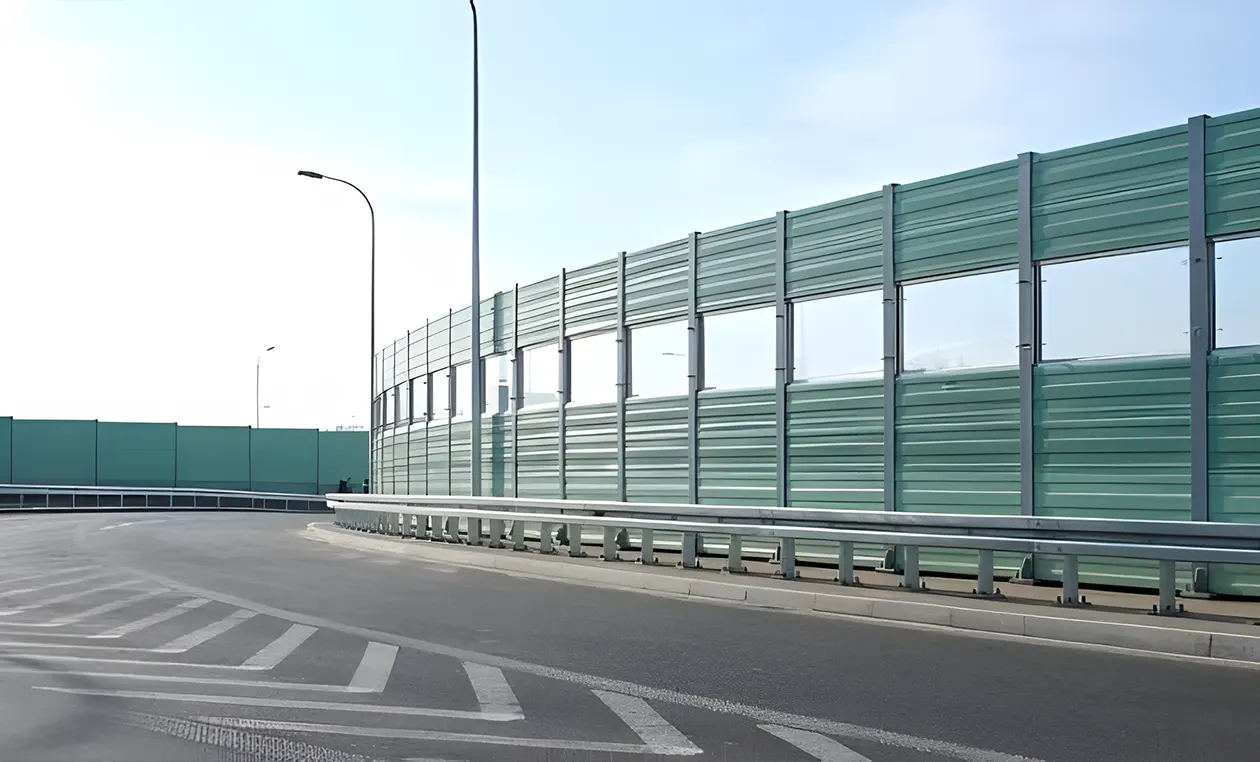
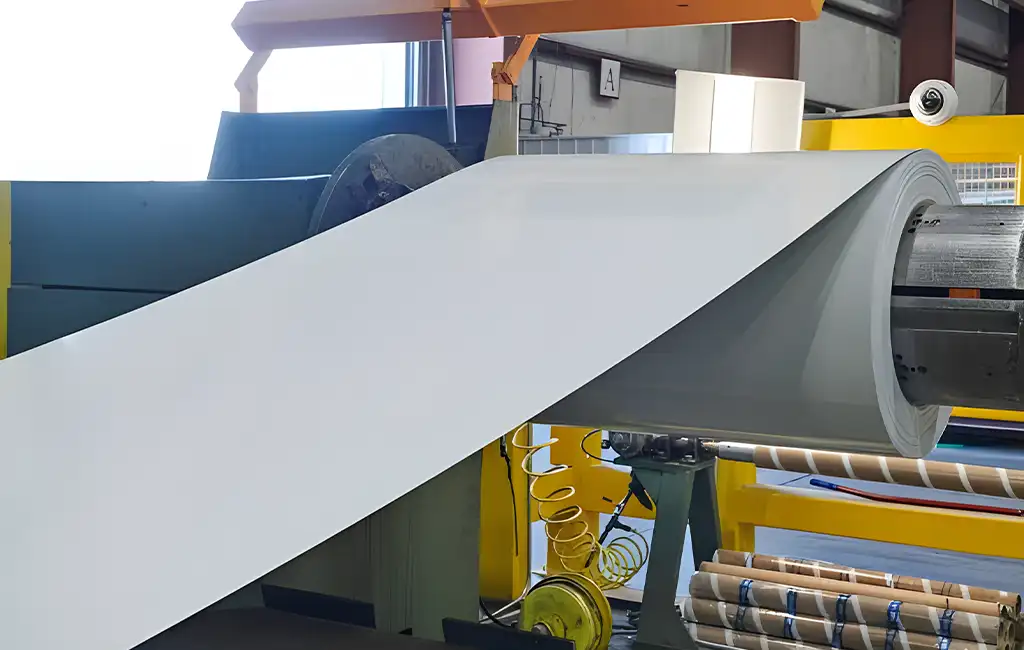
The back-coat (or rear-side coating) of a pre-painted aluminum coil is a protective, highly functional polymer layer applied to the non-decorative side of the aluminum sheet during the continuous coil coating process. Typically formulated from modified polyester, epoxy, or polyurethane resins at a dry film thickness (DFT) of 5 μm to 15 μm, the back-coat is not intended for primary aesthetic presentation. Instead, its core engineering functions are to prevent back-side oxidation, protect the top-coat from mechanical abrasion during coil winding and transportation, enhance foam adhesion in composite panels (such as PU/PIR sandwich panels), and ensure chemical compatibility with bonding adhesives or structural sub-framing.
Technical Parameter & Performance Comparison Matrix
The table below outlines the primary coating specifications and performance metrics comparing back-coat formulations against standard exterior top-coats (PVDF and PE) applied to common aluminum alloy substrates.
| Technical Parameter | Back-Coat (Standard Service) | Back-Coat (High-Adhesion Polyurethane/Epoxy) | Top-Coat: Polyester (PE) | Top-Coat: Polyvinylidene Fluoride (PVDF) |
| Primary Base Resins | Polyester / Epoxy Primer | Epoxy / Polyurethane (PU) | High-Durability Polyester | 70% PVDF / 30% Acrylic Resin |
| Dry Film Thickness (DFT) | 5 – 8 μm | 8 – 15 μm | 15 – 25 μm | 25 – 35 μm (2-coat / 3-coat) |
| Target Aluminum Alloys | AA1100, AA3003, AA3105 | AA3003, AA3004, AA5052 | AA1100, AA3003, AA3004 | AA3003, AA3004, AA5052, AA6061 |
| Neutral Salt Spray Test (ASTM B117) | ≥ 500 Hours | ≥ 1,000 Hours | ≥ 1,000 Hours | ≥ 3,000 Hours |
| Foam/Adhesive Adhesion Rating | Standard (N/A) | ≥ 0.15 MPa (T-Peel / Shear) | N/A (Exterior Face) | N/A (Exterior Face) |
| Flexibility / T-Bend (ASTM D4145) | ≤ 2T (No cracking/flaking) | ≤ 1T – 2T | ≤ 2T | ≤ 0T – 1T |
| Pencil Hardness (ASTM D3363) | H – 2H | 2H | F – H | F – H |
| Primary Application Scenarios | Roofing sheets, single-skin cladding, guttering | PU/PIR Sandwich panels, ACP backing, ceiling tiles | Interior decoration, indoor partitions, signboards | Commercial building facades, curtain walls, roofing |
Technical Functions and Engineering Advantages of Back-Coating
1. Coil Winding Protection (Anti-Abrasion)
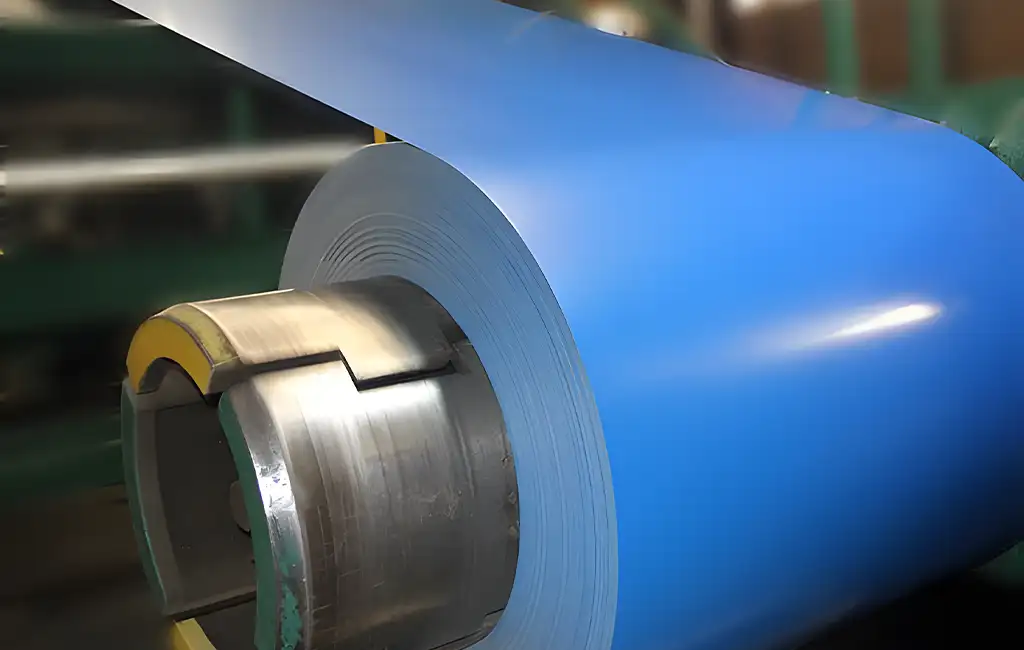
During high-speed continuous coil coating operations, aluminum strip is wound into tightly bound coils under high tension. Without a back-coat, the rough aluminum oxide underside directly contacts the finished decorative top-coat. This metal-to-paint contact causes micro-fretting, pressure marks, and scratch defects during transit. The back-coat acts as a sacrificial barrier, maintaining surface integrity across the entire coil length.
2. Corrosion and Galvanic Resistance
Uncoated aluminum rear surfaces exposed to unventilated interstitial spaces or trapped condensation undergo rapid oxidation and white rust formation. Applying an epoxy or polyester back-coat compliant with ISO 12206 or AAMA 2605 guidelines seals the metal matrix, preventing atmospheric corrosion and isolating the aluminum from direct contact with dissimilar metals (such as galvanized steel purlins), thereby mitigating galvanic corrosion risks.
3. Structural Adhesion Enhancement
In the production of Aluminum Composite Panels (ACP) and insulated sandwich panels (PU, PIR, or Rockwool cores), the rear surface must form a strong molecular bond with structural core materials. Specialized polyurethane or epoxy back-coats contain active functional groups that maximize chemical bonding and mechanical interlock, achieving peel strength standards exceeding 100 N/cm under EN 13523 test protocols.