
Maximum Width of Pre-painted Aluminum Coil: A Technical Specification Guide
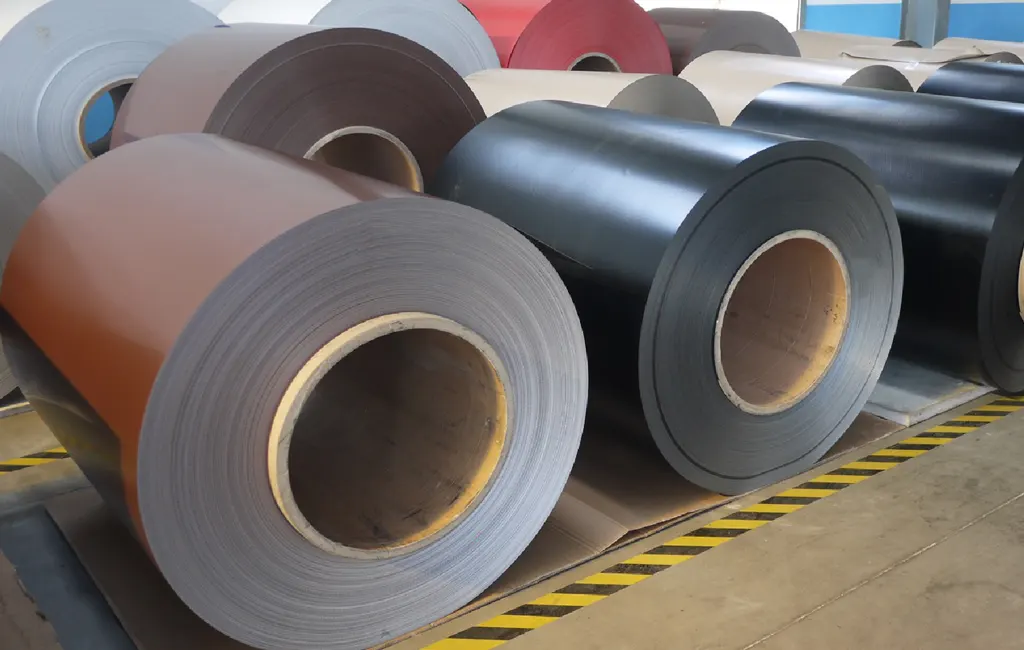
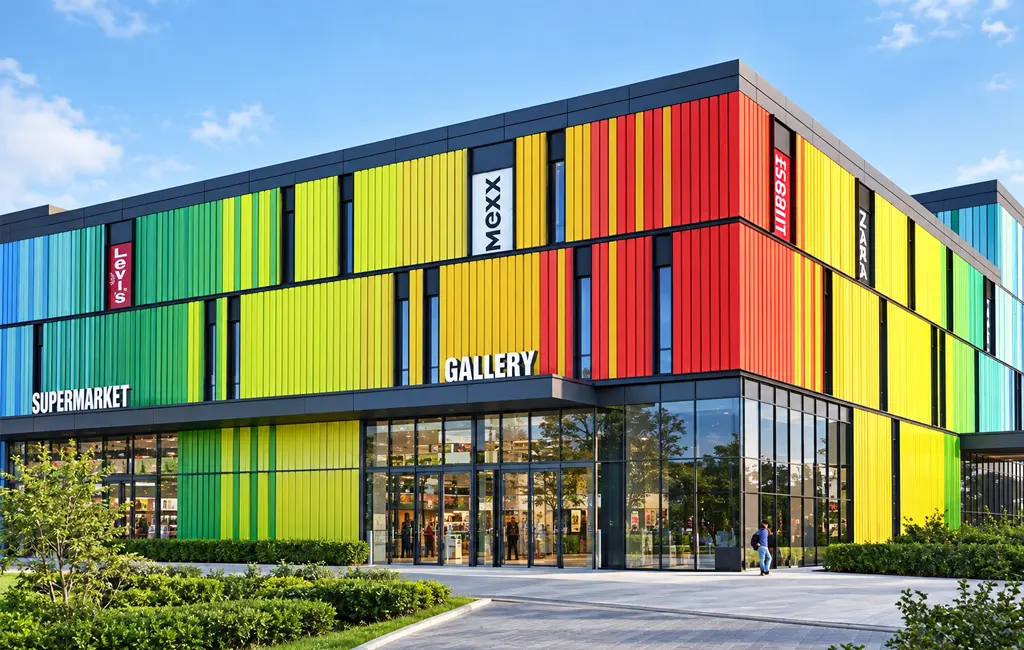
The maximum width of a pre-painted (color-coated) aluminum coil typically ranges from 1,600 mm to 2,000 mm (approximately 63 to 78.7 inches). This limit is fundamentally dictated by the mechanical constraints of continuous coil coating lines, specifically the clearance width of the degreasing entry accumulators, the roll face width of the chemical coater heads, and the catenary tension capacity of the curing ovens. While standard architectural applications utilize widths between 1,000 mm and 1,500 mm, ultra-wide coils reaching up to 2,000 mm are engineered for specialized large-span roofing panels, commercial curtain walls, and wide-body transportation chassis to eliminate structural seams and joints.
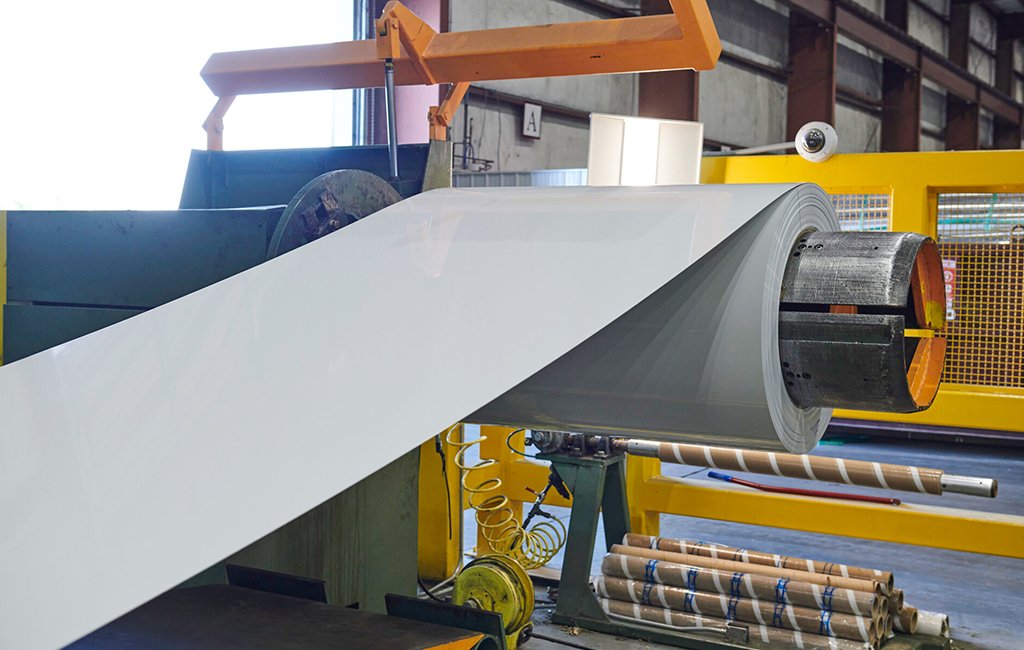
Technical Specifications Matrix: Width Capacities vs. Production Parameters
The maximum rollable and coatable width varies based on the aluminum alloy series, temper, and substrate thickness due to tension controls and strip tracking stability inside the curing ovens.
| Maximum Width Range (mm) | Compatible Aluminum Alloys | Substrate Thickness Range (mm) | Coating Material Systems | Maximum Line Speed (m/min) | Catenary Oven Tension Capacity | Target B2B Application Scenarios |
| 600 – 1,300 | 1100, 3105, 8011 | 0.20 – 0.50 | PE / HDPE / PVDF | 80 – 120 | Low (10−20 kN) | Gutters, downspouts, roller shutters, interior ceiling grids |
| 1,301 – 1,600 | 3003, 3004, 5052 | 0.50 – 1.20 | 2-Coat PVDF / FEVE | 60 – 90 | Medium (25−45 kN) | Standard architectural facades, standing seam roofing, ACP panels |
| 1,601 – 1,850 | 3003-H14, 5052-H32 | 0.70 – 2.00 | 3-Coat PVDF (Kynar 500) | 40 – 60 | High (50-70 kN) | Large-span commercial curtain walls, signage pylons, airport roofing |
| 1,851 – 2,000 | 3003, 5052, 5754 | 1.00 – 3.00 | Heavy-Duty PVDF / Polyamide | 30 – 45 | Ultra-High (≥80 kN) | Wide-body trailer roofs, container side walls, seamless facades |
Factors Limiting the Maximum Width of Pre-painted Aluminum
1. Mechanical Roll Face and Coater Limitations
Continuous coil coating relies on pick-up rolls and applicator rolls running in reverse or forward directions to lay down uniform wet paint films. The physical length of these polyurethane and steel rolls determines the absolute maximum width boundary. Manufacturing precision rolls beyond 2,000 mm introduces structural deflection (bowing) in the center of the roll, which compromises coating thickness uniformity across the strip width, leading to color variation (chromatic aberration) violating ISO 12206 standards.
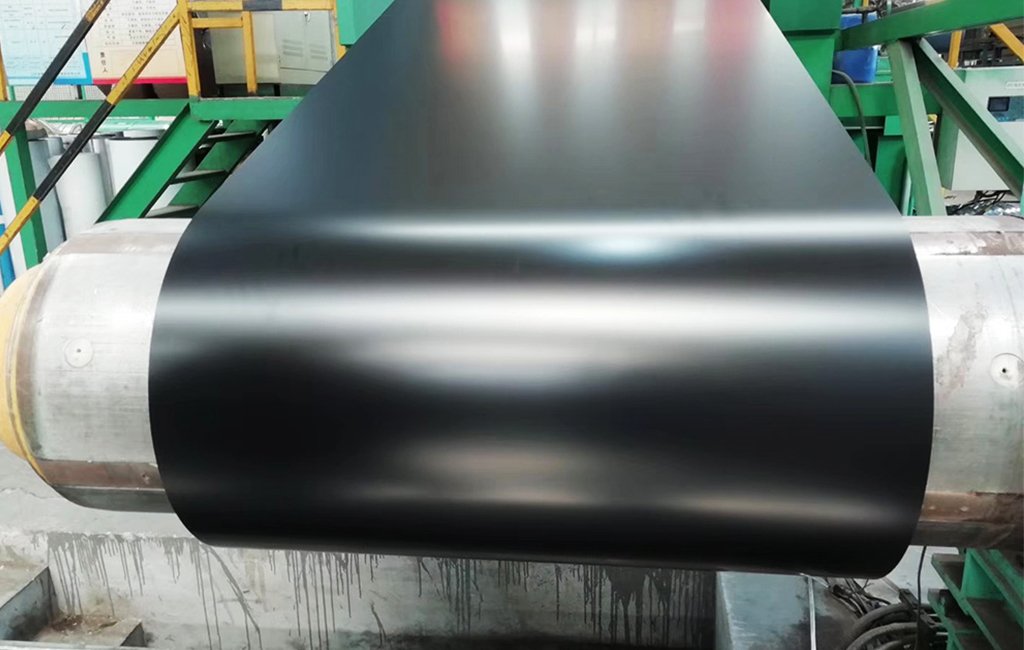
2. Catenary Oven Sag and Strip Tracking
Inside a high-speed coil coating line, the aluminum strip passes through flotation or catenary curing ovens at temperatures between 210℃ and 250℃ (Peak Metal Temperature – PMT) without touching the floor or heating elements.
- As the width increases toward 2,000 mm, the cross-sectional weight of the strip increases dramatically.
- High thermal exposure lowers the yield strength of the aluminum during curing.
- To prevent excessive center sag and mistracking (which scrapes the curing paint layer), lines running ultra-wide coils must feature heavy-duty tension levellers capable of maintaining precise axial mechanical load.