
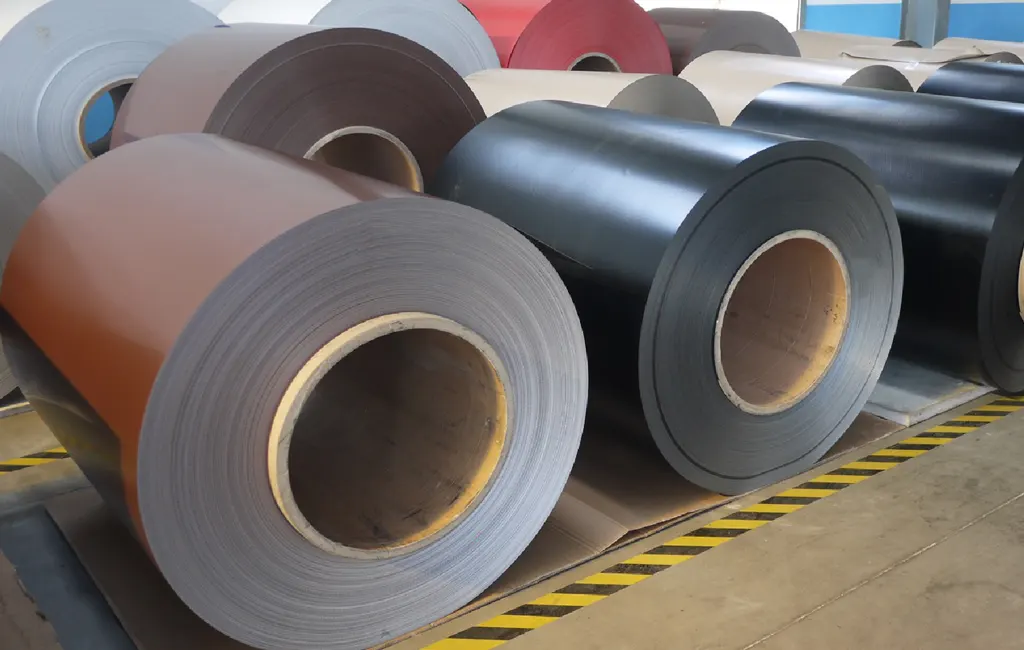
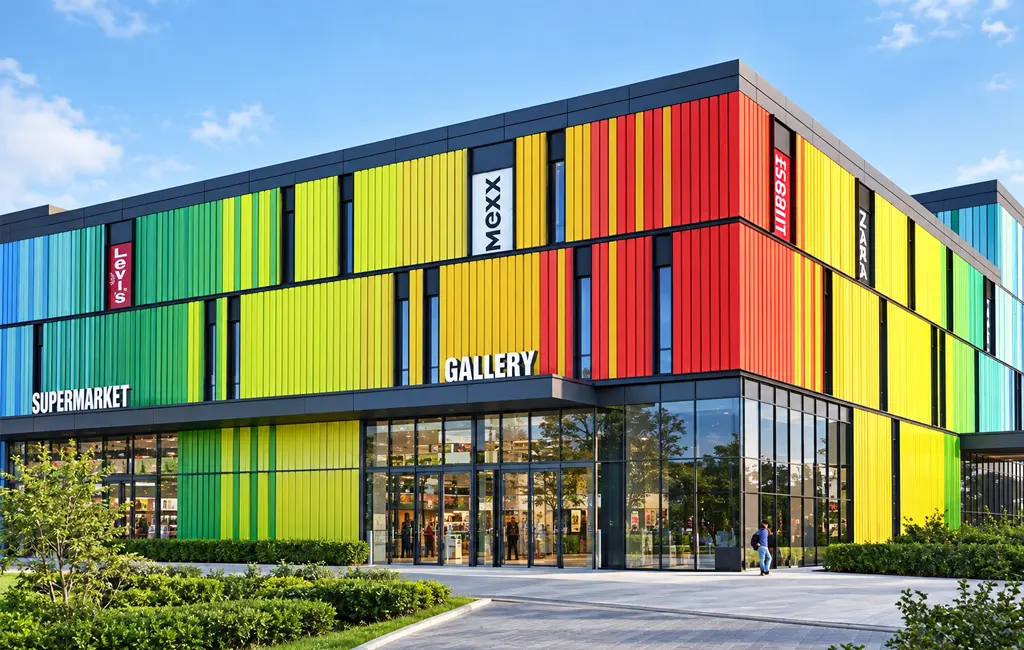
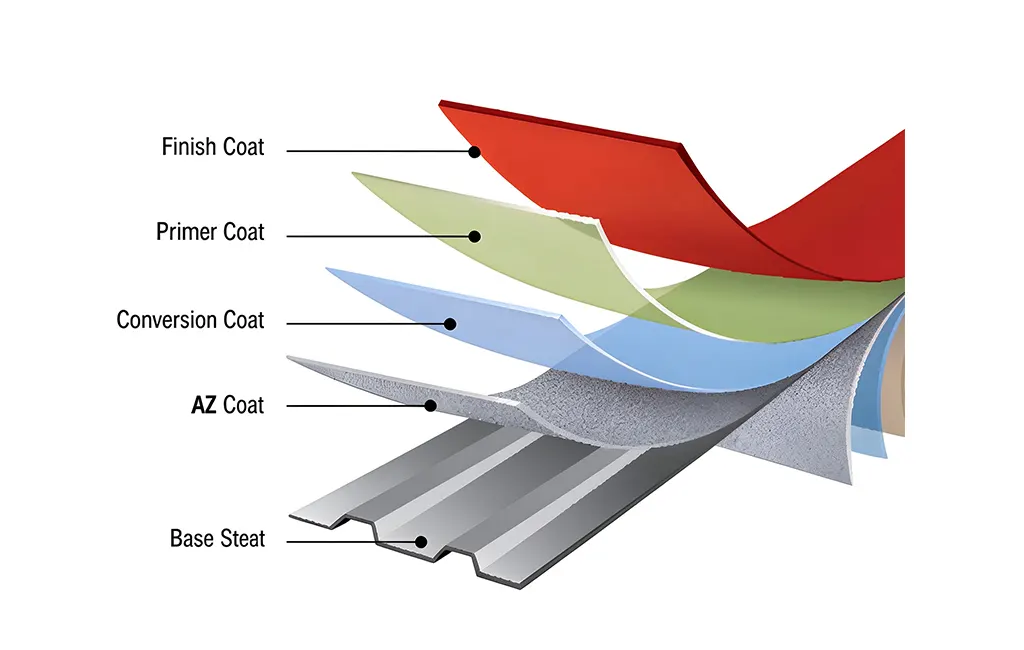
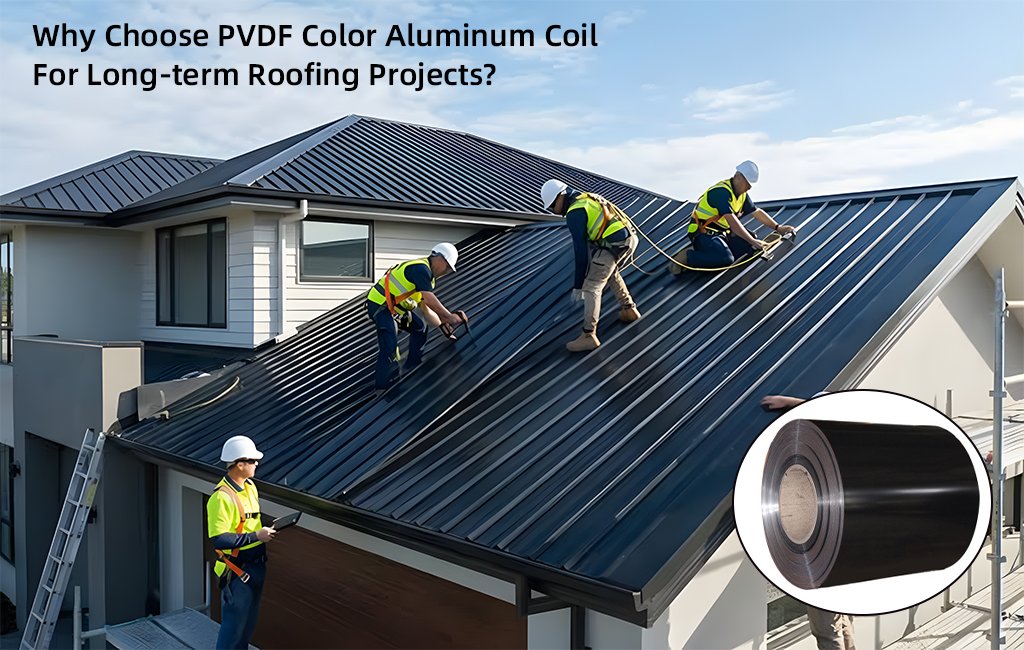
PVDF color aluminum coil is the definitive engineering choice for long-term architectural roofing due to its exceptional resistance to ultraviolet (UV) radiation, chemical degradation, and atmospheric corrosion. Composed of a minimum 70% Polyvinylidene Fluoride resin blended with 30% acrylic polymers, PVDF coatings form short, ultra-stable carbon-fluorine covalent bonds. When applied over manganese-stabilized Alloy 3004 or magnesium-stabilized Alloy 5052, this system achieves an RUV4 weather resistance classification under EN 10169 and passes a ≥3000-hour salt spray test (ASTM B117). It guarantees a structural life expectancy exceeding 30 years, maintaining color fastness with a ΔEab ≤ 5.0 over 20 years in high-UV and industrial environments.
Technical Parameter Matrix for Roofing Coil Chemistries
The data matrix below contrasts the performance metrics of high-performance 70% PVDF color aluminum coils against alternative commercial roofing specifications under global metallurgical standards.
| Technical Parameter | Premium 70% PVDF Aluminum Coil | High-Durability Polyester (HDP) | Super Durable Polyester (SDP) | Standard Polyester (PE) Aluminum |
| Aluminum Alloy Grade | Alloy 3004 / 5052 (H24 Temper) | Alloy 3003 / 3105 (H14 Temper) | Alloy 3003 / 3105 (H16 Temper) | Alloy 1100 / 3105 (H14 Temper) |
| Coating System Structure | 2-Coat or 3-Coat Thermoset Fluorocarbon | 2-Coat Modified Saturated Polyester | 2-Coat Cross-linked Polyester | 1 or 2-Coat Linear Polyester |
| Total Dry Film Thickness (DFT) | ≥25 μm (Top: 20 μm, Primer: 5 μm) | ≥20 μm (Top: 15 μm, Primer: 5 μm) | ≥22 μm | 15-18 μm |
| UV Resistance Rating | RUV4 (Maximum stability under high UV) | RUV4 (High performance) | RUV3 | RUV2 (Prone to early photolysis) |
| Salt Spray Exposure (ASTM B117) | ≥3000 Hours (Zero blistering) | ≥1500 Hours | ≥1000 Hours | ≥720 Hours |
| 20-Year Color Retention (ΔEab) | ≤5.0 Units (Conforms to AAMA 2605) | ≤8.5 Units | ≤10.0 Units | Failed / Severe Chalking |
| Gloss Retention (60° Gardner) | ≥80% after 10 years weathering | ≥60% after 10 years weathering | ≥50% | ≥20% |
| T-Bend Flexibility (ASTM D4145) | ≤1T-2T (Zero micro-cracking) | ≤2T | ≤2T-3T | ≤3T |
| Operating Temperature Range | -50℃ to +120℃ | -40℃ to +90℃ | -40℃ to +85℃ | -30℃ to +80℃ |
| Primary B2B Application Target | High-end standing seam roofing, coastal facades | Industrial warehouses, logistics hubs | Mid-rise commercial cladding | Inland temporary roofing panels |
Technical Analysis of PVDF and Substrate Engineering
The Molecular Dynamics of 70% PVDF Resin Systems
The performance of PVDF (Polyvinylidene Fluoride) coatings is determined by its atomic configuration. The polymer consists of alternating fluorocarbon and hydrocarbon groups, where the electronegativity of the fluorine atoms forms a highly stable covalent carbon-fluorine bond. This specific bond energy resists split-phase photolysis caused by high-frequency solar UV-A and UV-B radiation.
To ensure maximum long-term durability on architectural building envelopes, the resin matrix must maintain a minimum 70% PVDF ratio combined with 30% acrylic modifiers, satisfying AAMA 2605-20 guidelines. If the PVDF concentration falls below this threshold, the coating loses its resistance to chalking, surface erosion, and color fading. The inclusion of inorganic ceramic pigments within this fluorocarbon matrix prevents chemical breakdown when exposed to concentrated industrial sulfur dioxide (SO₂) emissions and acid rain.
Metallurgical Integration with Aluminum-Manganese-Magnesium Substrates
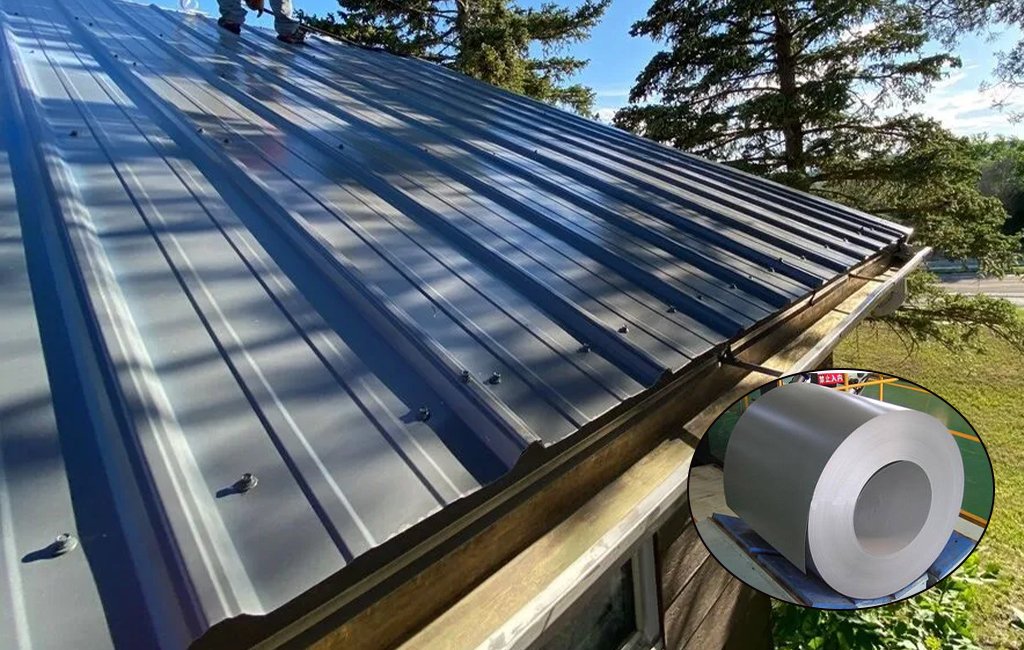
Selecting the correct underlying aluminum alloy is critical to preventing galvanic and atmospheric corrosion in long-term roofing installations. Alloy 3004 (Al-Mn-Mg) and Alloy 5052 (Al-Mg) are engineered specifically for high-stress structural panel systems.
- The inclusion of manganese (~1.2%) increases the baseline mechanical strength of the aluminum matrix without decreasing its structural ductility, allowing for complex roll-forming of high-rib standing seam profiles.
- The addition of magnesium (~2.5% in 5052) provides solid-solution strengthening and forms a highly stable, self-healing aluminum oxide (Al₂O₃) passive layer beneath the chemical conversion coating.
This dual-layer defense system—consisting of the external PVDF barrier coating and the internal self-passivating alloy substrate—ensures that even if the roofing surface is physically scratched down to the bare metal during installation, filiform corrosion and lateral paint creeping are inhibited.