
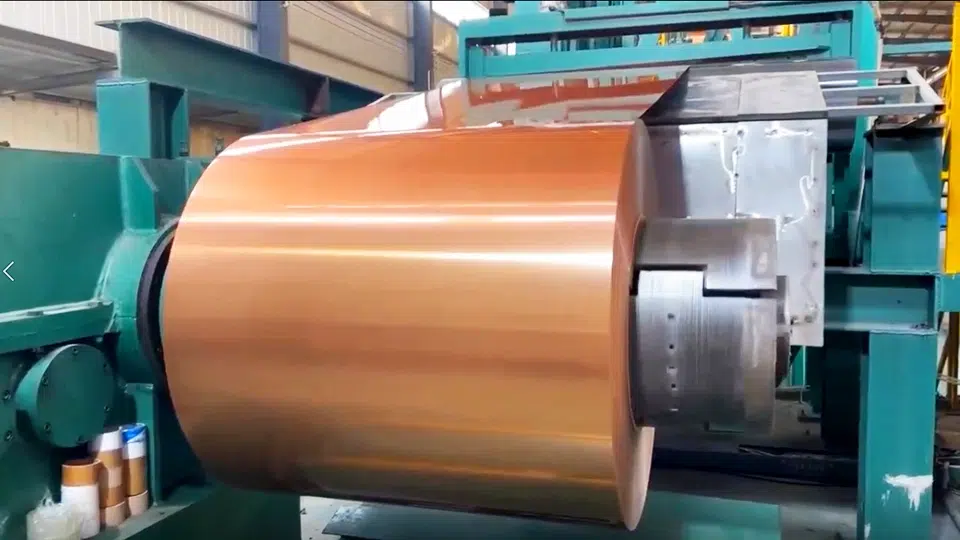
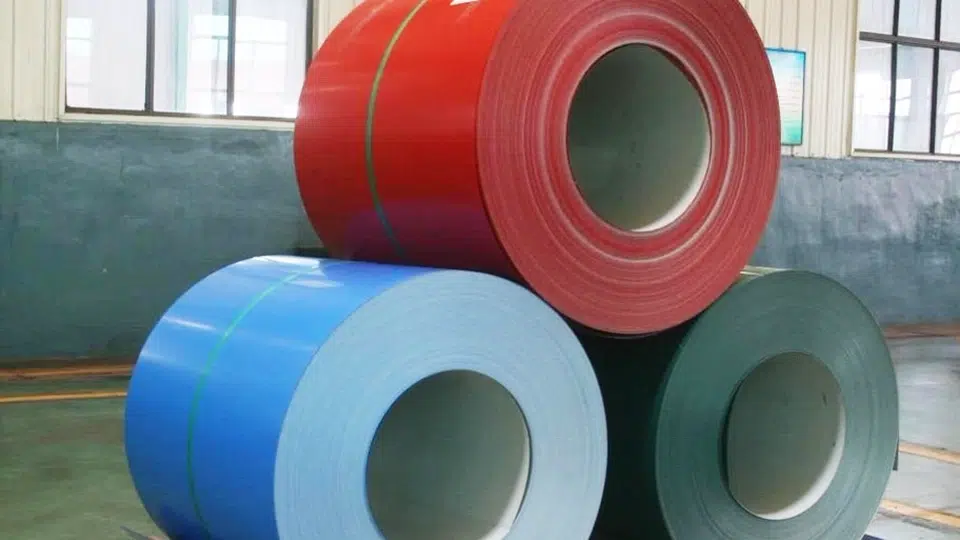
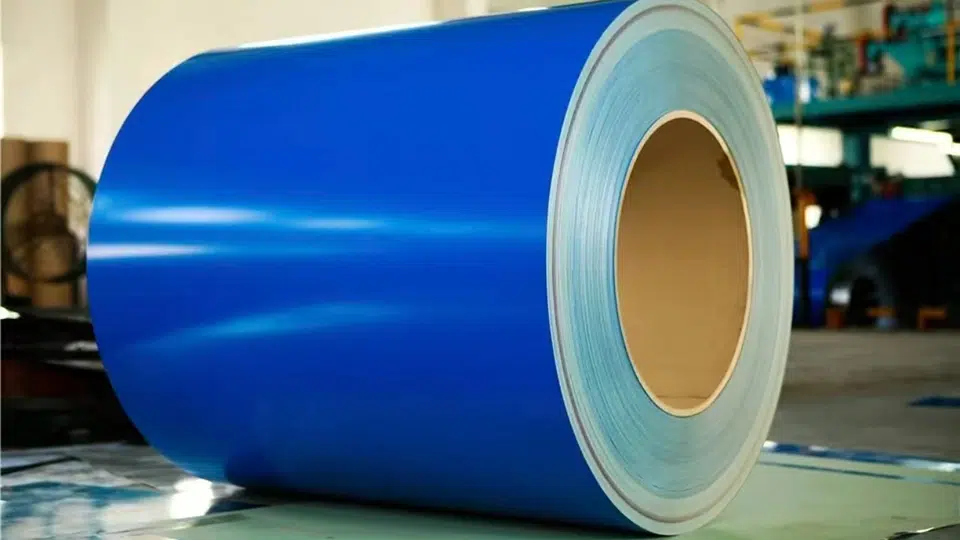

Exterior walls demand finishes that are not only visually appealing but also durable under sun, rain, and pollution. Color-coated aluminum coils offer lightweight, corrosion-resistant, and customizable solutions that are widely used for modern facades. This article helps you select the coating system and thickness to meet performance, color consistency, and life-cycle cost.
Basic composition of color-coated aluminum coil
- Aluminum base material and alloy: Common choices include AA3000/5000 series alloys, with surface finishes tailored for paint adhesion and weather resistance.
- Pretreatment and surface preparation: Cleaning, etching, and a bonding pretreatment to enhance coating adhesion and corrosion resistance.
- Coating systems: PE (polyester), PVDF (polyvinylidene fluoride), and FEVE (fluorinated polyurethane). PVDF and FEVE are favored for durability and color stability; PE is more cost-effective but less color-stable.
- Topcoat and protective layers: Clear topcoats or UV-protective layers may be added to improve gloss retention and abrasion resistance.
- Coating thickness and finishes: Typical total coating thickness ranges vary by system; thicker coatings generally offer better color retention and wear resistance. Gloss levels can range from matte to high-gloss.
- Color options: Broad color cards with batch-to-batch color stability controls are essential for uniform aesthetics in large projects.
- Substrate surface quality: Smoothness, flatness, and chemical compatibility impact long-term performance.

Key considerations when selecting coatings
- Weathering resistance and color stability: PVDF provides excellent UV resistance and color retention; FEVE offers strong durability and self-healing properties in some cases; consider climate and exposure when choosing.
- Color difference control: Ensure batch color consistency with defined ΔE limits across production lots.
- Gloss retention and hue stability: Choose coatings that minimize yellowing or dulling under high sunlight and humidity.
- Adhesion and substrate compatibility: Verify that the coating adheres well to the chosen aluminum alloy and pre-treatment.
- Thickness tolerance and performance: Confirm coating thickness ranges meet project requirements for color depth and protection.
- Corrosion protection: For coastal or industrial environments, prioritize coatings with enhanced corrosion resistance.
- Cost and warranty: Balance initial material costs with long-term maintenance and warranty terms.
- Environmental and safety considerations: Favor low-VOC or VOC-compliant coatings and environmentally responsible processes.
Exterior-wall application considerations
- Climate and environment: In humid or salty environments, emphasize coatings with superior hydrolytic and abrasion resistance.
- Building orientation and daylight: Colors and gloss may appear different under varying sun angles; select hues with stable appearance under typical exposure.
- Aesthetics and design alignment: Coordinate color cards with architectural goals, while considering fading over time.
- Maintenance and cleaning: Plan for routine cleaning using non-abrasive, neutral cleaners to preserve coating integrity.
- Fabrication and installation constraints: Ensure handling, cutting, and bending do not damage coatings; provide protective measures during installation.
- Compliance and standards: Verify conformity with local building codes and industry standards for coatings and substrates.

Quality control and acceptance
- Factory tests: Color matching, film thickness, and adhesion tests (e.g., cross-cut or pull-off) are essential.
- On-site checks: Color consistency across panels, surface uniformity, and any edge or seam considerations.
- Documentation: Maintain batch records, color cards, and coating certificates for traceability.
- Defect handling: Establish clear criteria for rework or replacement if coating defects are detected.
Installation and maintenance guidance
- Handling and storage: Store coils and sheets in a dry, clean area; protect edges from impact and contamination.
- Cleaning recommendations: Use neutral detergents and soft cloths; avoid harsh acids, alkalis, or abrasive cleaners that can degrade coatings.
- Protective practices during construction: Use protective films or edge guards during handling and installation.
- Long-term maintenance planning: Schedule periodic inspections and touch-ups if needed; track warranty coverage and service intervals.
Conclusion
Choosing the right color-coated aluminum coil involves balancing weather resistance, color stability, aesthetics, and life-cycle cost. By aligning coating type, thickness, and maintenance plans with the project environment, you can achieve durable, visually consistent exterior walls with lower long-term costs.