
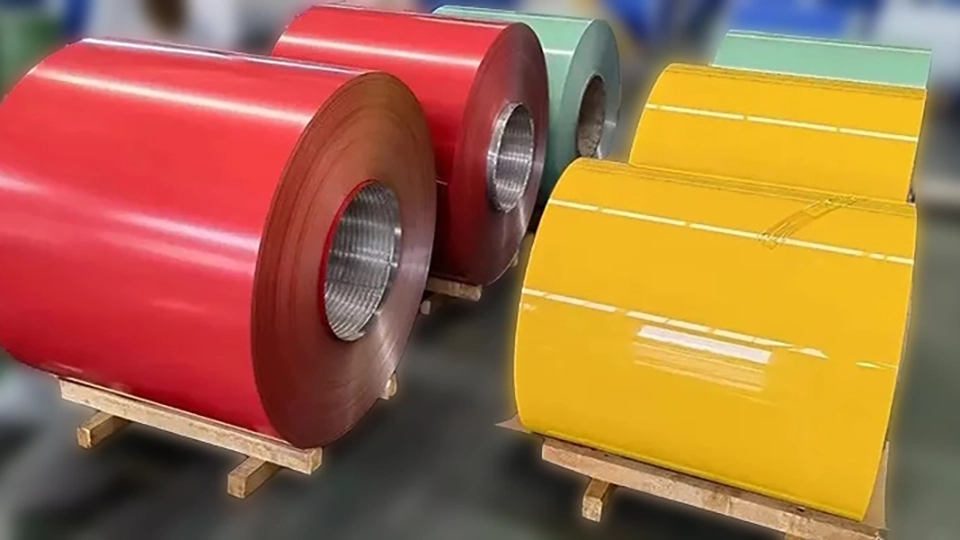
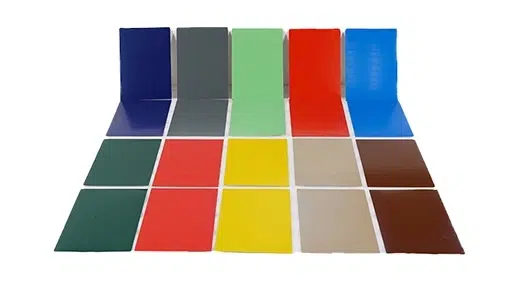
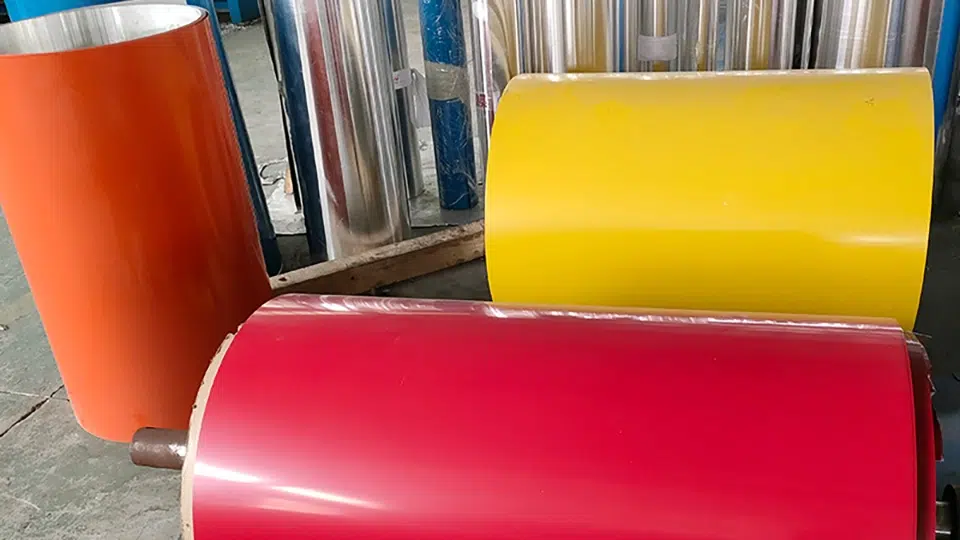
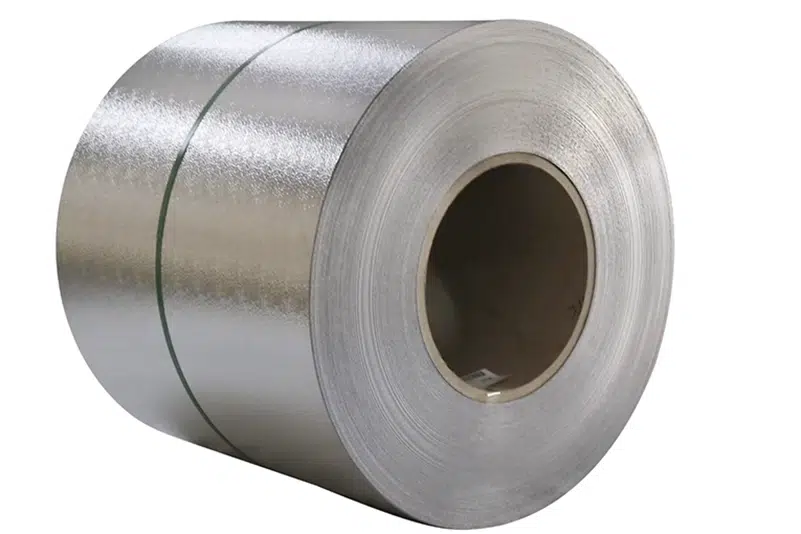
Color-coated aluminum is an aluminum sheet or strip that has a durable paint coating applied in a continuous process. The coating types typically include PE, PVDF, and FEVE. This combination delivers color versatility, surface protection, and good formability, making it suitable for a wide range of products from consumer appliances to architectural components.
The coating protects the aluminum from corrosion and wear while allowing extensive design freedom. Substrates are usually AA3000/5000 series alloys with pretreatment to boost adhesion. The coating thickness and topcoat choice influence color depth, gloss, and abrasion resistance, which matter for consumer-facing surfaces that endure cleaning and handling.
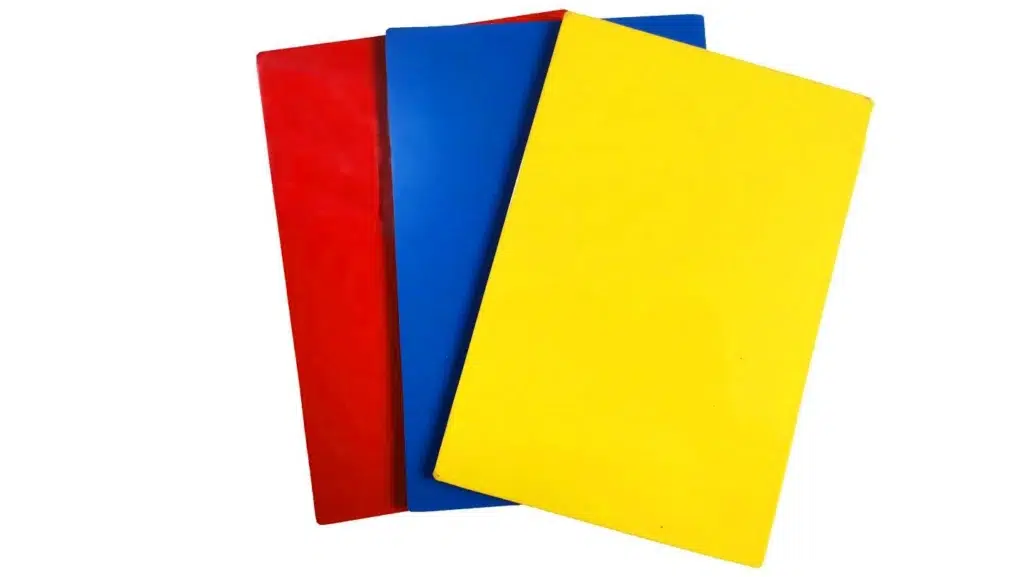
Coating options and performance
- Coatings: PE (economical), PVDF (excellent weather resistance and color stability), FEVE (premium durability and tactile quality). PVDF/FEVE are preferred for exterior or high-use interiors.
- Substrate and pretreatment: AA3000/5000 series aluminum with pretreatment (washing, etching, phosphating) to maximize adhesion and corrosion resistance.
- Thickness and wear: Thicker coatings improve color depth and wear resistance but increase cost; select based on exposure and maintenance.
- Color control: Maintain batch-to-batch color consistency to support uniform branding across lots.
- Bonding and installation: Use compatible bonding methods and proper surface prep for lasting adhesion.
- Sustainability and safety: Favor low-VOC coatings and suppliers with transparent environmental programs.