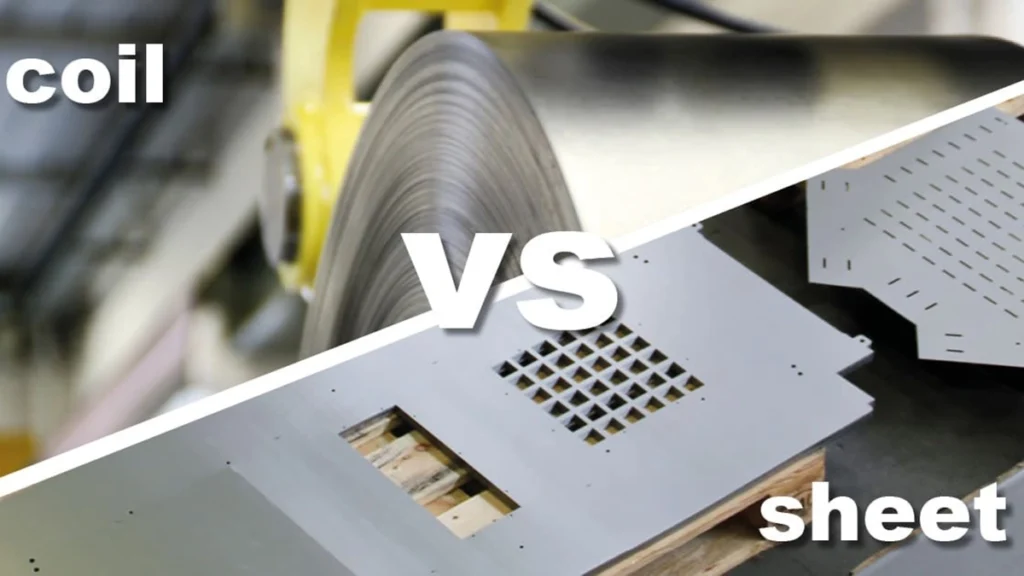
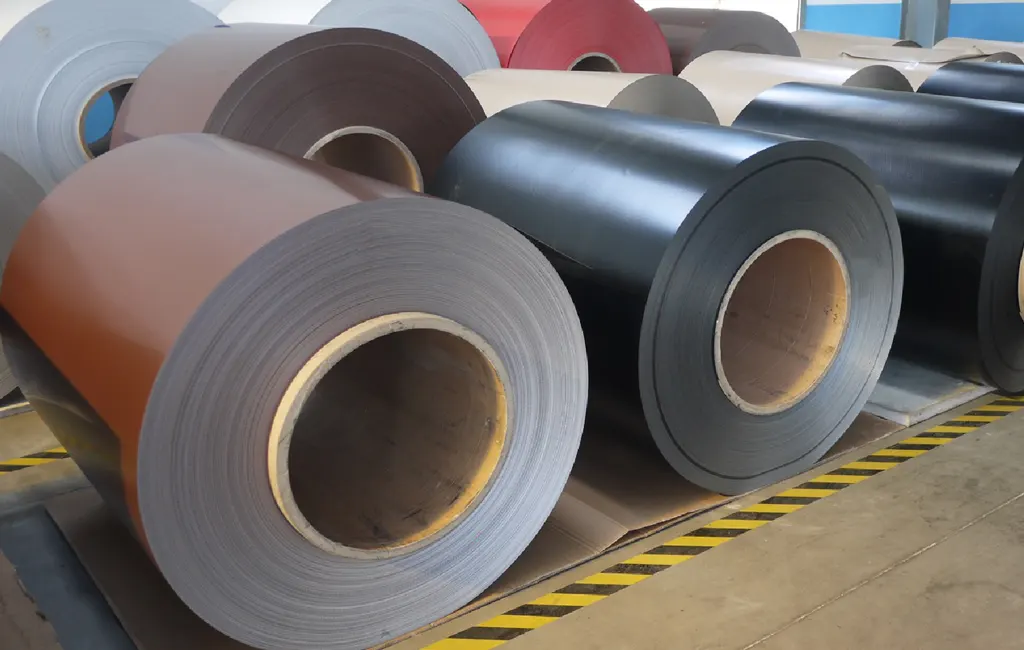
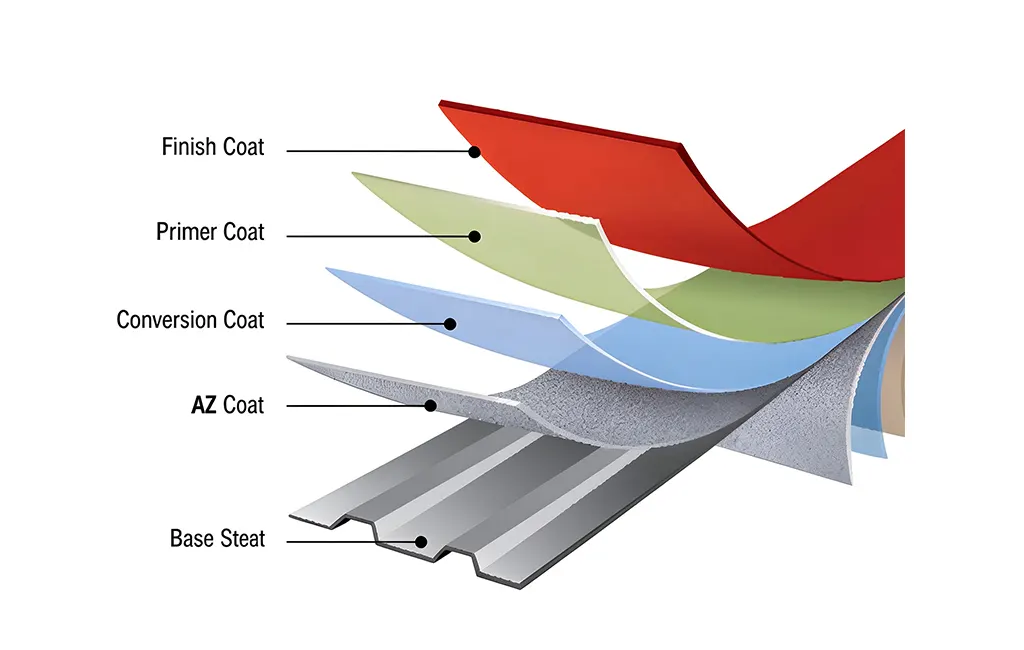
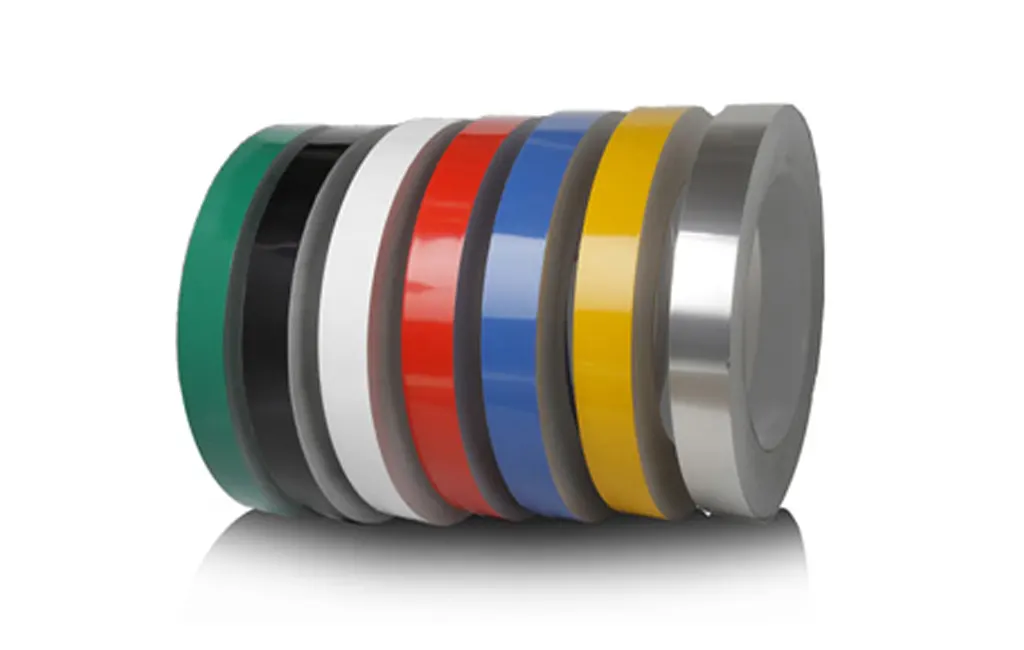
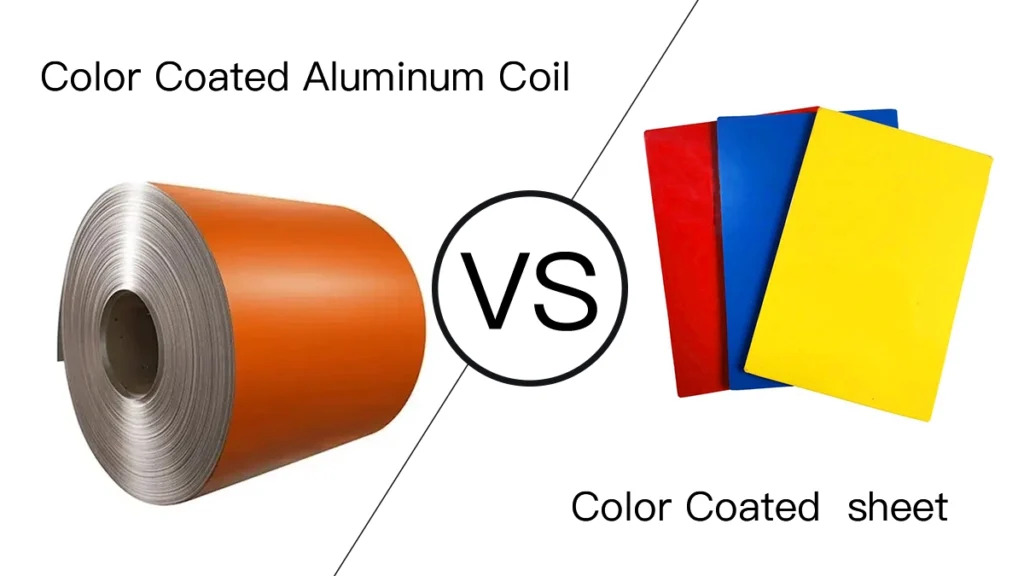
Color-coated aluminum coil is a long, continuous strip of aluminum with a durable paint layer applied in a coil coating line. It’s designed for high-volume, continuous fabrication and long runs of panels or profiles. Color-coated sheet, on the other hand, is a flat panel cut from coil (or produced directly as a sheet) used for smaller parts or finished panels. Both can use similar coatings (PE, PVDF, FEVE), but coils are typically favored for large exterior surfaces and high-speed production, while sheets suit individual parts or smaller assemblies.
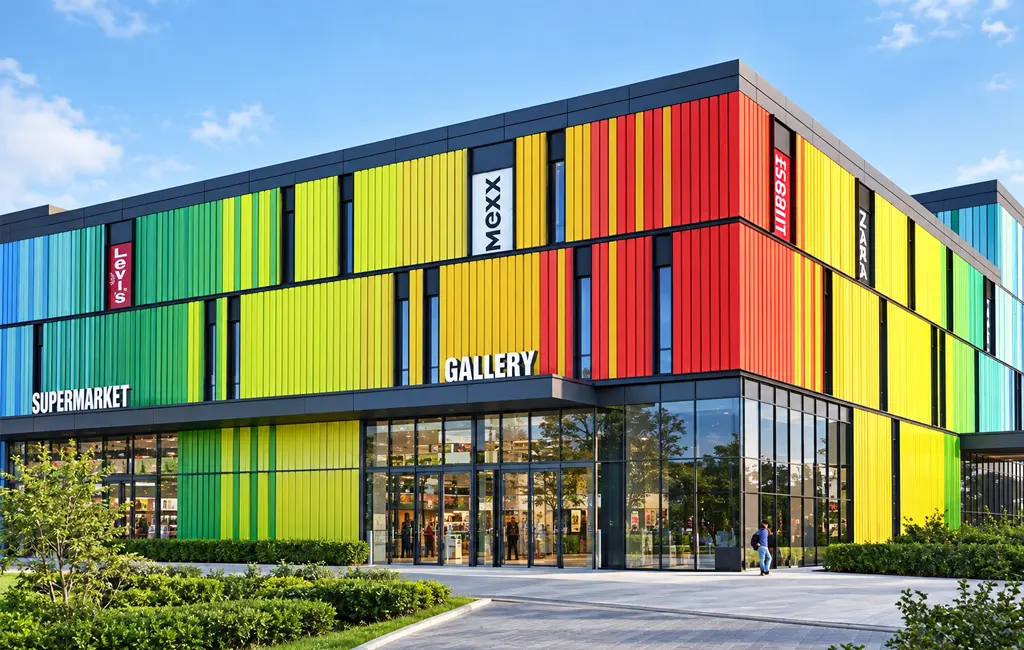
Coil coating provides uniform color and film thickness across long lengths, which is ideal for exterior façades, roofing, or large interior surfaces. Sheets derived from coil may require edge finishing and may introduce more handling steps in fabrication. The base aluminum (often AA3000/5000 series) and pretreatment remain important for adhesion and corrosion resistance in both formats. The choice between coil and sheet often comes down to production scale, part size, and supply-chain efficiency.
Coating options and performance
- Coatings: PE (economical), PVDF (durable and color-stable), FEVE (premium durability and tactile quality). PVDF/FEVE are commonly preferred for exterior or high-use interiors.
- Substrate and pretreatment: AA3000/5000 series aluminum with pretreatment (washing, etching, phosphating) to maximize adhesion and corrosion resistance.
- Thickness and wear: Thicker coatings improve depth and wear resistance but cost more; choose based on exposure and maintenance expectations.
- Color control: Ensure batch-to-batch color consistency for uniform branding across large runs.
- Bonding and installation: Select compatible fastening or bonding methods and proper surface prep for durability.
- Sustainability and safety: Favor low-VOC coatings and suppliers with transparent environmental programs.
Design, manufacturing, and procurement considerations:
- Formability and fabrication: Coil-based processes support continuous production; sheet-based workflows should ensure edge quality for assembly.
- Cleaning and maintenance: Choose coatings that tolerate neutral cleaners and avoid harsh chemicals.
- Branding and aesthetics: Leverage a broad color/texture range to differentiate products and maintain a premium look.