
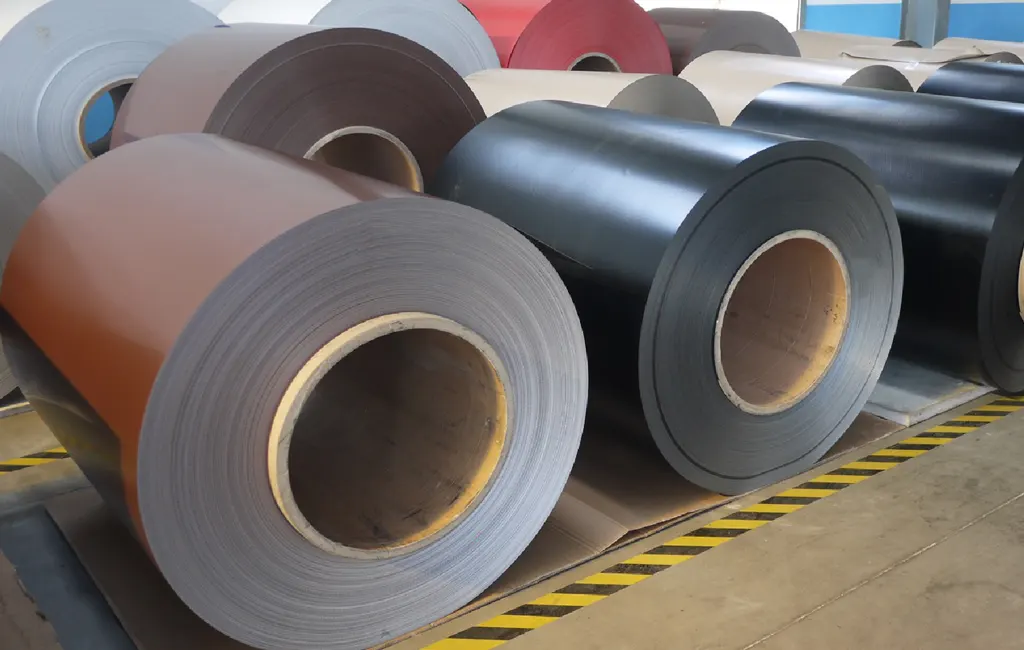
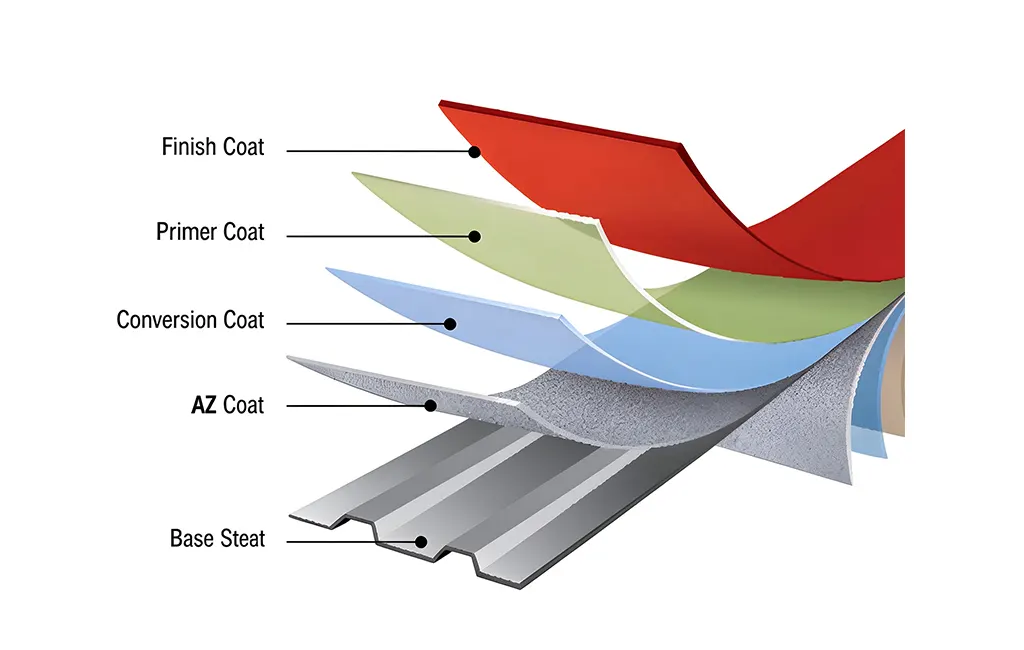
The process starts with unwinding clean aluminum coils, followed by surface preparation (degreasing, washing, and sometimes etching or phosphating). Then a primer may be applied, after which the color coating(s)—typically PE, PVDF, or FEVE—are applied and cured. The goal is a uniform, durable finish with strong adhesion, color stability, and resistance to weather and wear.
A successful coating depends on surface readiness, coating compatibility, and controlled curing. Proper pretreatment enhances adhesion and corrosion resistance; the chosen coating system defines weatherability and color longevity. Coating thickness and topcoat structure influence gloss, color depth, and abrasion resistance, while temperature profiles in the curing ovens ensure complete crosslinking without damaging the substrate.
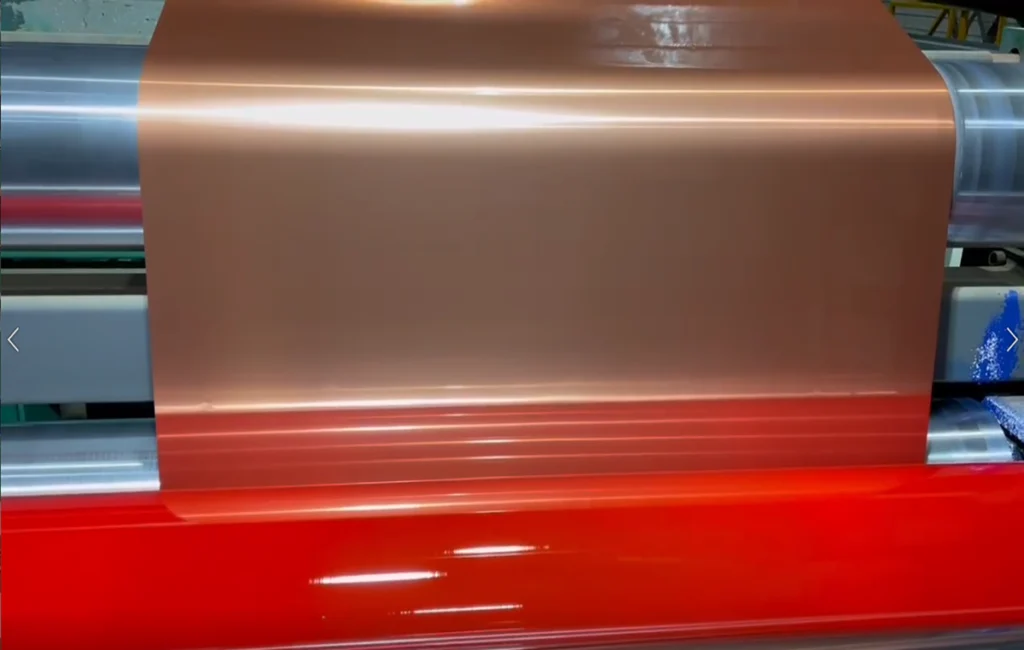
Coating options and performance :
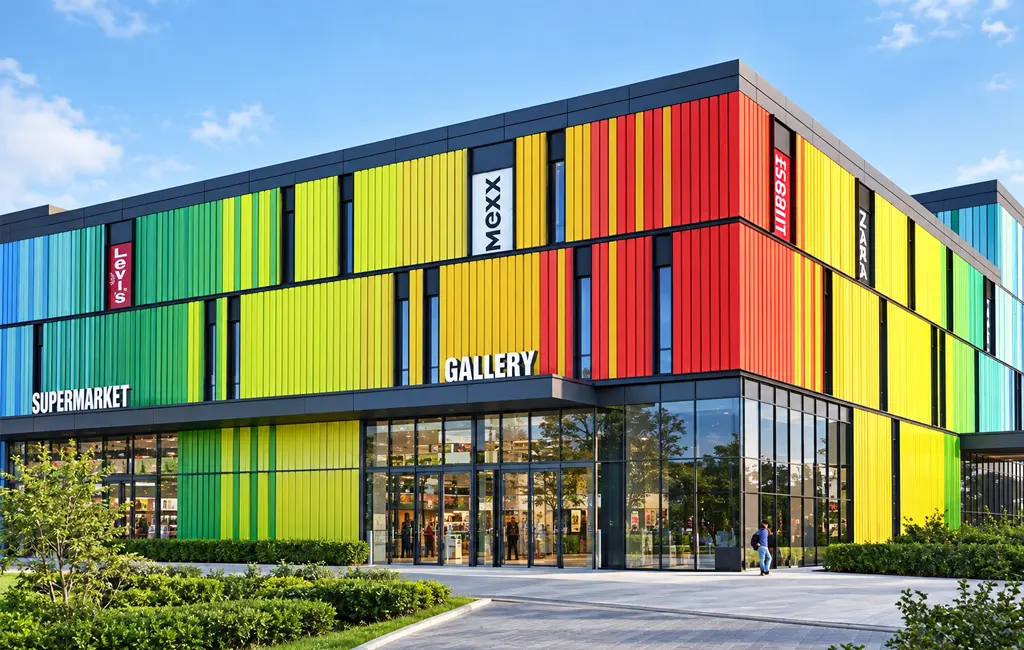
- Coatings: PE (economical), PVDF (excellent weather resistance and color stability), FEVE (premium durability and texture). PVDF/FEVE are preferred for exterior or high-use interiors.
- Substrate and pretreatment: AA3000/5000-series aluminum with pretreatment (washing, etching, phosphating) to maximize adhesion and corrosion resistance.
- Thickness and wear: Thicker coatings offer deeper color and better wear resistance but add weight and cost; select based on exposure and maintenance plans.
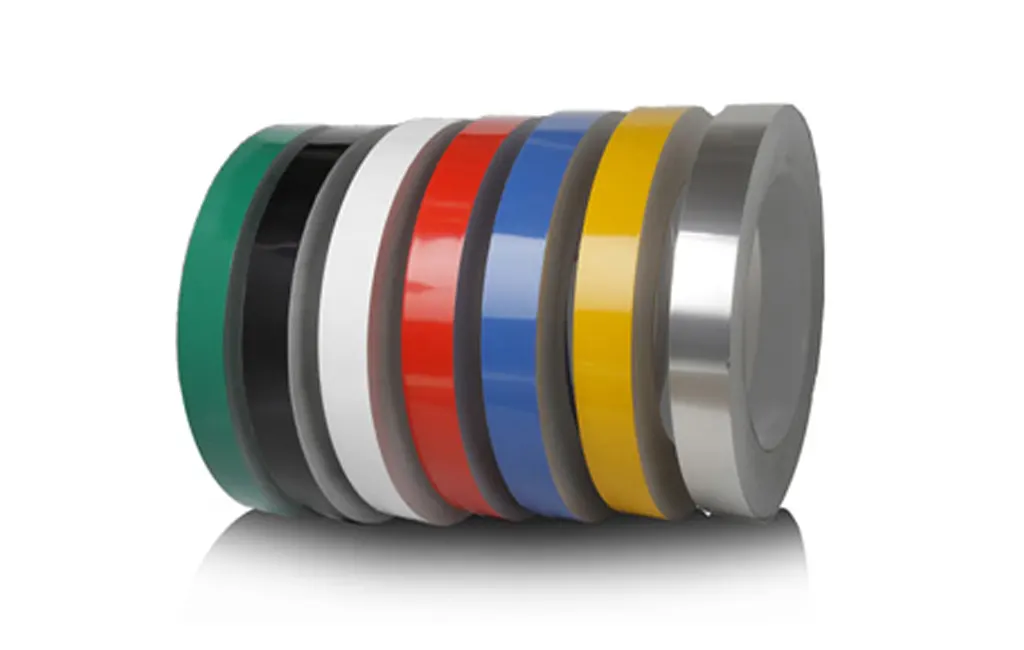
- Color control: Maintain batch-to-batch color consistency to support uniform branding across runs.
- Bonding and installation: Use compatible surface prep and bonding methods to ensure lasting adhesion under service conditions.
- Sustainability and safety: Favor low-VOC coatings and suppliers with transparent environmental programs.
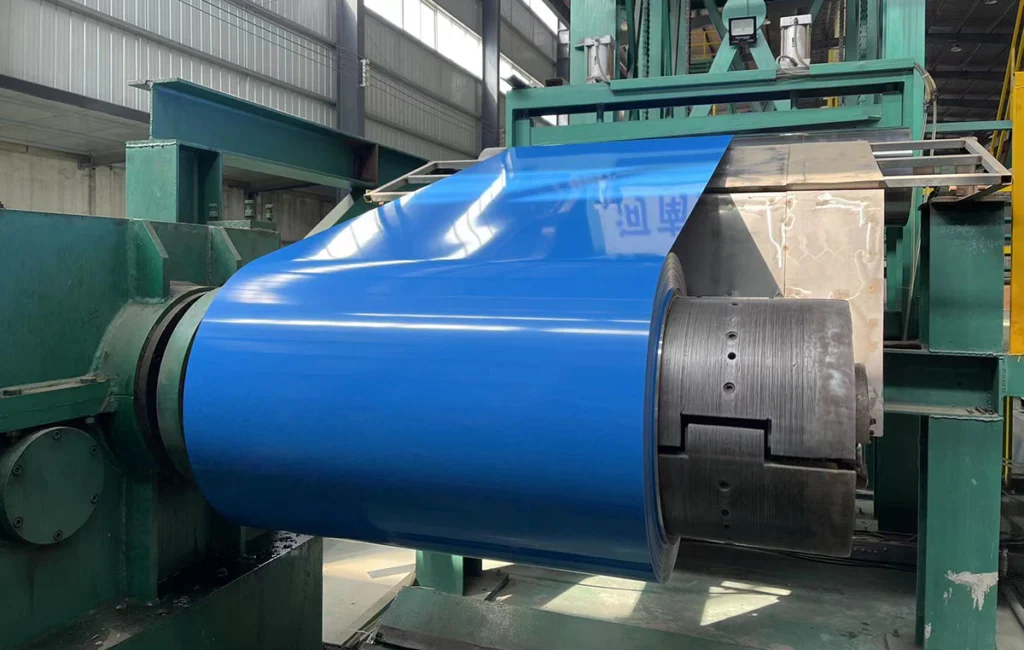
Design, installation, and lifecycle considerations :
- Process integration: Ensure coating compatibility with forming, bending, and joining processes used for the coil’s final parts.
- Cleaning and maintenance: Choose coatings tolerant of neutral cleaners; avoid harsh chemicals that can degrade finishes.
- Quality assurance: Implement inline thickness, gloss, and color checks; conduct post-curing inspections to catch any deviations early.
- End-of-life and environmental impact: Consider recycling pathways for coated aluminum and VOC emissions during production.