
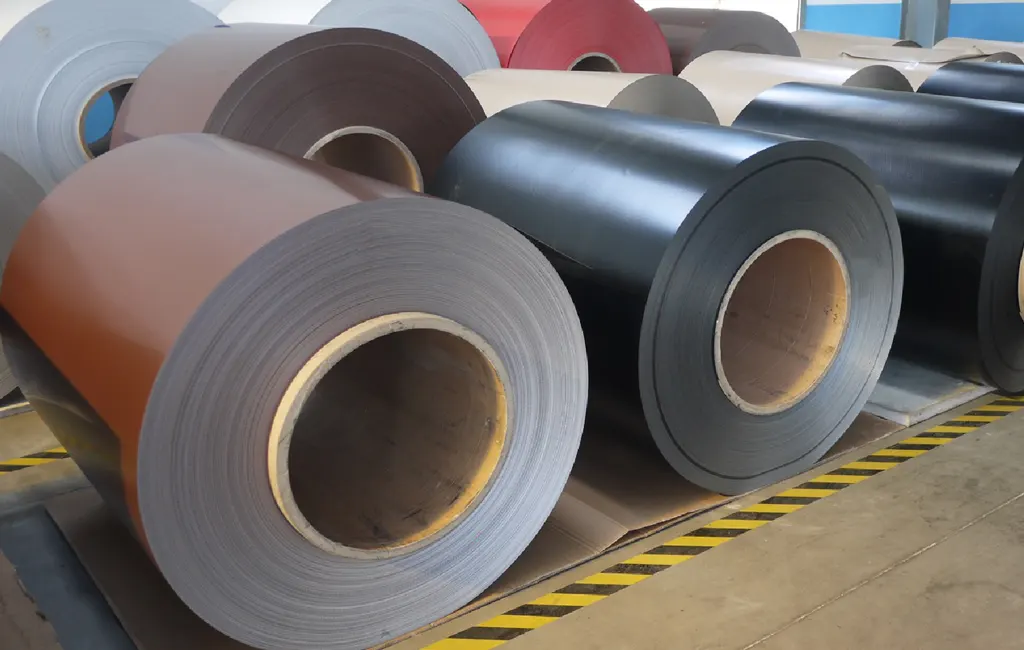
The main coating families are PE (polyester), PVDF (polyvinylidene fluoride), and FEVE (fluorinated polyether/urethane). PVDF offers superior weather resistance and color stability for exterior applications; FEVE provides premium durability and tactile quality, though at a higher cost; PE is the most economical option, suitable for interiors or lower-exposure surfaces. The choice depends on environment, durability needs, aesthetics, and total lifecycle cost.
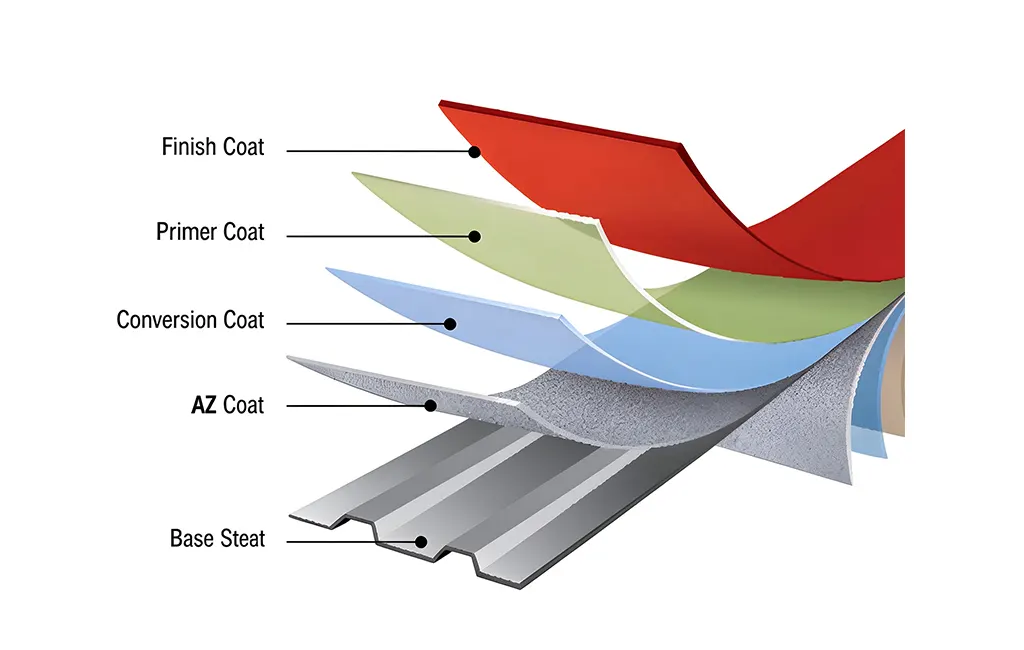
Coatings protect the aluminum substrate from moisture, UV exposure, and wear while enabling design flexibility. Proper pretreatment and surface preparation maximize adhesion and corrosion resistance. Coating thickness and topcoat structure influence gloss, color depth, and abrasion resistance, so selecting the right combination is key for long-term performance and branding consistency.
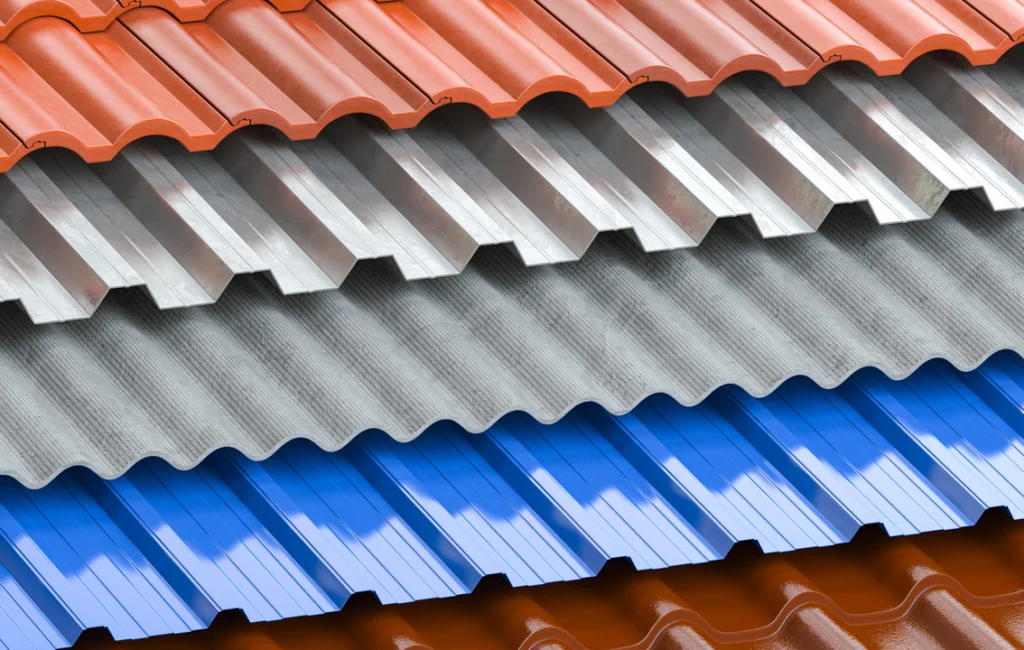
Coating Options and Performance:
- Coatings: PE (economical), PVDF (excellent weather resistance and color stability), FEVE (premium durability and texture). PVDF/FEVE are preferred for exterior or high-use interiors; PE is suitable for interior or budget-conscious projects.
- Substrate and pretreatment: AA3000/5000-series aluminum with pretreatment (washing, etching, phosphating) to maximize adhesion and corrosion resistance.
- Thickness and wear: Thicker coatings deepen color and improve wear resistance but add weight and cost; select based on exposure and maintenance plans.
- Color control: Maintain batch-to-batch color consistency to support uniform branding across runs.
- Bonding and installation: Use compatible surface prep and bonding methods to ensure lasting adhesion.
- Sustainability and safety: Favor low-VOC coatings and transparent supplier programs.
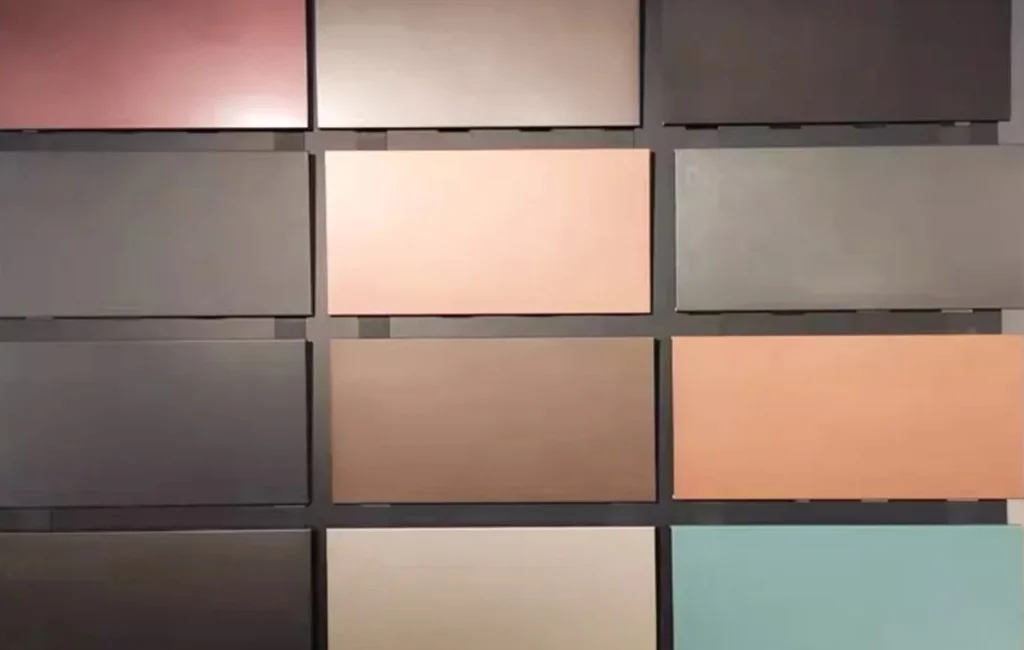
Design, Manufacturing, and Lifecycle Considerations :
- Formability and fabrication: Ensure the coating stack supports forming of curves and edges without cracking or delamination.
- Cleaning and maintenance: Choose coatings tolerant of neutral cleaners; avoid aggressive chemicals that can degrade finishes.
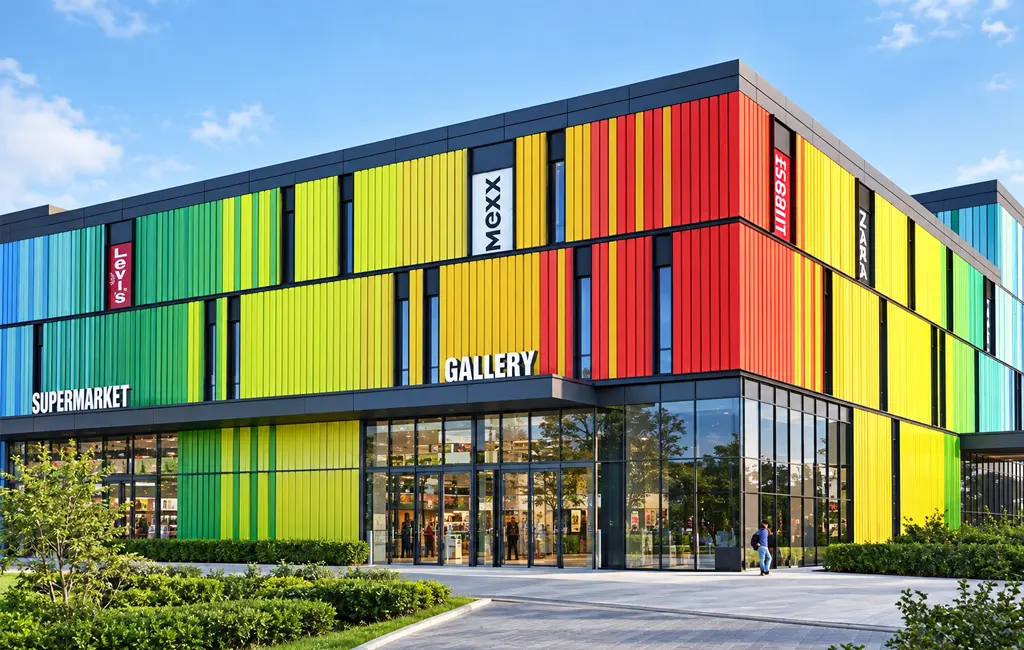
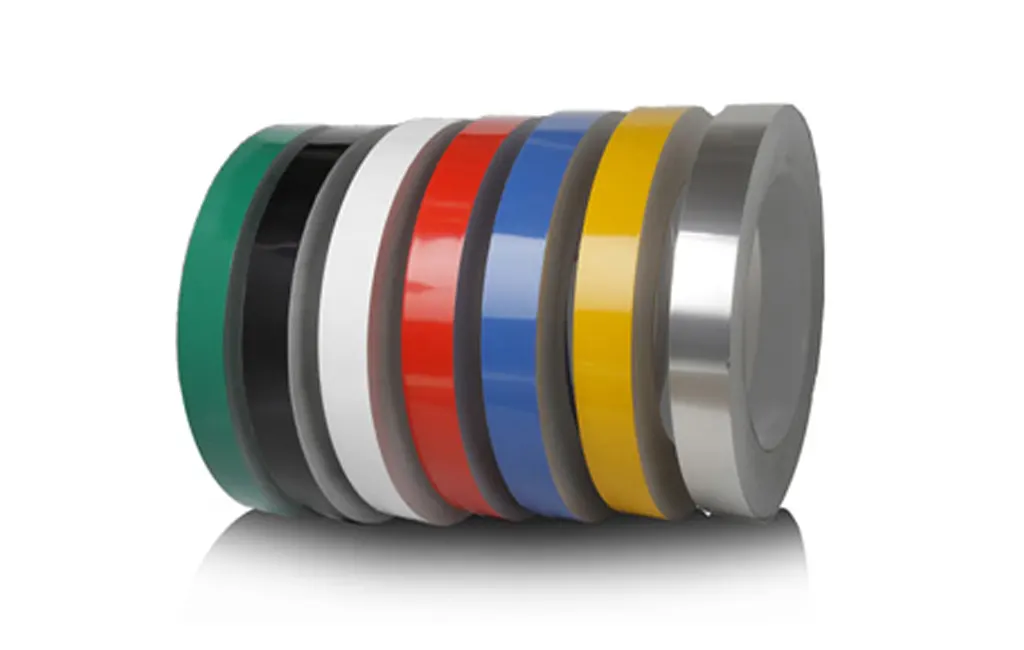
- Branding and aesthetics: Leverage a broad color/texture range to differentiate products and maintain a premium look.
- End-of-life and environmental impact: Consider recyclability and VOC emissions during production for sustainability reporting.