


What Are the Core Technical Specifications of Color-Coated Aluminum?
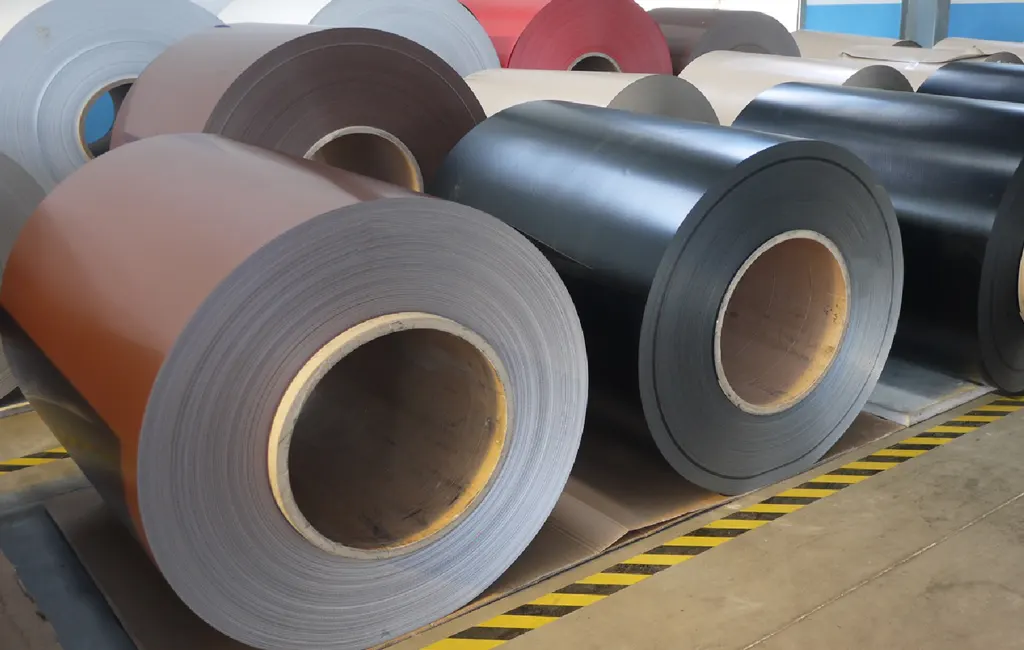
Color-coated aluminum (also called pre-painted or coil-coated aluminum) consists of an aluminum alloy substrate finished with organic coatings such as Polyvinylidene Fluoride (PVDF), thermoset powder, or polyester systems, or an anodized oxide layer. High-performance exterior grades meeting AAMA 2605 typically use ≥70% PVDF resin, applied after multi-stage pre-treatment (degreasing + conversion coating). Standard dry-film thickness for liquid PVDF is ≥25–30 μm total (primer 5–8 μm + topcoat 20–25 μm). These systems deliver color change ≤5 ΔE and ≥50% gloss retention after 10 years of South Florida exposure, plus 4,000-hour salt-spray and humidity resistance.
Structured Technical Comparison Matrix
| Parameter | PVDF Liquid (70% Kynar/Hylar) | FEVE Fluoropolymer Powder | Superdurable Polyester Powder | Anodized (Class I / AA15–25) |
|---|---|---|---|---|
| Typical Alloy Grades | 3003-H14/H24, 5052-H32, 5005 | 6061-T6, 6063-T5/T6, 5052 | 6061-T6, 6063, 5052 | 5005, 6063, 5052 |
| Coating Type | Thermoplastic fluoropolymer | Thermoset FEVE powder | Thermoset polyester | Electrochemical oxide |
| Coating Thickness (μm) | 25–35 (2-coat); 35–50 (3-coat) | 50–80 | 60–100 | 15–25 |
| Weather Resistance | 10 yr Florida; ΔE ≤5; gloss ≥50%; chalk ≥8 | Same as PVDF when certified | 5 yr Florida (AAMA 2604) | Good UV stability; limited dye options |
| Salt Spray Resistance | 4,000 h (AAMA 2605) | 4,000 h | 3,000 h (AAMA 2604) | 336–1,000+ h |
| Color Retention | High (≥95% typical after 10 yr outdoor) | Equivalent when AAMA 2605 certified | Moderate (70–85% after 5–7 yr) | Metallic tones stable; organic dyes fade faster |
| Operating Temperature Range | −40 °C to +80 °C continuous | −40 °C to +80 °C | −30 °C to +70 °C | −50 °C to +100 °C |
| Key Standards | AAMA 2605, GB/T 5237.5, ISO 12206 | AAMA 2605, Qualicoat Class 3 | AAMA 2604 | AAMA 611, GB/T 5237.2 |
| Primary Applications | Curtain walls, facades, roofing, coastal cladding | Complex extrusions, high-rise | Commercial cladding, moderate exposure | Structural trim, interior/exterior metallic finishes |
PVDF Coated Color Aluminum
PVDF Coating systems contain a minimum of 70% polyvinylidene fluoride resin (commonly Kynar 500 or Hylar 5000) blended with acrylic resin and inorganic ceramic pigments. The coating is thermoplastic: it melts and flows during curing (typically 230–250 °C) without chemical cross-linking.
Standard architecture is a 2-coat system:
- Primer: 5–8 μm (corrosion-inhibitive)
- Color topcoat: 20–25 μm
Total dry-film thickness is normally 25–35 μm on coil-coated sheet. Three-coat systems (primer + color + clear) reach 40–60 μm for metallic or high-gloss finishes.
Performance under AAMA 2605:
- 10-year South Florida exposure at 45°: color change ≤5 ΔE, gloss retention ≥50%, chalk rating ≥8 (colors) / ≥6 (whites)
- Salt spray (ASTM B117): 4,000 hours with limited scribe creep
- Humidity resistance: 4,000 hours
- Pencil hardness typically F; T-bend flexibility passes 2T on suitable alloys
These properties make PVDF the preferred choice for long-life exterior applications where color consistency and reduced maintenance are critical. Common substrates are 3003 (excellent formability) and 5052 (superior marine corrosion resistance). Warranties of 15–20 years are typical when the full system (pretreatment + coating + applicator) is certified.
Powder Coating Systems on Aluminum
Thermoset powder coatings are electrostatically applied as dry powder and cured to form a cross-linked film. Standard polyester powders meet AAMA 2603 or AAMA 2604. FEVE-based fluoropolymer powders can achieve full AAMA 2605 performance.
Typical dry-film thickness ranges from 60–120 μm, providing better edge coverage and impact resistance than thin liquid films. Advantages include near-zero VOC emissions and easier field touch-up. Limitations relative to PVDF include slightly lower long-term color stability with some pigments and higher cure temperatures that can affect thin-gauge sheet.
Preferred alloys for powder-coated extrusions are 6061-T6 and 6063-T5/T6. Pre-treatment requirements remain the same as for liquid coatings: multi-stage cleaning followed by conversion coating (chromate or chrome-free).
Anodized Color Aluminum
Anodizing produces an integral aluminum oxide layer, typically 15–25 μm thick for architectural Class I finishes (AAMA 611). Color is introduced by organic dyes or electrolytic metal deposition. Alloys 5005 and 6063 yield the most uniform clear and bronze tones; 5052 is usable but may show minor streaking.
Anodic coatings offer excellent abrasion resistance and good corrosion performance when properly sealed. Organic dyes generally have lower UV stability than the inorganic pigments used in high-performance PVDF systems. Anodizing is frequently specified for structural extrusions and trim where a metallic appearance and hardness are prioritized over broad color matching.
Pre-treatment and Substrate Considerations
All high-performance organic coatings require proper surface preparation:
- Alkaline degreasing
- Rinsing and deoxidizing/etching
- Conversion coating (amorphous chromate or chrome-free zirconium/titanium systems)
Conversion coating weight for AAMA 2605 systems is typically specified at ≥40 mg/ft². This layer is critical for adhesion and long-term corrosion protection.
Alloy selection affects both formability and baseline corrosion resistance:
- 3003 (Al-Mn): high formability, moderate strength — standard for coil-coated sheet and ACP skins
- 5052 (Al-Mg): superior salt-air corrosion resistance — preferred for coastal roofing and cladding
- 6061 / 6063: heat-treatable — used for structural extrusions requiring powder or sprayed PVDF finishes
Practical Application Guidance
- High-rise curtain walls and coastal facades: Specify AAMA 2605-compliant PVDF on 3003 or 5052 substrate to minimize color shift and maintenance access costs.
- Roofing and soffits: Coil-coated PVDF provides weatherability and optional solar-reflective pigments.
- Complex extrusions: FEVE or high-performance powder systems offer better coverage of profiles while still meeting AAMA 2605 when certified.
- Structural trim requiring metallic appearance: Class I anodizing on 5005 or 6063 remains a durable option.
Performance claims should always reference the full tested system (alloy + pretreatment + specific coating product + applicator certification) rather than resin type alone. Project specifications that cite AAMA 2605, GB/T 5237.5, or equivalent standards, together with required film thickness and exposure data, provide the clearest basis for long-term durability.