
How are surface preparation steps (like degreasing and conversion coating) critical to the longevity of color-coated aluminum?

Degreasing and conversion coating are foundational to coating longevity. Degreasing removes oils, waxes, and fingerprint oils that hinder wetting and cause pinholes, roughness, and delamination.Conversion coatings (chromate or non-chromate) chemically modify the native Al2O3 layer to increase surface energy, provide a sacrificial barrier, and promote chemical bonding with the organic primer and fluoropolymer topcoat.Together, they […]
How is the adhesion of the coating to the aluminum substrate tested during production?

Adhesion is evaluated with both non-destructive and destructive methods to ensure coating-substrate bonding under production conditions.The primary in-line tests are the cross-cut/tape adhesion test (ISO 2409, ASTM D3359) and the pull-off adhesion test (ISO 4624, ASTM D4541).Additional bend/impact checks may be used to assess adhesion after deformation. Surface pretreatment, cleanliness, and cure quality directly influence […]
What factors cause chalking or fading on color-coated aluminum coils, and how can they be prevented?

Chalking and fading on color-coated aluminum coils result from UV-initiated degradation of the coating binder and pigment stability, binder migration to the surface, and environmental attack (moisture, temperature cycling, pollution).Coating system (PVDF/FEVE fluoropolymers vs. standard polyesters), cure quality, film thickness, and surface pretreatment govern resistance. Pigment choice (inorganic vs. organic) and UV stabilizers (HALS, UV […]
What types of coating are used for coil coated aluminum?
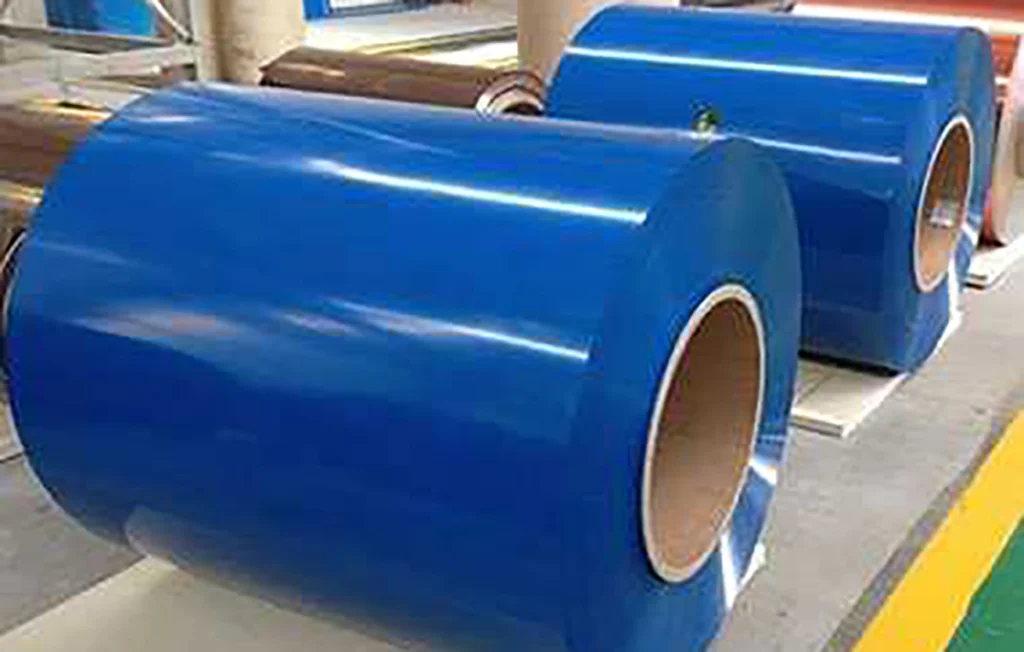
The main coating families are PE (polyester), PVDF (polyvinylidene fluoride), and FEVE (fluorinated polyether/urethane). PVDF offers superior weather resistance and color stability for exterior applications; FEVE provides premium durability and tactile quality, though at a higher cost; PE is the most economical option, suitable for interiors or lower-exposure surfaces. The choice depends on environment, durability […]
Is Color-Coated Aluminum Coil Corrosion Resistant?
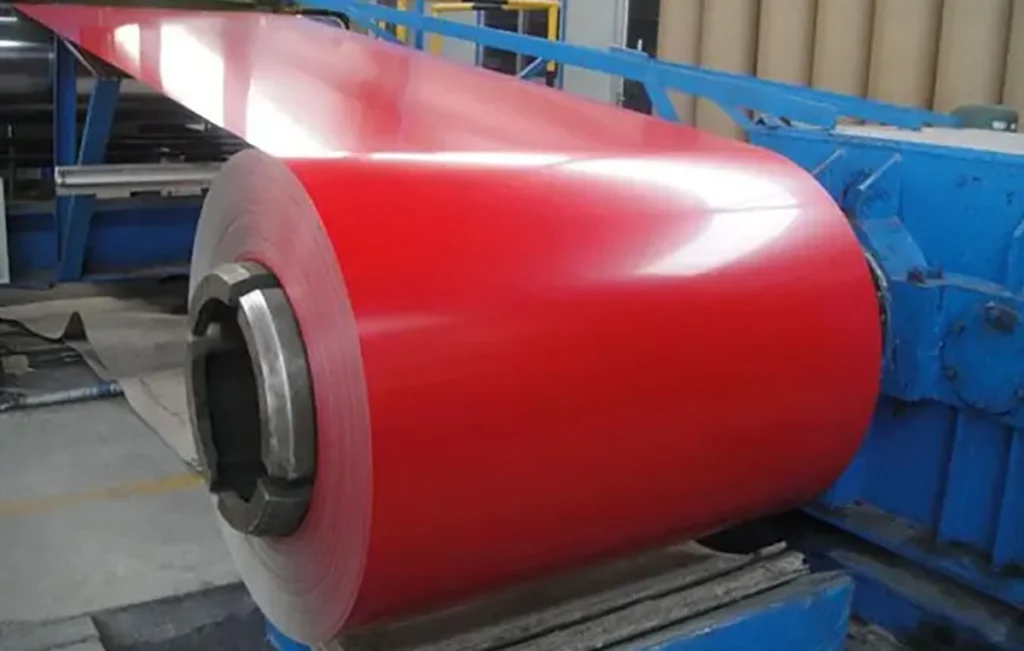
Yes, when properly specified, color-coated aluminum coil offers robust corrosion resistance thanks to the aluminum substrate, pretreatment, and a protective topcoat. The level of protection depends on the alloy, surface pretreatment, and the coating system (PE, PVDF, or FEVE). PVDF and FEVE coatings generally provide superior outdoor corrosion resistance and UV stability, while PE coatings […]
What is the coating process for color-coated aluminum coils?
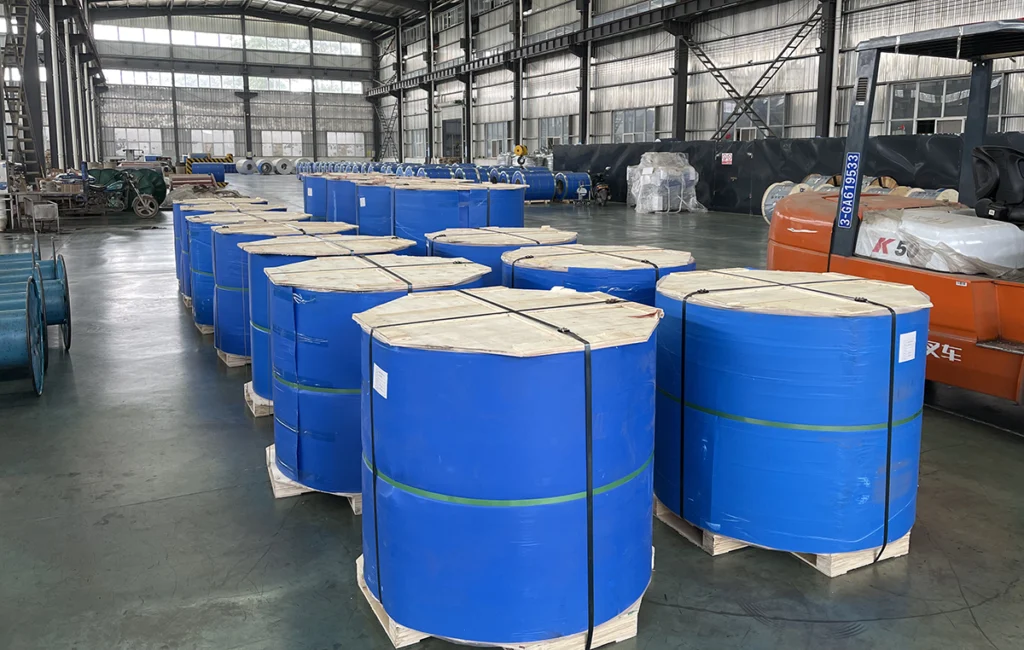
The process starts with unwinding clean aluminum coils, followed by surface preparation (degreasing, washing, and sometimes etching or phosphating). Then a primer may be applied, after which the color coating(s)—typically PE, PVDF, or FEVE—are applied and cured. The goal is a uniform, durable finish with strong adhesion, color stability, and resistance to weather and wear. […]
What Type of Color-Coated Aluminum Material Is Used to Make the Roof Drainage Gutters?
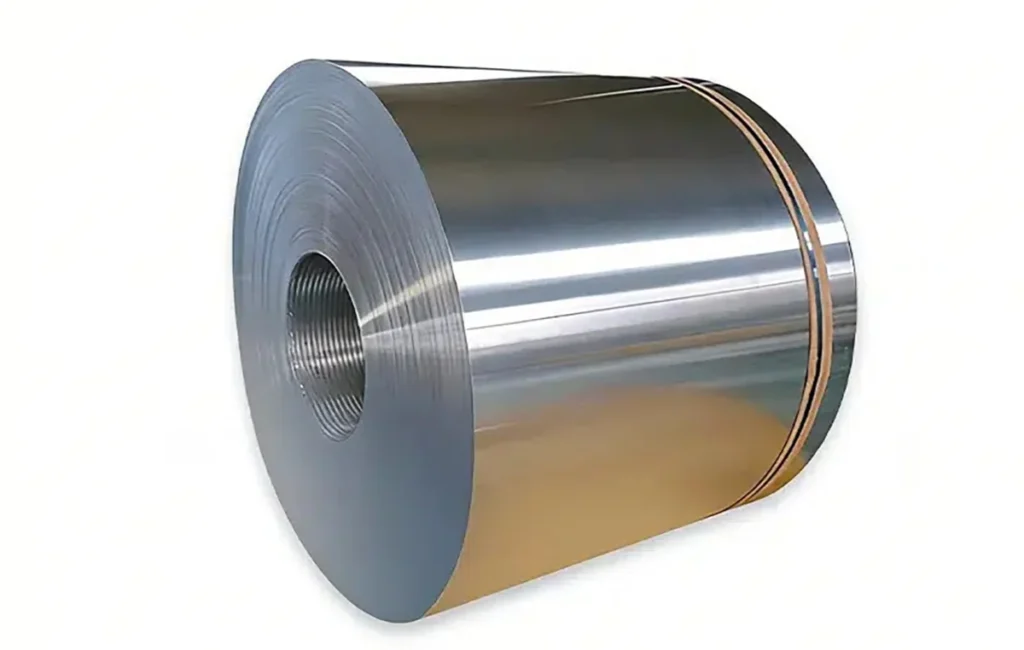
Roof gutters are typically made from color-coated aluminum coils or sheets using AA3000/AA5000-series alloys, selected for outdoor weather resistance and formability. PVDF or FEVE coatings are preferred for exterior exposure due to color stability and UV resistance, while PE coatings may be used for interior or budget-conscious projects. The goal is a durable, lightweight gutter […]
How Thick Should the Color-Coated Aluminum Coil Be for Roofing?
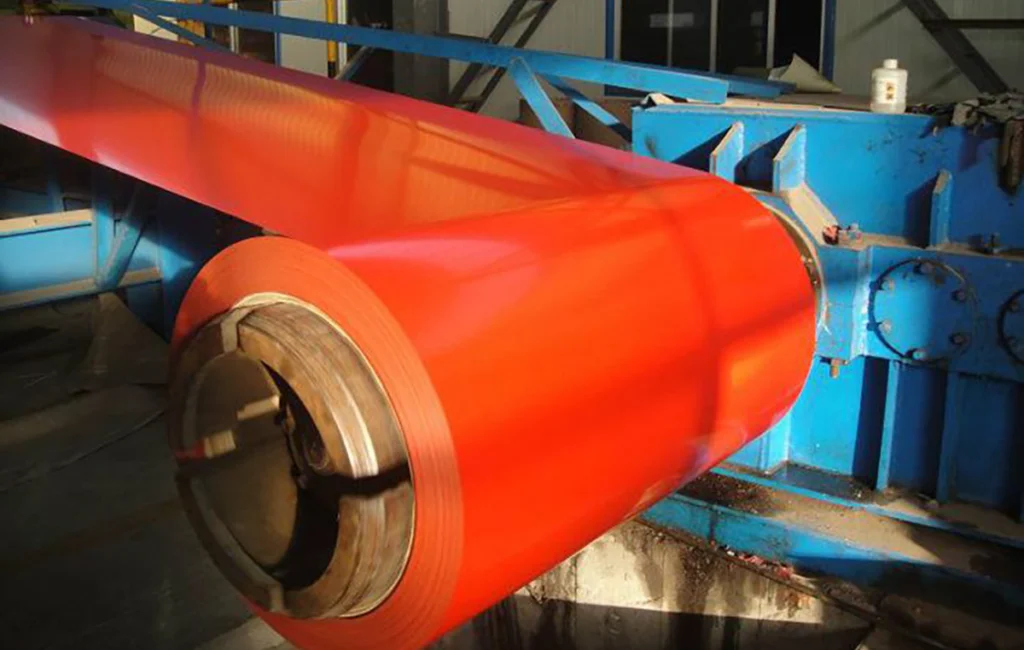
For roofing, typical coil thickness ranges from 0.6 mm to 1.0 mm. A common mid-point is 0.8 mm, balancing weight, strength, and cost. In harsh climates or high wind zones, 0.8–1.0 mm is often recommended; in milder climates or interior applications, 0.6–0.7 mm may suffice. Always consider local wind-load codes, roof design (standing seam vs. […]
What is PVDF Coated Aluminum Coil?
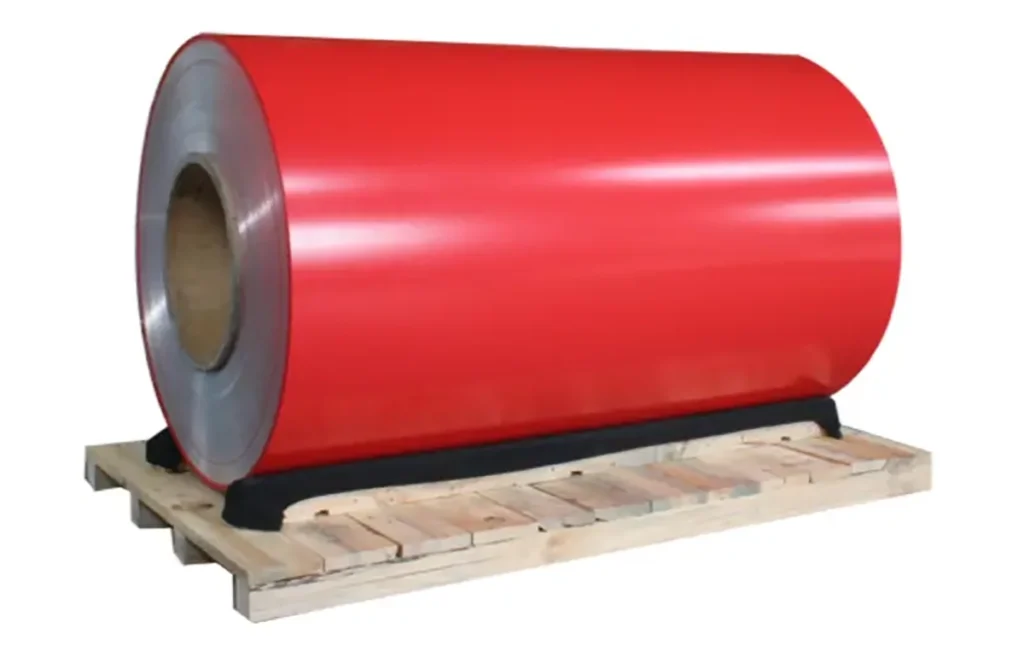
PVDF coated aluminum coil is aluminum sheet or strip finished with a PVDF-based coating. It offers exceptional weather resistance, color stability, and long-term gloss retention, making it a top choice for exterior surfaces, architectural panels, and outdoor equipment where durability matters. PVDF coatings form a durable protective film that resists UV radiation, chemical exposure, and […]
How to Choose the Specifications of Color-Coated Aluminum Coils?
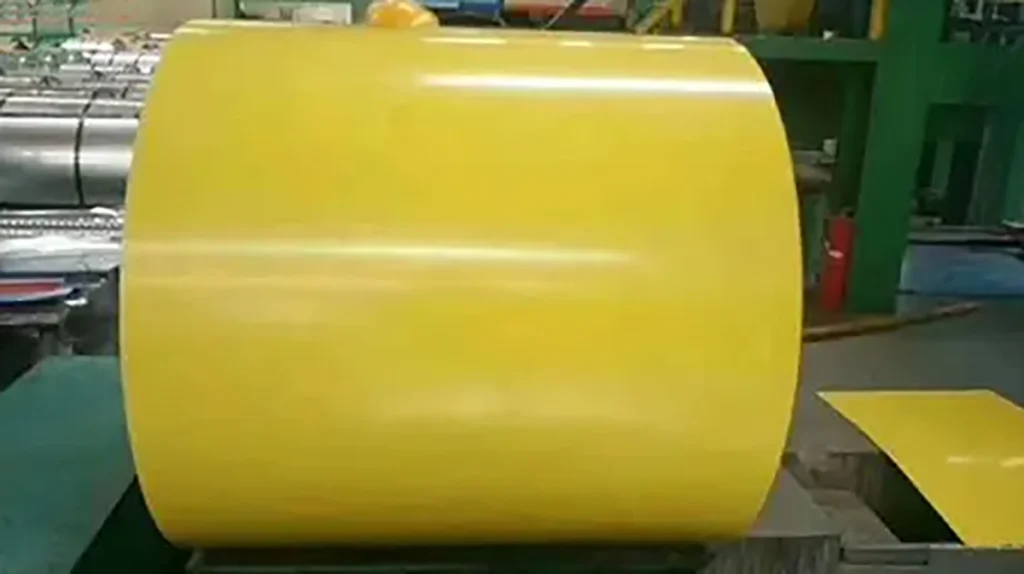
Start with the application, environment, and performance needs. Key specs include coating type (PE, PVDF, FEVE), substrate (AA3000/5000 series), coating thickness, width, and length. Exterior or high-use applications typically justify PVDF or FEVE coatings with thicker film, while interior or budget-sensitive projects may opt for PE. Align these choices with required color stability, abrasion resistance, […]
What Size Are Color-Coated Roofing Sheets?

Color-coated roofing sheets come in a range of widths and thicknesses. Common widths include 600 mm, 700 mm, 900 mm, 1000 mm, 1100 mm, 1200 mm, and up to 1500 mm. Typical thickness options are 0.4, 0.5, 0.6, 0.8, and 1.0 mm. Lengths are usually customized per project, with panels commonly supplied in 2–6 meters […]
What is PVC Coated Aluminum Coil?
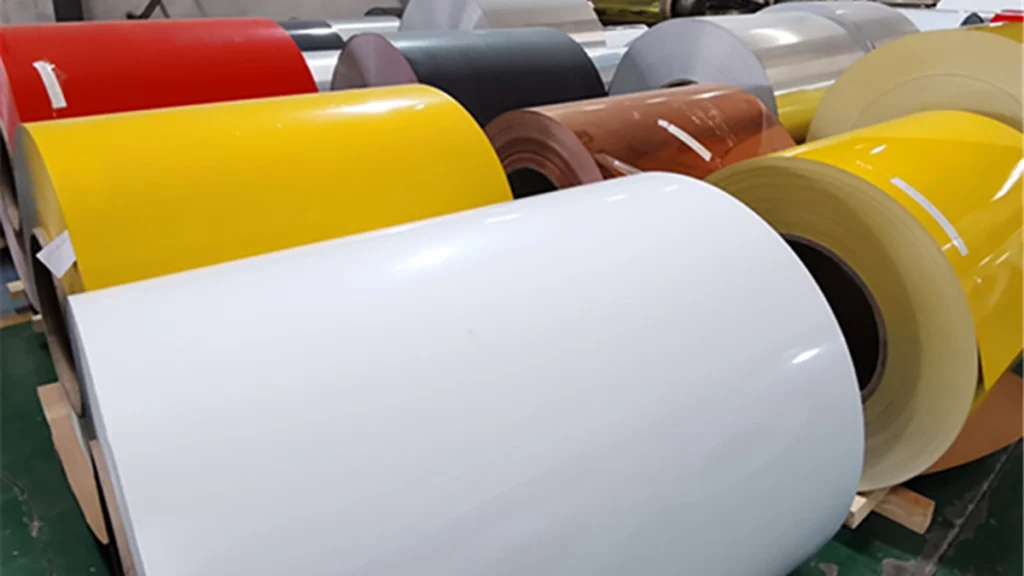
PVC coated aluminum coil is an aluminum sheet or strip that has a polyvinyl chloride-based (PVC) coating applied in a continuous process. It’s a cost-effective option that provides color and surface protection for interior or low-exposure applications. Compared with PVDF or FEVE coatings, PVC coatings typically offer lower weather resistance and UV stability, but can […]