
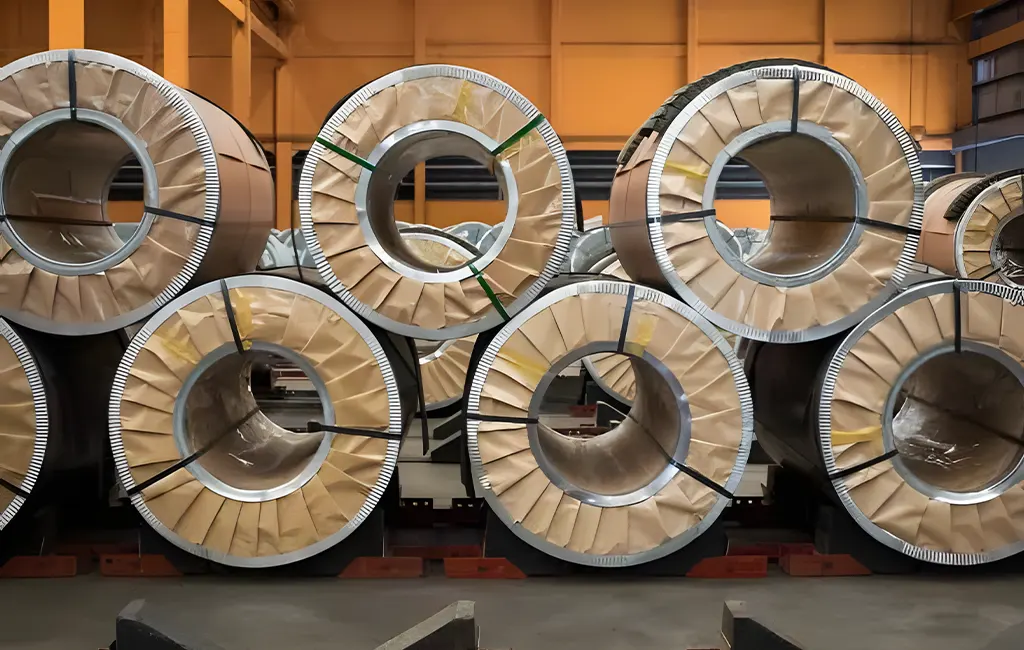
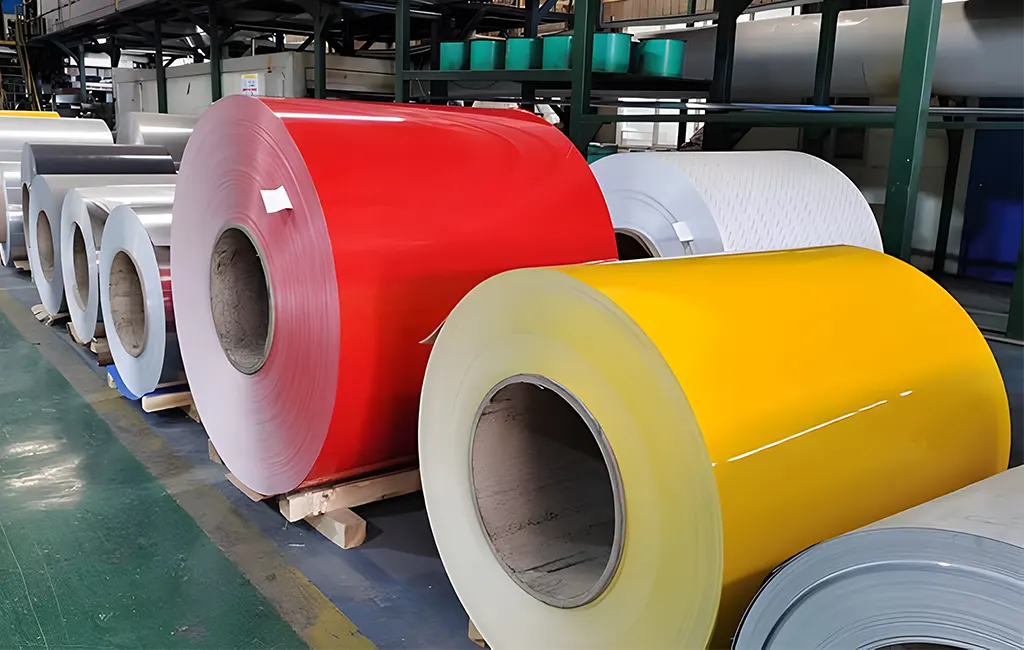
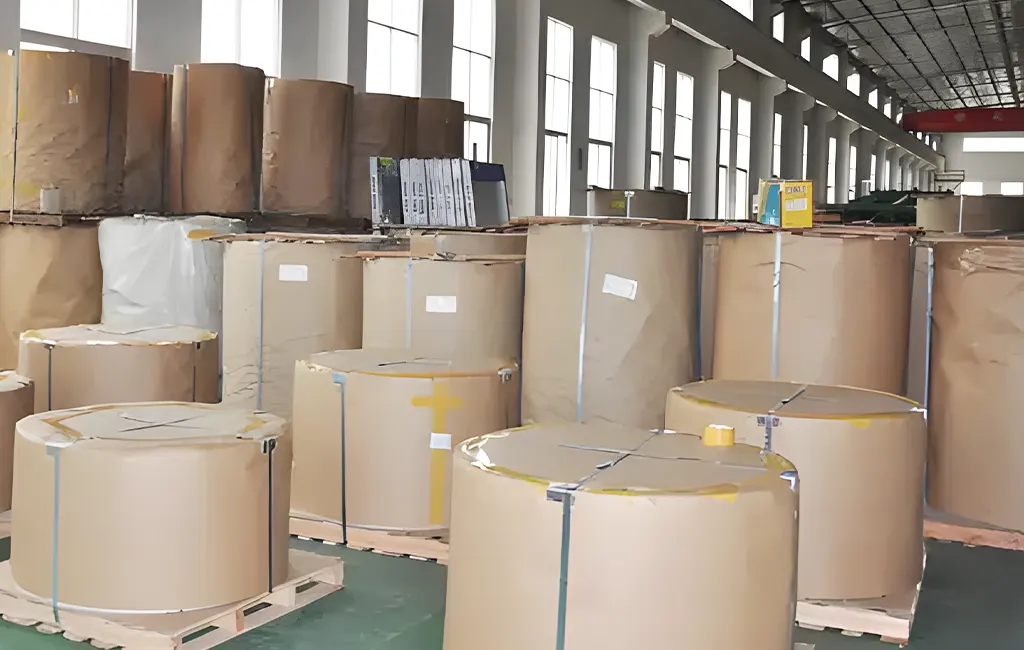
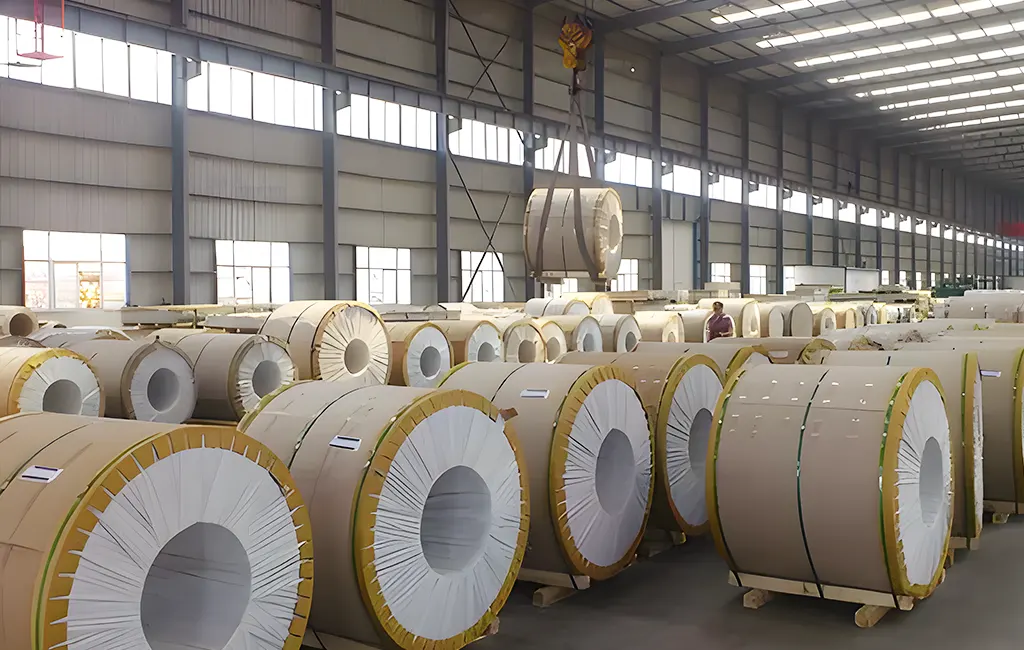
Color-coated aluminum coil performance depends as much on the substrate alloy as on the coating system. The most widely used alloys—1100, 3003, 3004, 5005, and 5052—belong to the 1xxx, 3xxx, and 5xxx series. These alloys offer different combinations of formability, strength, corrosion resistance, and surface quality after continuous coil coating. Alloy selection must align with the intended forming method (roll forming, stamping, or bending), structural loads, and environmental exposure. When paired with the correct coating (PVDF, PE, or powder) and proper pretreatment, the chosen alloy determines long-term panel flatness, edge integrity, and resistance to under-film corrosion.
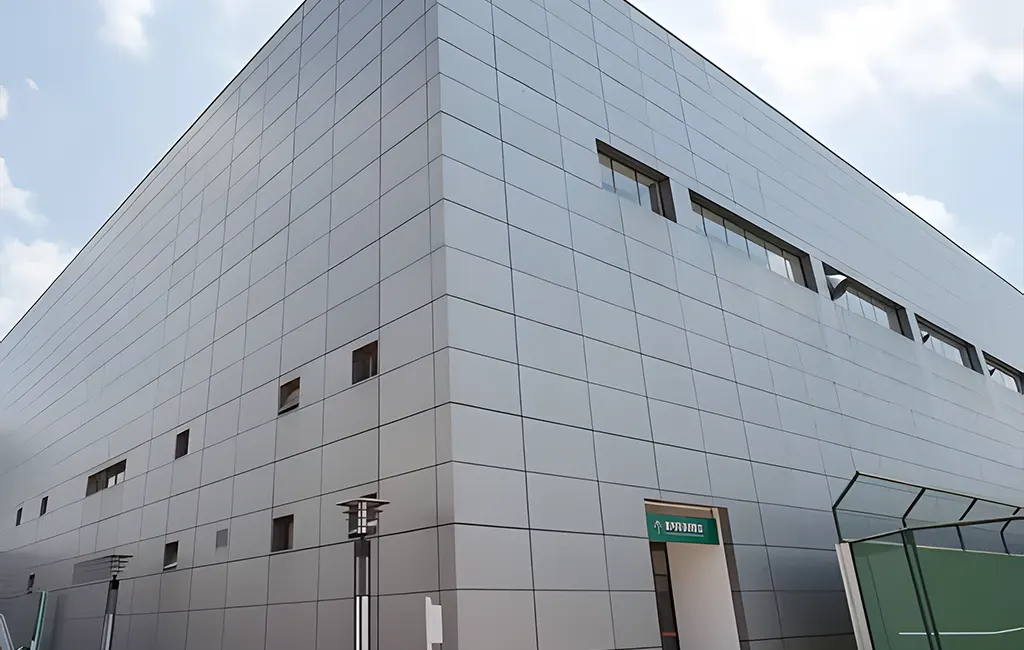
Technical Parameter Comparison of Common Alloys
| Parameter | 1100 | 3003 | 3004 | 5005 | 5052 |
|---|---|---|---|---|---|
| Series | 1xxx (commercially pure) | 3xxx (Al-Mn) | 3xxx (Al-Mn-Mg) | 5xxx (Al-Mg) | 5xxx (Al-Mg) |
| Typical Temper | H14, H16, H18 | H14, H16, H24 | H14, H16, H34 | H14, H16, H34 | H32, H34, H36 |
| Yield Strength (MPa, approx.) | 95–135 | 125–165 | 145–190 | 110–160 | 160–215 |
| Elongation (%) | 5–12 | 4–10 | 3–8 | 4–10 | 5–12 |
| Corrosion Resistance | Good | Very good | Very good | Excellent | Excellent (marine) |
| Formability | Excellent | Excellent | Good | Very good | Good to very good |
| Weldability | Excellent | Good | Good | Good | Good |
| Typical Coating Pairing | PE, light PVDF | PE, SMP, PVDF | PVDF, SMP | PVDF, PE | PVDF preferred |
| Primary Applications | Interior panels, signage, decorative trim | Roofing, cladding, general façades | Structural panels, ACP cores | Curtain walls, moderate exterior | Coastal façades, marine, high-strength panels |
Mechanical values are approximate for common tempers used in coil coating and may vary by producer and exact temper designation.
1xxx Series: High Formability for Decorative and Interior Use
1100 aluminum is commercially pure aluminum with minimum 99.0% Al content. It provides the highest formability and excellent surface finish after coating, making it suitable for deep drawing, embossing, and complex decorative profiles.
Because of its relatively low strength, 1100 is rarely specified for structural exterior panels. It is most often paired with polyester (PE) coatings for interior architectural panels, appliance exteriors, and signage. When used outdoors, a higher-performance coating and careful edge sealing are required to compensate for the alloy’s moderate corrosion resistance compared with 3xxx and 5xxx grades.
3xxx Series: Balanced Strength and Corrosion Resistance
3003 (Al-Mn) and 3004 (Al-Mn-Mg) are the workhorses of color-coated coil production.
- 3003 offers a favorable balance of formability, corrosion resistance, and cost. It is widely used for roofing sheets, wall cladding, and general façade panels. In the H14 or H16 temper it retains good bendability while providing adequate strength for most architectural applications.
- 3004 contains magnesium in addition to manganese, raising strength and enabling thinner gauges for the same structural performance. It is frequently selected for aluminum composite panel (ACP) skins and roll-formed profiles that require higher stiffness.
Both alloys accept PVDF, SMP, and PE coatings effectively after standard chemical pretreatment. Their manganese content improves resistance to atmospheric corrosion, supporting long service life when coated to AAMA 2604 or 2605 levels.
5xxx Series: Superior Strength and Marine Performance
5005 and 5052 belong to the aluminum-magnesium family and deliver higher strength and outstanding corrosion resistance, particularly in marine and industrial atmospheres.
- 5005 provides good formability combined with improved strength over 3003 and is commonly used for curtain-wall panels and moderate-exposure cladding.
- 5052 offers the highest strength and best salt-spray performance among the standard coil alloys. It is the preferred substrate for coastal projects, high-rise façades, and any application where cut-edge corrosion or long-term structural integrity is critical. Typical tempers are H32 and H34, which balance strength with sufficient ductility for roll forming and brake press work.
When coated with a 70% PVDF system meeting AAMA 2605, 5052 panels deliver the highest combined mechanical and environmental performance available in standard color-coated coil.

Matching Alloy, Coating, and Application
Selection follows a clear hierarchy of requirements:
- Interior or lightly loaded decorative panels → 1100 or 3003 + PE coating
- General exterior roofing and cladding → 3003 or 3004 + SMP or PVDF (AAMA 2604/2605)
- High-rise curtain walls and moderate coastal exposure → 5005 or 5052 + PVDF (AAMA 2605)
- Severe marine or industrial environments → 5052 + 70% PVDF with robust pretreatment and edge protection
Additional factors include required minimum bend radius, panel span, wind-load design, and thermal expansion movement. Higher-strength alloys allow thinner gauges, reducing weight and material cost while maintaining structural capacity, provided the coating system is specified to the correct performance class.
Process Compatibility Notes
All listed alloys are compatible with continuous coil coating lines. Surface quality after rolling and annealing must be controlled to avoid defects that become visible after coating. Conversion coating response is generally excellent on 3xxx and 5xxx alloys; process parameters (degreasing strength, conversion coating weight, rinse quality) are adjusted according to alloy chemistry to achieve consistent adhesion and corrosion resistance.
Proper alloy selection, combined with the appropriate coating class and verified pretreatment, is the foundation of durable, low-maintenance color-coated aluminum systems.
References
- AAMA 2605 (current edition). Voluntary Specification, Performance Requirements and Test Procedures for Superior Performing Organic Coatings on Aluminum Extrusions and Panels. Fenestration and Glazing Industry Alliance (FGIA).
- AAMA 2604. Voluntary Specification, Performance Requirements and Test Procedures for High Performance Organic Coatings on Aluminum Extrusions and Panels. FGIA.
- ASTM B209 / B209M. Standard Specification for Aluminum and Aluminum-Alloy Sheet and Plate. ASTM International.
- ASTM B117. Standard Practice for Operating Salt Spray (Fog) Apparatus. ASTM International.
- GB/T 3880 / GB/T 5237 series. Relevant Chinese standards for aluminum and aluminum-alloy sheet/coil and coated architectural profiles.
- Industry technical data from aluminum producers and coil coaters on typical mechanical properties, tempers, and coating compatibility for 1100, 3003, 3004, 5005, and 5052 alloys used in architectural color-coated products.