
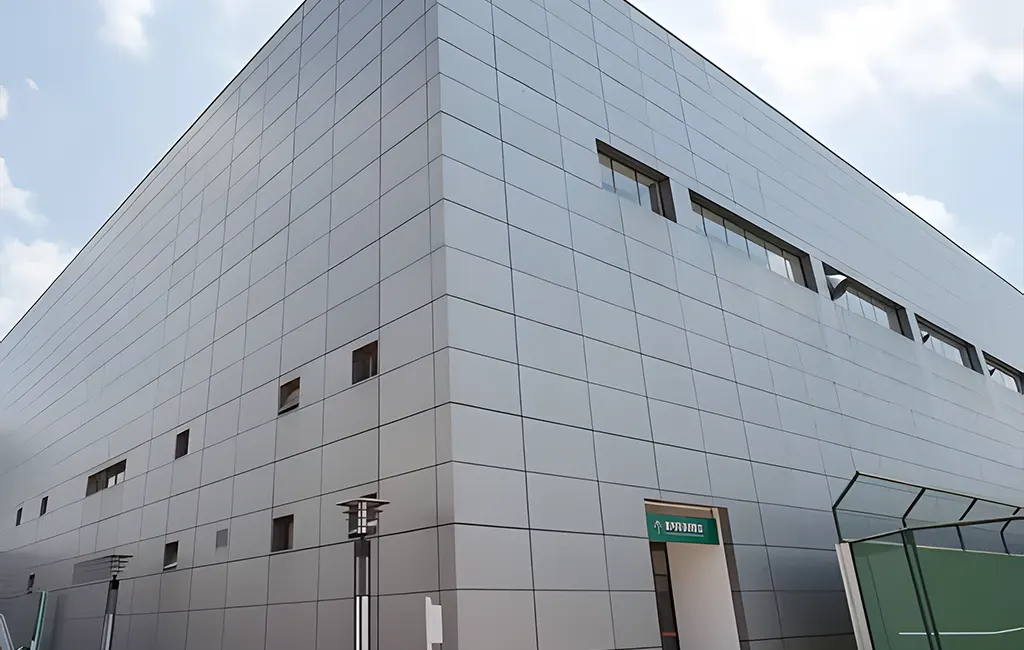
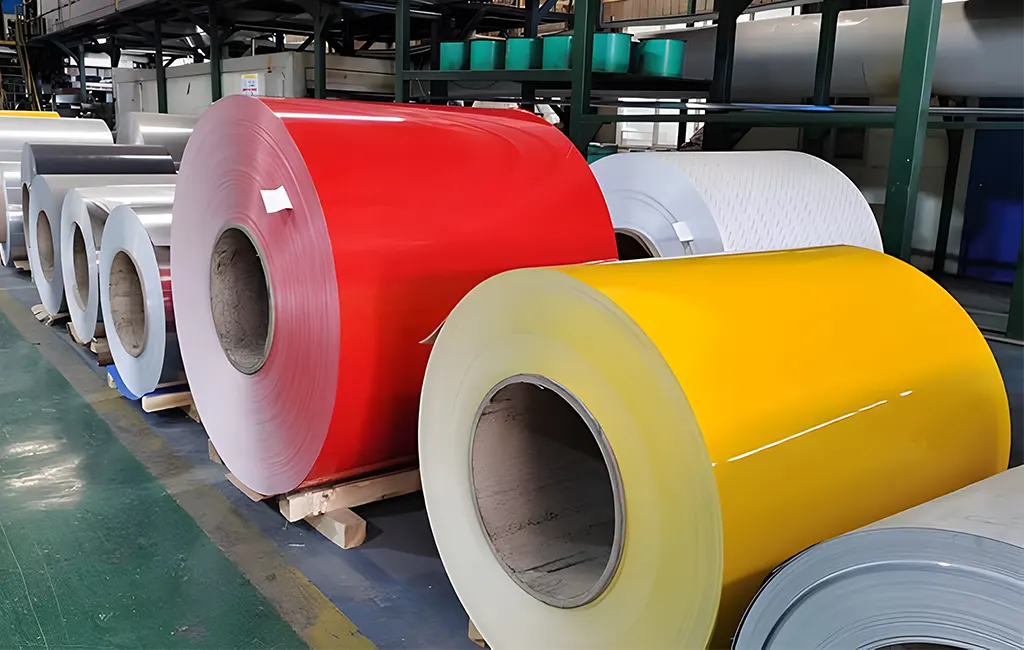
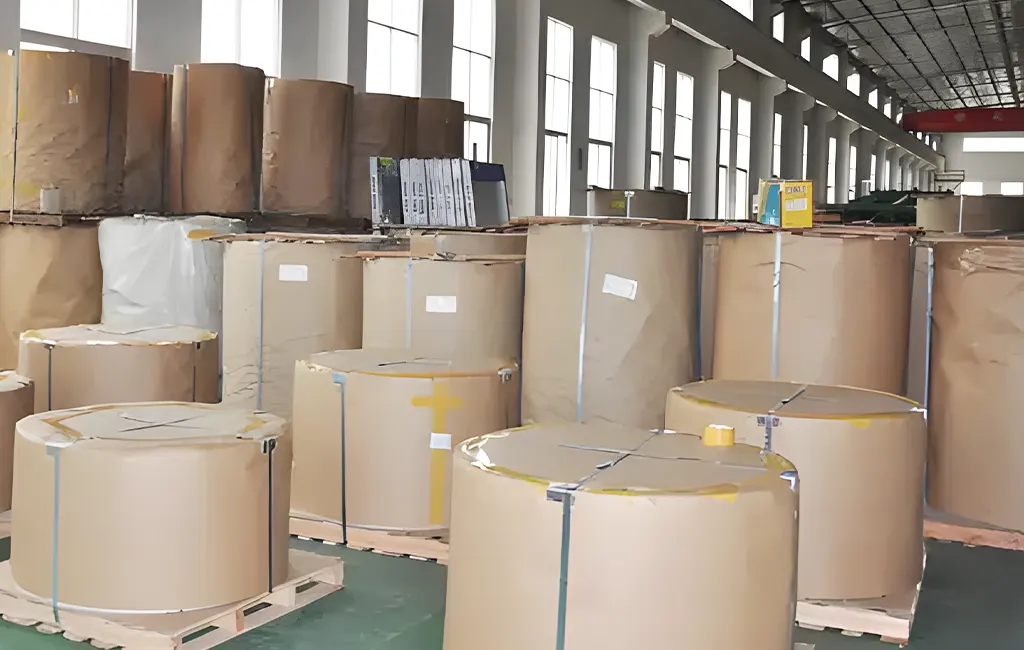
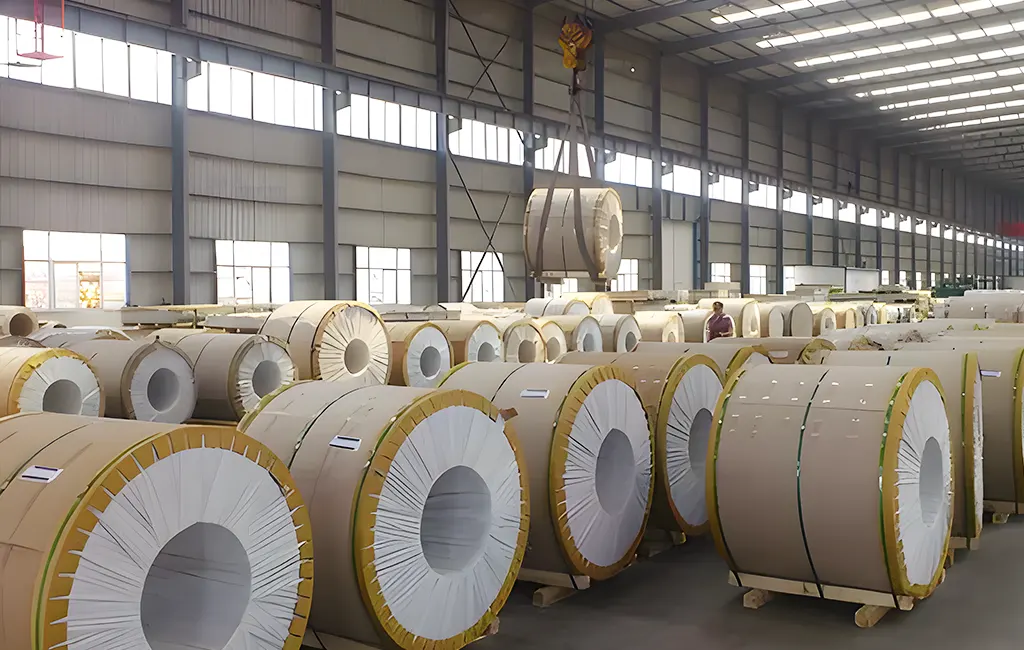
Pretreatment is the critical surface preparation stage that determines the long-term adhesion and corrosion resistance of organic coatings on aluminum coil. Before any primer or topcoat is applied, the continuous aluminum strip undergoes alkaline degreasing, rinsing, and chemical conversion coating. The conversion layer—traditionally chromate-based or modern chromium-free zirconium/titanium systems—creates a chemically bonded interface that promotes coating adhesion and provides a barrier against under-film corrosion. Properly controlled pretreatment enables color-coated aluminum to meet demanding performance standards such as AAMA 2605, including 4,000-hour salt-spray resistance and long-term outdoor durability. Inadequate pretreatment is the most common root cause of field failures such as blistering, peeling, and edge corrosion.
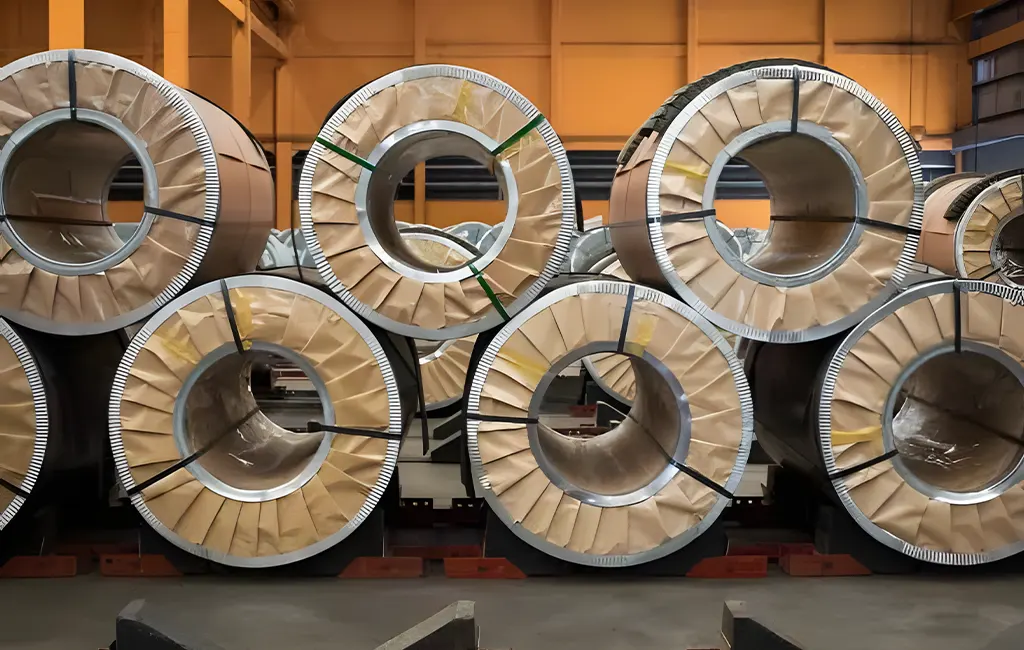
Technical Comparison of Conversion Coating Systems
| Parameter | Chromate Conversion Coating | Chromium-Free (Zr/Ti-based) | No Conversion (Degrease Only) |
|---|---|---|---|
| Primary Chemistry | Hexavalent or trivalent chromium compounds | Zirconium, titanium, or mixed oxide systems | None |
| Typical Coating Weight | 10–50 mg/m² (Cr) | 5–30 mg/m² (Zr/Ti) | 0 |
| Adhesion Performance | Excellent (cross-hatch 5B typical) | Very good to excellent (when optimized) | Poor to moderate |
| Salt Spray Resistance Contribution | High (supports 4,000 h systems) | Good to high (depends on formulation) | Low |
| Environmental / Regulatory Status | Restricted in many regions (RoHS, REACH) | Preferred / compliant | Fully compliant but inadequate |
| Process Window | Relatively wide | Narrower; requires tighter control | Widest but lowest performance |
| Compatibility with PVDF / PE | Excellent | Excellent when properly applied | Limited |
| Typical Application | High-performance exterior (legacy) | Modern architectural and automotive | Interior or non-critical only |
Performance data reflect industry practice for continuous coil coating lines producing AAMA-compliant products.
Alkaline Degreasing Stage
The first step removes residual rolling oils, lubricants, and surface contaminants from the aluminum strip. Alkaline cleaners (typically pH 10–13) saponify and emulsify organic residues. Process parameters controlled on the line include:
- Cleaner concentration and free alkalinity
- Bath temperature (usually 50–70 °C)
- Contact time and spray or immersion intensity
- Rinse water quality after cleaning
Incomplete degreasing leaves hydrophobic films that prevent uniform conversion coating formation and reduce final coating adhesion. Conductivity and surface tension measurements, together with water-break tests, are used to verify cleaning effectiveness before the strip enters the conversion stage.
Chemical Conversion Coating
After thorough rinsing, the clean aluminum surface reacts with the conversion coating solution to form a thin, inorganic layer.
Chromate systems produce a complex chromium oxide/hydroxide film that offers excellent corrosion inhibition and adhesion promotion. Although highly effective, hexavalent chromium is subject to increasing regulatory restrictions, driving the shift toward alternatives.
Chromium-free systems based on zirconium, titanium, or mixed fluoro-complexes form amorphous oxide layers. When process parameters (pH, concentration, temperature, contact time, and rinse quality) are tightly controlled, these systems deliver adhesion and corrosion performance approaching that of traditional chromates. Many modern coil coating lines now operate exclusively with chromium-free chemistry to meet environmental requirements while still supporting AAMA 2605-level coatings.
Conversion coating weight is monitored by X-ray fluorescence or wet chemical analysis. Typical target ranges are maintained within narrow limits because both under- and over-coating can reduce performance.
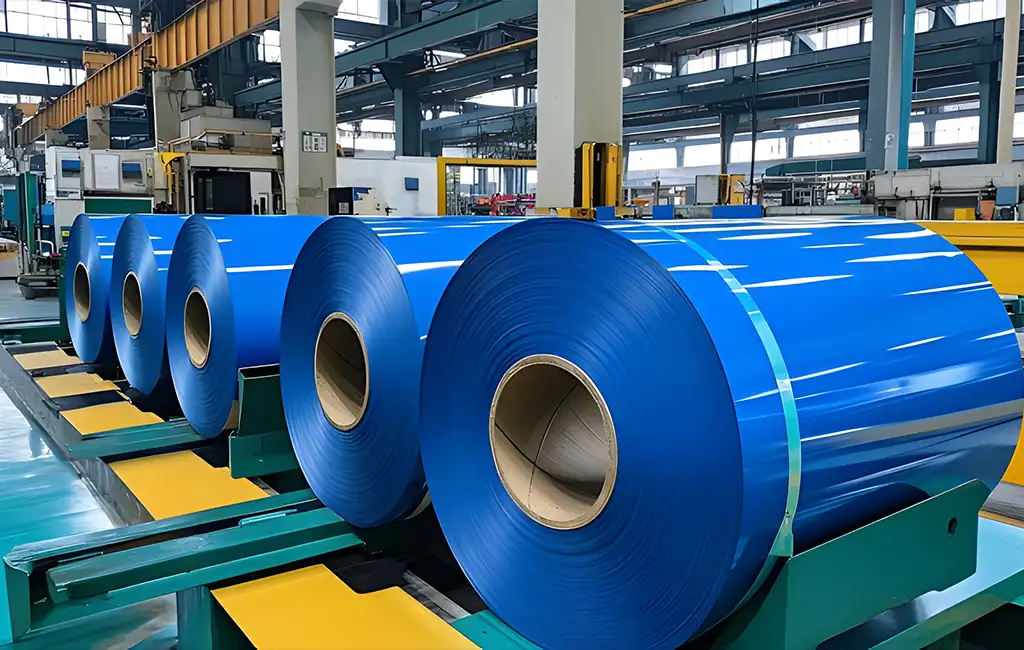
Rinse and Final Surface Conditioning
Multiple rinse stages remove residual chemicals and prevent contamination of subsequent baths. The final rinse water quality (conductivity and pH) is critical; residual salts or extreme pH can interfere with primer wetting and curing. Some lines apply a final seal or passivation rinse to further enhance corrosion resistance before the strip enters the coater.
Impact on Coating Performance and Quality Control
Pretreatment quality is verified through a combination of in-line and laboratory tests:
- Water-break test for cleanliness
- Conversion coating weight measurement
- Cross-hatch adhesion (ASTM D3359) after coating and curing
- Salt-spray testing (ASTM B117) on finished panels
- Humidity and cyclic corrosion tests
Failures such as poor wet adhesion, blistering after humidity exposure, or rapid scribe creep in salt spray are frequently traced to pretreatment deficiencies rather than the organic coating itself. Consistent process control—bath analysis, temperature stability, and rinse integrity—is therefore essential for producing reliable color-coated coil.
Process Recommendations by End Use
- High-performance exterior (curtain walls, coastal roofing): Chromium-free or chromate conversion with tight weight control + 70% PVDF system meeting AAMA 2605.
- General architectural cladding: Optimized chromium-free pretreatment + SMP or PVDF (AAMA 2604/2605).
- Interior and appliance applications: Effective degreasing with lighter conversion coating + polyester topcoat.
Matching pretreatment intensity to the final coating class and exposure environment maximizes service life while controlling process cost and environmental impact.