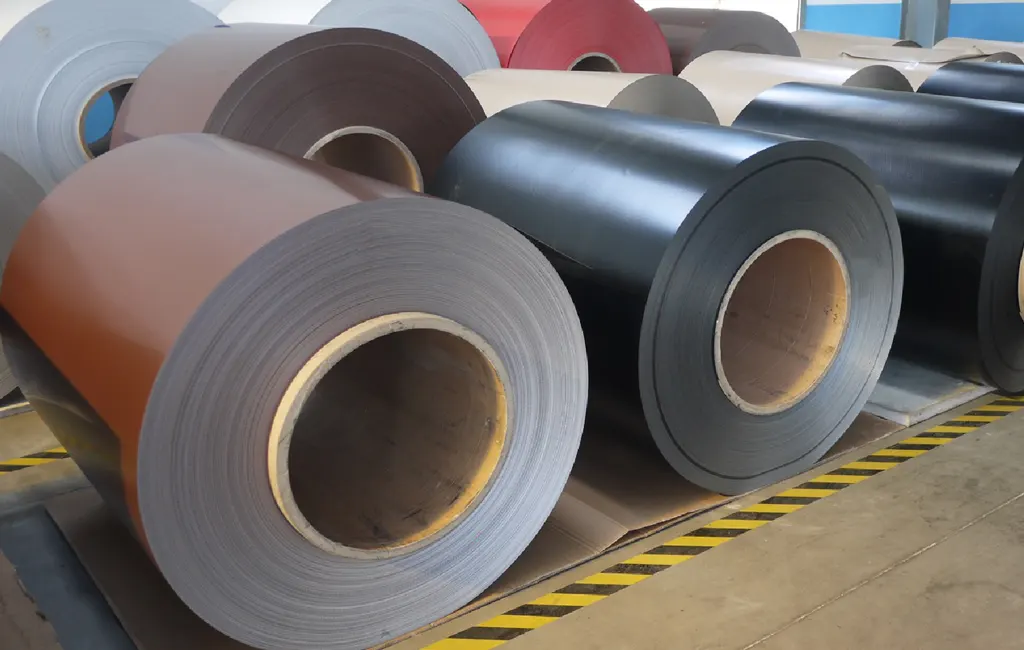
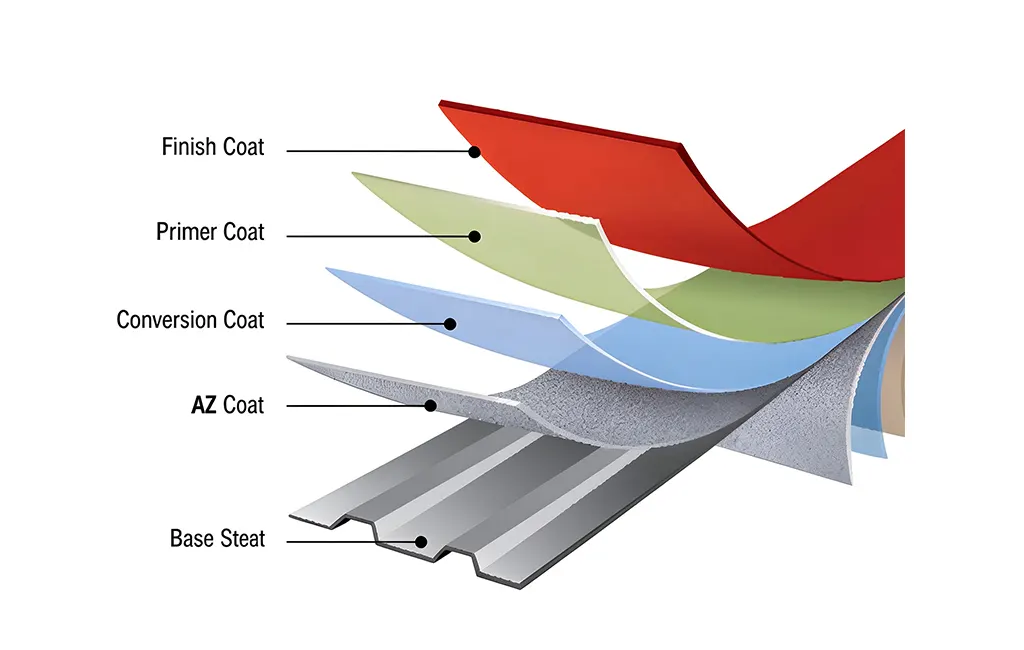
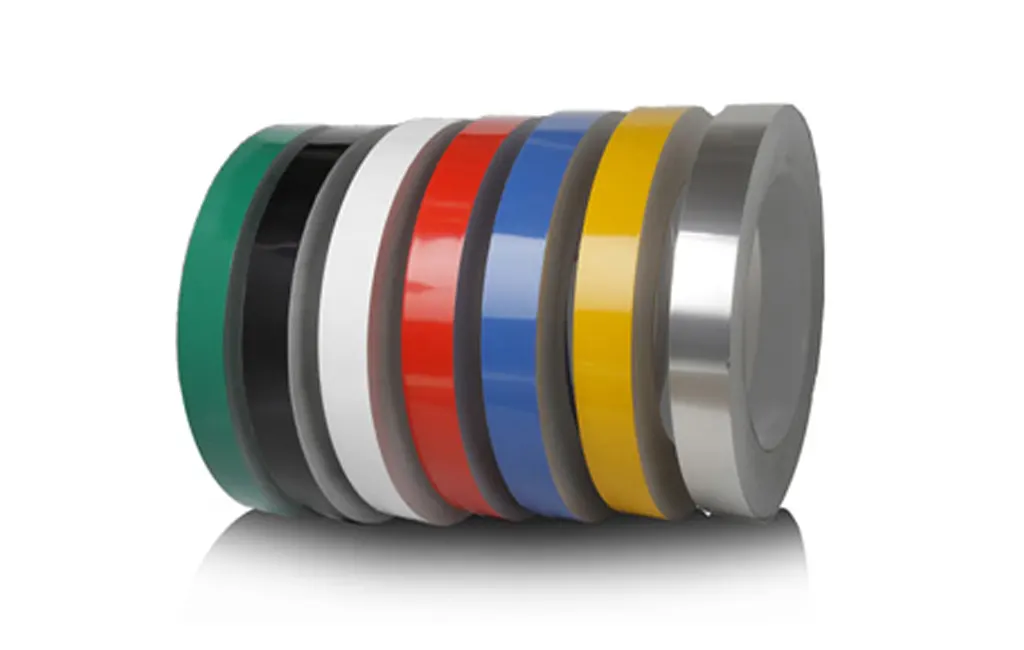
They are typically categorized by coating chemistry (PE, PVDF, FEVE), substrate and pretreatment, finish and thickness, and end-use applications. These classifications influence durability, color stability, cost, and sustainability for each project.
Coating chemistry determines weather resistance and color retention; PVDF and FEVE offer superior durability for exterior use, while PE is more economical. Substrate and pretreatment affect adhesion and corrosion resistance, making the choice of AA3000/5000 series alloys important. Finish and thickness influence depth of color, gloss, and wear resistance, so thickness should match exposure conditions such as coastal, industrial, or inland environments. Consistency across batches is essential to avoid noticeable color differences on large facades. Finally, end-use applications (exterior cladding, interior accents, roofing details) guide the overall system selection and cost planning.
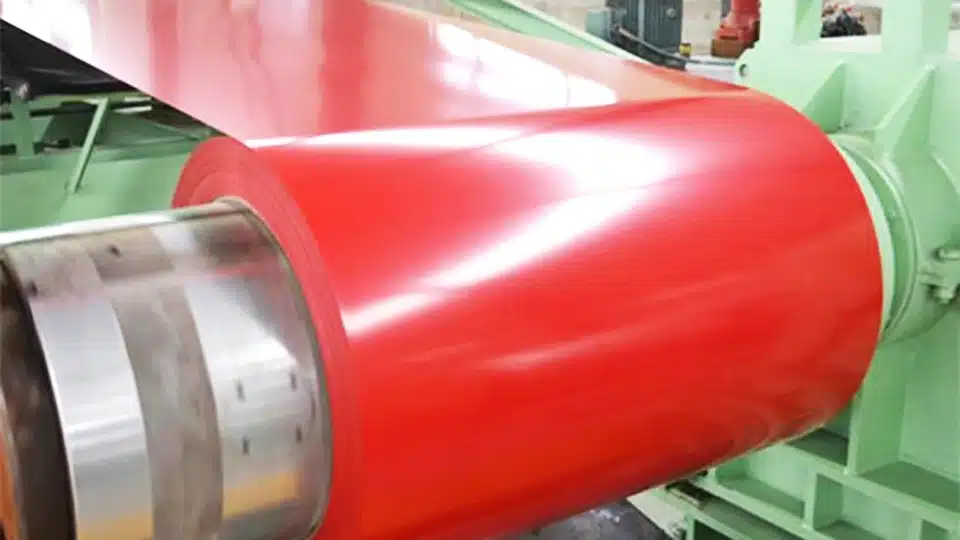
Finishes and thickness
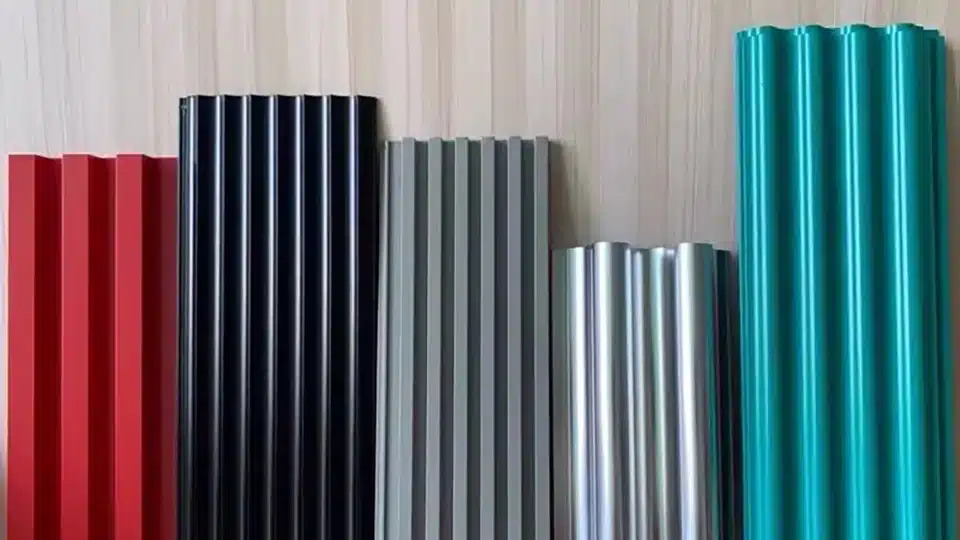
- Finishes: Matte, satin, or high-gloss textures; decorative textures (brushed, embossed) can enhance design effects.
- Thickness: Higher coating thickness improves color depth and wear resistance but raises cost; choose a configuration aligned with environmental exposure and maintenance expectations.
Applications and project considerations
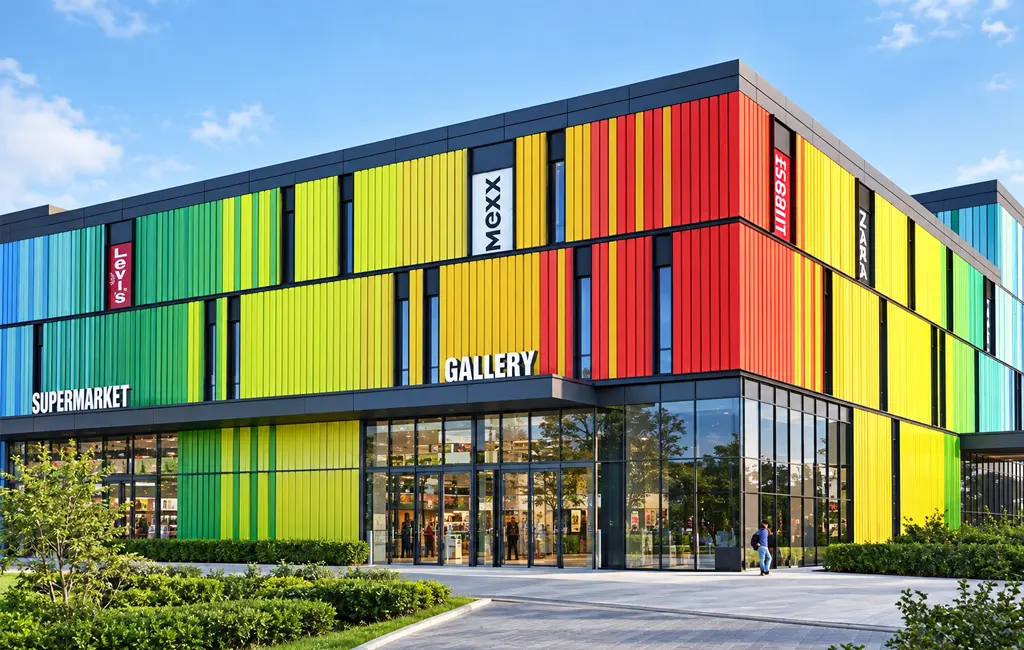
- Exterior envelopes: Durable, color-stable options for long-term façades.
- Interior surfaces: Lighter-duty options for decorative panels or accents.
- Mixed-use environments: Coordinate with other materials to ensure visual harmony and maintenance practicality.