
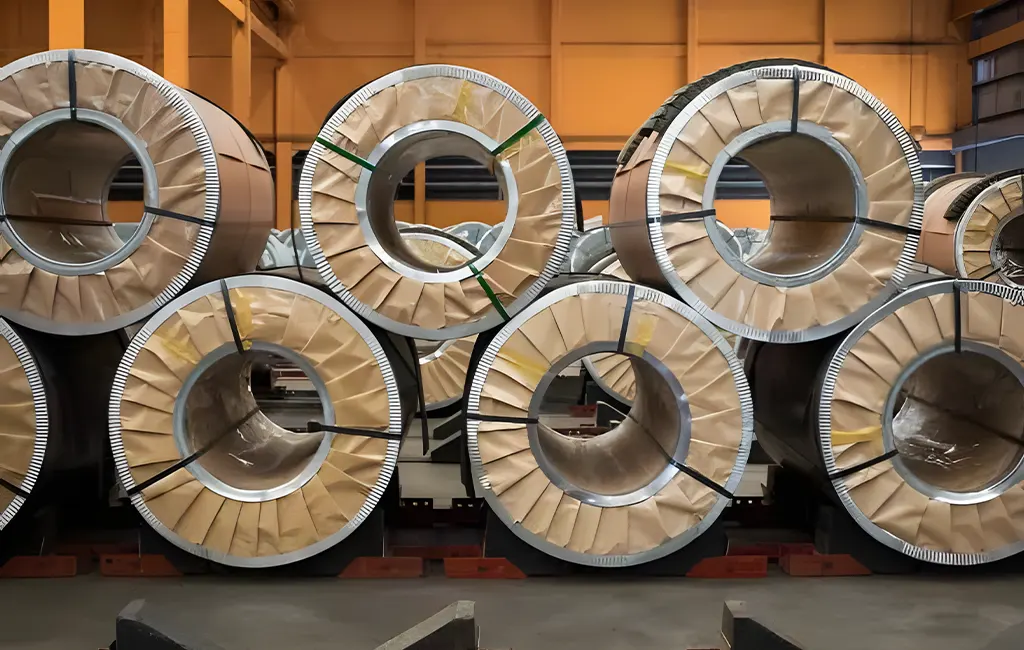
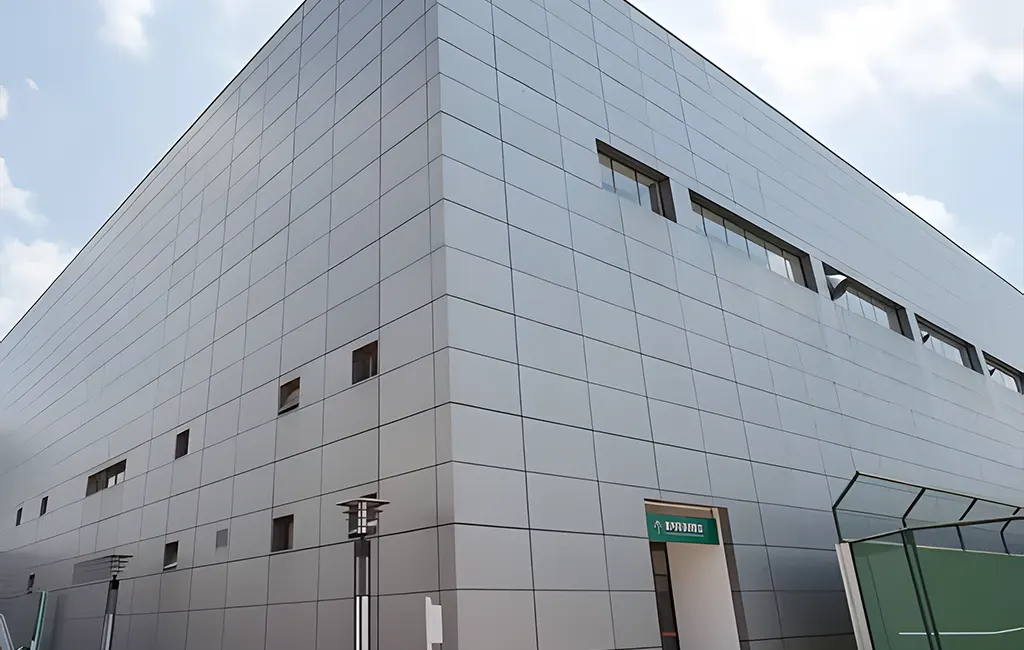
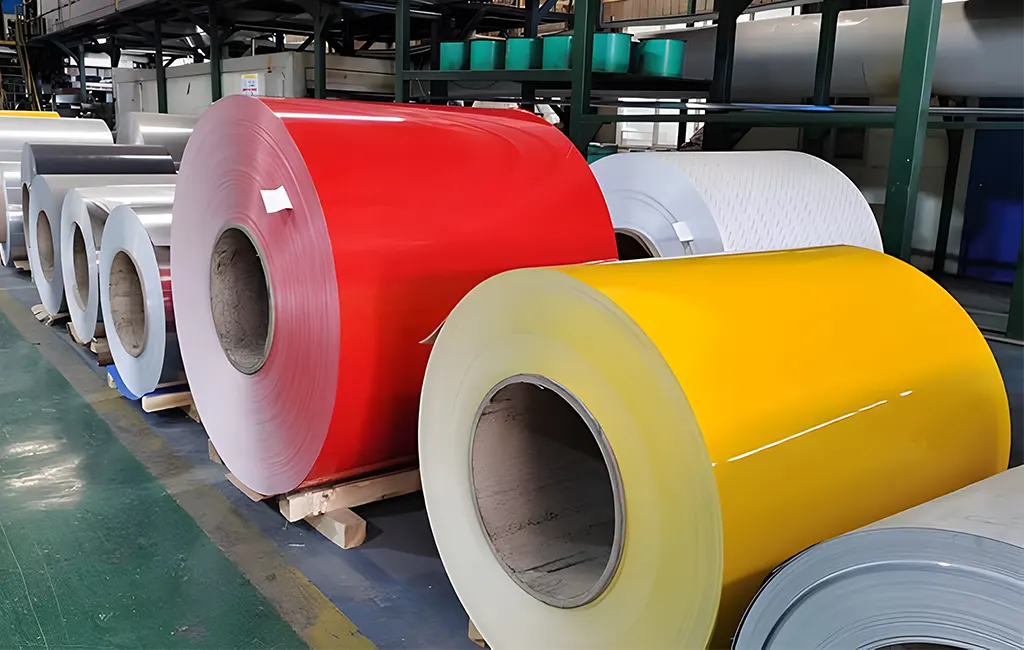
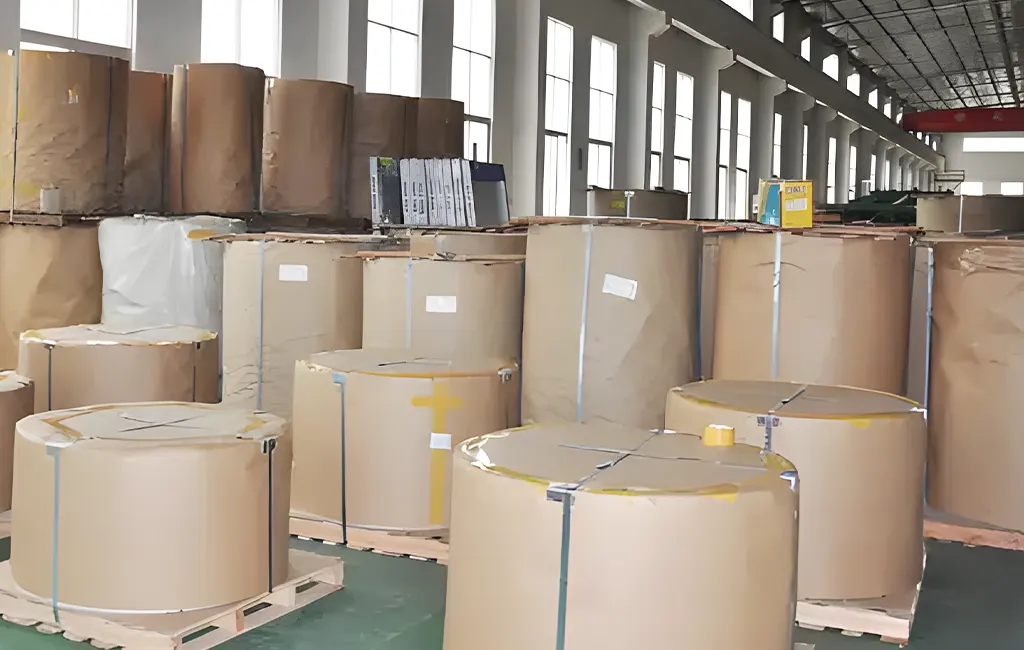
Modern architectural decoration pursues a balanced combination of lightweight structure, diverse visual aesthetics, weather‑resistant durability, low‑maintenance costs and environmental sustainability. Color‑coated aluminum coil, also called prepainted aluminum coil, has rapidly gained popularity for roofing, curtain‑wall facades, rain‑screen cladding and decorative components across commercial, public and landmark buildings.
Unlike on‑site spray‑painted metal, color‑coated aluminum coil receives continuous roller‑coating and baking at the factory before fabrication, delivering highly uniform surface quality. Many designers select it over traditional coated‑steel panels, tiles and other decorative materials.

Core Advantages for Building Decoration
1. Light‑weight structural performance
Aluminum’s density is roughly one‑third of steel, significantly lowering dead‑load for building sub‑frames. This brings two major benefits: existing structures require fewer reinforcements during renovation projects; long‑span facade and roofing designs become easier to realise. 3003‑H24 and 3005‑H24 aluminum‑manganese alloys are the most widely‑used substrate grades for outdoor decoration.
2. Outstanding weather‑resistant and anti‑corrosion capability
Aluminum naturally forms a dense protective oxide film. Combined with qualified coil‑coating systems, it resists UV degradation, salt‑spray corrosion in coastal zones and industrial‑polluted atmospheres. Properly‑specified PVDF‑coated aluminum can retain stable appearance for more than 20 years without frequent repainting.
3. Rich aesthetic and design flexibility
Coil‑coating technology supports RAL, Pantone custom colours, metallic finishes, matte/gloss surfaces, wood‑grain and stone‑imitation textures. Factory roller‑coating guarantees consistent colour batch‑to‑batch, avoiding uneven paint defects common with on‑site painting. Meanwhile, good formability allows bending, roll‑forming and stamping for complex‑shaped decorative panels, curved roofing and special architectural details.
4. Production efficiency and whole‑life‑cycle economy
Painting is completed in‑factory, so fabricators can directly cut, bend and process finished coils without additional on‑site spraying. This shortens construction cycles and reduces on‑site paint pollution. Though initial material cost may be higher than some alternatives, low maintenance requirements cut long‑term operating expenditure for building owners.
5. Environmental‑friendly and high recyclability
Aluminum can be almost infinitely recycled without losing core mechanical properties, consistent with modern green‑building requirements. Modern coil‑coating production lines capture most volatile organic compounds (VOCs) generated during paint curing, lowering industrial emissions.
Mainstream Coating‑System Comparison for Decorative Color‑Coated Aluminum Coil
| Coating Type | Dry‑Film Thickness(Primer+Topcoat) | Typical Service Life | Main Benefits | Typical Decorative Application |
|---|---|---|---|---|
| PE Polyester | 18‑22 μm | 8‑12 years | Rich colours, cost‑effective, good formability | Indoor decoration, inland secondary‑building facades, non‑critical roofing |
| HDP High‑Durable Polyester | 22‑26 μm | 12‑18 years | Improved UV‑resistance and gloss retention | General‑purpose commercial facades, industrial‑building exterior decoration |
| SMP Silicone‑Modified Polyester | 22‑28 μm | 15‑20 years | Excellent heat‑resistance and gloss retention | Industrial roofing, mid‑grade exterior wall decoration |
| PVDF Fluorocarbon | 25‑35 μm (double‑coat double‑bake) | 20‑30+ years | Superior anti‑UV, salt‑spray and anti‑pollution performance | Landmark facades, coastal‑zone building decoration, premium curtain‑wall projects |
Recognised Limitations in Practical Projects
Color‑coated aluminum coil is not a universal solution for every project:
- Compared with colour‑coated steel, raw‑material unit price is relatively higher.
- Aluminum alloy has lower hardness; exposed panels risk denting from heavy hail or falling construction debris.
- Long‑term performance heavily depends on pretreatment, coating thickness and manufacturing quality. Inferior pretreatment will trigger blistering and coating peeling even with high‑end paint.
Practical Specification Suggestion
- Match coating grade to local climate: select PVDF fluorocarbon for coastal, high‑UV landmark decoration; PE or HDP for mild‑climate inland projects.
- Define full technical parameters in tender documents: alloy‑temper grade, pretreatment requirements, coating category and dry‑film thickness. Do not evaluate quality merely from visual colour samples.
- Request mill test reports to verify compliance with AAMA or EN standards.
- Pay attention to cut‑edge protection during fabrication to prevent substrate corrosion starting from exposed edges.