
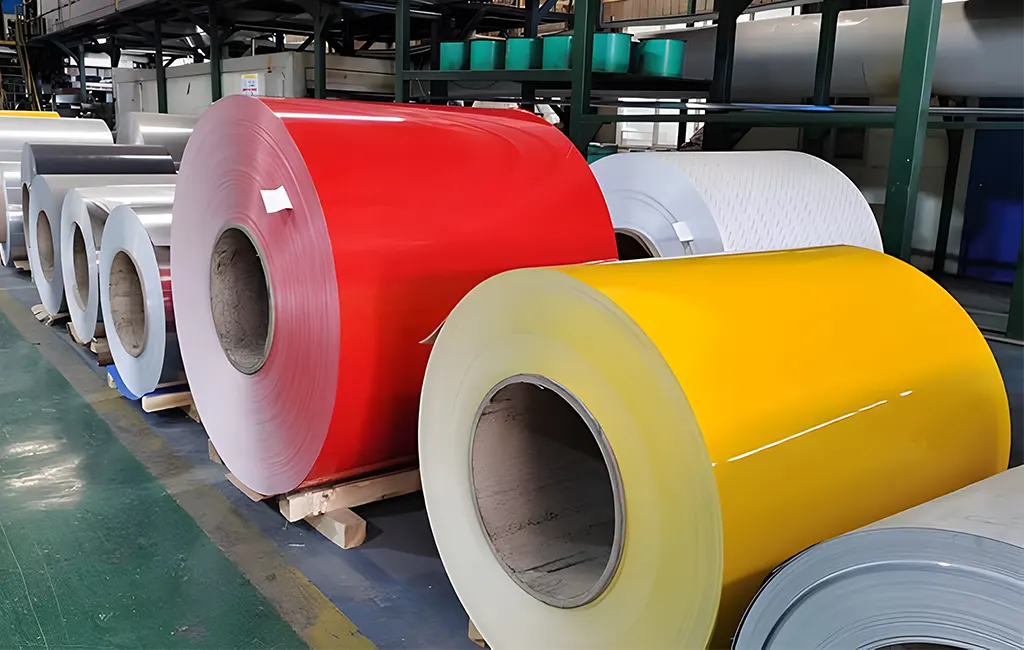
Small-batch custom-color color-coated aluminum coil orders can involve several hidden quality risks, particularly when production quantities are insufficient to maintain consistent coating conditions across the entire manufacturing run. Unlike standard high-volume colors, custom colors often require additional paint preparation, production-line adjustments, and color-matching procedures. These factors can increase the risk of color deviation, inconsistent gloss, uneven coating thickness, poor adhesion, and batch-to-batch variation. Even when the finished coils pass basic visual inspection, differences in color appearance or coating performance may become noticeable during downstream fabrication and installation. For B2B buyers, controlling these risks requires clear technical specifications, approved color samples, consistent production parameters, and documented inspection procedures.
1. What Are the Main Quality Risks in Small-Batch Custom-Color Production?
Small production runs can create quality-control challenges because coating lines are designed to operate under controlled and relatively stable conditions. Frequent color changes, equipment cleaning, and paint adjustments can introduce variations that are less noticeable in large-volume production but more significant in customized orders.
| Quality Risk | Possible Cause | Potential Impact | Recommended Quality Control |
| Color deviation | Paint formulation or pigment variation | Visible differences between coils | Spectrophotometer testing and approved color standard |
| Gloss inconsistency | Different curing or coating conditions | Uneven surface appearance | Gloss measurement |
| Uneven coating thickness | Line-speed or coating adjustment | Inconsistent protection and appearance | Dry film thickness inspection |
| Poor coating adhesion | Inadequate pretreatment or curing | Peeling or delamination | Adhesion testing |
| Surface defects | Contamination, roller marks, or equipment residue | Reduced appearance quality | Surface inspection |
| Batch-to-batch variation | Different production dates or paint batches | Inconsistent appearance after installation | Retained reference samples and batch comparison |
These risks are particularly important for architectural projects, decorative aluminum panels, and other applications where multiple coils must create a visually consistent finished surface.
2. Why Is Color Consistency Difficult to Maintain in Custom Orders?
Color matching is one of the most challenging aspects of small-batch color-coated aluminum production. A custom color may require a specific pigment combination and paint formulation, making it difficult to reproduce exactly when another production batch is manufactured later.
Several factors can influence the final appearance:
- Pigment Variation: Differences in pigment concentration or dispersion can affect the final color.
- Curing Conditions: Changes in oven temperature and coating-line speed can influence coating appearance and color development.
- Gloss Differences: Two coils may have similar measured colors but appear different because of surface gloss.
- Metamerism: Two surfaces may look similar under one lighting condition but different under another.
- Surface Texture: Differences in substrate preparation and coating application can change how light reflects from the aluminum surface.
For this reason, buyers should not rely exclusively on a printed color code or digital color reference. An approved physical sample should serve as the production reference. Color difference should be evaluated using an agreed ΔE tolerance, measurement conditions, and visual inspection under consistent lighting.

3. Can Small-Batch Orders Affect Coating Thickness and Performance?
Another hidden risk is inconsistency in coating application. During a short production run, operators may need to adjust coating equipment to achieve the required color and surface appearance. If process parameters are not properly controlled, coating thickness and curing conditions may vary.
This can affect both the decorative appearance and protective performance of the finished aluminum coil.
Important parameters to monitor include:
- Dry Film Thickness (DFT): Verify primer and topcoat thickness against the agreed coating specification.
- Curing Conditions: Monitor actual metal temperature and curing time according to the paint manufacturer’s requirements.
- Coating Adhesion: Check that the coating bonds properly to the pretreated aluminum substrate.
- Surface Hardness: Evaluate resistance to handling and fabrication-related surface damage where required.
Testing methods such as ASTM D3359 for adhesion [1], ASTM D523 for gloss [2], and instrumental color difference supported by standards organizations like ASTM International [3] can support quality evaluation. The applicable method and acceptance criteria should be agreed upon before production.
4. How Can Buyers Prevent Quality Problems Before Placing Small Custom Orders?
The most effective approach is to establish a clear quality-control agreement before manufacturing begins. Buyers should confirm not only the requested color but also the substrate, coating system, surface finish, and inspection requirements.
A practical purchasing checklist includes:
- Approve a Physical Color Sample: Confirm the color, gloss level, and surface texture before mass production.
- Define Color Tolerance: Establish an acceptable ΔE range and specify the measurement conditions.
- Confirm Coating Specifications: Define the coating type, primer and topcoat requirements, and total dry film thickness.
- Request Production Consistency: Where possible, use the same paint formulation and consistent production conditions for repeat orders.
- Require Inspection Records: Request color, gloss, coating thickness, adhesion, and relevant performance test results.
- Retain Reference Samples: Keep approved samples and production samples for comparison with future batches.
These measures help reduce misunderstandings between manufacturers and buyers, especially when small custom-color orders are repeated over several months.
5. Why Should Small-Batch Custom-Color Orders Receive the Same Quality Attention as Large Orders?
A small order does not necessarily mean lower product quality, but it can involve greater process-control challenges because setup adjustments and color changes account for a larger proportion of the production run. For buyers, the biggest risk is often not an obvious manufacturing defect but a subtle difference between batches that becomes visible only after the aluminum panels are installed together.
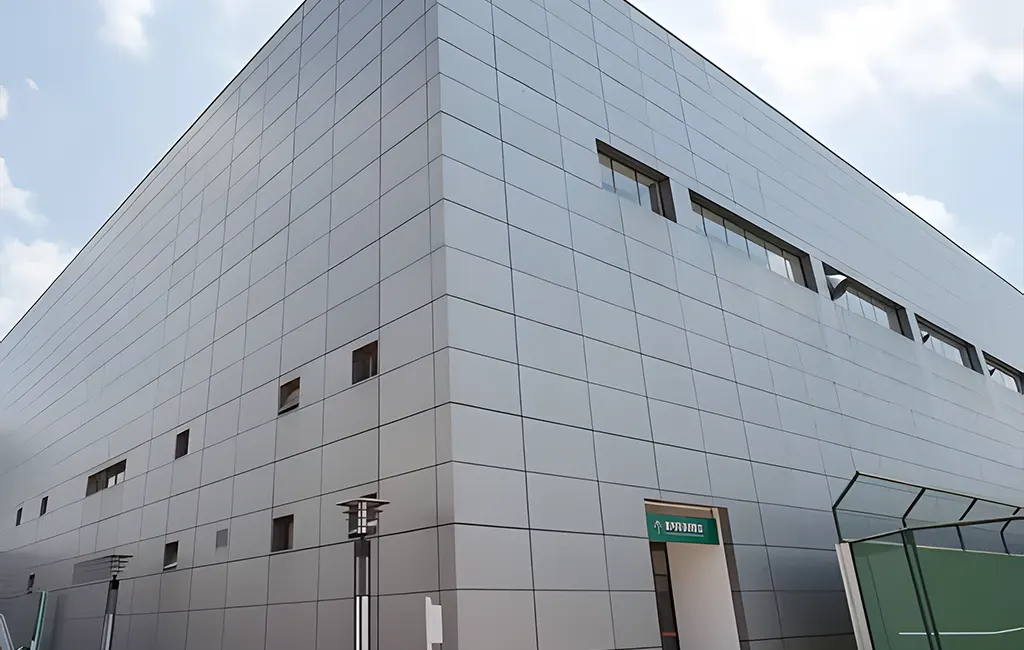
For example, a building facade may use several small batches of the same custom color. If each batch has slightly different color coordinates or gloss levels, the completed facade may show visible color inconsistency under natural daylight.
In conclusion, the main hidden quality risks in small-batch custom-color color-coated aluminum coil orders are color variation, gloss inconsistency, coating thickness deviations, adhesion problems, and differences between production batches. Buyers should establish physical color standards, measurable acceptance tolerances, coating specifications, and batch inspection requirements before production. A well-controlled manufacturing process is more important than order quantity when achieving consistent color appearance and reliable coating performance.
References
[1] Wikipedia. Paint adhesion testing [EB/OL]. 2026-02-09.
[2] Wikipedia. Gloss (optics) [EB/OL]. 2026-04-15.
[3] Wikipedia. ASTM International [EB/OL]. 2026-04-15.