
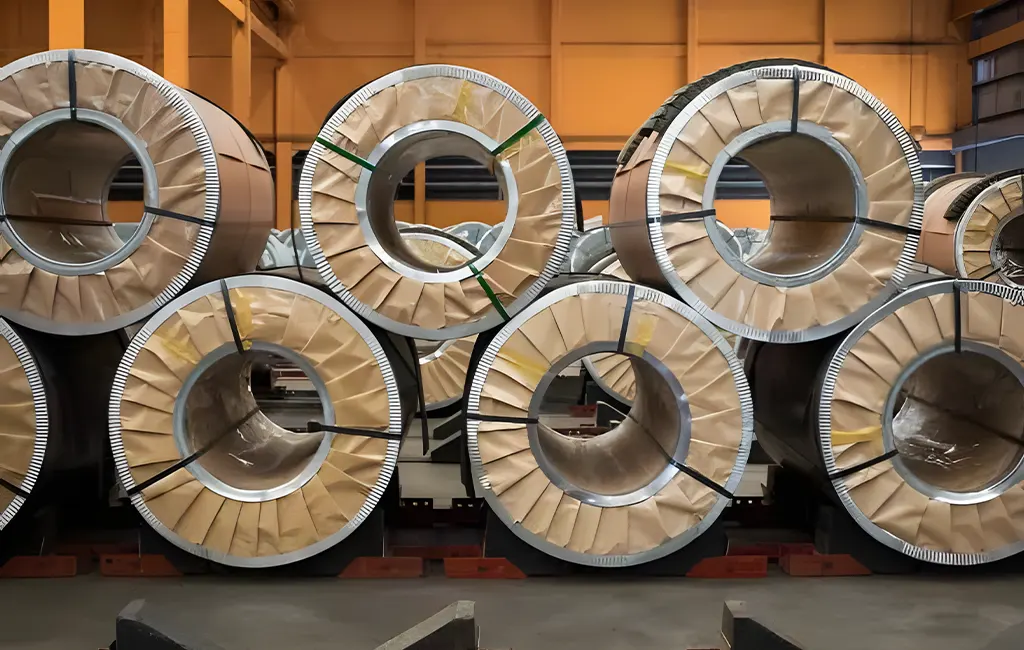
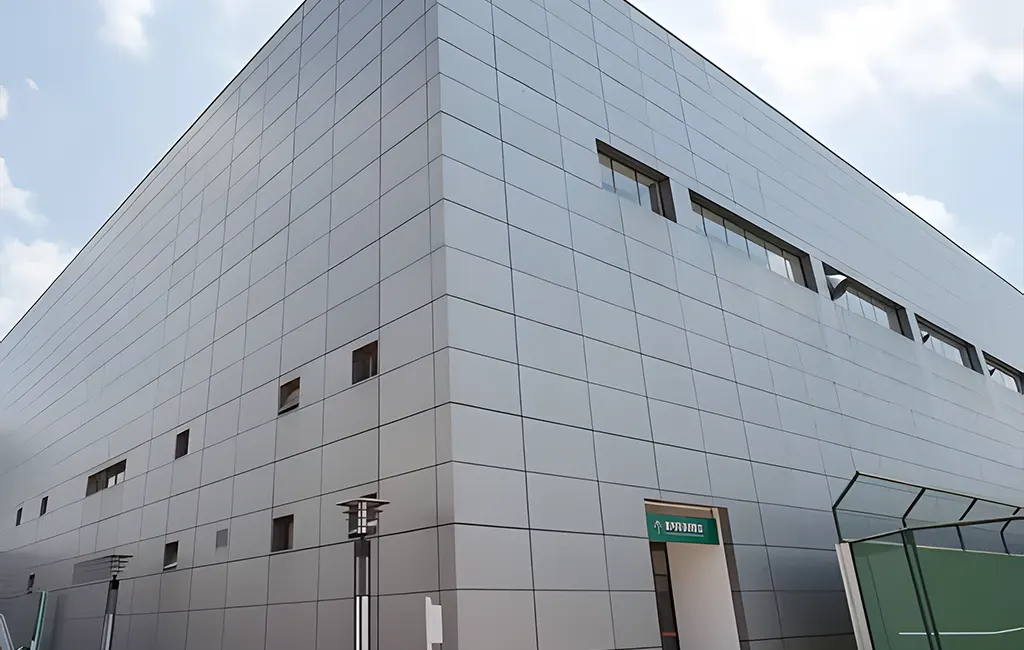
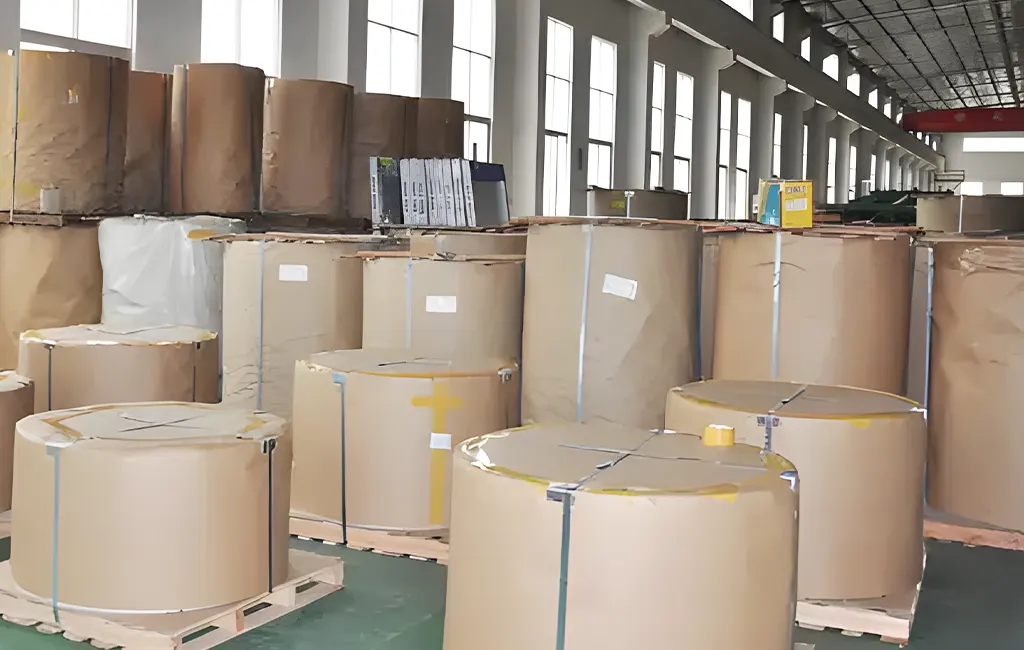
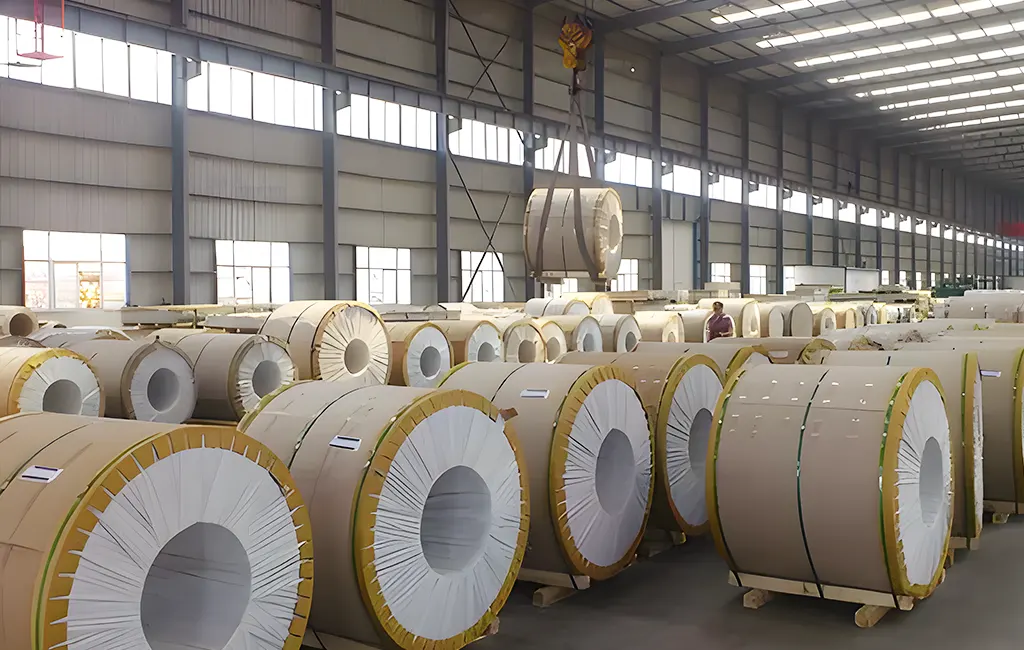
For exterior color-coated aluminum exposed to salt spray, high ultraviolet radiation, or industrial pollutants, 70% PVDF coating systems meeting AAMA 2605 provide the highest verified performance level. These systems use a minimum of 70% polyvinylidene fluoride resin in the topcoat, applied over a corrosion-inhibiting primer after chemical pretreatment. Typical total dry-film thickness on coil is 25–33 μm (primer 5–8 μm + topcoat 20–25 μm). Under AAMA 2605, the coating must limit color change to ≤5 ΔE and retain ≥50% gloss after 10 years of South Florida exposure, while passing 4,000 hours of salt spray (ASTM B117) and humidity testing. This combination delivers the long-term color stability and film integrity required for curtain walls, roofing, and façade panels in demanding climates.
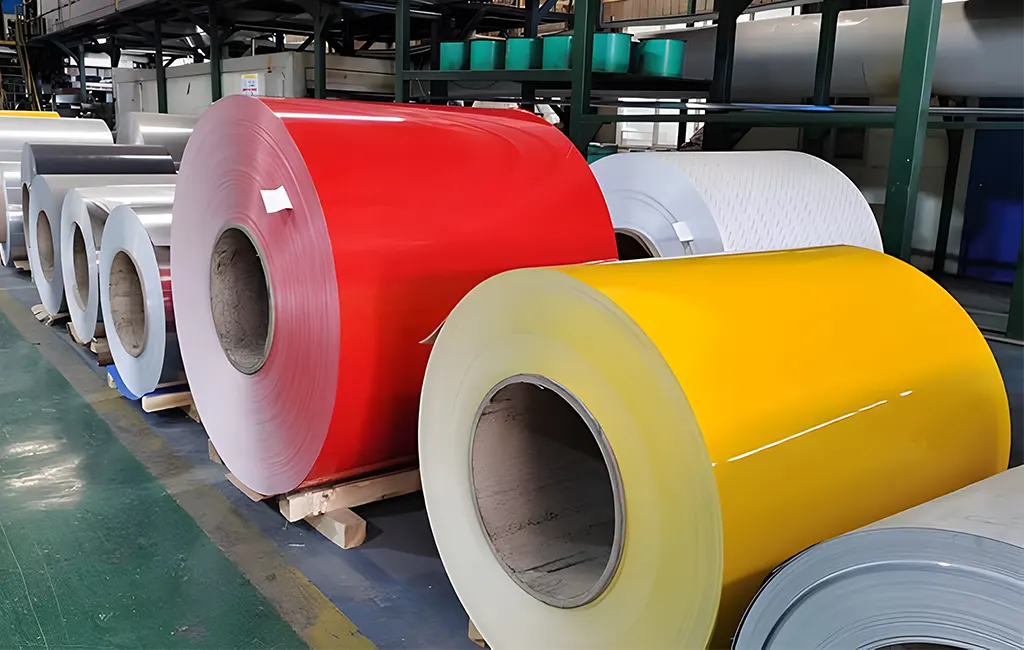
Technical Parameter Comparison: Coating Performance Levels
| Parameter | AAMA 2605 (70% PVDF) | AAMA 2604 (50% Fluoropolymer / SDP) | Standard Polyester (PE) |
|---|---|---|---|
| Resin System | ≥70% PVDF | ~50% fluoropolymer or super-durable polyester | Saturated polyester |
| Typical Total DFT (coil) | 25–33 μm | 25–30 μm | 15–20 μm |
| South Florida Exposure | 10 years | 5 years | 1 year (or limited) |
| Color Change Limit (ΔE) | ≤5 after 10 years | ≤5 after 5 years | Higher / earlier fade |
| Gloss Retention | ≥50% after 10 years | ≥30% after 5 years | Lower |
| Salt Spray (ASTM B117) | 4,000 hours | 3,000 hours | 500–1,500 hours |
| Humidity Resistance | 4,000 hours | 3,000 hours | 1,000–1,500 hours |
| Typical Warranty Class | 20–30 years (film & color) | 10–15 years | 5–10 years |
| Recommended Exposure | Coastal, high-UV, industrial | Moderate exterior | Interior / protected |
Data reflect published AAMA requirements and typical coil-coating practice. Actual results depend on pigment selection, pretreatment quality, and application control.
Why 70% PVDF Is Specified for Harsh Environments
Polyvinylidene Fluoride (PVDF) resins possess strong carbon-fluorine bonds that resist photochemical degradation and chemical attack. When formulated at ≥70% of the resin solids and combined with ceramic or complex inorganic pigments, the topcoat maintains color and gloss far longer than organic pigment systems.
The primer layer, usually epoxy or polyurethane based, provides adhesion and barrier protection against under-film corrosion. In coastal zones, chrome or high-performance chromium-free conversion coatings are preferred to maximize salt-spray resistance. Peak metal temperatures during cure are controlled at approximately 230–250 °C to achieve proper film formation without degrading the fluoropolymer.
These systems consistently meet or exceed AAMA 2605 laboratory and outdoor criteria, making them the default specification for high-rise façades, aluminum composite panels (ACP), and standing-seam roofing within 1–2 km of coastlines or in high-altitude UV environments.
Role of Pretreatment in Coating Longevity
Even the highest-performing PVDF topcoat will fail prematurely if the substrate is not properly prepared. The continuous coil process includes:
- Alkaline degreasing to remove rolling oils and contaminants
- Rinsing and chemical conversion coating (chromate or zirconium/titanium-based)
- Controlled conversion-coating weight for adhesion and corrosion resistance
Conversion coating quality directly influences salt-spray and humidity performance. Inadequate pretreatment is a primary cause of blistering and adhesion loss in the field, regardless of topcoat chemistry. Post-coating tests such as cross-hatch adhesion (ASTM D3359, target 5B), T-bend flexibility, and MEK double-rub resistance confirm process control.
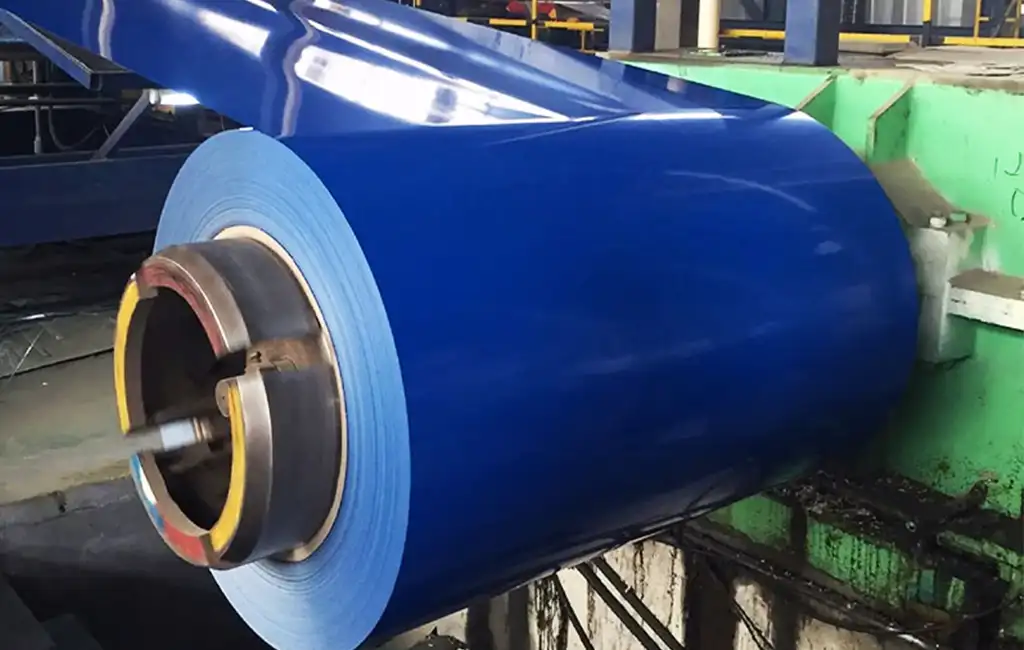
Alloy Selection Linked to Coating Performance
Coating performance is inseparable from substrate choice:
- 3003 / 3004: Good formability and corrosion resistance for general façade and roofing panels.
- 5052 / 5005: Higher strength and superior marine corrosion resistance; preferred for coastal curtain walls and formed panels.
- 1100: Used mainly for interior or lightly stressed decorative applications with PE coatings.
Thicker gauges or higher-strength tempers may be selected when panels experience significant wind loads or thermal movement, but the coating system itself must still satisfy the environmental classification (AAMA 2605 for severe exposure).
Practical Specification Guidelines
When writing project specifications for color-coated aluminum:
- State the required AAMA class explicitly (e.g., “AAMA 2605-compliant 70% PVDF”).
- Define minimum dry-film thickness for primer and topcoat.
- Require documented South Florida exposure data or equivalent accelerated testing for the specific color.
- Specify pretreatment type (chromium-free preferred where regulations apply) and adhesion test results.
- Include color retention (ΔE) and gloss retention limits after the stated exposure period.
For moderate inland exposures, AAMA 2604 systems can provide adequate service life at lower cost. For interiors or short-lifecycle products, polyester coatings remain cost-effective. Matching the coating class to the actual environmental stress avoids both under-specification (premature fading or corrosion) and over-specification (unnecessary cost).
References
- AAMA 2605 (current edition). Voluntary Specification, Performance Requirements and Test Procedures for Superior Performing Organic Coatings on Aluminum Extrusions and Panels. Fenestration and Glazing Industry Alliance (FGIA).
- AAMA 2604. Voluntary Specification, Performance Requirements and Test Procedures for High Performance Organic Coatings on Aluminum Extrusions and Panels. FGIA.
- ASTM B117. Standard Practice for Operating Salt Spray (Fog) Apparatus. ASTM International.
- ASTM D3359. Standard Test Methods for Rating Adhesion by Tape Test. ASTM International.
- ASTM D4214. Standard Test Methods for Evaluating the Degree of Chalking of Exterior Paint Films. ASTM International.
- GB/T 5237.5-2017. Wrought aluminium alloy extruded profiles for architecture — Part 5: Paint coating profiles. Standardization Administration of China.
- Industry coil-coating technical data sheets and AAMA-compliant product literature confirming typical DFT ranges, cure temperatures, and 70% PVDF resin content for exterior architectural applications.