



Filiform Corrosion Mechanisms in Pre-Painted Aluminum Facades
Filiform corrosion is a specialized form of localized, thread-like corrosion occurring under thin organic coatings (20–100 μm) on aluminum alloys, primarily driven by moisture and halide ingress (predominantly chloride ions ). It initiates at bare edges, cut scratches, or coating defects where the metal interface is exposed to high relative humidity (typically 75%–90% RH) and ambient temperatures between 20°C and 40°C. The active corrosion head operates via an differential aeration cell: an acidic, oxygen-depleted active anode at the filament tip () that dissolves the aluminum substrate, and an oxygen-rich cathode at the trailing tail that precipitates aluminum hydroxide corrosion products.
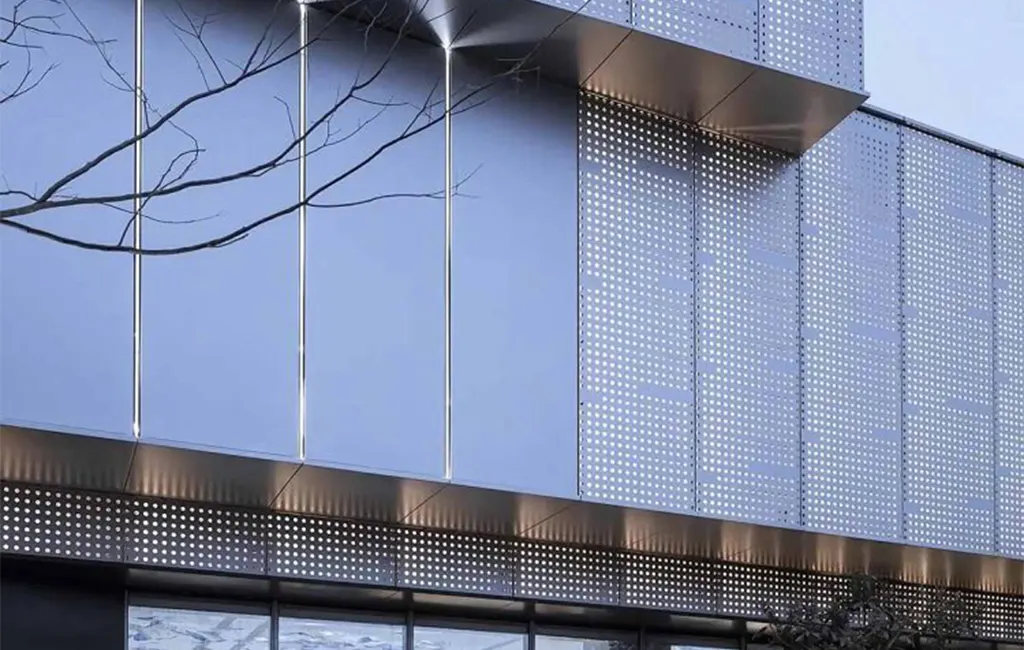
Technical Performance & Material Resistance Matrix
The resistance of pre-painted aluminum to filiform corrosion depends directly on substrate alloy chemistry, conversion coating type, and paint system specifications.
| Parameter / Feature | PVDF Coated 3003 Alloy | Thermoset Powder Coated 5052 Alloy | Anodized + Pre-painted 6061 Alloy | PE Coated 1100 Alloy |
| Substrate Alloy Grade | AA 3003 (Al-Mn) | AA 5052 (Al-Mg) | AA 6061 (Al-Mg-Si) | AA 1100 (Commercially Pure) |
| Pre-treatment System | Zirconium-based Non-Chromate | Titanium-Phosphate | Anodic Oxidation (5–10 μm) | Chromate Conversion (Cr6+) |
| Coating Type & Thickness | PVDF (70% resin), 25–35 μm | Polyester/Architectural Powder, 60–80 μm | PVDF Topcoat, 25 μm over Anodic Layer | Polyester (PE), 15–20 μm |
| Filiform Resistance Index | Superior (Filament length ) | High (Filament length ) | Maximum (Filament length ) | Moderate (Filament length ) |
| Salt Spray Test (ASTM B117) | [1] | |||
| AAMA Compliance | AAMA 2605 | AAMA 2604 | AAMA 2605 | AAMA 2603 |
| Operating Temp Range | ||||
| Primary Application | Commercial Facades / High-Rise | Industrial Cladding / Coastal Units | Marine Facades / Extreme Environments | Interior Panels / Signage |
Root Causes of Filiform Growth in Architectural Facades
Filiform corrosion development requires three simultaneous environmental factors: accessible moisture, active halide salts (like in coastal zones), and defect pathways through the organic film.
- Microstructural Intermetallic Compounds
- Constitutional intermetallic particles such as or present in the alloy matrix create localized micro-galvanic cells when exposed. The anodic dissolution of the surrounding matrix allows thread heads to propagate rapidly along directional rolling lines.
- Inadequate Surface Pre-treatment
- Failure to thoroughly degrease and etch the raw coil leaves residual rolling oils and a non-uniform native oxide layer. Without uniform chromate or zirconium-titanium conversion layers, paint film adhesion degrades under hygrothermal stress, allowing interfacial water channels to form.
- Edge Creep and Mechanical Damage
- Cut edges of architectural coils, punch holes, and fastener penetrations leave bare metal unprotected. Acidic atmospheric pollutants combined with airborne salts concentrate at these exposed boundaries, initiating filament tails that creep beneath the adjacent painted skin.
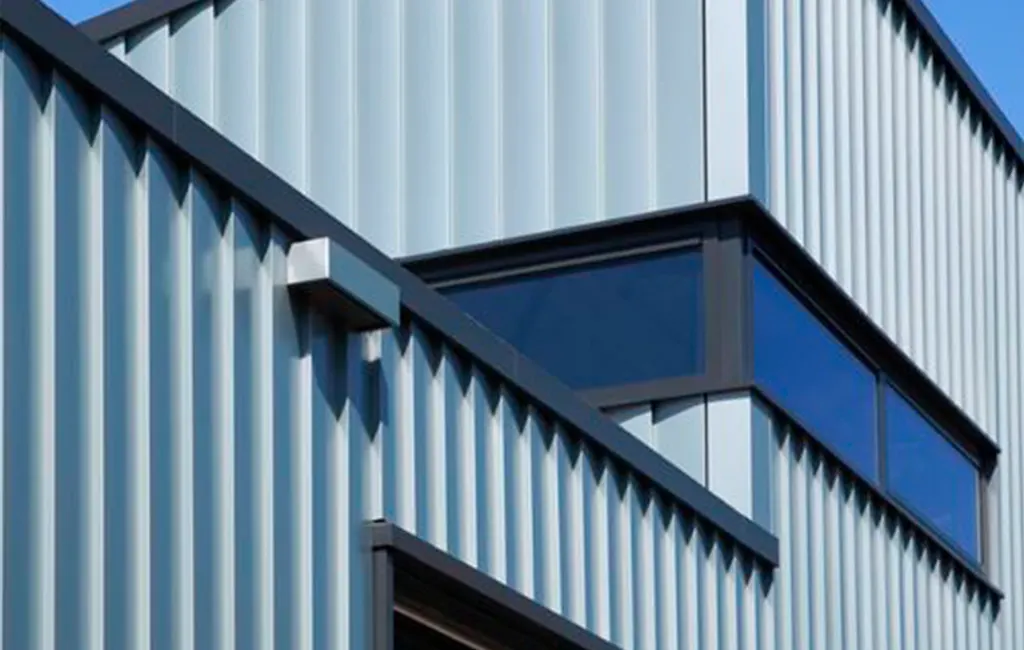
Industry Standards & Compliance Frameworks
Compliance with internationally recognized standards verifies pre-painted aluminum products against filiform degradation:
- AAMA 2605-20: Voluntary Specification, Performance Requirements and Test Procedures for Superior Performing Organic Coatings on Aluminum Extrusions and Panels [2]. Mandates strict resistance to salt spray, humidity, and atmospheric exposure.
- ISO 4623-2: Paints and varnishes — Determination of resistance to filiform corrosion — Part 2: Aluminum substrates [3]. Specifies scribing methods and exposure parameters for standard lab evaluations.
- QUALICOAT Specifications: Quality Label for Paint, Lacquer and Powder Coatings on Aluminum for Architectural Applications [4]. Enforces mandatory 1000-hour filiform resistance tests for certified coaters (Sea-Proof / Seaside class pre-treatments).
- DIN EN 12206-1: Paints and varnishes — Coating of aluminum and aluminum alloys for architectural purposes [5]. Defines pre-treatment etch thresholds and filiform inspection metrics.
References
[1] Wikipedia. Salt spray test [EB/OL]. 2026-09-15. [2] FGIA. AAMA Specifications [EB/OL]. 2026-09-15. [3] ISO. ISO 4623-2:2016 Paints and varnishes — Determination of resistance to filiform corrosion — Part 2: Aluminium substrates [EB/OL]. 2026-09-15. [4] QUALICOAT. QUALICOAT Specifications [EB/OL]. 2026-09-15. [5] DIN. DIN EN 12206-1 Paints and varnishes – Coating of aluminium and aluminium alloys for architectural purposes [EB/OL]. 2026-09-15.