
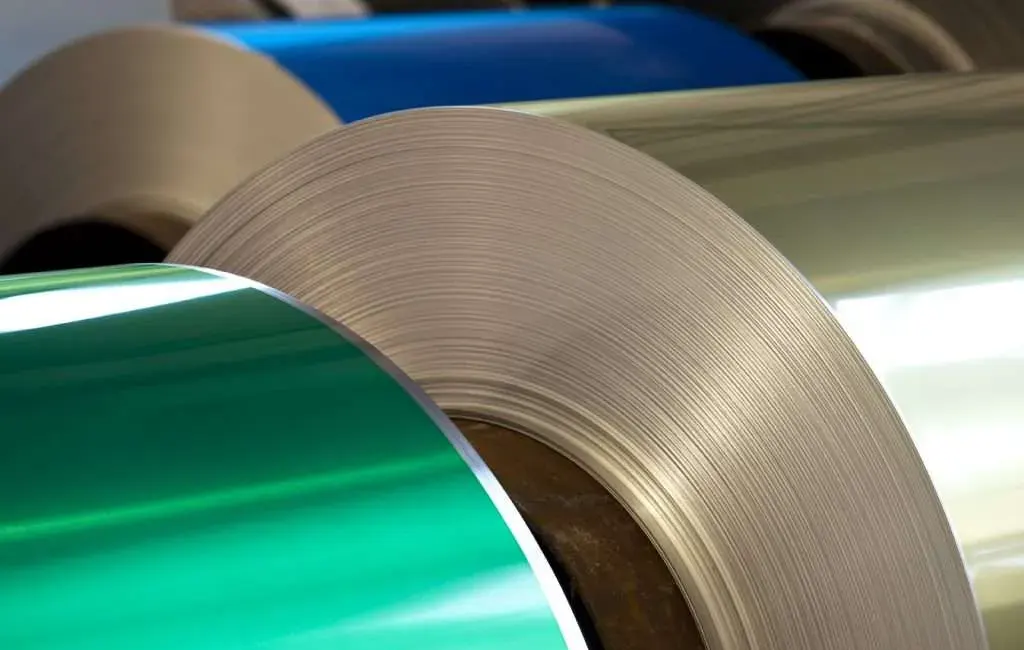

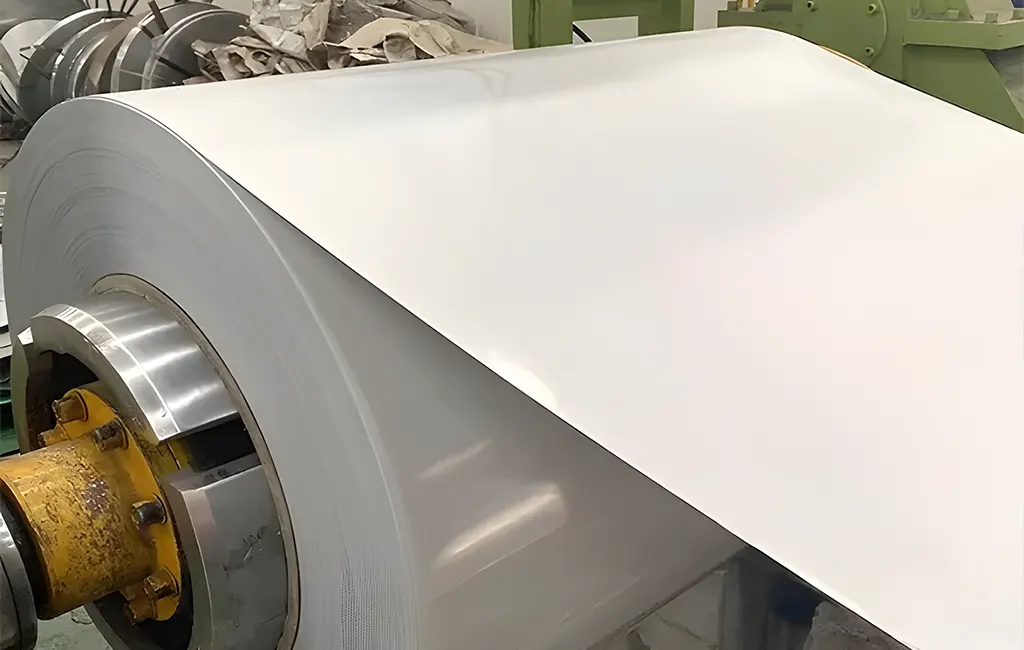
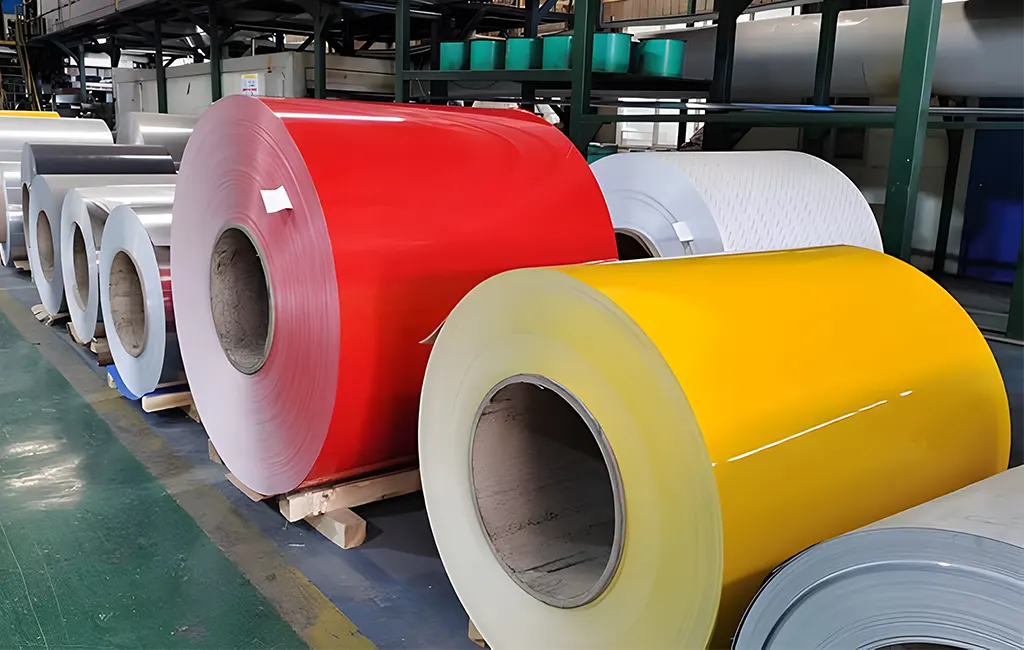
Color‑coated (pre‑painted) aluminum coil delivers excellent outdoor durability when manufactured properly. However, many premature quality failures do not originate at the factory, but occur during transportation, storage, fabrication and field installation. Typical on‑site‑triggered issues include surface scratches, coating cracking at bending positions, cut‑edge corrosion, dissimilar‑metal galvanic corrosion, protective‑film residue and local blistering.
Even high‑grade PVDF fluorocarbon coated aluminum will degrade ahead of schedule if handling and erection procedures are poorly controlled. Project teams often overlook that installation‑related damage is invisible at hand‑over stage and only appears months or years after completion.
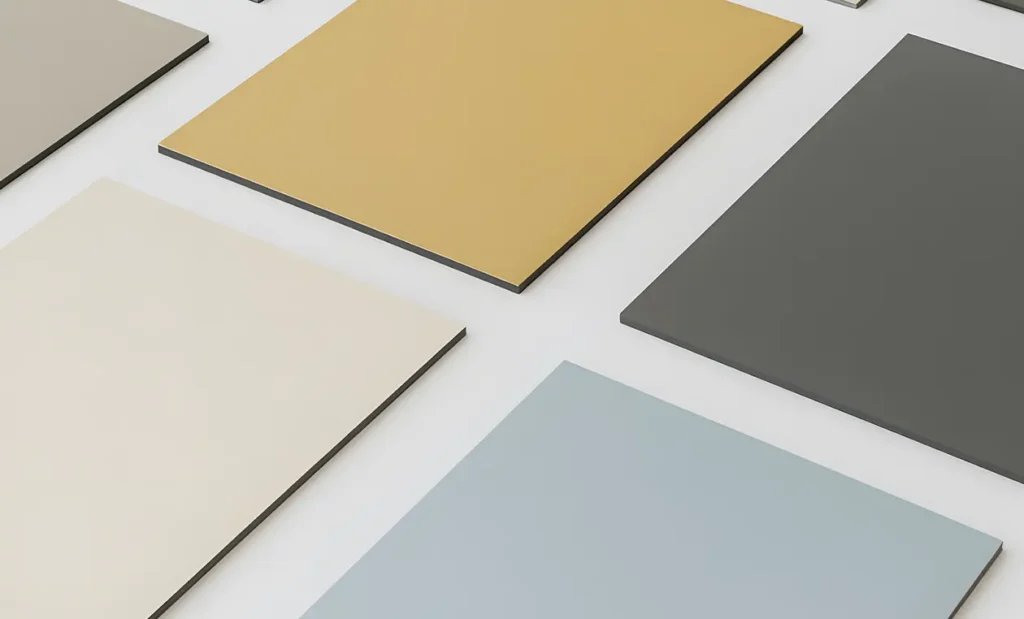
Main Quality Problems Triggered During Installation & Mitigation Measures
1. Surface scratches and abrasion damage
Scratches usually come from dragging panels, hard‑tool contact, debris friction or improper lifting. Once the coating layer is worn through, bare aluminum substrate is exposed to humid air, creating starting points for local pitting corrosion.
- Prevention: Use soft padded lifting belts instead of metal hooks; never drag panels across hard surfaces; retain temporary protective film throughout fabrication; remove metal cutting swarf immediately from painted surfaces. Minor scratches should be touched‑up with manufacturer‑matched repair paint on‑site.
2. Coating cracking at bending and roll‑forming positions
Micro‑cracks appear on outer bending surfaces when bending radius is too tight, or temper grade does not match forming requirements. Moisture penetrates through micro‑cracks and causes coating delamination gradually.
- Prevention: Follow the minimum T‑bend requirement specified on the mill test report. Do not force sharp bends beyond the material’s forming capacity. Select suitable alloy temper (H14 / H24) for complex profiling work.
3. Cut‑edge corrosion risk
Shearing and drilling expose uncoated bare‑aluminum edges. Without protection, moisture and salt contaminants trigger edge corrosion, which spreads underneath the coating and causes large‑area peeling over time.
- Prevention: Deburr cut edges; apply compatible edge sealant or touch‑up paint after cutting and drilling. Do not leave raw cut edges fully exposed in coastal or heavily polluted environments.
4. Galvanic corrosion caused by dissimilar‑metal contact
Direct contact between bare aluminum and incompatible metals (ordinary carbon steel) in humid conditions generates galvanic cell corrosion. Fastener selection error is a very common installation mistake.
- Prevention: Use stainless‑steel fasteners compatible with aluminum; add insulating gaskets where different metal materials meet. Clear away steel cutting chips fallen onto aluminum panel surfaces during installation.
5. Residue and ageing of temporary protective film
If protective plastic film remains on panels for too long under outdoor sunlight, high temperature makes the film glue harden and leave sticky residues that are difficult to clean.
- Prevention: Remove protective film promptly after installation completion. Do not leave protective film exposed to UV radiation beyond the supplier‑recommended maximum exposure period.
6. Defects caused by improper on‑site storage before erection
Coil stacks stored outdoors without shelter suffer condensation and trapped moisture between layers, triggering hidden blistering and adhesion loss before installation even starts.
- Prevention: Store coils and processed panels indoors under dry conditions. Keep original packaging intact until material temperature equals ambient temperature (24‑48 hours acclimatization). Apply first‑in‑first‑out inventory management for coil stocks.
Summary Table of Common Installation‑Related Defects
| Defect Phenomenon | Primary Root Cause During Installation | Practical Preventive Actions |
|---|---|---|
| Surface scratches & abrasion | Dragging panels, metal‑tool impact, residual cutting chips | Padded lifting, retain protective film, clear swarf immediately, touch‑up minor scratches |
| Coating micro‑cracking on bend lines | Too‑small bending radius, temper‑forming mismatch | Observe T‑bend limits; select correct alloy temper for profiling work |
| Cut‑edge corrosion spreading under coating | Bare unprotected edges after shearing / drilling | Deburr edges; apply matching sealant or touch‑up paint |
| Galvanic corrosion spots | Mixed‑metal direct contact, carbon‑steel debris | Adopt aluminum‑compatible stainless‑steel fasteners; use insulating gaskets; sweep steel chips |
| Protective‑film sticky residue | Prolonged UV exposure of leftover protective film | Strip protective film right after finishing installation work |
| Hidden blistering before mounting | Outdoor unsheltered storage, condensation trapped between sheets | Indoor dry storage; temperature acclimatization; FIFO stock management |
On‑Site Installation Standard Workflow Recommendations
- Incoming inspection: Check coil packaging condition, surface appearance and mill test reports upon delivery. Confirm T‑bend performance, pretreatment record and coating dry‑film thickness before fabrication.
- Controlled storage: Keep materials indoors and dry; avoid open‑air stacking. Allow temperature acclimatization before unpacking to avoid condensation on cold coil surfaces.
- Fabrication protection: Retain protective film during cutting, drilling and bending; remove cutting debris right away. Perform edge deburring and sealing for all cut profiles.
- Erection control: Use padded lifting tools; prohibit dragging panels. Select compatible fasteners and add insulating gaskets for dissimilar‑metal interfaces.
- Post‑erection finishing: Remove temporary protective film timely; complete touch‑up repair for minor scratches and cut‑edges; clear all metal debris on panels.
- Final visual check: Carry‑out full visual inspection before hand‑over, recording repaired positions for later maintenance reference.
Typical On‑Site Pitfalls
- Assume high‑quality factory‑produced material can tolerate rough on‑site handling. Installation‑induced hidden damage only shows months later.
- Ignore cut‑edge protection: Corrosion spreads invisibly under intact top‑coat surfaces.
- Keep protective film for months after installation for “extra surface protection”, resulting in permanent adhesive residue.
- Mix ordinary carbon‑steel fasteners with aluminum panels without isolation, triggering galvanic pitting corrosion.
- Store processed panels outdoors without rain‑proof covering, allowing moisture to be trapped between stacked sheets.
References
Wikipedia, Prepainted metal.