
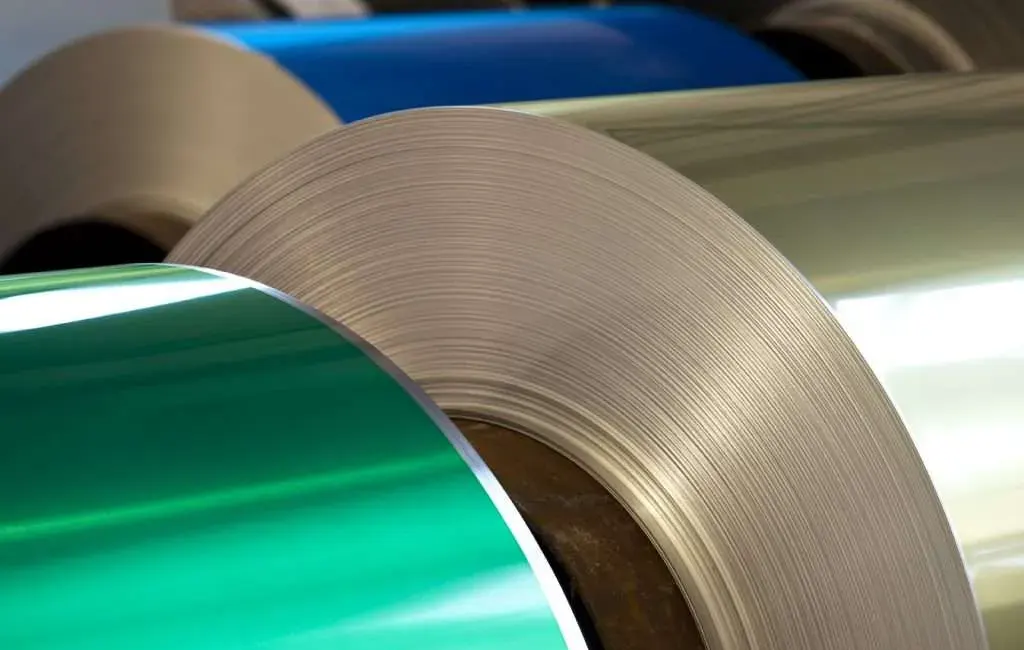

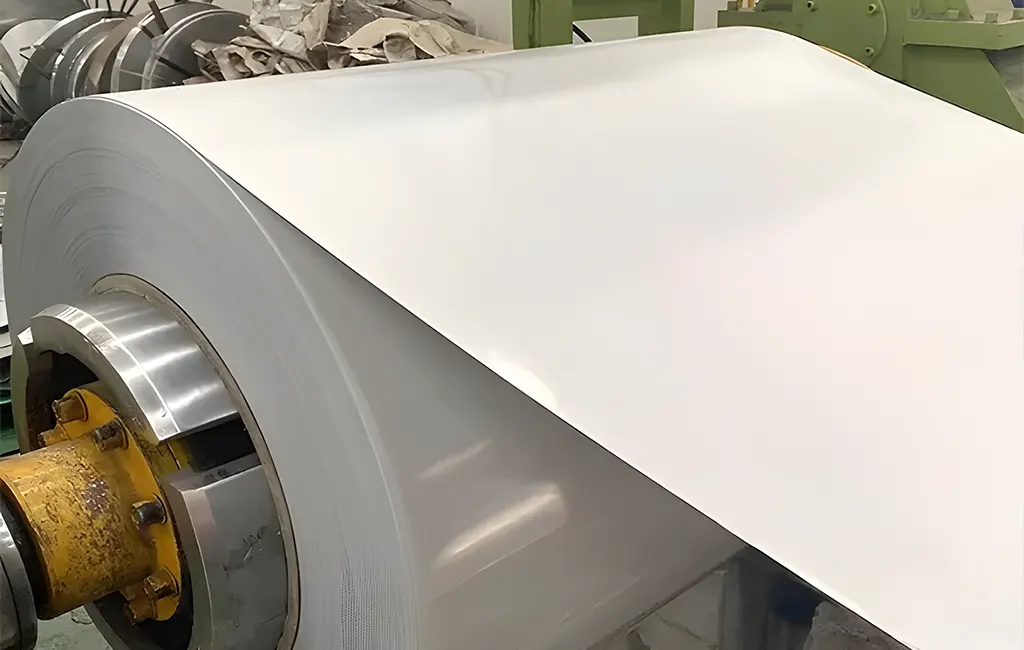
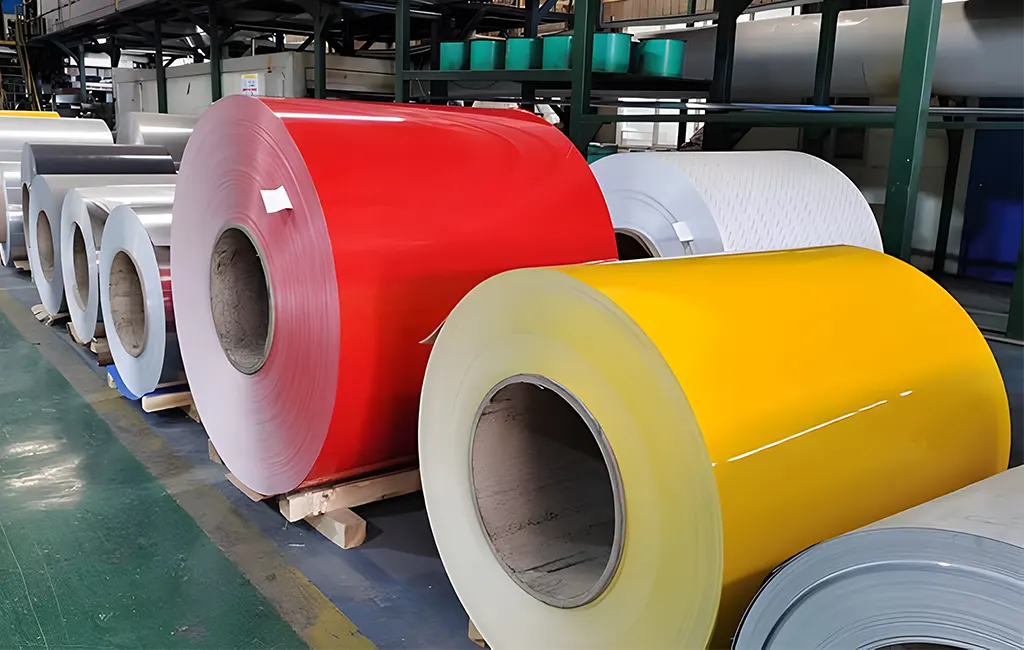
Improper quality screening before bulk procurement of color‑coated (pre‑painted) aluminum coil may cause serious project risks: surface defects, coating peeling, colour deviation and premature weathering failure after installation. Rework, material return and construction delay bring huge economic losses to building projects.
Many purchasers only compare colour samples and unit prices, ignoring alloy temper, pretreatment status, dry‑film thickness and key coating‑performance test reports. Visual appearance cannot fully represent long‑term outdoor durability. Reliable pre‑purchase quality verification combines document audit, physical‑sample inspection and critical‑performance testing.
Step 1: Verify supplier’s technical documentation
Document review is the first gate of quality control before sample evaluation. Request full‑set mill test reports and supporting certificates from the supplier. Key documents shall cover:
- Substrate data: aluminum alloy grade, temper, actual substrate thickness tolerances, chemical‑composition test results (e.g. 3003‑H24, 3005‑H24 for outdoor use).
- Coating‑system declaration: paint type (PE / HDP / SMP / PVDF), primer + topcoat nominal dry‑film thickness, pretreatment specification (chromate or chrome‑free passivation).
- Performance‑test records: cross‑cut adhesion, T‑bend flexibility, salt‑spray resistance, gloss and colour‑difference test data, referencing AAMA or EN‑series standards.
- Production‑standard compliance statement: AAMA 2603 / 2604 / 2605 or EN 1396 qualification documents.
Step 2: Visual inspection of physical samples
Carry‑out visual inspection under stable bright natural light or standard inspection lamp, checking the surface of provided physical samples and pre‑production trial coils.
Main visual‑check items:
- Surface condition: no scratches, pinholes, bubbles, particles, dents, paint leakage or orange‑peel defects.
- Colour and gloss consistency: compare with approved colour standard sample; control colour‑difference ΔE value, high‑grade facade projects usually require ΔE ≤ 1.0. Gloss deviation shall be controlled within acceptable range.
- Edge quality: coil edges without burrs, cracks, curling or uneven cutting.
- Flatness: no local bulge, depression or wrinkle on the panel surface.
Visual screening can filter out obvious inferior‑quality products, but cannot judge hidden indicators such as coating adhesion and weather‑resistant performance.
Step 3: Key performance‑indicator testing
Visual qualification does not guarantee long‑term service performance. For building‑facade and roofing projects, the following tests are essential for pre‑purchase evaluation.
- Dry‑film thickness test: Measure primer plus top‑coat thickness by coating‑thickness gauge at multiple sampling points. Insufficient film thickness is one major cause of premature ageing. For PVDF double‑coating system, total dry‑film thickness shall reach 25‑35 μm全国团体标….
- Cross‑cut adhesion test: Evaluate bonding strength between coating and aluminum substrate following ASTM D3359 / ISO 2409. No coating peeling after tape‑tearing is required.
- T‑bend flexibility test: Simulate actual bending‑forming process. Confirm no coating cracking under specified T‑bend grade, which directly predicts performance during roll‑forming and panel‑bending fabricationECCA.
- Salt‑spray resistance test: Reflect anti‑corrosion performance, especially critical for coastal‑zone projects. PVDF coating requires high‑hour salt‑spray test results.
- MEK rub test: Verify paint curing completeness; insufficient curing will cause poor chemical resistance and early‑stage coating damage.
Pre‑Purchase Quality‑Check Summary Table
| Inspection Category | Key Inspection Items | Acceptance Reference | Risk if Unqualified |
|---|---|---|---|
| Document audit | Alloy & temper, pretreatment, coating type, mill test report | Match AAMA / EN 1396 requirements | Wrong substrate or fake coating declaration |
| Visual appearance | Surface scratch, bubble, colour‑difference ΔE, gloss, edge burr | ΔE ≤ 1.0 for high‑spec facades | Uneven appearance, rework risk after installation |
| Coating thickness | Total dry‑film thickness (primer + topcoat) | PVDF: 25‑35 μm; HDP:22‑26 μm | Thin coating → fast UV ageing and corrosion |
| Coating adhesion | Cross‑cut (cross‑hatch) test | ASTM D3359 5B / ISO grade 0 | Coating peeling and blistering |
| Forming performance | T‑bend test | No cracking under specified T‑value | Coatings crack during panel bending |
| Anti‑corrosion performance | Salt‑spray test | Meet requirement of corresponding coating grade | Early‑stage under‑film corrosion especially in coastal areas |
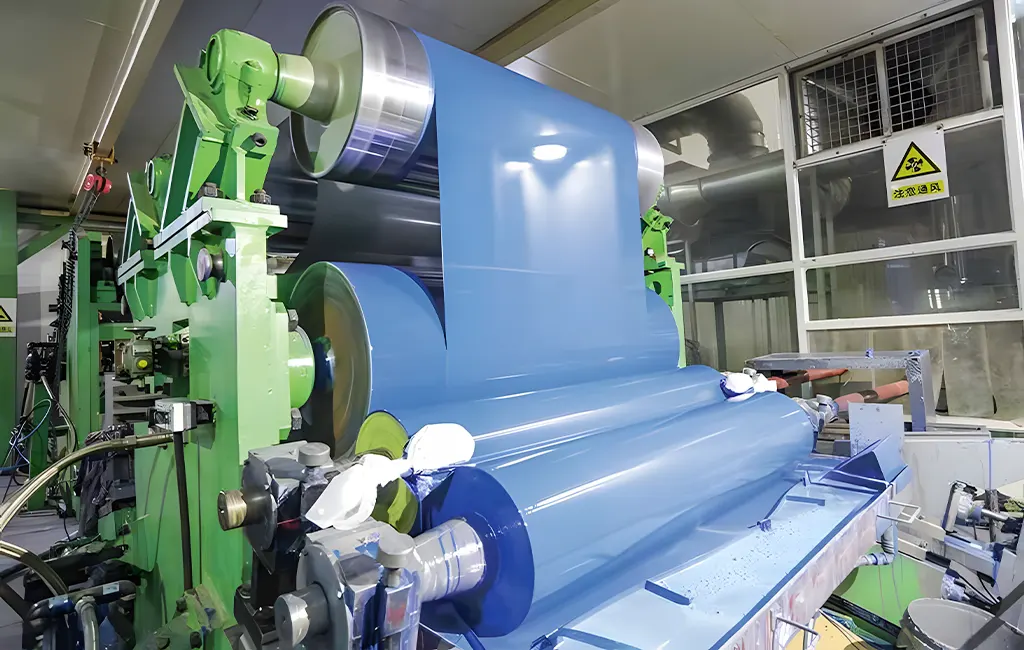
Step 4: Pre‑production trial‑coil evaluation and factory audit (for large‑scale projects)
For large‑volume facade or roofing projects, it is strongly recommended to order small‑batch pre‑production trial‑coil before full‑scale bulk purchase:
- Process trial‑coil with actual fabrication equipment (bending, roll‑forming), verify whether cracking or peeling appears in real processing conditions.
- Compare colour and gloss consistency between trial‑coil and original‑approved sample.
- For high‑risk landmark or coastal projects, conduct supplier‑factory audit to check coil‑coating production line, pretreatment process and in‑house‑lab testing capacity.
References
Wikipedia, Prepainted metal.