
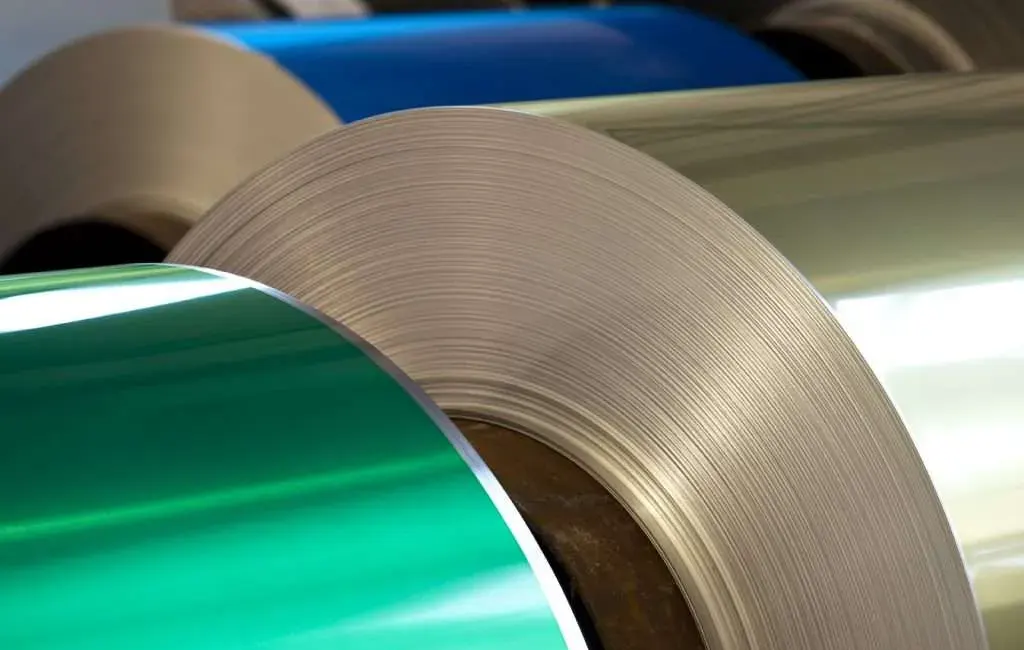

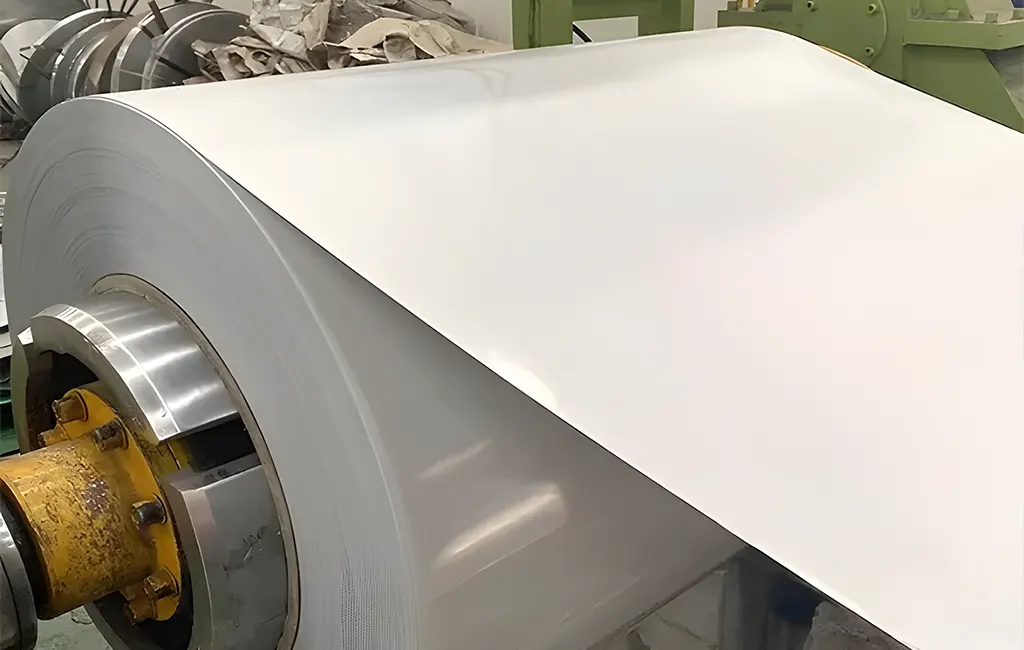
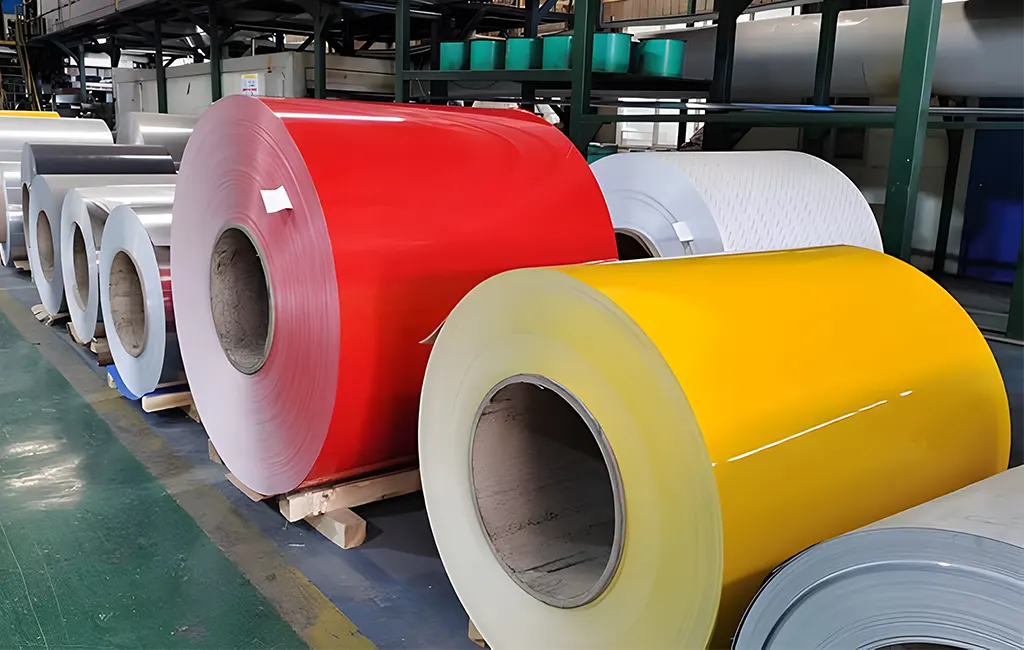
Color‑coated (pre‑painted) aluminum coil is a dominant material for modern building roofing and exterior facade systems. It balances lightweight weight, corrosion resistance, rich colour options and flexible formabilityECCA. However, improper selection often brings premature chalking, colour fading, coating peeling and unexpected extra maintenance costs.
Many purchasers only compare colour appearance and unit price, ignoring substrate alloy grade, pretreatment, coating‑system classification, local climate exposure and project‑design requirements. The best‑looking product may not match your actual operating environment.
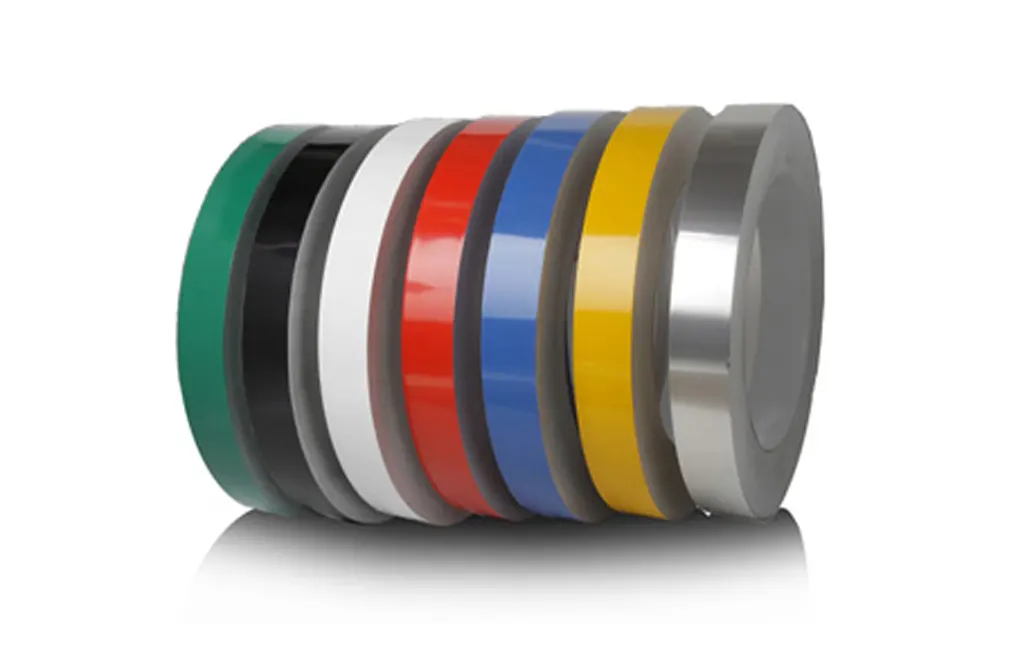
Key Selection Dimensions for Roofing & Facade Color‑Coated Aluminum Coil
1. Aluminum substrate alloy and temper
For outdoor roofing and facades, 3003‑H14 / H24 and 3005‑H14 / H24 aluminum‑manganese alloys are the mainstream options.
- 3003: Cost‑effective, good formability; widely used for general‑purpose roofing, trim and secondary facades.
- 3005: Slightly higher strength, better flatness and coating adhesion; preferred for large‑area facade panels and high‑end roofing systems.
Substrate surface pretreatment (degreasing, chromate or chrome‑free passivation) directly determines paint‑metal bonding strength. Even premium coating will blister and delaminate with defective pretreatment.
2. Coating system and dry‑film thickness
Coating resin chemistry defines weather‑resistant performance. Main architectural coil‑coating families include PE polyester, HDP high‑durable polyester, SMP silicone‑modified polyester and PVDF fluorocarbon. Both primer and topcoat dry‑film thickness should be clearly specified; insufficient film thickness weakens anti‑UV and anti‑corrosion performance regardless of resin grade. Roller coil coating guarantees much more uniform thickness than on‑site spray paintingECCA.
3. Local environmental exposure conditions
- High‑UV plateau / tropical‑subtropical zones: Prioritize high‑UV‑resistant coating grades to slow chalking and colour shift.
- Coastal salt‑spray atmosphere: Salt‑ion corrosion requires high‑performance anti‑corrosion coating configurations.
- Industrial‑polluted regions: Acid‑rain and sulphide contaminants accelerate coating ageing.
- Large diurnal temperature variation: Coating needs good flexibility to resist micro‑cracks under thermal‑cycling stress.
4. Fabrication requirement: formability for roll‑forming and bending
Roofing panels and facade components require stamping, bending and roll‑forming. The coating system must maintain adhesion without cracking after T‑bend processing. For complex‑profile roofing products, balance weather‑resistance and forming performance.
5. Project‑expected service life and budget
Define target service life at early design phase. Match coating grade to project warranty requirements instead of blindly pursuing the highest‑end or cheapest solution.
Mainstream Coating‑System Comparison for Roofing and Facade Projects
| Coating Type | Typical Dry‑Film Thickness (Primer + Topcoat) | Estimated Outdoor Service Life | Formability | Core Strengths | Typical Application Scenarios | Reference Standard Grade |
|---|---|---|---|---|---|---|
| PE Polyester | 18‑22 μm | 8‑12 years | Excellent | Wide‑colour‑range, low cost | Mild‑climate inland secondary‑building roofing, non‑critical facades | AAMA 2603 |
| HDP High‑Durable Polyester | 22‑26 μm | 12‑18 years | Very Good | Improved UV and gloss retention | General commercial facades, inland industrial‑plant roofing | AAMA 2604 |
| SMP Silicone‑Modified Polyester | 22‑28 μm | 15‑20 years | Good | Outstanding gloss retention, heat resistance | Industrial‑building roofing, mid‑grade exterior panels | AAMA 2604 |
| PVDF Fluorocarbon | 25‑35 μm (double‑coat double‑bake) | 20‑30+ years | Moderate | Superior UV‑, salt‑spray‑ and chemical‑pollution‑resistance | Coastal‑zone buildings, landmark facades, premium roofing | AAMA 2605 |
Step‑by‑Step Practical Selection Workflow
- Analyse site environmental conditions: Confirm UV intensity, coastal salt‑spray risk, industrial‑pollution level and temperature‑cycling features.
- Set project target service‑life and budget: Clarify owner expectations for service‑life and appearance warranty.
- Choose substrate alloy and temper: Select 3003 for general roofing; use 3005 for large‑size facade panels requiring superior flatness.
- Match coating grade against environment:
- Mild inland non‑critical projects: PE or SMP;
- General commercial projects: HDP high‑durable polyester;
- Coastal, high‑UV landmark buildings: PVDF fluorocarbon coating.
- Complete tender‑document technical clauses: Explicitly define alloy‑temper, pretreatment requirement, coating type, dry‑film thickness, reference standards and colour‑difference tolerance (ΔE). Do not judge quality only by visual colour samples.
- Verify mill test reports: Request supplier‑provided test certificates for salt‑spray, adhesion and bending performance.
References
Wikipedia, Prepainted metal.