
Evaluating Epoxy Color Coated Aluminum for Harsh Chemical Environments
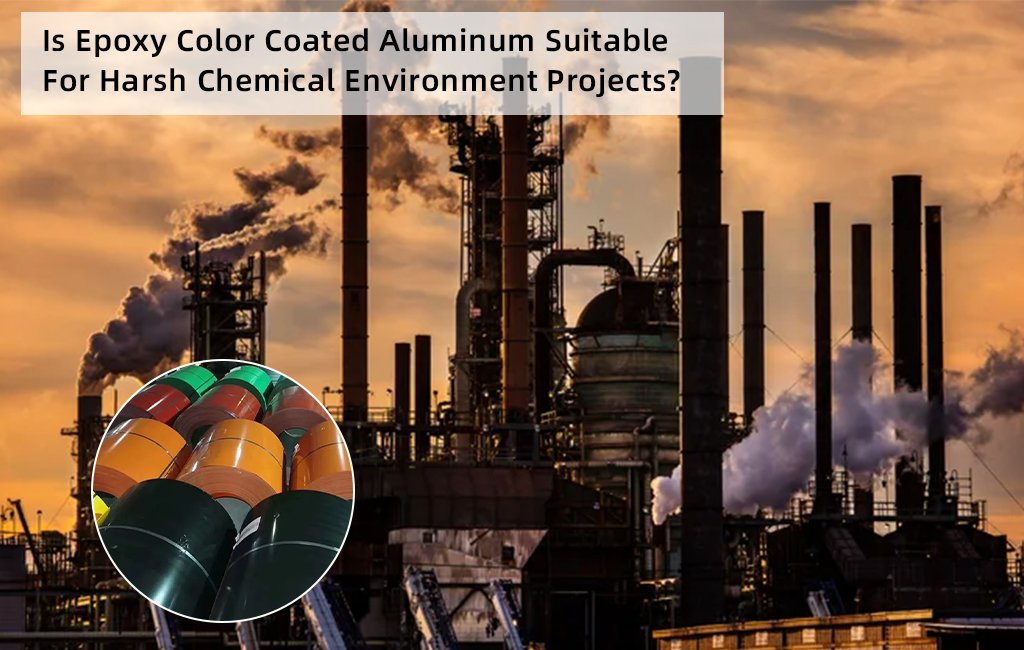
Yes, epoxy color coated aluminum is highly suitable and often preferred for projects exposed to harsh chemical environments. Epoxy resins possess an inherently dense, highly cross-linked molecular structure that provides an exceptional barrier against chemical attack.
However, while it excels in chemical resistance, it has a major vulnerability to Ultraviolet (UV) radiation, meaning its suitability depends entirely on whether the project is indoors or outdoors.
Technical Performance Matrix in Chemical Environments
| Chemical Agent Class | Performance Rating | Behavioral Characteristics & Resistance Mechanisms |
| Alkaline Solutions (NaOH, Ammonia, Bleach) | Excellent | Unlike other coatings that saponify, epoxy resists alkaline hydrolysis, protecting the underlying aluminum from caustic pitting. |
| Organic & Inorganic Acids (HCl, H₂SO₄, Citric Acid) | Excellent to Good | Provides a robust barrier against mild-to-moderate acid concentrations. Highly concentrated oxidizing acids (like nitric acid) may cause gradual degradation. |
| Solvents & Hydrocarbons (Acetone, Ethanol, Diesel, Xylene) | Outstanding | The dense cross-linking prevents solvent swelling, blistering, or softening, achieving high MEK double-rub ratings ($\ge 100$). |
| Salt Spray / Marine Moisture (NaCl) | Excellent | Functions as an impermeable dielectric barrier, completely preventing galvanic and filiform corrosion on the aluminum substrate. |
| Ultraviolet (UV) Radiation (Sunlight) | Poor | Critical Weakness: UV rays break down the epoxy molecular bonds, leading to “chalking,” loss of gloss, and eventual thinning of the protective layer. |
Architectural & Industrial Application Suitability
1. Highly Recommended Applications (Indoor/Shielded)
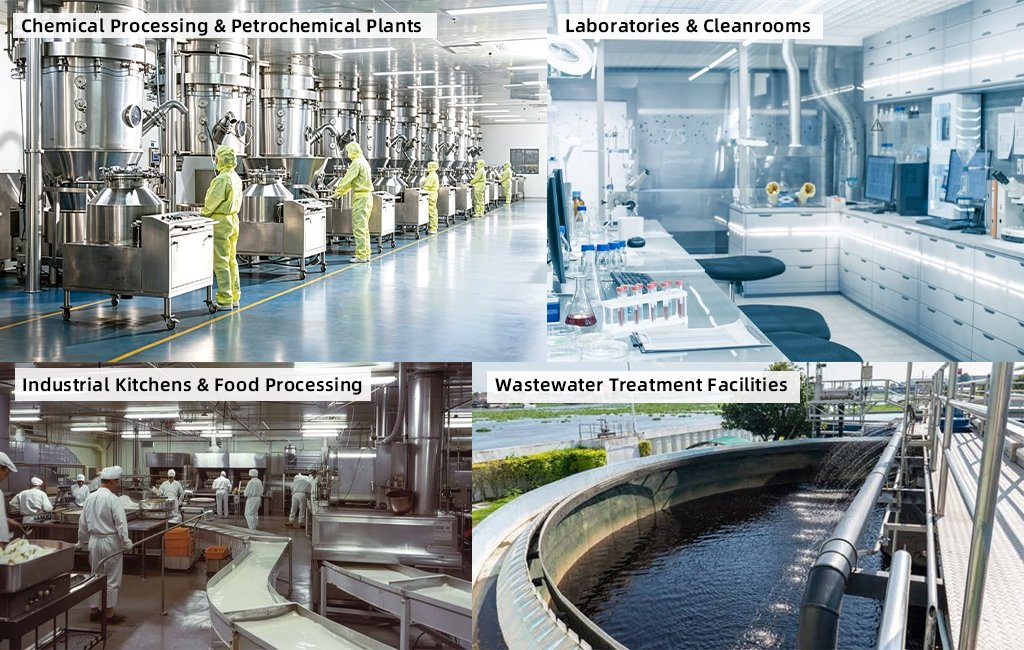
- Chemical Processing & Petrochemical Plants: Internal wall cladding, ceiling panels, and cable trays exposed to corrosive fumes, solvent vapors, and frequent chemical washdowns.
- Laboratories & Cleanrooms: Wall panels that must withstand rigorous sterilization processes using aggressive disinfectants, alcohol rubs, and vaporized hydrogen peroxide.
- Wastewater Treatment Facilities: Enclosed structural components exposed to hydrogen sulfide (H₂S) gas and damp, corrosive atmospheres.
- Industrial Kitchens & Food Processing: Areas requiring heavy resistance to animal fats, organic acids, and harsh alkaline sanitizing agents.
2. Not Recommended Applications (Outdoor/Exposed)
- Outdoor Chemical Storage Tank Jackets: Continuous sunlight exposure will degrade the epoxy coating within a few years, leaving the aluminum vulnerable.
- Coastal Industrial Roofing: While it handles the salt spray perfectly, the combination of intense UV rays and moisture will rapidly degrade the coating finish.
Engineering Alternatives for Diverse Environments
If your project involves a harsh chemical environment but also features factors that conflict with epoxy’s limitations, consider these specialized coating alternatives:
- For Combined Chemical and Outdoor UV Exposure: Upgrade to PVDF (Polyvinylidene Fluoride) or FEVE (Fluoroethylene Vinyl Ether) coatings. Fluoropolymer bonds (C-F) are incredibly strong, offering top-tier chemical resistance alongside decades of UV and weather stability.
- For High-Friction/Impact Chemical Zones: Opt for a Polyurethane (PU) / Polyamide blend. It provides strong chemical resistance paired with superior flexibility and scratch resistance compared to brittle epoxies.
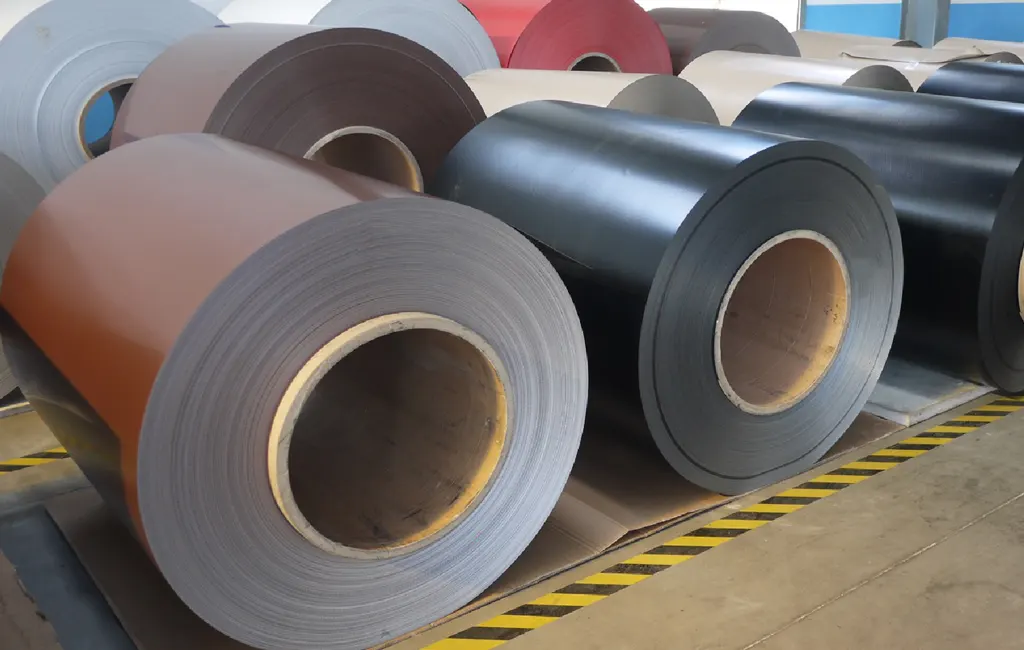
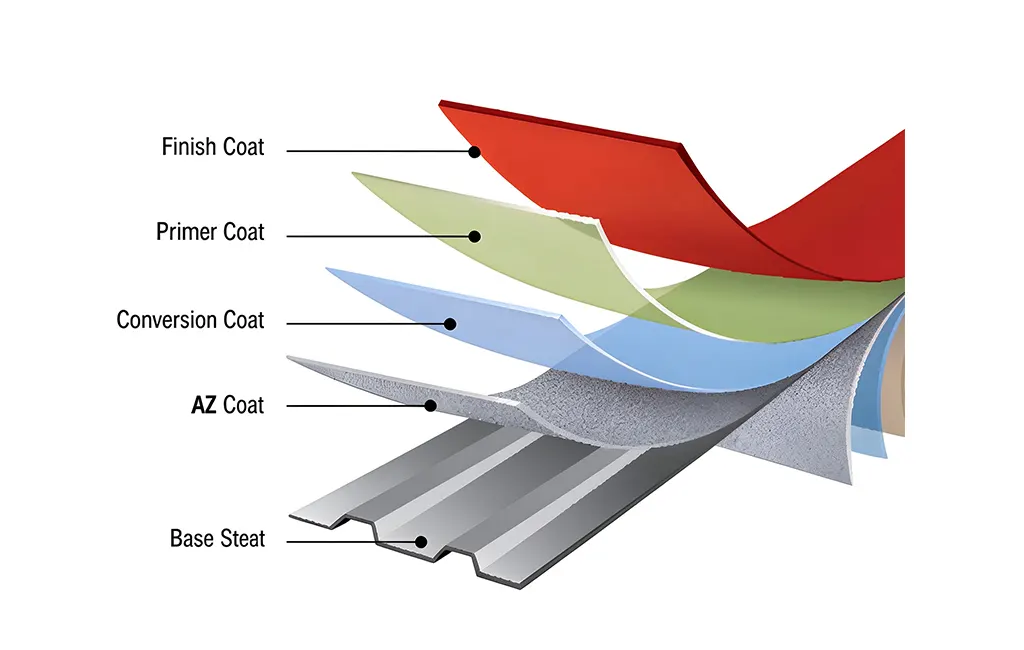
- For Economic Internal Backing Layers: Epoxy remains the industry standard for the backing coat (underside) of almost all color coated aluminum coils, providing universal protection against hidden moisture and concrete alkalis.