
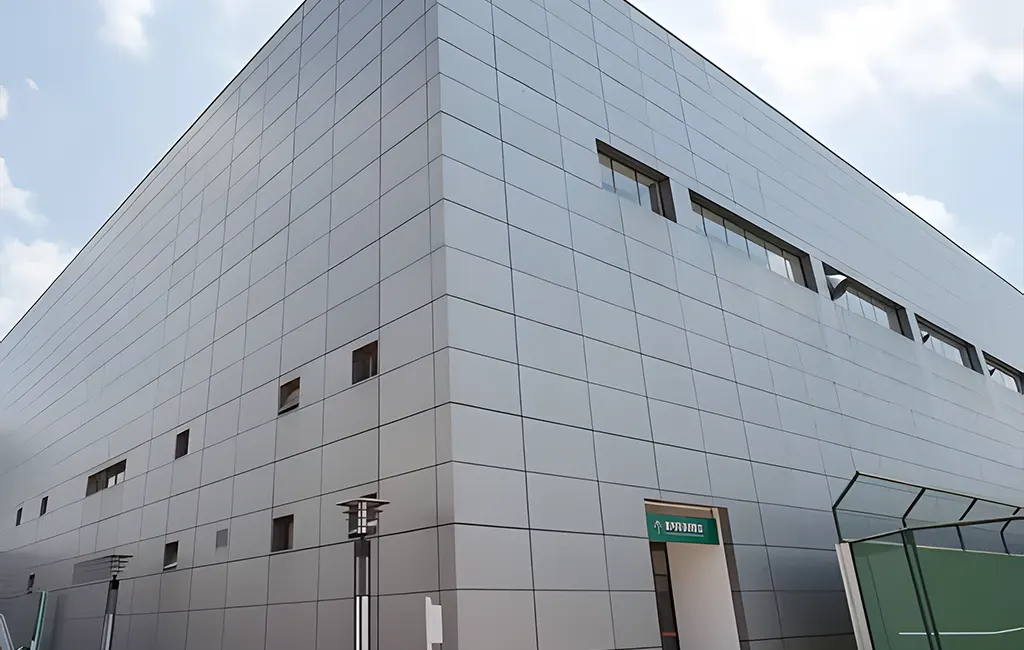
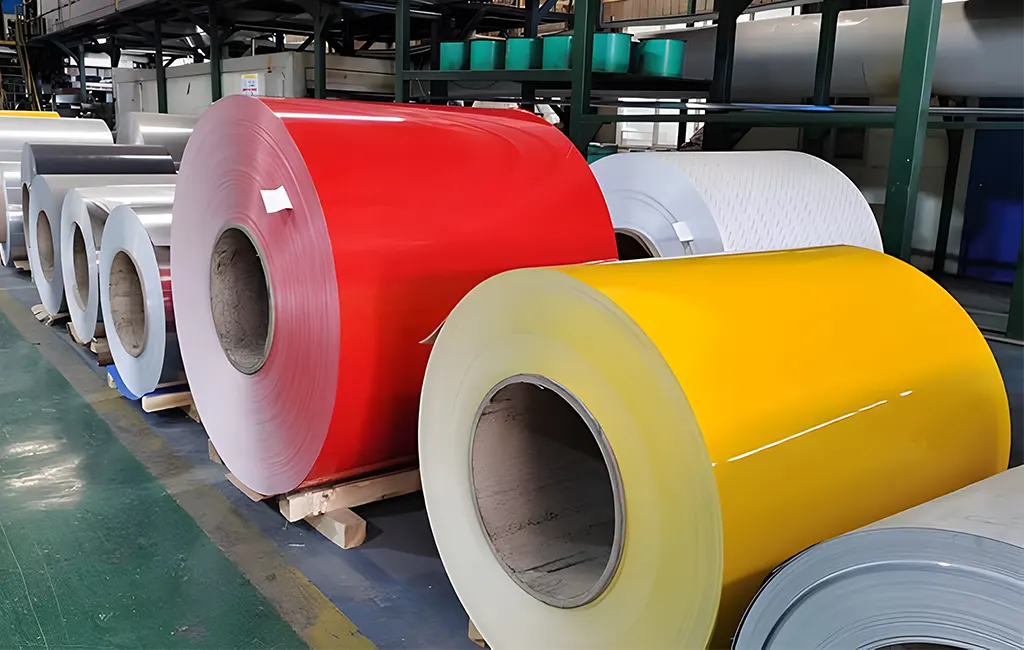
Long-term color retention in exterior color-coated aluminum is governed by the interaction between the 70% PVDF resin binder and the selected pigments under ultraviolet radiation, moisture, and atmospheric pollutants. High-performance systems meeting AAMA 2605 limit color change to ≤5 ΔE and maintain a chalk rating of ≥8 (colors) or ≥6 (whites) after 10 years of South Florida exposure. Achieving these results requires the use of UV-stable ceramic or complex inorganic color pigments (CICP) rather than conventional organic pigments, combined with sufficient topcoat dry-film thickness (typically 20–25 μm) and proper curing. Organic pigments, while offering brighter shades, generally exhibit earlier fade and are restricted or excluded from the highest-performance exterior formulations.
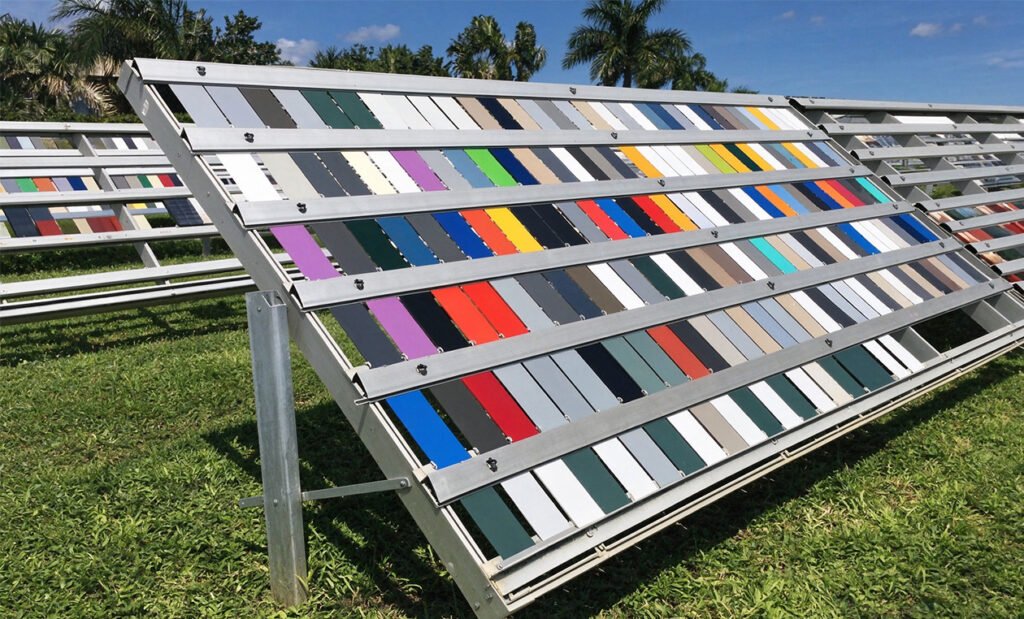
Color Retention Performance by Pigment Type
| Pigment Category | Typical Examples | UV Stability | Color Retention (AAMA 2605 context) | Chalking Tendency | Recommended Use |
|---|---|---|---|---|---|
| Complex Inorganic Color Pigments (CICP) | Mixed metal oxides (e.g., chrome titanates, cobalt blues, iron-manganese blacks) | Excellent | ≤5 ΔE after 10-year Florida exposure | Very low | High-performance exterior façades, coastal projects |
| Ceramic / Metal Oxide Pigments | Titanium dioxide (rutile), iron oxides, chromium oxide green | Excellent to very good | Meets or exceeds AAMA 2605 limits | Low | Whites, earth tones, standard architectural colors |
| High-Performance Organic Pigments | Selected phthalocyanines, quinacridones (stabilized) | Moderate to good | May approach but often falls short of 10-year limits | Moderate | Limited exterior use; better for AAMA 2604 or interior |
| Conventional Organic Pigments | Azo reds, basic yellows, many bright organics | Poor to moderate | Significant fade within 3–5 years | Higher | Interior or short-lifecycle applications only |
| Metallic / Mica Effect Pigments | Aluminum flakes, coated micas | Good (with proper orientation and clear coat) | Dependent on system design; often 3-coat | Low to moderate | Architectural metallics and special effects |
Performance assumes proper 70% PVDF formulation, adequate film thickness, and controlled application.
Role of the PVDF Resin Binder
The polyvinylidene fluoride resin contains strong carbon-fluorine bonds that resist photodegradation. When the topcoat contains at least 70% PVDF by weight of the resin solids, the binder itself contributes minimal chalking or binder erosion over a decade of outdoor exposure. This inert matrix protects the embedded pigments and maintains film integrity, allowing the inherent stability of inorganic pigments to be fully realized. Lower fluoropolymer content (e.g., 50% systems meeting AAMA 2604) provides good but measurably lower long-term appearance retention.
Pigment Selection Principles for Maximum Durability
- Inorganic preference: Complex inorganic and ceramic pigments are preferred for any color expected to meet full AAMA 2605 10-year criteria. These pigments are thermally stable, chemically inert, and highly resistant to UV-induced breakdown.
- Titanium dioxide grade: Rutile TiO₂ with appropriate surface treatment is used for whites and pastel shades. Poorly treated grades can accelerate chalking.
- Avoidance of vulnerable organics: Bright reds, oranges, and certain yellows based on conventional azo or other organic chemistries are typically excluded from premium exterior warranties or are offered only with reduced performance claims.
- Effect pigments: Aluminum and mica pigments require careful orientation control and often a clear PVDF topcoat (three- or four-coat systems) to maximize both appearance and durability.
Influence of Film Thickness and Application
Insufficient topcoat thickness reduces the protective path length for UV and can lead to earlier pigment exposure and accelerated fade. Industry practice for architectural PVDF coil coatings targets 20–25 μm dry topcoat (total system 25–33 μm). Metallic colors frequently use three-coat systems (primer + color + clear) with higher total thickness to encapsulate effect pigments and further improve retention.
Cure conditions also affect color stability. Under-cure can leave residual solvent or incomplete film formation, while excessive peak metal temperature may discolor sensitive pigments. Controlled oven profiling is therefore part of color retention assurance.
Practical Specification Recommendations
When color retention is a primary project requirement:
- Specify “AAMA 2605-compliant 70% PVDF” and require supporting Florida exposure data for the exact color.
- Prefer colors formulated with complex inorganic or ceramic pigments.
- For critical visual uniformity, request batch ΔE limits (typically ≤0.5–1.0) and master standard approval.
- For metallics and special effects, confirm whether a clear coat is included and review the specific weathering data.
- In coastal or high-UV locations, combine high-stability pigments with robust pretreatment and adequate film thickness.
Understanding the pigment–binder interaction allows specifiers to select systems that maintain appearance over the intended service life while avoiding unnecessary cost from over-specification of non-critical colors.