
Salt Spray Testing vs. Real-World Lifespan of Color-Coated Aluminum
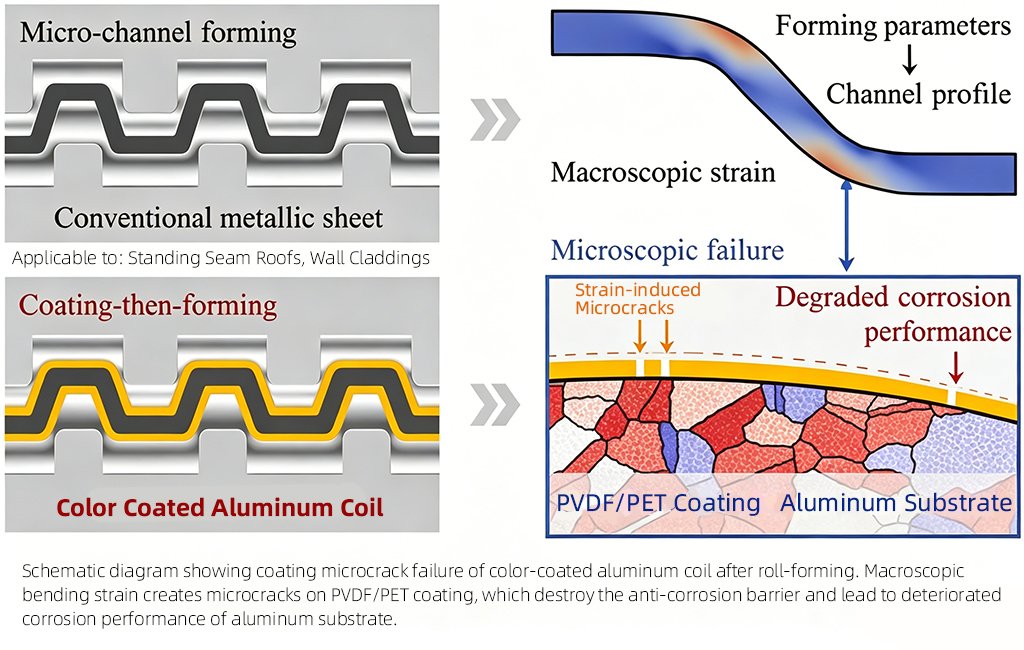
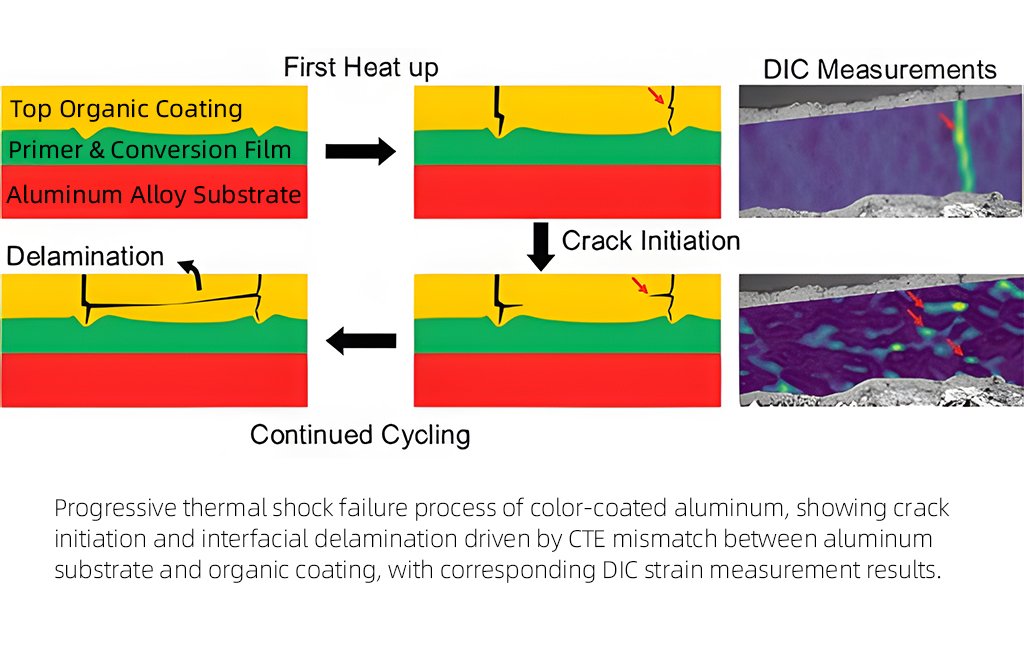
No, a salt spray test (ASTM B117 / ISO 9227) cannot directly predict or calculate the precise chronological lifespan of color-coated aluminum in real-world environments. Salt spray testing is an accelerated, standardized quality control tool designed to evaluate coating continuity, adhesion, and relative corrosion resistance under a constant, highly corrosive mechanism. In contrast, actual atmospheric weathering involves complex, cyclic variables—such as UV radiation (UV-A/UV-B), dynamic temperature fluctuations, industrial pollutants (SO₂、NOₓ), and wet/dry cycles—which fundamentally alter coating degradation pathways compared to continuous salt fog exposure.
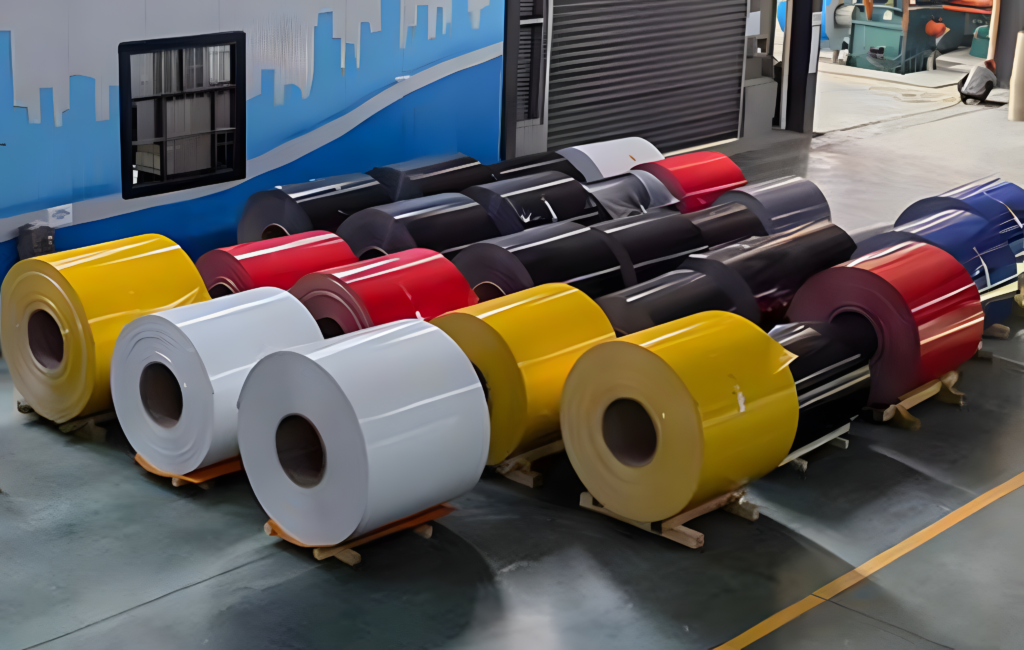
Technical Performance Matrix: Color Aluminum under Accelerated Testing
The table below correlates specific aluminum alloy grades and coating chemistries with standard accelerated testing benchmarks and their corresponding real-world B2B application environments.
| Aluminum Alloy Grade | Coating Type | Standard Coating Thickness (μm) | Salt Spray Test Resistance (Hours) | UV Resistance / Color Retention (AAMA 2605 / 10 Yrs) | Operating Temp Range (°C) | Primary B2B Application Scenario |
| AA 3003 / 3105 | Polyvinylidene Fluoride (PVDF 2-Coat) | 25 – 28 | ≥ 1,000 hours | ≥ 80 % (ΔE ≤ 5 units) | -50 to +120 | Commercial building facades, roofing, architectural curtain walls. |
| AA 5052 / 5754 | High-Durability PVDF (4-Coat FEVE/PVDF) | 40 – 45 | ≥ 3,000 hours | ≥ 85% (ΔE ≤ 4 units) | -60 to +150 | Coastal infrastructure, marine environments, offshore oil platforms. |
| AA 1100 / 3003 | Architectural Powder Coating (Thermoset Polyester) | 60 – 80 | ≥ 1,000 hours | ≥ 70% (ΔE ≤ 8 units) | -40 to +90 | Window frames, interior cladding, industrial machinery housing. |
| AA 5005 / 6063 | Anodized + Electroformed Color Coating | 15 – 25 (Oxide Layer) | ≥ 2,000 hours | ≥ 90% (Minimal fading) | -50 to +200 | High-end storefronts, corporate headquarters, automotive exterior trim. |
Why Salt Spray Data Clips Real-World Factors
The Mechanical Divergence of Static Testing
The classic Neutral Salt Spray (NSS) test subjects color-coated aluminum to a continuous, atomized fog of 5% sodium chloride (NaCl) at a constant temperature of 35°C. While this environment accelerates the electrochemical oxidation of the aluminum substrate at holidays or scribe marks, it completely lacks the dynamic variables that drive field degradation:
- Absence of UV Degradation: Sunlight ultraviolet radiation breaks down the molecular bonds of organic coatings (such as polyester or polyurethane binders). Once the resin matrix degrades, it chalks and exposes the underlying pigments and aluminum substrate. NSS tests cannot replicate this mechanical failure.
- Lack of Wet/Dry Cycling: In natural environments, the cycle of wetting (via dew or rain) and drying concentrates salts and introduces atmospheric oxygen. The constant wet state of an NSS chamber prevents the formation of natural, protective aluminum oxide/carbonate passivating films that slow down real-world corrosion.
Industry Compliance Standards for Longevity
Because salt spray tests are an imperfect proxy for lifespan, global architectural bodies rely on strict, multi-variable performance standards to certify color aluminum longevity.
AAMA 2605-20 Certification
For high-performance architectural applications, the American Architectural Manufacturers Association (AAMA) 2605 specification is the industry benchmark. It does not rely solely on salt spray hours; instead, it mandates that coatings survive 2,000 hours of cyclic salt spray alongside 4,000 hours of accelerated weathering (South Florida outdoor exposure) while maintaining strict color fastness (ΔE ≤ 5) and gloss retention metrics.
Qualicoat / GSB International
In Europe, Qualicoat (Class 3) and GSB Premium standards govern aluminum coatings. These standards require a combination of acetic acid salt spray (AASS) testing, cyclic humidity testing, and multi-year natural weathering exposures to guarantee a functional B2B lifespan exceeding 20 to 30 years without catastrophic coating delamination or structural pitting.