
For roofing, typical coil thickness ranges from 0.6 mm to 1.0 mm. A common mid-point is 0.8 mm, balancing weight, strength, and cost. In harsh climates or high wind zones, 0.8–1.0 mm is often recommended; in milder climates or interior applications, 0.6–0.7 mm may suffice. Always consider local wind-load codes, roof design (standing seam vs. panel), and the coating system when selecting thickness.
Thickness influences wind uplift resistance, dent resistance, weight, and handling. Heavier gauges provide greater stiffness and durability but add load on the structure and transport costs. The roof profile and span determine feasible thickness, as does the coating thickness (PVDF/FEVE vs PE) which affects abrasion resistance and color longevity. Proper pretreatment and substrate choice (AA3000/5000 series) remain critical for adhesion and corrosion resistance across thickness options.
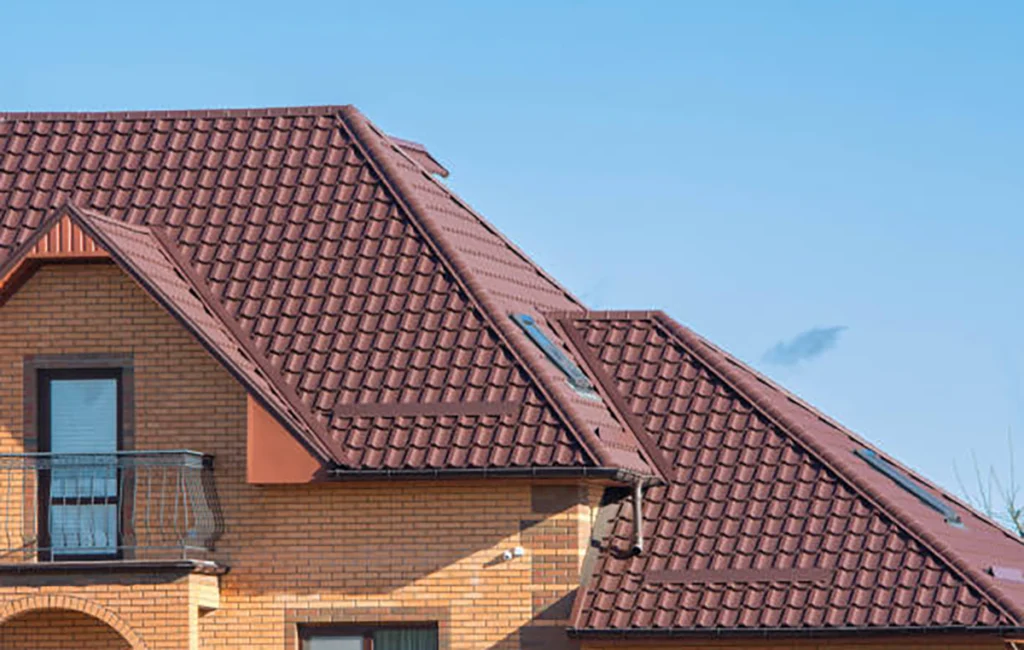
Coating options and performance :
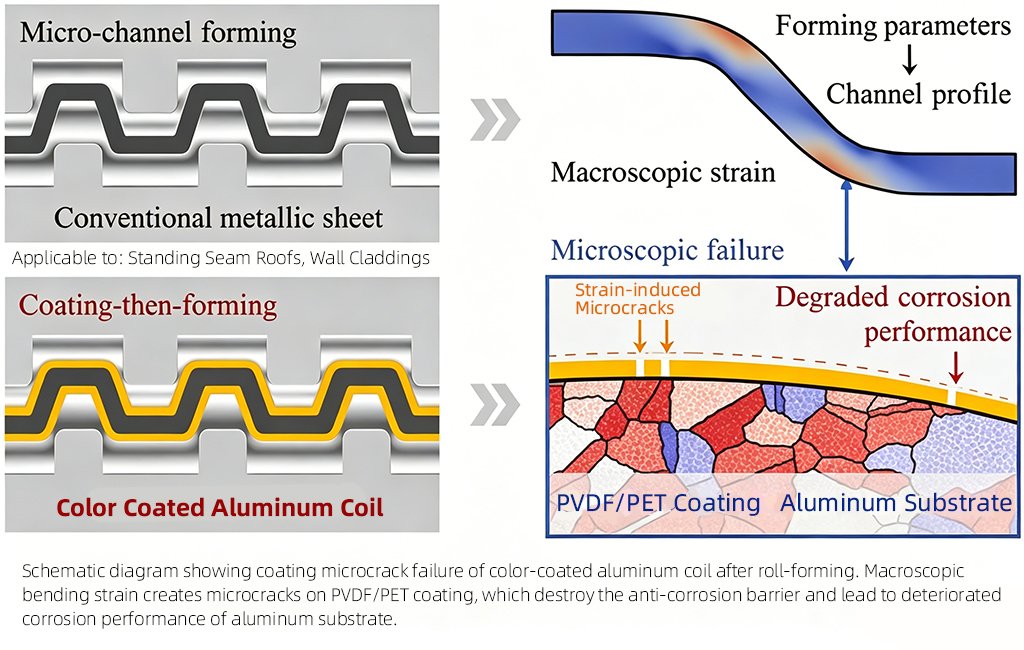
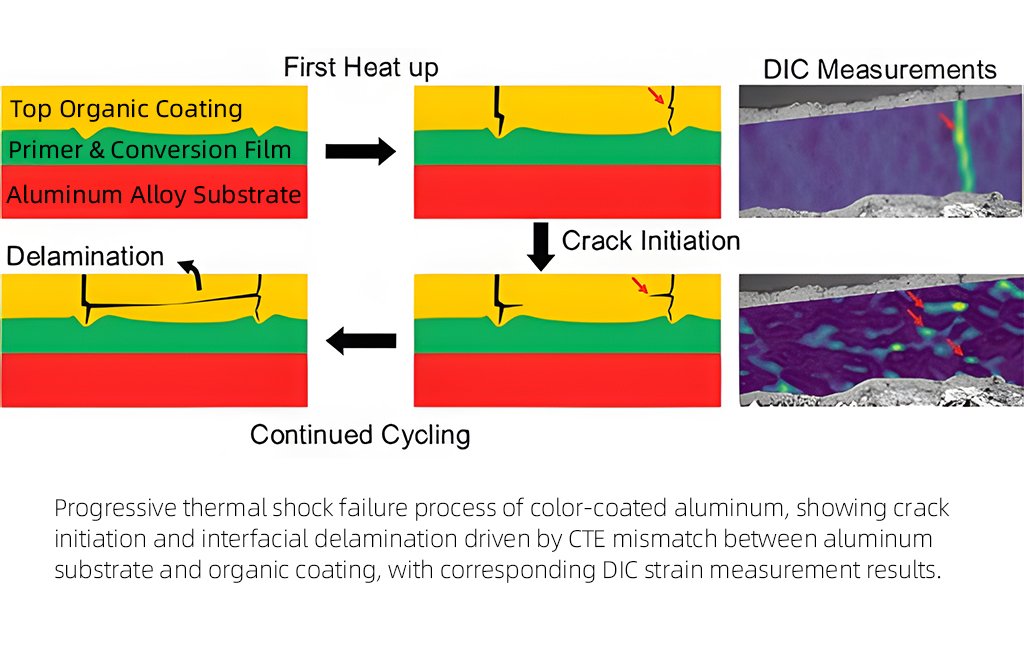
- Coatings: PE (economical), PVDF (outstanding weather resistance and color stability), FEVE (premium durability). PVDF/FEVE are favored for exterior roofing; PE may suit interior or budget-conscious projects.
- Substrate and pretreatment: AA3000/5000 series aluminum with pretreatment (washing, etching, phosphating) to maximize adhesion and corrosion resistance.
- Thickness and wear: Thicker coatings improve color depth and wear resistance but increase weight and cost; choose based on exposure and maintenance plans.
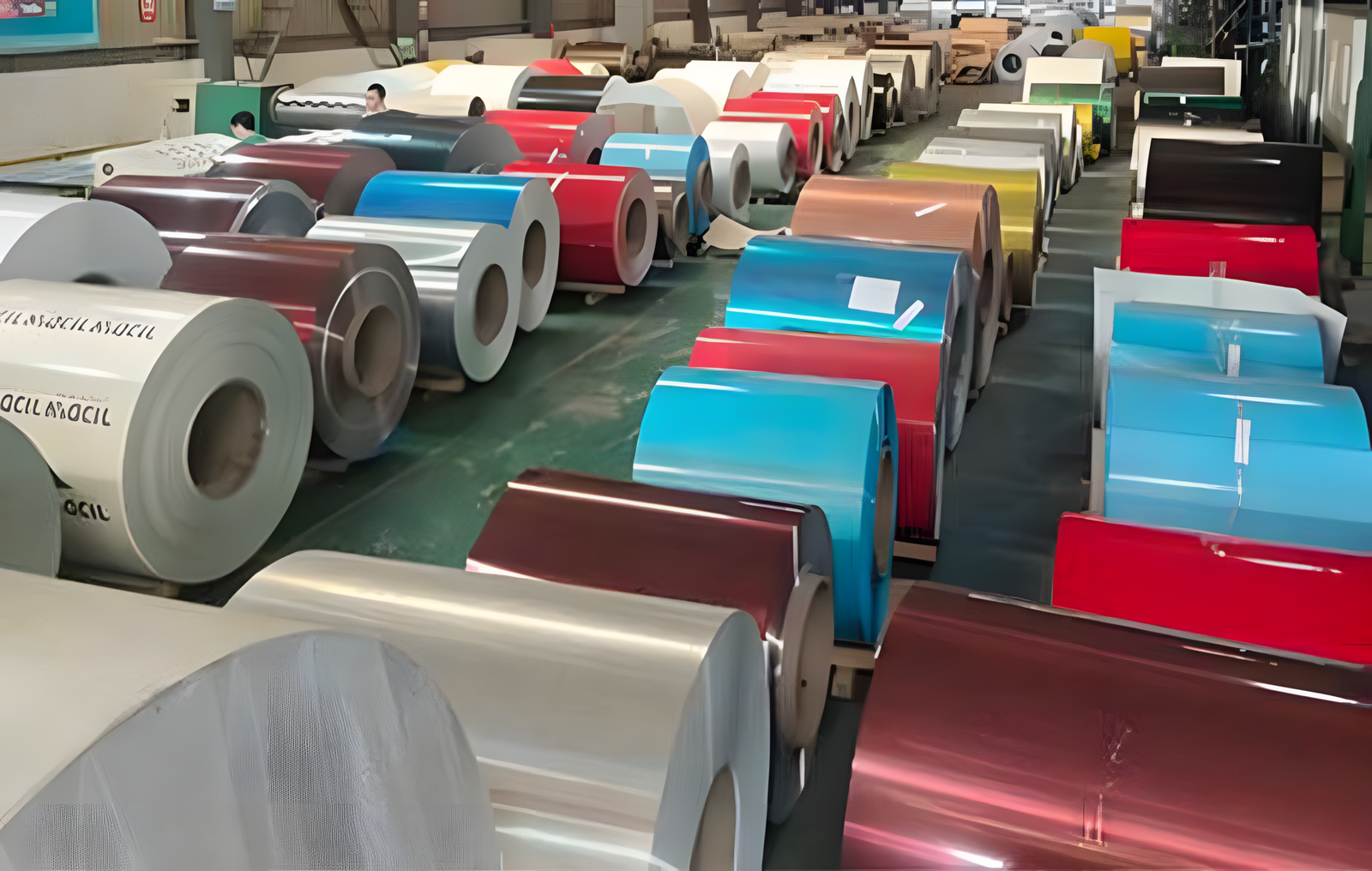
- Color control: Ensure batch-to-batch color consistency for uniform branding across roofs.
- Bonding and installation: Use compatible fasteners, sealants, and surface preparation to ensure durable adhesion.
- Sustainability and safety: Favor low-VOC coatings and transparent supplier practices.
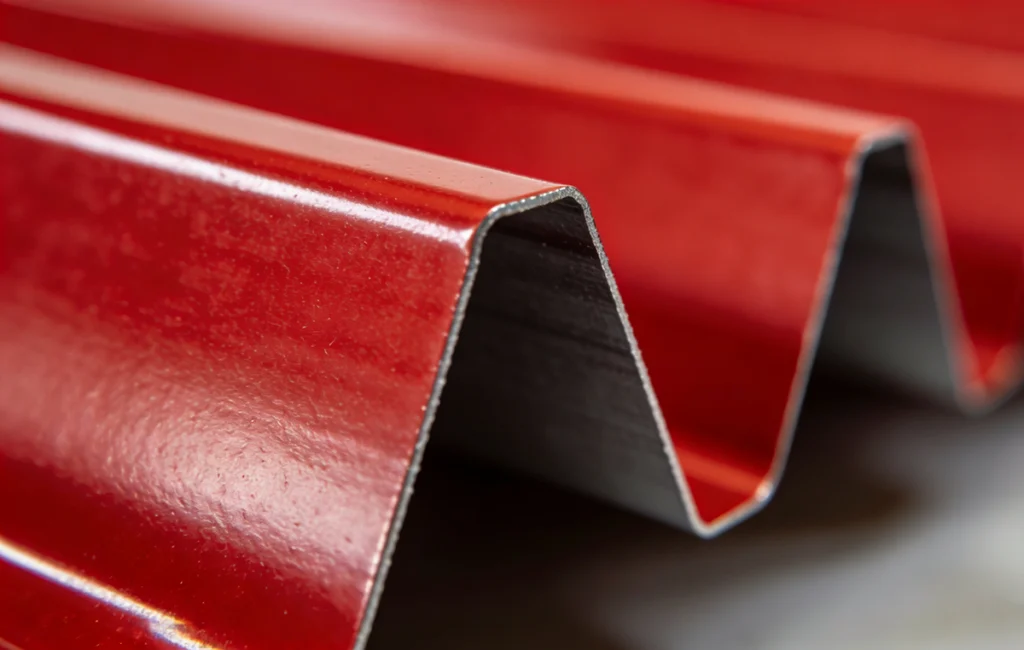
Design, installation, and lifecycle considerations :
- Roof geometry and water drainage: Choose widths and thickness to minimize seam complexity and ensure proper drainage.
- Installation logistics: Heavier sheets may require equipment for lifting and precise alignment.
- Maintenance planning: Regular inspections for color uniformity and coating wear; schedule touch-ups or replacements as needed.
- Longevity and warranty: Align thickness choice with warranty terms and expected service life.