
Professional Handling and Storage Protocols for Color-Coated Aluminum Coils
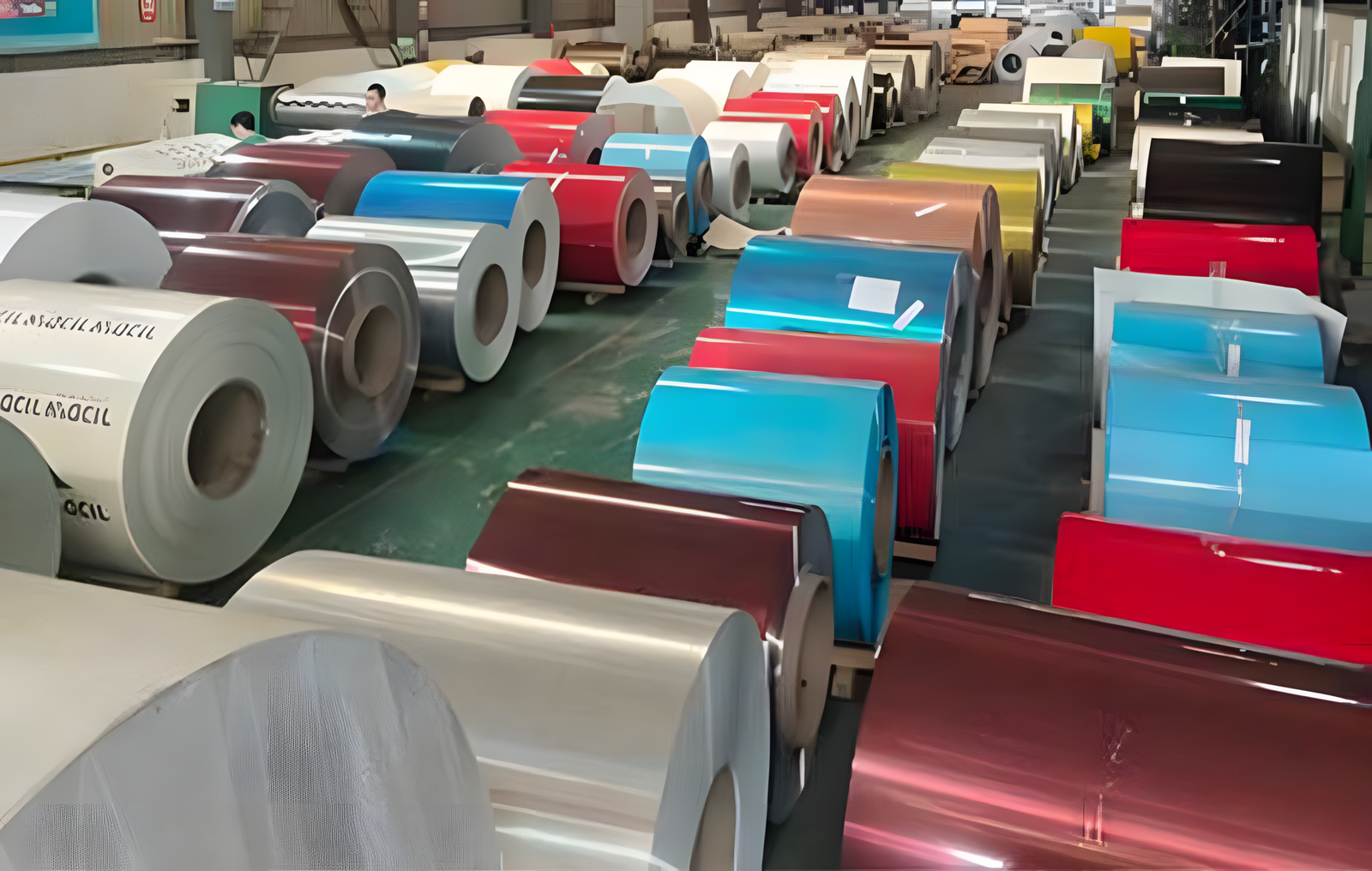
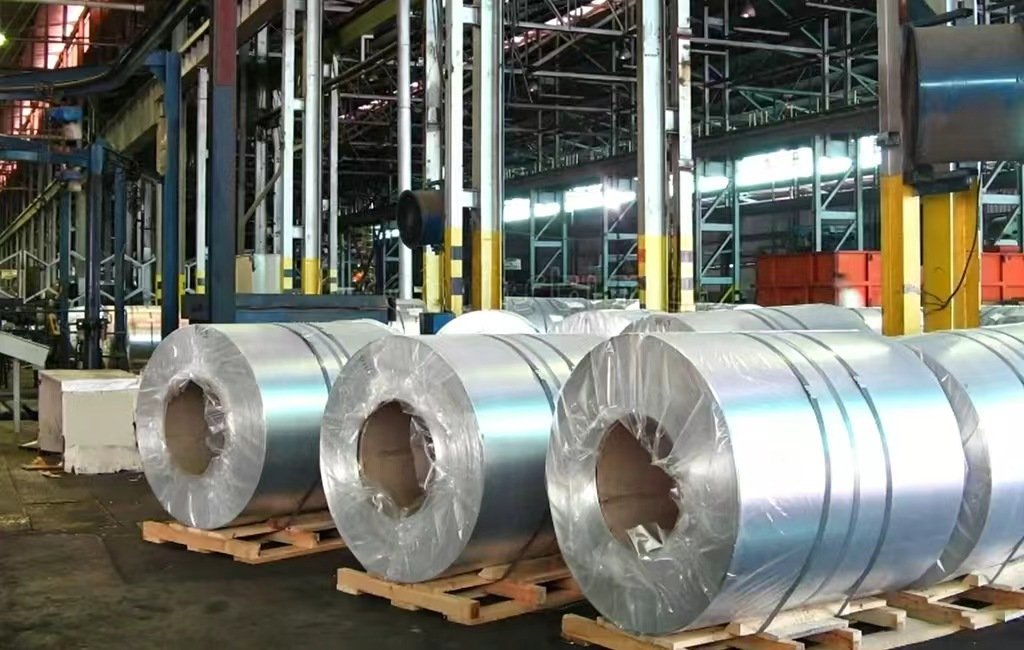
To maintain the structural integrity and aesthetic finish of color-coated aluminum coils, handling must prioritize the prevention of mechanical deformation and coating delamination. Proper storage requires a controlled environment to avoid interlayer corrosion (white rust) and pressure mottling. Coils should be stored in a dry, ventilated facility with a stable temperature range of 15°C to 30°C and relative humidity below 70%. Utilizing VCI (Volatile Corrosion Inhibitor) paper and specialized racking systems is essential to prevent “flat-spotting” and surface abrasion. Furthermore, the protective film (PE or Laser Film) should remain intact until the point of installation to safeguard the 25μm PVDF or Polyester coating from environmental contaminants and site-borne debris.
Storage Environment & Material Compatibility Matrix
This table outlines the critical environmental thresholds and material handling requirements for various color-coated aluminum alloys to ensure long-term performance.
| Parameter | 1000/3000 Series (Soft/Medium) | 5000 Series (Marine Grade) | High-Strength 6000 Series |
| Storage Orientation | Vertical (Eye-to-Sky) preferred | Horizontal on contoured saddles | Horizontal on contoured saddles |
| Max Stacking Height | Do Not Stack (Single Layer) | Max 2 coils (with dunnage) | Max 2 coils (with dunnage) |
| Humidity Threshold | <65% RH | <75% RH | <70% RH |
| Buffer Material | Rubber pads / Soft Felt | VCI Paper / Hardwood Skids | VCI Paper / Specialized Pallets |
| Film Duration | Max 6 months (Internal) | Max 12 months (UV Stabilized) | Max 6 months |
| Contamination Risk | High (Denting/Pitting) | Moderate (Salt-air oxidation) | Low (Scratches/Cracks) |
SOP: Professional Handling and Unloading Procedure
Adhering to a Standard Operating Procedure (SOP) reduces the risk of material rejection due to “edge damage” or “telescoping” during the transit-to-storage phase.
- Mechanical Inspection: Upon arrival, inspect the outer packaging for moisture ingress or puncture. Verify the Coil ID and ensure the metal strapping is tight; loose straps can lead to interlayer friction and micro-scratches.
- Lifting Equipment: Use a C-hook or a forklift equipped with a padded coil ram. Never use bare steel chains or wire ropes directly against the coil surface or the inner core.
- Horizontal Placement: If storing horizontally (eye-to-wall), place coils on v-shaped rubber saddles. Avoid direct contact with concrete floors, which can leach moisture and cause alkaline corrosion at the base.
- Edge Protection: Install plastic or heavy-duty cardboard edge protectors before any secondary movement to prevent localized buckling of the aluminum strip.
- Inventory Rotation: Implement a FIFO (First-In, First-Out) system. Prolonged storage can cause the adhesive on the protective film to harden, leading to “adhesive transfer” or ghosting on the PVDF finish.
Preventing Surface Contamination and Atmospheric Corrosion
Moisture and “Capillary Effect”
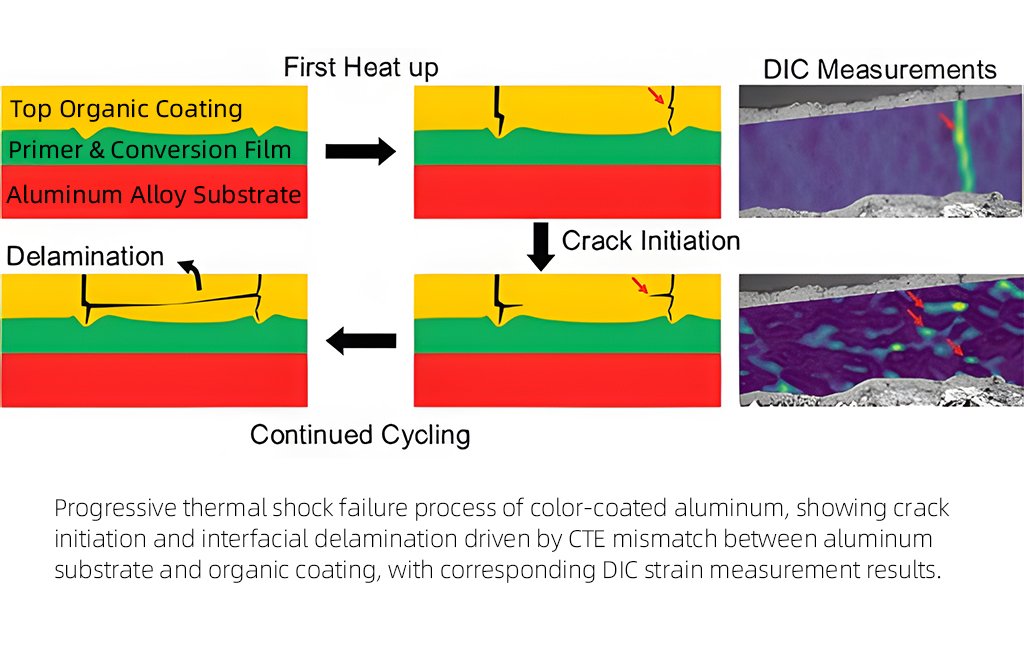
The most significant threat to stored color-coated aluminum is the capillary effect. If water (even condensation) enters the tightly wound layers of the coil, it cannot evaporate. This creates a localized electrochemical cell, leading to coating blisters or the oxidation of the aluminum substrate. Always ensure coils reach thermal equilibrium before unpacking in a warm warehouse to prevent condensation (sweating).
Chemical and Particulate Shielding
Color-coated aluminum is sensitive to alkaline substances (such as wet cement, lime, or mortar) and acidic pollutants.
- Abrasive Dust: Construction site dust containing silica or metallic fines can act as an abrasive if trapped under the protective film.
- Vapor Management: Ensure the storage area is isolated from chemical battery charging stations or welding zones where corrosive fumes are present.
Maintenance of Protective Films (PE/PVC)
Protective films are temporary safeguards and require specific management to prevent surface damage:
- UV Exposure: Standard PE films degrade under UV light. If coils are stored outdoors (not recommended), they must be covered with a breathable, waterproof tarpaulin.
- Removal Temperature: For optimal results, the film should be removed at temperatures between 15°C and 40°C. If the metal is too cold, the adhesive becomes brittle and may snap; if too hot, it may leave a sticky residue.
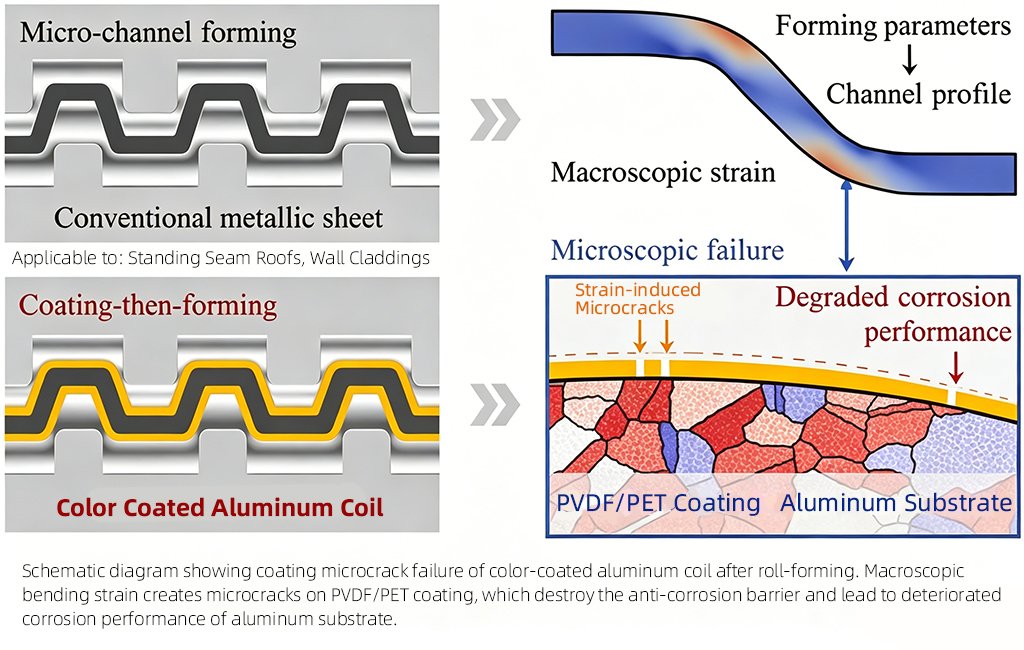
- Post-Processing Check: After slitting or roll-forming, inspect the edges for “shaving” debris—small aluminum particles that can become embedded in the coating if not vacuumed away immediately.